I am a list maker…even in retirement from my secular work. For me, what doesn’t get listed, doesn’t get done. It is also very rewarding for me to check that item off the list when it is accomplished. The list has a progression of priorities. One task cannot happen until another task is completed. And so life goes with my lists guiding my behavior and productivity.
As I journal each morning in my conversational prayer with God, the Father, His Spirit guides me to make another list that helps me to mature and grow in Him. I am convicted of some of those “fruits of the Spirit” that I have not tended to or cultivated, have ignored or left undone. His Holy Spirit redirects my thoughts and helps me form a list of tasks that will help me improve my behavior. “Keep a close check on yourself”, writes Paul to Timothy. For me, that means to make a spiritual checklist that keeps me in close contact with the will and purpose of our Father, God and helps me to grow closer to Him.
We can do nothing of significance without God. I am convinced that He guides us to all things that are good for our growth and aid our learning about Him and how He works. Paul also gives Timothy sound advice about how to treat those whom God has called to lead with character traits with another list of how to lead. This list still applies to us today. The theme of this episode seems to be; Know God, Know Yourself, Know The Message, Know Your Audience. Our deeds, good and bad, will be evident. Be driven by God’s love in us.
1 Timothy 5, The Message
17-18 Give a bonus to leaders who do a good job, especially the ones who work hard at preaching and teaching. Scripture tells us, “Don’t muzzle a working ox” and “A worker deserves his pay.”
19 Don’t listen to a complaint against a leader that isn’t backed up by two or three responsible witnesses.
20 If anyone falls into sin, call that person on the carpet. Those who are inclined that way will know right off they can’t get by with it.
21-23 God and Jesus and angels all back me up in these instructions. Carry them out without favoritism, without taking sides. Don’t appoint people to church leadership positions too hastily. If a person is involved in some serious sins, you don’t want to become an unwitting accomplice. In any event, keep a close check on yourself. And don’t worry too much about what the critics will say. Go ahead and drink a little wine, for instance; it’s good for your digestion, good medicine for what ails you.
24-25 The sins of some people are blatant and march them right into court. The sins of others don’t show up until much later. The same with good deeds. Some you see right off, but none are hidden forever.
LEADERSHIP PRINCIPLE #6: Keep a Close Check on Yourself
Leadership Characteristics –
–Fully rely on God. Trust Him with all you are and all you have. We are His. All we have is His.
–Ask God “if there is anything offensive to you, cleanse me.” as the Psalmist prayed.
–Repent with a heart and mind not wanting to return to the old life.
–Look full into the face of Jesus, our Master, Lord and Savior with laser focus so we know what direction to take next.
–“Keep a close check on yourself.” Avoid, “he did it, I can, too” or “my sin is not as bad as his sin” or “everybody’s doing it” mentality.
–Ask God for wisdom, insight and understanding.
–Allow God’s transformation to continue in our lives.
–Ask God to make your lists of to BE and to DO. HE will prioritize your lists in ways you cannot imagine! Where He guides, He provides help all along the journey.
–Do all in a Spirit of love for God and others.
–Care enough to confront others with God’s love and concern for their spiritual well-being and growth.
WarningThe things on our spiritual check list can never be crossed off because we’ll be working on them our whole lives. By listing we are reminding ourselves of what we need to work on to “keep a close check” on our lives. It is only by The Atonement of Jesus Christ can we accomplish anything of eternal significance.
Dear Heavenly Father, You have convinced me that we must do spiritual “business” with You each day to improve our being in You. Thank you for helping us on this journey. Thank you for Your Holy Spirit that points out things in our behavior that could cause us to crash…before crashing. Thank you for always being with us, guiding and directing, loving and protecting and challenging us to grow and bear Fruit. Continue to transform me. Transform your church. Transform the world through your church. In Jesus Name, Amen
“Between a rock and a hard place” means being in a very difficult, stressful, or impossible situation where you must choose between two equally unpleasant, undesirable, or risky options. It describes a dilemma with no easy solution, often referred to as “the lesser of two evils”.
As humans living in an imperfect world, we all will face and experience challenging circumstances that require us to decide and respond. We can choose our response or it will be chosen for us. We can gather information from reliable sources beforehand responding, we can form a strategy for how to respond with the least resistance, we could ask others we trust for their advice, or can be silent and not respond at all. All of these are forms of decision making. But, sometimes, we might be stuck “between a rock and hard place” as the saying goes when whatever we decide will not be good for all concerned. Someone will get hurt or suffer. National, state, and local leaders face decisions such as these often. Pastors and church staffs also find themselves in situations that no matter what you decide, someone will not be happy.
The best advice in decision making of matters of life and death is demonstrated for us by God through His beloved Queen Esther. God arranged for “such a time as this” when He made her Queen who found favor with the King of Persia. When Esther heard the news of Haman’s plot to kill all the Jews of the land because he was angry at her cousin, Mordecai for not bowing down to him; she sought the Lord first! She also offered herself to the Lord as she fasted and prayed, seeking His will. Esther’s obedience to whatever God said as she laid her life on the line for God’s people was demonstrated with her resolution, “If I perish, I perish.”
Does this attitude of submission to God sound familiar? Jesus sought God before his final resolute decision to suffer and die for our sins on a cruel cross. He knew. But He loved us enough to complete the mission. As God’s obedient Savior, Jesus readied Himself to sacrifice His life for our sins; we remember Jesus final decisive words in His prayer to His Father the night before He was arrested—He who knew no sin.
“Father, if you are willing, take this cup from me; yet not my will, but yours be done.”
The parallel is not lost on us. Let’s read on…
Esther 4
Mordecai Persuades Esther to Help
When Mordecai learned of all that had been done, he tore his clothes, put on sackcloth and ashes, and went out into the city, wailing loudly and bitterly.2 But he went only as far as the king’s gate, because no one clothed in sackcloth was allowed to enter it. 3 In every province to which the edict and order of the king came, there was great mourning among the Jews, with fasting, weeping and wailing. Many lay in sackcloth and ashes.
4 When Esther’s eunuchs and female attendants came and told her about Mordecai, she was in great distress. She sent clothes for him to put on instead of his sackcloth, but he would not accept them. 5 Then Esther summoned Hathak, one of the king’s eunuchs assigned to attend her, and ordered him to find out what was troubling Mordecai and why.
6 So Hathak went out to Mordecai in the open square of the city in front of the king’s gate. 7 Mordecai told him everything that had happened to him, including the exact amount of money Haman had promised to pay into the royal treasury for the destruction of the Jews.8 He also gave him a copy of the text of the edict for their annihilation, which had been published in Susa, to show to Esther and explain it to her, and he told him to instruct her to go into the king’s presence to beg for mercy and plead with him for her people.
9 Hathak went back and reported to Esther what Mordecai had said. 10 Then she instructed him to say to Mordecai, 11 “All the king’s officials and the people of the royal provinces know that for any man or woman who approaches the king in the inner court without being summoned the king has but one law: that they be put to death unless the king extends the gold scepter to them and spares their lives. But thirty days have passed since I was called to go to the king.”
12 When Esther’s words were reported to Mordecai, 13 he sent back this answer: “Do not think that because you are in the king’s house you alone of all the Jews will escape. 14 For if you remain silent at this time, relief and deliverance for the Jews will arise from another place, but you and your father’s family will perish. And who knows but that you have come to your royal position for such a time as this?”
15 Then Esther sent this reply to Mordecai: 16 “Go, gather together all the Jews who are in Susa, and fast for me. Do not eat or drink for three days, night or day. I and my attendants will fast as you do. When this is done, I will go to the king, even though it is against the law. And if I perish, I perish.”
17 So Mordecai went away and carried out all of Esther’s instructions.
WHAT DO WE LEARN—HOW DO WE RESPOND?
Before Hitler was Haman who hated the Jews with a cultural, generational passion. Mordecai has become his mortal enemy because of not only being a Jew; but a Jew who refused to bow down to him. Haman’s plot to kill all Jews of all ages is not only driven by hate but by his ego to gain recognition as being the most powerful man on the planet, second only to the King. He also seeks to be king, I’m sure, as part of his overall strategy.
Mordecai takes a stand against the enemy. As a result Haman decides to not only rid the world of Mordecai but to kill all Jews. Mordecai’s appearance and actions were those of a person showing great grief or deep repentance according to the Jewish culture.
Mordecai was neither afraid nor ashamed to let people know where he stood. He had already told the officers at the gate that he was a Jew; now he was telling the whole city not only that he was a Jew but also that he opposed the murderous edict manipulated by Haman, getting the approval of the king. The King does not have all the information he needed, however, when he made that decision!
Mordecai’s wailing was not only a cultural response; it got the attention of Queen Esther attendants. Mordecai had previously gotten messages to Esther through her “ladies in waiting.” Esther is told of his weeping and wailing and inquires. God uses ordinary people to do extraordinary acts of His will.
“So often in the work of the Lord, He uses obscure people to accomplish important tasks. What was the name of the young boy who gave Jesus his loaves and fishes? Who were the men who rescued Paul by lowering him over that Damascus wall in a basket? What was the name of the little servant girl who told Naaman to go see the prophet? We don’t know, but God used these people to accomplish His purposes. Here the eunuch Hathach is named, but we know nothing else about him.”—Warren Wiersbe, Wiersbe Study Bible
Hathach certainly had a great responsibility placed on him as the living link between two distressed people who held in their hands the salvation of the Jewish nation!
This was a matter of life and death both for Esther and for her people; but our Sovereign God uses the crisis that Haman created to bring a spiritual revival to His people scattered among the Gentiles in Persia! Often God’s people must experience trouble before they will humble themselves and cry out to God. I’ve seen it with my own eyes, haven’t you? Our God is always with us. He never gives up His authority over all He has created.
From the human point of view, everything was against Esther and the success of her mission;
No one could go to the King unless they were summoned. That included Queen Esther and she knew the Persian law.
The new law said all Jews must be slain and she is a Jew.
Her gender was against her, because the king’s attitude toward women was worse than chauvinistic. Remember what happened to the last queen?
The officers of the court, ordered and commission by Haman were against her.
The three days of fasting probably weakened her and made her “less beautiful” to the king’s standards.
But Queen Esther was resolved after seeking God to do what God said to save His people. “If I perish, I perish.”
Stay tuned as the plot thickens…
But remember this truth for today: God is still in control. God was, is, and always will be in control—even if we don’t’ see or feel it—God is always at work!
“And if God is for us; who can be against us?” Romans 8:31
Lord,
Decision-making, of which there are dozens each day, is not easy for humans. It is even harder when we do not first ask for your wisdom, strength and help. Thank you, again for this lesson to seek you before doing anything of significance. Lead us, Lord in all we think, say, and do. We need you every hour of every day.
In times of greatest horror and unbelievable torture of groups of people who simply look, believe, and behave differently because of their love and loyalty to God is when the Prince of Darkness is seen for who he really is—death, masquerading as light. Satan is God’s Number One Enemy of all He has created in His image.
Throughout the history of humanity; Satan, the fallen angel, kicked out of heaven because he wanted to be God, still seethes with anger and hate. His hate breeds all the characteristics that are not God such as ego-driven pride, envy, arrogance, and greed. Since Adam and Eve fell; we all have fallen at one time or other to behaving in ways that are characteristic of Satan and his demons who hate God and all related to God. The Enemy still strives to be a god even though God will not allow it. We are caught in the crossfire; but not without God’s intervention of protection when we call on His Name.
Satan has no bounds of holding back when it comes to the war with God. Satan, driven by his own selfish desires, even tempted the Son of God, Jesus Christ, for 40 days and night as Jesus fasted and prayed alone in the desert. God’s enemy thinks that by preying on the weaknesses of God’s people long enough and hard enough he will win and sometimes it works on humans who are hopeless because they have walked away from God for a time. But God, from beginning to end, has always had all supreme power over His Enemy. God wins. Read the final chapter.
God was at the beginning, is now, and always will be God. This is Truth whether we believe or not. God is God! There is nothing that happens on earth that escapes the notice of God. God is sovereign. He reigns! God knows before things happen what will happen. God is always at work behind the scenes with a prepared and arranged plan with purpose to defeat evil’s efforts and turn all that was meant for evil to good—by the Goodness of God. We can count on His promises to always be with us, helping us!
Remember and take to heart—Satan’s plots of calculated distractions, deceptions, and manipulations have limited power! His purpose of destructing the faith of God’s people and capture their souls as his to live in the burning fires of hell forever are thwarted daily by God has all authority over all He has created and all who believe in Him. God wins. Because God wins, we who believe Him win! Those whose hearts, minds, and souls are committed to Him, in Jesus’ Name wins. Forever!
The Plot against God’s people thickens! Everything about Haman is hateful; you can’t find one thing about this man worth praising. In fact, everything Haman was, God hated. However, Haman is not the real enemy here; it is Satan working through him. Hold that thought.
Esther 3
Haman’s Plot to Destroy the Jews
After these events, King Xerxes honored Haman son of Hammedatha, the Agagite, elevating him and giving him a seat of honor higher than that of all the other nobles.2 All the royal officials at the king’s gate knelt down and paid honor to Haman, for the king had commanded this concerning him. But Mordecai would not kneel down or pay him honor.
3 Then the royal officials at the king’s gate asked Mordecai, “Why do you disobey the king’s command?”4 Day after day they spoke to him but he refused to comply. Therefore they told Haman about it to see whether Mordecai’s behavior would be tolerated, for he had told them he was a Jew.
5 When Haman saw that Mordecai would not kneel down or pay him honor, he was enraged.6 Yet having learned who Mordecai’s people were, he scorned the idea of killing only Mordecai. Instead Haman looked for a way to destroy all Mordecai’s people, the Jews, throughout the whole kingdom of Xerxes.
7 In the twelfth year of King Xerxes, in the first month, the month of Nisan, the pur (that is, the lot) was cast in the presence of Haman to select a day and month. And the lot fell on the twelfth month, the month of Adar.
8 Then Haman said to King Xerxes,“There is a certain people dispersed among the peoples in all the provinces of your kingdom who keep themselves separate. Their customs are different from those of all other people, and they do not obey the king’s laws; it is not in the king’s best interest to tolerate them. 9 If it pleases the king, let a decree be issued to destroy them, and I will give ten thousand talents of silver to the king’s administrators for the royal treasury.”
10 So the king took his signet ring from his finger and gave it to Haman son of Hammedatha, the Agagite, the enemy of the Jews. 11 “Keep the money,” the king said to Haman, “and do with the people as you please.”
12 Then on the thirteenth day of the first month the royal secretaries were summoned. They wrote out in the script of each province and in the language of each people all Haman’s orders to the king’s satraps, the governors of the various provinces and the nobles of the various peoples. These were written in the name of King Xerxes himself and sealed with his own ring.13 Dispatches were sent by couriers to all the king’s provinces with the order to destroy, kill and annihilate all the Jews—young and old, women and children—on a single day, the thirteenth day of the twelfth month, the month of Adar, and to plunder their goods.14 A copy of the text of the edict was to be issued as law in every province and made known to the people of every nationality so they would be ready for that day.
15 The couriers went out, spurred on by the king’s command, and the edict was issued in the citadel of Susa. The king and Haman sat down to drink, but the city of Susa was bewildered.
WHAT DO WE LEARN—HOW DO WE RESPOND?
Haman was not content with merely having a high office and using it, Haman wanted all the public recognition and honor that he could secure. Although the ancient people of the Near East were accustomed to giving public displays of homage, the king had to issue a special edict concerning Haman, or the people would not have bowed down to him. Sounds like the story of the fallen angel who wanted to be honored over and in place of God, doesn’t it?
God works through imperfect people for His purposes to save them. Mordecai may have had shortcomings in his religious practices, but we must admire him for his courageous stand. It is evident that God had put Mordecai and Esther into their official positions so that they might save their people from annihilation. Their neglect of the Jewish law is incidental when we consider their courage in risking their lives because of their relationship with God.
Haman’s hatred for Mordecai, because he would not bow down to him, soon developed into hatred for the whole Jewish race. Haman could have reported Mordecai’s crime to the king, and the king would have imprisoned Mordecai or perhaps even had him executed, but that would not have satisfied Haman’s lust for revenge. No, his hatred had to be nourished by something bigger, like the destruction of a whole ethnic group. The devil is at work, instilling his character full force into Haman. With the enemy, hatred doesn’t have to make sense.
Satan lost as Jesus rose for the grave in victory over death. How his anger burned as Jesus appeared, scars and all, before his followers to prove God’s victory over him! God’s done it before, throughout history, and He’ll do it again. In my small world; He is doing it now with all His power and authority. Our God reigns!
Evil plots of arranged and driven by the Prince of this dark world may take our physical bodies; but it is not possible to take our souls dedicated to God. We will live on in eternity with God with a new body! How do I know? The Bible tells me so!
“So do not be afraid of them, for there is nothing concealed that will not be disclosed, or hidden that will not be made known. What I tell you in the dark, speak in the daylight; what is whispered in your ear, proclaim from the roofs. Do not be afraid of those who kill the body but cannot kill the soul. Rather, be afraid of the One who can destroy both soul and body in hell. Are not two sparrows sold for a penny? Yet not one of them will fall to the ground outside your Father’s care. And even the very hairs of your head are all numbered. So don’t be afraid; you are worth more than many sparrows.
Whoever acknowledges me before others, I will also acknowledge before my Father in heaven. But whoever disowns me before others, I will disown before my Father in heaven.”—Jesus, Matthew 10:26-33
This passage alone emphasizes that earthly persecution cannot sever a believer’s connection to God or destroy their eternal life.
Warren Wiersbe writes;
“God has divine purposes to accomplish in this world. God’s purposes involve the Jewish nation as well as the Gentile nations of the world. They also involve the church. Within those groups, God especially accomplishes His purposes through individuals. His purposes touch the lives of kings and queens and common people, godly people and wicked people. Nothing in this world is outside the influence of the purposes of God.” –Wierbe Study Bible
Thank you, Lord
Lord,
Thank you for teaching us Truth with your confidence with blessed assurance flowing through us. Thank you for saving us and providing eternal for us through your sacrifice. Words are not enough to thank you for all you continue to do in and through us.
I confess. I grew up on a residential block in the suburbs with mostly boys. There was one girl but she left for the summers to live with her grandparents. I rarely saw her. So, I naturally learned and enjoyed the games of the boys. Even the habit of combing my hair seemed like time wasted from playing baseball for hours on end. I had my own ball glove and was determined to be the best; not just hold my own on our makeshift field of play. On a break from sports, we rode bikes with playing cards clothes pinned to the spokes to sound like motorcycles. We built forts and defended them with play pistols holstered to our shorts. Some of us had Roy Roger rifles. Our bikes then became “horses” complete with ropes tied to the handle bars for reins. Yes, this took effort but we steered with ropes!
Barefoot mostly, dressed in shorts and t-shirts with stains from yesterday’s lunch, we would come home at dusk, dirty and sweaty for supper. We then were forced to take a bath to rinse off the day’s play although some of it stained the souls of our feet from running on blacktopped streets that melted slightly from the Oklahoma summer heat of the sun. Yes, you had to be quick with your steps to walk on the molten lava of our streets!
As I transitioned from elementary school to junior high, changes in my boyish tendencies of lack of care concerning how I looked, transitioned as I saw other girls from other schools come together for the junior high experience. To me, they were obsessed with brushing their hair and carried multiply cans of hairspray! My mom, a woman of faith, led me to the importance of being a young lady of good character which to her also included taking care of my outward appearance a bit more. As an “Avon Lady,” she introduced me to makeup of which I revolted against. “Just try a little lip gloss, at least,” I remember her saying often to my “natural woman” ways in that season of my life. I’m laughing now at the memories of my previous childhood. And, I still favor lip gloss only!
So, the story of Esther, a beautiful woman of faith, being forced into a harem for the King to be made “beautiful” by his standards by ordering a FULL YEAR of beauty treatments is downright appalling to me! But that was the evil culture and customs of the Persians. (Is this so different from today’s standards for women?) Esther, with wise Mordecai’s leading and protection, was encouraged to do what she was told for the good of God’s people. However, Mordecai’s concern for Esther is evident as we find him pacing daily in front of the castle for word of her!
In today’s passage we see the hand of God begin His orchestration to save His people from massacre by putting Esther in a position of influence to the Persian king. In fact, evil doers who want to assassinate the king will be stopped by Mordecai as a first step to get closer to the king. Mordechai daily “kept his ear to the ground,” so to speak, for word of her safety and situation. Because of this; he hears of the evil plot against the king. Upon hearing, he tells his beloved Esther to tell the king immediately! This is Mordechai’s “such a times as this” moment for him! Our God is an awesome God! There is no one like our God!
Read on as “the plot” thickens!
Esther 2
Esther Made Queen
Later when King Xerxes’ fury had subsided, he remembered Vashti and what she had done and what he had decreed about her. 2 Then the king’s personal attendants proposed, “Let a search be made for beautiful young virgins for the king.3 Let the king appoint commissioners in every province of his realm to bring all these beautiful young women into the harem at the citadel of Susa. Let them be placed under the care of Hegai, the king’s eunuch, who is in charge of the women; and let beauty treatments be given to them. 4 Then let the young woman who pleases the king be queen instead of Vashti.” This advice appealed to the king, and he followed it.
5 Now there was in the citadel of Susa a Jew of the tribe of Benjamin, named Mordecai son of Jair, the son of Shimei, the son of Kish, 6 who had been carried into exile from Jerusalem by Nebuchadnezzar king of Babylon, among those taken captive with Jehoiachin king of Judah. 7 Mordecai had a cousin named Hadassah,whom he had brought up because she had neither father nor mother. This young woman, who was also known as Esther, had a lovely figure and was beautiful. Mordecai had taken her as his own daughter when her father and mother died.
8 When the king’s order and edict had been proclaimed, many young women were brought to the citadel of Susa and put under the care of Hegai. Esther also was taken to the king’s palace and entrusted to Hegai, who had charge of the harem. 9 She pleased him and won his favor. Immediately he provided her with her beauty treatments and special food. He assigned to her seven female attendants selected from the king’s palace and moved her and her attendants into the best place in the harem.
10 Esther had not revealed her nationality and family background, because Mordecai had forbidden her to do so.11 Every day he walked back and forth near the courtyard of the harem to find out how Esther was and what was happening to her.
12 Before a young woman’s turn came to go in to King Xerxes, she had to complete twelve months of beauty treatments prescribed for the women, six months with oil of myrrh and six with perfumes and cosmetics. 13 And this is how she would go to the king: Anything she wanted was given her to take with her from the harem to the king’s palace. 14 In the evening she would go there and in the morning return to another part of the harem to the care of Shaashgaz, the king’s eunuch who was in charge of the concubines. She would not return to the king unless he was pleased with her and summoned her by name.
15 When the turn came for Esther (the young woman Mordecai had adopted, the daughter of his uncle Abihail) to go to the king, she asked for nothing other than what Hegai, the king’s eunuch who was in charge of the harem, suggested. And Esther won the favor of everyone who saw her.16 She was taken to King Xerxes in the royal residence in the tenth month, the month of Tebeth, in the seventh year of his reign.
17 Now the king was attracted to Esther more than to any of the other women, and she won his favor and approval more than any of the other virgins. So he set a royal crown on her head and made her queen instead of Vashti. 18 And the king gave a great banquet, Esther’s banquet, for all his nobles and officials. He proclaimed a holiday throughout the provinces and distributed gifts with royal liberality.
Mordecai Uncovers a Conspiracy
19 When the virgins were assembled a second time, Mordecai was sitting at the king’s gate. 20 But Esther had kept secret her family background and nationality just as Mordecai had told her to do, for she continued to follow Mordecai’s instructions as she had done when he was bringing her up.
21 During the time Mordecai was sitting at the king’s gate, Bigthana and Teresh, two of the king’s officers who guarded the doorway, became angry and conspired to assassinate King Xerxes. 22 But Mordecai found out about the plot and told Queen Esther, who in turn reported it to the king, giving credit to Mordecai.23 And when the report was investigated and found to be true, the two officials were impaled on poles. All this was recorded in the book of the annals in the presence of the king.
WHAT DO WE LEARN—HOW DO WE RESPOND?
God is at work in Mordecai and his adopted daughter Esther. It is Mordecai who knows God is at work in Esther, raising her to a royal position for God’s purpose and plan to save His people.
Does God work through us like He did through Mordecai and Esther?Absolutely! There is no one like our God who is sovereign over all people, circumstances, and situations that seem to us as spontaneous or even ridiculous at the time. God uses all we face in this world for His purpose to teach us and mature our faith in Him—a beautiful work of art with His heart! God is in all the details when we look closely. God is over all who want to distract us and pull us away from Him. God is God and He never changes in His love for us. God loves all He has created. God has a plan for each one of us, not to harm us, but to give us hope and a beautiful future with Him. Embrace the beauty of the truth of God!
How about we look at our surroundings and your current situation right now from God’s perspective and view? How could God use us? Perhaps God has placed us in our jobs, schools, or families, for such a time as this, to reach someone for Jesus. Let us pray to be bold with the confidence of Christ in us who demonstrated by His example the compassion of God to the world as He relentlessly loved, spectacularly healed, and forever forgave as he led lost and broken people to God. Christ in us—that’s the secret, writes Paul to the church of hope and His beautiful glory seen in us! Colossians 1:27. So, we share what God has done in us for truth is beautiful and stands out from the ugly lies of the world around us. There is a stark difference when God is in it—and in us!
Encourage others to look to Jesus as we look to Him, our beautiful Savior and Lord! I am recalling a chorus of my youth;
“Let the beauty of Jesus be seen in me, All his wonderful passion and purity, O thou Spirit divine, all my nature refine, Till the beauty of Jesus be seen in me.”
THIS is the Ultimate Beauty Secret!Real beauty is a work of our Savior and Lord who lives in us, refining, molding, and shaping us to be all God created us to be—for such a time as this! All for our good and His glory! Beautiful!
Lord,
Thank you for teaching us that all of us have purpose. None of our previous experiences are not wasted on teaching us truth. Truth is beautiful. Those who live truth are beautiful. I’ve seen with my own eyes in my family who believes in you and in all the mentors you sent to me in my lifetime. Lead me, Lord as you refine my nature, until you are seen in me.
“And who knows but that you have come to your royal position for such a time as this?”—Mordecai, older cousin and foster father to Esther, Esther 4:14
Today we begin the book of Esther. Some things about this story you will love. Some of the things that will happen you will applaud and admire. But there is one thing about the story of God through Esther that might leave all of us wondering why God would lead this young, beautiful woman of faith into places that He knew would be very difficult and could cost Esther her life!
Esther 1
Queen Vashti Deposed
This is what happened during the time of Xerxes, the Xerxes who ruled over 127 provinces stretching from India to Cush: 2 At that time King Xerxes reigned from his royal throne in the citadel of Susa, 3 and in the third year of his reign he gave a banquet for all his nobles and officials. The military leaders of Persia and Media, the princes, and the nobles of the provinces were present.
4 For a full 180 days he displayed the vast wealth of his kingdom and the splendor and glory of his majesty. 5 When these days were over, the king gave a banquet, lasting seven days, in the enclosed garden of the king’s palace, for all the people from the least to the greatest who were in the citadel of Susa. 6 The garden had hangings of white and blue linen, fastened with cords of white linen and purple material to silver rings on marble pillars. There were couches of gold and silver on a mosaic pavement of porphyry, marble, mother-of-pearl and other costly stones. 7 Wine was served in goblets of gold, each one different from the other, and the royal wine was abundant, in keeping with the king’s liberality.8 By the king’s command each guest was allowed to drink with no restrictions, for the king instructed all the wine stewards to serve each man what he wished.
9 Queen Vashti also gave a banquet for the women in the royal palace of King Xerxes.
10 On the seventh day, when King Xerxes was in high spiritsfrom wine,he commanded the seven eunuchs who served him—Mehuman, Biztha, Harbona, Bigtha, Abagtha, Zethar and Karkas— 11 to bring before him Queen Vashti, wearing her royal crown, in order to display her beauty to the people and nobles, for she was lovely to look at. 12 But when the attendants delivered the king’s command, Queen Vashti refused to come. Then the king became furious and burned with anger.
13 Since it was customary for the king to consult experts in matters of law and justice, he spoke with the wise men who understood the times14 and were closest to the king—Karshena, Shethar, Admatha, Tarshish, Meres, Marsena and Memukan, the seven nobles of Persia and Media who had special access to the king and were highest in the kingdom.
15 “According to law, what must be done to Queen Vashti?” he asked. “She has not obeyed the command of King Xerxes that the eunuchs have taken to her.”
16 Then Memukan replied in the presence of the king and the nobles, “Queen Vashti has done wrong, not only against the king but also against all the nobles and the peoples of all the provinces of King Xerxes. 17 For the queen’s conduct will become known to all the women, and so they will despise their husbands and say, ‘King Xerxes commanded Queen Vashti to be brought before him, but she would not come.’ 18 This very day the Persian and Median women of the nobility who have heard about the queen’s conduct will respond to all the king’s nobles in the same way. There will be no end of disrespect and discord.
19 “Therefore, if it pleases the king, let him issue a royal decree and let it be written in the laws of Persia and Media, which cannot be repealed, that Vashti is never again to enter the presence of King Xerxes. Also let the king give her royal position to someone else who is better than she. 20 Then when the king’s edict is proclaimed throughout all his vast realm, all the women will respect their husbands, from the least to the greatest.”
21 The king and his nobles were pleased with this advice, so the king did as Memukan proposed. 22 He sent dispatches to all parts of the kingdom, to each province in its own script and to each people in their own language, proclaiming that every man should be ruler over his own household, using his native tongue.
WHAT DO WE LEARN—HOW DO WE RESPOND?
God’s Word records the cultural norms of rules of behaviors set by mankind at any given time. What is sad and disheartening is to know that some men in our time will jump on this story line as affirmation for being harsh and stern with their wives; applauding the King of Persia for disciplining his wife, the Queen, for not showing up when he was drunk and demanding! Yes, my friends, we all know this still happens. Shelters are full of beaten down women who finally got the courage to escape with their children to seek a safer place to survive.
Along with the recording of the cultural norms of heathen nations at that time; God’s Word also teaches that women are equal to men in His love and care for all His created. Jesus demonstrated God’s gracious, compassionate, merciful love to all kinds of women throughout His three years of ministry of seeking the lost to save them. Even before Jesus, we recall God’s Old Testament prophets who performed miracles that helped widowed women by restoring what they had lost in society without their husbands.
With the love of God embedded into Jesus’ DNA; Jesus demonstrated real love to the divorced woman at the well, the woman with hemorrhage for twelve years, the woman who gave up her saving of expensive perfume to wash his feet, the woman caught (trapped) in adultery and brought to the center of the city for Jesus to discipline—but Jesus did not do what was expected by men. Jesus was counterculture with Kingdom of God thinking! He told the woman with the perfume, “Leave her alone, “Why are you bothering her? She has done a beautiful thing to me.” Mark 14:6
Jesus demonstrated a compassion for women the world had never seen.
Jesus, who was God, gave women back their lost dignity and their loss of respect as humans created by God by showing real love, the love of God. God’s love was/is beyond the culture’s form of love which expects something for themselves in return. God’s love reaches from the heavens to earth and back again. God’s love never fails. God’s love is unchanging and the unbreakable. God’s love is beautiful, relentless, and forever, without conditions to receive His love. NO ONE can separate us from God’s love.
God is Love. God loves. God loves His created. We cannot know love until we know God. (1 John 4) Ultimately, “…God demonstrates his own love for us in this: While we were still sinners, Christ died for us.” Jesus Christ, Son of man and Son of God, died for the sins of men and women created by God. Jesus rose from death three days later declaring victory over the Enemy, who is death. Jesus gave life to men and women, delivering them from evil in this sacrificially act of real love.
“Submit to one another out of reverence for Christ,” from Ephesians 5:21, is a call for mutual, humble service in relationships, motivated by respect for Jesus, not weakness; it means putting others’ needs first, as modeled by Christ, setting aside personal preferences, and honoring Him in all interactions, leading to partnership rather than dominance.
Jesus demonstrated the character of God as He lifted women from the cultural, lowly position equal to livestock to be bought and owned by men to an equality with men. Men and women who believe are called sons and daughters of God, our Father! Each one equally important to God for God shows no favoritism. How do I know? The Bible tells me so! “For God does not show favoritism.” Romans 2:11
It is mankind who has chosen to rank humanity—not God.
Women, as well as men, are God’s holy instruments of rescue.
On Esther, Eugene Peterson writes;
“It seems odd that the awareness of God, or even of the people of God, brings out the worst in some people. God, the source of all goodness and blessings and joy, at times becomes the occasion for nearly unimaginable acts of cruelty, atrocity, and evil. The Book of Esther opens a window on this world of violence directed, whether openly or covertly, against God and His people. The perspective it provides transcends the occasion that provoked it, a nasty scheme to massacre all the exiled Jews who lived in the vast expanse of fifth-century B.C. Persia.
Three characters shape the plot. Mordecai, identified simply as “the Jew,” anchors the story. He is solid, faithful, sane, godly. His goodness is more than matched by the evil and arrogant vanity of Haman, who masterminds the planned massacre. Mordecai’s young, orphaned, and ravishing cousin, Esther, whom he has raised, emerges from the shadows of the royal harem to take on the title role.
It turns out that no God-representing men and women get killed in this story—a dramatic turnaround, the plot fails. But millions before and after Esther have been, and no doubt, will continue to be killed. There is hardly a culture or century that doesn’t eventually find a Haman determined to rid the world of evidence and reminders of God. Meanwhile, Esther continues to speak the final and definitive word: You can’t eliminate God’s people. No matter how may of them you kill, you can’t get rid of the communities of God-honoring, God-serving, God-worshipping people scattered all over the earth. This is still the final and definitive word.” –Peterson, The Message, Introduction of Esther
Join me in praying the pray of Paul over God’s people who love Him back;
“For this reason I kneel before the Father, from whom every family in heaven and on earth derives its name. I pray that out of his glorious riches he may strengthen you with power through his Spirit in your inner being, so that Christ may dwell in your hearts through faith. And I pray that you, being rooted and established in love, may have power, together with all the Lord’s holy people, to grasp how wide and long and high and deep is the love of Christ, and to know this love that surpasses knowledge—that you may be filled to the measure of all the fullness of God.
Now to him who is able to do immeasurably more than all we ask or imagine, according to his power that is at work within us, to him be glory in the church and in Christ Jesus throughout all generations, forever! Amen.” (Ephesians 3:14-21)
Nehemiah’s last diary entry is one last push for the people to return all God’s commandments, to internally understand why God gave them, with how imperative it is to obey His commands so they will not fall back to accepting all things unholy to God.
Nehemiah is compelled to remind the Israelites how mixing evil cultures with God’s Law will not work for them. God’s Law was given for their good from God who loves them dearly and wants to protect them from evil, who is the enemy of God. Mixed worship of idols and God lead to confusion which God knows will eventually lead them away from Him!
Notice how this wise leader intercedes for himself and for God’s people. “Remember me, O God,” for exampleis a cry to God to lead him in the work with wisdom to do the work in ways that please God. I’ve prayed that prayer myself many times over the years. I still pray it today. As we close our study of Nehemiah we must remember that God’s call to Nehemiah was not only to rebuild the walls of Jerusalem; but to restore the faith and practices of God’s people.
Ezra read The Law out loud to God’s people after the wall was completed. The people wept, confessed openly, and repented of their sins. Nehemiah urged them adamantly to remember that God is God alone. For God declared as he gave The Law to Moses, “I AM the Lord your God.” Nehemiah then followed up with words of comfort for the repentant; “Do not grieve, for the joy of the Lord is your strength.” (Chapter 8)
The people knew after the reading of The Law that their habits of mixing in the worship of idols with the worship of God, is like mixing oil and water. Almighty God cannot and will not occupy the same space as Evil. We choose God or we choose evil. In other words; adding in the beliefs, worship, and practices of other non-believing, unholy cultures cannot happen. The first two commandments of God’s Law clearly and concisely states Truth to be lived;
You shall have no other gods before me.
You shall make no idols.
You shall not take the name of the Lord your God in vain.
Keep the Sabbath day holy.
Honor your father and your mother.
You shall not murder.
You shall not commit adultery.
You shall not steal.
You shall not bear false witness against your neighbor.
You shall not covet.
Going a bit deeper for understanding—
The first four commandments outline our relationship with God while the final six teach us how to relate to each other because of our love for God—All for our good and His glory!
Reading the story of God through Nehemiah is like current revelation I was honored to hear a few years back as a church leader. We received a prophetic warning along with pertinent and timely informative from George Barna, a believer who is by vocation is a professional statistician. We learned in that setting with other church leaders, that The Barna Group spent years surveying those in the American church who professed to be born again believers of Jesus Christ. The survey was set up meticulously to avoid less error in the results. After all was gathered, sorted, and analyzed, Barna wept. As a believer the results of what people say they believe and how they behave was daunting.
Barna reported his findings in a document entitled,“The State of the Church.” I highly recommend the reading and studying of this document. If you are a pastor or staff member of a church; the findings may not surprise you. Similar in nature to the Gallop Pole, a survey instrument to see what our nation understands about politics and other social lifestyles; Barna set out to see what born-again church attenders understand about their faith and practice. Read the document for the numbers that prove that the world is affecting the church much more than the church is affecting the world in which we live. Barna also followed up with ways to reverse the curse and many pastors are leading their people back to God alone.
All this to say, we understand Nehemiah’s urgent actions to reform the unhealthy, old spiritual habits of mixing evil ways with the holy practices of walking humbly with our God—the One and Only God!
Nehemiah 13
Nehemiah’s Final Reforms
On that day the Book of Moses was read aloud in the hearing of the people and there it was found written that no Ammonite or Moabite should ever be admitted into the assembly of God, 2 because they had not met the Israelites with food and water but had hired Balaam to call a curse down on them. (Our God, however, turned the curse into a blessing.) 3 When the people heard this law, they excluded from Israel all who were of foreign descent.
4 Before this, Eliashib the priest had been put in charge of the storerooms of the house of our God. He was closely associated with Tobiah,5 and he had provided him with a large room formerly used to store the grain offerings and incense and temple articles, and also the tithes of grain, new wine and olive oil prescribed for the Levites, musicians and gatekeepers, as well as the contributions for the priests.
6 But while all this was going on, I was not in Jerusalem, for in the thirty-second year of Artaxerxes king of Babylon I had returned to the king. Some time later I asked his permission 7 and came back to Jerusalem. Here I learned about the evil thing Eliashib had done in providing Tobiah a room in the courts of the house of God. 8 I was greatly displeased and threw all Tobiah’s household goods out of the room. 9 I gave orders to purify the rooms, and then I put back into them the equipment of the house of God, with the grain offerings and the incense.
10 I also learned that the portions assigned to the Levites had not been given to them, and that all the Levites and musicians responsible for the service had gone back to their own fields. 11 So I rebuked the officials and asked them, “Why is the house of God neglected?” Then I called them together and stationed them at their posts.
12 All Judah brought the tithes of grain, new wine and olive oil into the storerooms. 13 I put Shelemiah the priest, Zadok the scribe, and a Levite named Pedaiah in charge of the storerooms and made Hanan son of Zakkur, the son of Mattaniah, their assistant, because they were considered trustworthy. They were made responsible for distributing the supplies to their fellow Levites.
14 Remember me for this, my God, and do not blot out what I have so faithfully done for the house of my God and its services.
15 In those days I saw people in Judah treading winepresses on the Sabbath and bringing in grain and loading it on donkeys, together with wine, grapes, figs and all other kinds of loads. And they were bringing all this into Jerusalem on the Sabbath. Therefore I warned them against selling food on that day. 16 People from Tyre who lived in Jerusalem were bringing in fish and all kinds of merchandise and selling them in Jerusalem on the Sabbath to the people of Judah.17 I rebuked the nobles of Judah and said to them, “What is this wicked thing you are doing—desecrating the Sabbath day? 18 Didn’t your ancestors do the same things, so that our God brought all this calamity on us and on this city? Now you are stirring up more wrath against Israel by desecrating the Sabbath.”
19 When evening shadows fell on the gates of Jerusalem before the Sabbath, I ordered the doors to be shut and not opened until the Sabbath was over. I stationed some of my own men at the gates so that no load could be brought in on the Sabbath day. 20 Once or twice the merchants and sellers of all kinds of goods spent the night outside Jerusalem. 21 But I warned them and said, “Why do you spend the night by the wall? If you do this again, I will arrest you.” From that time on they no longer came on the Sabbath. 22 Then I commanded the Levites to purify themselves and go and guard the gates in order to keep the Sabbath day holy.
Remember me for this also, my God, and show mercy to me according to your great love.
23 Moreover, in those days I saw men of Judah who had married women from Ashdod, Ammon and Moab.24 Half of their children spoke the language of Ashdod or the language of one of the other peoples, and did not know how to speak the language of Judah. 25 I rebuked them and called curses down on them. I beat some of the men and pulled out their hair. I made them take an oath in God’s name and said: “You are not to give your daughters in marriage to their sons, nor are you to take their daughters in marriage for your sons or for yourselves. 26 Was it not because of marriages like these that Solomon king of Israel sinned? Among the many nations there was no king like him. He was loved by his God, and God made him king over all Israel, but even he was led into sin by foreign women.27 Must we hear now that you too are doing all this terrible wickedness and are being unfaithful to our God by marrying foreign women?”
28 One of the sons of Joiada son of Eliashib the high priest was son-in-law to Sanballat the Horonite. And I drove him away from me.
29 Remember them, my God, because they defiled the priestly office and the covenant of the priesthood and of the Levites.
30 So I purified the priests and the Levites of everything foreign, and assigned them duties, each to his own task. 31 I also made provision for contributions of wood at designated times, and for the firstfruits.
Remember me with favor, my God.
WHAT DO WE LEARN—HOW DO WE RESPOND?
The Law of Moses was clear, but both the priests and the common people had deliberately disobeyed it. Nehemiah then purified the priests and made certain that only those who were qualified served (v. 30). It is easier to stray than to pray! Avoid diluting the Truth as a way for sins to be acceptable—it will never work. To follow Truth is to keep our spiritual eyes on Truth who is Jesus. Jesus taught us to pray, so evil would not enter in to mix our beliefs. In praying; Jesus reminds us that though we are tempted by evil, God will help us. His Holy Spirit lives in us to lead us to all Truth. We’ve got the power given to all who believe on the Holy Name of Jesus! Here is that profound prayer of simple, undiluted faith recorded in Matthew 6;
“Our Father in heaven, hallowed be your name, your kingdom come, your will be done, on earth as it is in heaven. Give us today our daily bread. And forgive us our sins, as we forgive those who sin against us. And lead us not into temptation, but deliver us from the evil one.”
And we pray this today in Jesus Name, Amen!
Nehemiah closes with two prayers that God would remember him for his faithful service. His conscience was clear, for he knew he had done everything for the good of the people and the glory of God. Despite his sacrifices, the people didn’t always appreciate him, but Nehemiah knew that it was God who had led him. To God be the glory!
There is nothing more fun than to watch a parade of happy, celebrating people march by—especially if they throw small gifts of candy! The joy is increased when it is your kids and grandkids marching, playing instruments, holding banners, or singing and dancing in the parade! Equally exciting and even more moving is to see flash mobs of people come from different directions and move in together in a central location, such as a mall, to praise God with beautiful songs from their hearts. I’ve seen it with my own eyes and thought how pleasing this must be to God. My heart is moved by praise!
I love You Lord, And I lift my voice, To worship You, O my soul rejoice Take joy my King, In what You hear, May it be a sweet, sweet sound In Your ear
Flash mobs of singers and parades of celebrating people, you must know, are meticulously planned before they are presented. They don’t just happen! We learn from Nehemiah’s journal of the planned presentation of a parade of praise designed to give God all the glory for all He had done for His people as they trusted and obeyed Him in restoring the wall of Jerusalem. The strength of the newly built wall was tested as Nehemiah and Ezra led two choirs of voices with talented musicians, marching to the top. They majestically came together in the middle from opposite directions as they sang praises God with all their hearts, minds, and souls with thanksgiving. Trumpets were sounded, instruments played, as taught by King David, man of God, long ago. This planned “flash mob of musicians” must have been magnificent to see and hear! How it must have honored God! We can imagine the smile of God on His people below the walls as they joined the singing in this planned parade of praise! His People and The Wall restored—all glory given to God!
Nehemiah 12
Priests and Levites
These were the priests and Levites who returned with Zerubbabel son of Shealtiel and with Joshua: Seraiah, Jeremiah, Ezra,2 Amariah, Malluk, Hattush,3 Shekaniah, Rehum, Meremoth,4 Iddo, Ginnethon, Abijah,5 Mijamin, Moadiah, Bilgah,6 Shemaiah, Joiarib, Jedaiah,7 Sallu, Amok, Hilkiah and Jedaiah.
These were the leaders of the priests and their associates in the days of Joshua.
8 The Levites were Jeshua, Binnui, Kadmiel, Sherebiah, Judah, and also Mattaniah, who, together with his associates, was in charge of the songs of thanksgiving. 9 Bakbukiah and Unni, their associates, stood opposite them in the services.
10 Joshua was the father of Joiakim, Joiakim the father of Eliashib, Eliashib the father of Joiada, 11 Joiada the father of Jonathan, and Jonathan the father of Jaddua.
12 In the days of Joiakim, these were the heads of the priestly families:
of Seraiah’s family, Meraiah; of Jeremiah’s, Hananiah;13 of Ezra’s, Meshullam; of Amariah’s, Jehohanan;14 of Malluk’s, Jonathan; of Shekaniah’s, Joseph;15 of Harim’s, Adna; of Meremoth’s, Helkai;16 of Iddo’s, Zechariah; of Ginnethon’s, Meshullam;17 of Abijah’s, Zikri; of Miniamin’s and of Moadiah’s, Piltai;18 of Bilgah’s, Shammua; of Shemaiah’s, Jehonathan;19 of Joiarib’s, Mattenai;of Jedaiah’s, Uzzi;20 of Sallu’s, Kallai; of Amok’s, Eber;21 of Hilkiah’s, Hashabiah;of Jedaiah’s, Nethanel.
22 The family heads of the Levites in the days of Eliashib, Joiada, Johanan and Jaddua, as well as those of the priests, were recorded in the reign of Darius the Persian.23 The family heads among the descendants of Levi up to the time of Johanan son of Eliashib were recorded in the book of the annals. 24 And the leaders of the Levites were Hashabiah, Sherebiah, Jeshua son of Kadmiel, and their associates, who stood opposite them to give praise and thanksgiving, one section responding to the other, as prescribed by David the man of God.
25 Mattaniah, Bakbukiah, Obadiah, Meshullam, Talmon and Akkub were gatekeepers who guarded the storerooms at the gates. 26 They served in the days of Joiakim son of Joshua, the son of Jozadak, and in the days of Nehemiah the governor and of Ezra the priest, the teacher of the Law.
Dedication of the Wall of Jerusalem
27 At the dedication of the wall of Jerusalem, the Levites were sought out from where they lived and were brought to Jerusalem to celebrate joyfully the dedication with songs of thanksgiving and with the music of cymbals, harps and lyres. 28 The musicians also were brought together from the region around Jerusalem—from the villages of the Netophathites, 29 from Beth Gilgal, and from the area of Geba and Azmaveth, for the musicians had built villages for themselves around Jerusalem. 30 When the priests and Levites had purified themselves ceremonially, they purified the people, the gates and the wall.
31 I had the leaders of Judah go up on top of the wall. I also assigned two large choirs to give thanks. One was to proceed on top of the wall to the right, toward the Dung Gate. 32 Hoshaiah and half the leaders of Judah followed them, 33 along with Azariah, Ezra, Meshullam, 34 Judah, Benjamin, Shemaiah, Jeremiah, 35 as well as some priests with trumpets, and also Zechariah son of Jonathan, the son of Shemaiah, the son of Mattaniah, the son of Micaiah, the son of Zakkur, the son of Asaph, 36 and his associates—Shemaiah, Azarel, Milalai, Gilalai, Maai, Nethanel, Judah and Hanani—with musical instruments prescribed by David the man of God. Ezra the teacher of the Law led the procession.37 At the Fountain Gate they continued directly up the steps of the City of David on the ascent to the wall and passed above the site of David’s palace to the Water Gate on the east.
38 The second choir proceeded in the opposite direction. I followed them on top of the wall, together with half the people—past the Tower of the Ovens to the Broad Wall, 39 over the Gate of Ephraim, the Jeshanah Gate, the Fish Gate, the Tower of Hananel and the Tower of the Hundred, as far as the Sheep Gate. At the Gate of the Guard they stopped.
40 The two choirs that gave thanks then took their places in the house of God; so did I, together with half the officials, 41 as well as the priests—Eliakim, Maaseiah, Miniamin, Micaiah, Elioenai, Zechariah and Hananiah with their trumpets— 42 and also Maaseiah, Shemaiah, Eleazar, Uzzi, Jehohanan, Malkijah, Elam and Ezer. The choirs sang under the direction of Jezrahiah. 43 And on that day they offered great sacrifices, rejoicing because God had given them great joy. The women and children also rejoiced. The sound of rejoicing in Jerusalem could be heard far away.
44 At that time men were appointed to be in charge of the storerooms for the contributions, firstfruits and tithes. From the fields around the towns they were to bring into the storerooms the portions required by the Law for the priests and the Levites, for Judah was pleased with the ministering priests and Levites. 45 They performed the service of their God and the service of purification, as did also the musicians and gatekeepers, according to the commands of David and his son Solomon. 46 For long ago, in the days of David and Asaph, there had been directors for the musicians and for the songs of praise and thanksgiving to God.47 So in the days of Zerubbabel and of Nehemiah, all Israel contributed the daily portions for the musicians and the gatekeepers. They also set aside the portion for the other Levites, and the Levites set aside the portion for the descendants of Aaron.
WHAT DO WE LEARN—HOW DO WE RESPOND?
In this meticulous plan of praise; each person had a task to do. The result was the harmony of people coming together to make beautiful music! God uses many people with different gifts and skills to accomplish His work. When we give ourselves as an offering to the Lord in surrender to HIS will and plan; God makes us as His instruments in His work. Each person is important and each task is significant. Are we willing, as Jesus taught us, to set aside our own agendas and interests, to be used by God? Do we live with expectant hope and grateful hearts for the One who saved us? Do we declare the glory of God with our lives so others will know Him?
To know God and His will begins with surrender.Paul explains how this works;
“So here’s what I want you to do, God helping you: Take your everyday, ordinary life—your sleeping, eating, going-to-work, and walking-around life—and place it before God as an offering. Embracing what God does for you is the best thing you can do for him. Don’t become so well-adjusted to your culture that you fit into it without even thinking. Instead, fix your attention on God. You’ll be changed from the inside out. Readily recognize what he wants from you, and quickly respond to it. Unlike the culture around you, always dragging you down to its level of immaturity, God brings the best out of you, develops well-formed maturity in you.” Romans 12:1-2, MSG
Before we lead parades of praise we must surrender to His good, pleasing and perfect will so the praise is purely for God and not ourselves.
Worshippers on the Wall were heard from miles away! The Jews were accustomed to having workers and watchers on the walls of Jerusalem, but now Nehemiah and Ezra assigned people to be worshipers on the walls! Notice, take note—they didn’t worship the wall or the talented builders; the people worshiped God alone!
Before we can bring our material gifts to the Lord, we must first give ourselves to Him. Our gifts cannot be a substitute for ourselves. “Seek first God,” “Surrender,” “Fix your attention on God,” “Trust God and His plan!” All these are nuggets of gold to treasure in our thoughts as walk humbly with our God as Jesus-redeemed people of God. True worship involves heeding God’s commands over mere rituals. This principle is echoed in other scriptures, like Jeremiah 7:23 and John 14:15, which link obedience with our love for God with a desire to follow His ways.
Remember the downfall of King Saul? As he became filled with pride and arrogance, ignoring God’s guidance, Samuel, God’s prophet and priest, gave him God’s words often in effort to bring the king back to God. In response; “Samuel replied, ‘What is more pleasing to the LORD: your burnt offerings and sacrifices or your obedience to his voice? Listen! Obedience is better than sacrifice, and submission is better than offering the fat of rams'”. 1 Samuel 15:22
Lord,
We cannot earn nor do we deserve your salvation. Yet, You so loved so deeply that You gave salvation as a gift to all who would believe.
I believe. Now, I surrender. I give myself back to you to be used as an instrument of your praise and a flexible vessel of service in your work as You see fit. Thank you for cleansing our hearts, renewing our minds, and restoring our souls with your Word and Your Holy Spirit. Thank you for continually restoring the joy of your salvation at work within us. May our lives be a constant parade of praise to You! To you be all glory!
I remember those days when we moved all the things from the old church building, things not given away or sold, to the newly built church building that would now be our place or worship in His Presence. God had guided us to this place. He provided miraculous ways to get His work accomplished. The experience stories of each one who worked shoulder to shoulder are still in the back of my memories as well as others involved! This building was truly a miracle of God in all kinds of ways. It was God’s work in the people as we learned to give, listen, trust and obey Him as we contributed funds, time, and our talents to the work. God directed and equipped many to do what they had never done before so that others in the community could know God through Jesus, too.
Full disclosure, unity was threatened many times in the process of how to do certain things and what to purchase when with our faith budget. The enemy did not like our progress and would stir the hearts of good people to play with our egos. But we had elders who sought God’s wisdom. With God’s wisdom in them they led us to settle disagreements at the altar, on our knees, asking for God’s wisdom and focus for the work. For example, I remember a meeting of disagreements over carpet color. An elder stopped the talking and led us to the altar again to “have a little talk with Jesus.” Yes, we asked God for help us with choosing the carpet color! We were a people of simple faith who trusted God in all the details! I’m grateful for the legacy of these great faith moments in time that were embedded into my heart, mind, and soul.
The church was centered on the five acres purchased, near the back, with forethought for future growth, by God’s will and plan. After the excitement of the first Sunday worship service, we settled in. I remember, even though still a teen-ager about to graduate high school, of those days of settling into this newly built structure with places for learning as well as worship. Ministry expanded! I watched as God gave each one in the Body new tasks with new abilities as we came together as the Body of Christ.
We were present and accounted for in His Presence to continue His command to “go and make disciples of all nations, baptizing them in the name of the Father and of the Son and of the Holy Spirit, and teaching them to obey everything I have commanded you.” (Matthew 28:20)
Nehemiah, with God’s wisdom, organized God’s people as they settled in as new residents of Jerusalem, the Holy City. They were counted, assigned, and present in the Holy Presence of God, ready to do His work in various ways.
Nehemiah 11
The New Residents of Jerusalem
Now the leaders of the people settled in Jerusalem. The rest of the people cast lots to bring one out of every ten of them to live in Jerusalem, the holy city, while the remaining nine were to stay in their own towns. 2 The people commended all who volunteered to live in Jerusalem.
3 These are the provincial leaders who settled in Jerusalem (now some Israelites, priests, Levites, temple servants and descendants of Solomon’s servants lived in the towns of Judah, each on their own property in the various towns, 4 while other people from both Judah and Benjamin lived in Jerusalem):
From the descendants of Judah:
Athaiah son of Uzziah, the son of Zechariah, the son of Amariah, the son of Shephatiah, the son of Mahalalel, a descendant of Perez; 5 and Maaseiah son of Baruch, the son of Kol-Hozeh, the son of Hazaiah, the son of Adaiah, the son of Joiarib, the son of Zechariah, a descendant of Shelah. 6 The descendants of Perez who lived in Jerusalem totaled 468 men of standing.
7 From the descendants of Benjamin:
Sallu son of Meshullam, the son of Joed, the son of Pedaiah, the son of Kolaiah, the son of Maaseiah, the son of Ithiel, the son of Jeshaiah, 8 and his followers, Gabbai and Sallai—928 men. 9 Joel son of Zikri was their chief officer, and Judah son of Hassenuah was over the New Quarter of the city.
10 From the priests:
Jedaiah; the son of Joiarib; Jakin; 11 Seraiah son of Hilkiah, the son of Meshullam, the son of Zadok, the son of Meraioth, the son of Ahitub, the official in charge of the house of God,12 and their associates, who carried on work for the temple—822 men; Adaiah son of Jeroham, the son of Pelaliah, the son of Amzi, the son of Zechariah, the son of Pashhur, the son of Malkijah, 13 and his associates, who were heads of families—242 men; Amashsai son of Azarel, the son of Ahzai, the son of Meshillemoth, the son of Immer, 14 and his associates, who were men of standing—128. Their chief officer was Zabdiel son of Haggedolim.
15 From the Levites:
Shemaiah son of Hasshub, the son of Azrikam, the son of Hashabiah, the son of Bunni; 16 Shabbethai and Jozabad, two of the heads of the Levites, who had charge of the outside work of the house of God;17 Mattaniah son of Mika, the son of Zabdi, the son of Asaph, the director who led in thanksgiving and prayer; Bakbukiah, second among his associates; and Abda son of Shammua, the son of Galal, the son of Jeduthun. 18 The Levites in the holy city totaled 284.
19 The gatekeepers:
Akkub, Talmon and their associates, who kept watch at the gates—172 men.
20 The rest of the Israelites, with the priests and Levites, were in all the towns of Judah, each on their ancestral property.
21 The temple servants lived on the hill of Ophel, and Ziha and Gishpa were in charge of them.
22 The chief officer of the Levites in Jerusalem was Uzzi son of Bani, the son of Hashabiah, the son of Mattaniah, the son of Mika. Uzzi was one of Asaph’s descendants, who were the musicians responsible for the service of the house of God. 23 The musicians were under the king’s orders, which regulated their daily activity.
24 Pethahiah son of Meshezabel, one of the descendants of Zerah son of Judah, was the king’s agent in all affairs relating to the people.
25 As for the villages with their fields, some of the people of Judah lived in Kiriath Arba and its surrounding settlements, in Dibon and its settlements, in Jekabzeel and its villages, 26 in Jeshua, in Moladah, in Beth Pelet, 27 in Hazar Shual, in Beersheba and its settlements, 28 in Ziklag, in Mekonah and its settlements, 29 in En Rimmon, in Zorah, in Jarmuth, 30 Zanoah, Adullam and their villages, in Lachish and its fields, and in Azekah and its settlements. So they were living all the way from Beersheba to the Valley of Hinnom.
31 The descendants of the Benjamites from Geba lived in Mikmash, Aija, Bethel and its settlements, 32 in Anathoth, Nob and Ananiah, 33 in Hazor, Ramah and Gittaim, 34 in Hadid, Zeboim and Neballat, 35 in Lod and Ono, and in Ge Harashim.
36 Some of the divisions of the Levites of Judah settled in Benjamin.
WHAT DO WE LEARN—HOW DO WE RESPOND?
Now that the walls and gates of Jerusalem were restored, the Jews had to inhabit their capital city and make the population grow. For one thing, people were needed to protect the city, for they never knew when the enemy might decide to attack. It may have been safer for the people to live in the small outlying villages that were no threat to the Gentile society, but somebody had to take the risk and move into the big city!
Warren Wiersbe comments;
“Having rebuilt the Holy City, the people would live there as a witness to the skeptical Gentiles around them. After all, why rebuild the city if they didn’t plan to live there? God had brought the remnant back home because He had a special job for them to do, and to abandon the restored city would be to obstruct the working out of God’s will through Israel.
Never underestimate the importance of simply being physically present in the place where God wants you.
You may not be asked to perform some dramatic ministry, but simply being there is a ministry. The men, women, and children who helped to populate the city of Jerusalem were serving God, their nation, and future generations by their step of faith.” –Wiersbe Study Bible
God’s work will never end until Jesus comes back again. In our journey through the Old Testament, we have learned that God relentlessly loves His people. God is faithful even when His people are not. God is compassionately patient with us until we return to His Presence. God provides ways for His people to come back to Him as they repent with sacrifices from what God has given to them. God is honored when we say thanks with sincere, humbled hearts. When God’s people seek God; He is found. God listens when we call out to Him. God answers those whose hearts are completely His, as they seek His wisdom, while standing on His promises with praise in His Presence.
Are we Present in His Presence?
Are we stopping to be still before Him in His Presence, listening for Him before asking anything of Him?
Do we really believe in all God says and does to be really real?
Are we humbly grateful when He invites us to His work? What is the motivation of our hearts in the work? Do we grumble when we don’t get our own way in the Body?
Do we truly trust that God will provide all we need when we say yes to His guidance in all the details of the work?
These and other probing questions are meant to lead us to be present in His Presence. His Holy Spirit does His disciplined work of leading us to Truth for all who believe and are present and focused. Each answer given to these questions is an individual decision of commitment to trust and obey The One and Only God who created each one of us “in His image” with purpose and meaning. But we have choice—In His Presence or not.
Choose wisely whom you will love, serve, trust, and obey. It is a matter of life or death.
Choose Life!
My prayer for all of us is that we will surrender to God in the Name of Jesus as we choose this day to be in the center of God’s will, his good, pleasing, and perfect will. (Romans 12 tells us how.)
Promises are made daily by men, women, and children. More prevalent these days, promises are made and used as “bargaining chips” to get from others who have what we want and who want what we have—namely our money. We are scammed daily by those who proclaim products that promise the results we seek to make our lives more pleasing, beautiful, and comfortable.
Sometimes hasty promises are made during the administering of discipline by parents, teachers, and other authorities by immature adolescents caught in the act of misbehaving badly. They promise, “I’ll never do it again” as they beg for a lessening punishment for their behaviors. Adults who choose to commit crimes and are caught stand before a judge with the same words when found guilty. (Kinda like the Israelites to God! But wait, we do that, too.)
Promises are made by adults with addictions in twelve step programs as they cope with efforts to heal from their addictions that affect all those who love them as well as themselves. Keeping promises are not for the faint of heart!
Couples promise to love, cherish, submit to each other, leaving mom and dad to become one “until death do us part” until those promises are tested with real life after the ceremony. Their promises made are quickly forgotten in the heat of an argument, a suspected betrayal or disagreements arise over how each other were raised to do things. And the biggest test of all—how to manage their finances. Those who officiate weddings who want God’s best for couples; require premarital counseling that brings troublesome hotspots to the surface before the promises and vows of “I do and I will.”
The Jews separated from the peoples around them to recommit to the Lord and His Word. They saw their sins, wept, and repented over them after reading God’ Law given to Moses centuries earlier. With the guidance of Nehemiah, God’s redeemed people who came back to Him united with their brothers and sisters in promising to obey the law of God (10:29). They changed their minds and now know that separation from God while ignoring His Laws eventually lead to sin. A new agreement with God, based on the Laws given to Moses that they hold true and right, has been written, signed, sealed, and delivered back to God.
Nehemiah 10
Those who sealed it were:
Nehemiah the governor, the son of Hakaliah. Zedekiah, 2 Seraiah, Azariah, Jeremiah,
6 Daniel, Ginnethon, Baruch,7 Meshullam, Abijah, Mijamin, 8 Maaziah, Bilgai and Shemaiah. These were the priests.
9 The Levites: Jeshua son of Azaniah, Binnui of the sons of Henadad, Kadmiel,10 and their associates: Shebaniah,Hodiah, Kelita, Pelaiah, Hanan,11 Mika, Rehob, Hashabiah, 12 Zakkur, Sherebiah, Shebaniah,13 Hodiah, Bani and Beninu.
28 “The rest of the people—priests, Levites, gatekeepers, musicians, temple servants and all who separated themselves from the neighboring peoples for the sake of the Law of God, together with their wives and all their sons and daughters who are able to understand— 29 all these now join their fellow Israelites the nobles, and bind themselves with a curse and an oath to follow the Law of God given through Moses the servant of God and to obey carefully all the commands, regulations and decrees of the Lord our Lord.
30 “We promise not to give our daughters in marriage to the peoples around us or take their daughters for our sons.
31 “When the neighboring peoples bring merchandise or grain to sell on the Sabbath, we will not buy from them on the Sabbath or on any holy day. Every seventh year we will forgo working the land and will cancel all debts.
32 “We assume the responsibility for carrying out the commands to give a third of a shekel each year for the service of the house of our God: 33 for the bread set out on the table; for the regular grain offerings and burnt offerings; for the offerings on the Sabbaths, at the New Moon feasts and at the appointed festivals; for the holy offerings; for sin offerings to make atonement for Israel; and for all the duties of the house of our God.
34 “We—the priests, the Levites and the people—have cast lots to determine when each of our families is to bring to the house of our God at set times each year a contribution of wood to burn on the altar of the Lord our God, as it is written in the Law.
35 “We also assume responsibility for bringing to the house of the Lord each year the firstfruits of our crops and of every fruit tree.
36 “As it is also written in the Law, we will bring the firstborn of our sons and of our cattle, of our herds and of our flocks to the house of our God, to the priests ministering there.
37 “Moreover, we will bring to the storerooms of the house of our God, to the priests, the first of our ground meal, of our grain offerings, of the fruit of all our trees and of our new wine and olive oil. And we will bring a tithe of our crops to the Levites, for it is the Levites who collect the tithes in all the towns where we work. 38 A priest descended from Aaron is to accompany the Levites when they receive the tithes, and the Levites are to bring a tenth of the tithes up to the house of our God, to the storerooms of the treasury. 39 The people of Israel, including the Levites, are to bring their contributions of grain, new wine and olive oil to the storerooms, where the articles for the sanctuary and for the ministering priests, the gatekeepers and the musicians are also kept.
“We will not neglect the house of our God.”
WHAT DO WE LEARN—HOW DO WE RESPOND?
Friends, we can write documents of promises and post the words in prominent places to help hold us accountable and still fail to keep promises professed. We need God’s power to help us for we soon learn that mankind’s promises soon become a part of humanity’s cycle of our sin nature. “All have sinned and fall short of the glory of God” proclaims Paul. Why make promises we cannot keep when our best efforts fail? God answers with His Ultimate Promise. God knows us so well.
“For God so loved the world that he gave his one and only Son, that whoever believes in him shall not perish but have eternal life. For God did not send his Son into the world to condemn the world, but to save the world through him.” John 3:16-17
“In the beginning, God…” Genesis 1:1
“In the beginning was the Word, and the Word was with God, and the Word was God.”He was with God in the beginning.” John 1:1-2 HE was Jesus!
GOD/JESUS/HOLY SPIRIT—The Three-in-One was, is, and always will be God!
God’s promise to send a Messiah “one who saves” Savior began in Genesis 3:15 as he foretold a descendant of the woman who would defeat the serpent (Satan). The Promise developed throughout the Old Testament prophecies. In detailed words centuries before Jesus, the prophets foretold of the Messiah’s virgin birth (Isaiah 7:14), in Bethlehem (Micah 5:2), from the “line of David”, who would suffer, and resurrect from death to life and eventually reign as “The Lord our righteousness,” as “King of kings, and Lord of lords”! All details pointed to the Jesus Christ, Son of God, as the fulfillment of the Promise of God to save humanity from sin and death.
This was God’s Plan from the beginning. God’s Word proves God’s Word:
Genesis 3:15 (The First Promise): God tells the serpent, “I will put enmity between you and the woman, and between your offspring and hers; he will crush your head, and you will strike his heel”.
Abrahamic Covenant (Genesis 12:3):All peoples on earth will be blessed through the “seed” (descendant) of Abraham.
Davidic Covenant (2 Samuel 7): God promises an everlasting kingdom through a descendant of David.
Isaiah (Isaiah 7:14, 9:6-7, 53): Foretells a virgin birth (Immanuel, “God with us”), a ruler from David’s line, and a suffering servant who would bear our sorrows and be cut off, but rise to prosperity.
Micah (Micah 5:2): Specifies the Messiah’s birthplace as Bethlehem.
Jeremiah (Jeremiah 23:5-6): Prophesies the “Righteous Branch” from David who will reign in justice and righteousness.
Fulfillment in Jesus Christ:
Incarnation: Conceived by the Holy Spirit, born of a virgin.
Title:Jesus means “Savior,” fulfilling the promise. “You shall call Him Jesus.”
Mission: To save people from their sins through his sacrificial death (the bruised heel) and resurrection (crushing the serpent’s head).
The Promise of God, fulfilled in Jesus, His Son, provided hope throughout the Old Testament, demonstrating God’s consistent plan for redemption and the ultimate coming of Jesus, the promised Messiah. Upon the resurrection of Jesus who defeated death fulfills the promised Hope of eternal life for “whoever” believes! Therefore, all is not lost for those who confess, repent, taking responsibility for our sins, agree with God, and accept His healing process of sins’ affects on our lives. God kept and still keeps His promises to heal and forgive! Believe and be saved!
The world daily promotes (with products to help you) to be a better you. But, instead of promising God to be a better you; trust and obey God with a committed heart, mind and soul to know God so we can be more like Him—who Jesus, His Son taught us to be!
God knows we are a work in progress but He treats us as His masterpiece! “For we are God’s masterpiece. He has created us anew in Christ Jesus, so we can do the good things he planned for us long ago.” Ephesians 2:10 God does not expect perfection from us for only God is good and perfect in every way. But what He “seeks and searches for over all the earth” (2 Chronicles 16:9) is a committed heart who desires to humbly walk with Him. God renews our minds when we ask for His help as we seek Truth and His corrective discipline. God works continually on surrendered lives to mold and shape us to be more like Him. Our work is surrender to God. God’s work is to continue to lovingly compel us to His good, perfect, and pleasing will. (Romans 12) God is the Potter; We are the clay. Isaiah 64:8 and Jeremiah 18.
“For I know the plans I have for you,” declares the Lord, “plans to prosper you and not to harm you, plans to give you hope and a future.” Jeremiah 29:11
We have a God, our God, who promised a Messiah to save us, once and for all, from our sins. His Promised was fulfilled in His Son, Jesus. We learn that it is the nature and character of God to keep every promise given to mankind! God cannot fail—it’s not in His character! God promised to forgive our sin, compassionately removing and lovingly forgetting our sins in the process—All because of Jesus, The Promise, sacrificed His life for ours. Because of Jesus we are justified from our sins—freely justified from sin—”just as if” we never sinned! We are the “whoevers who believe” and stand on the Promises of God!
God always and forever keeps His promises; God never fails. God is able and willing to fulfil His promises for our good and His glory!
Jesus, God’s Promised Plan of Redemption from sin, was signed “in the beginning,”sealed by His poured out blood on the cross, and delivered as Jesus rose victoriously from death and the grave!
Question to ponder as we respond to God;
Are we living as redeemed people of the Promise or woefully clinging to the shame and guilt of our sins we play back in our minds?
It depends on who we place all our Hope! Jesus is our Hope, not wishful thinking, but promised Hope of eternal life! AND He’s coming back soon!
Learn to promise less; surrender more. We must seek God first because of His love in us. Because of His love, we commit to God, through Jesus, calling on His Holy Spirit to help us. God is love. To know God is to know Love. (1 John 4:7-6) Believers today do not bind themselves with oaths as they seek to walk with the Lord and serve Him. Since Jesus, all who believe in Him are reconciled to God. God is not as interested in our promises but in our loving devotion to Him as children for a loving Father who wants His best for us. Our Father wants our obedience to be based on love not on oaths and promises. God knows us better than we know ourselves! In fact, The New Testament (Covenant) gives no examples of believers taking oaths of obedience to the Lord. Our obedience should be, instead a joyful response, grateful for all that He has done for us in Christ! The Law convict us of our sins; Jesus removes repented sins!
“Since, then, you have been raised with Christ, set your hearts on things above, where Christ is, seated at the right hand of God. Set your minds on things above, not on earthly things.” Colossians 3:1-2
Lord,
Cleanse our hearts, renew our minds, feed our souls, and restore the joy of your salvation consistently at work in us. To you be the glory, honor, and praise!
“The prayer of faith will save the one who is sick, and the Lord will raise him up. And if he has committed sins, he will be forgiven. Therefore, confess your sins to one another and pray for one another, that you may be healed. The prayer of a righteous person has great power as it is working.” James 5:15-16, ESV
“My brothers, if anyone among you wanders from the truth and someone brings him back, let him know that whoever brings back a sinner from his wandering will save his soul from death and will cover a multitude of sins.” James 5 19-20, ESV
We’ve all heard it and done it—confess, when our sins are brought to the light of day publicly. Sometimes, we confess when we have exhausted all other ways of blaming others. We confess when we become weary of trying to hide our sins while spinning lies attempting look good. We produced cover statements in our pretense and deception while our arrogant pride builds and takes over our being. Finally, when we come to the end of our resources and we sit clinging to the end of rope we created; we confess.
The phrase “confession is good for the soul” that we often hear from believers and nonbelievers alike originates from an old Scottish proverb, “Open confession is good for the soul,” suggests that admitting wrongdoing brings psychological relief (catharsis) and a spiritual cleansing easing guilt. But this is light twist on what the Bible truly teaches about confession.
James brings confession into the light of day with much deeper meanings for anyone truly seeking God for life. In fact, today we will learn that confession goes much deeper when we read our passage in Nehemiah and parallel his teaching with the teaching of James. James, stepbrother to Jesus as most theologians think, was one who didn’t believe in Jesus as Son of God as well as Son of Man untilafter Jesus died and rose again!James saw Jesus, scars and all, with His own eyes and believed. James then became a passionate, tenacious follower of Jesus who was then his Savior and His Lord.
James confessed his sins knowing that Jesus was the once and for all sacrifice for our sins. Jesus, Lamb of God, without blemishes of sin, was the perfect sacrifice and the only Way back to a relationship with God. Real confession of sins in the Name of Jesus includes true repentance—a turning from sin to God.
James is adamant about going deeper in confession that includes an agreement with God to not go back to the sins that hold us in bondage. James also gives us another word— “healing.” Our sins affect our health and the health of others around us in all kinds of ways. We easily pray healing for those with physical afflictions. James teaches us that we must pray for each other’s spiritual sicknesses. “The prayer of a righteous person has great power as it is working.” Healing is an ongoing process from God with power to help us avoid going back into sins. We must pray with and for each other asking for God’s healing and restorative power, the same power that brought Jesus back to life! THAT power is available to us.
Confess, repent (turn around and face God), agree with God (to not look back but to humbly walk forward with God) and be healed. What follows is the beauty of forgiveness as we live the abundant life of redemption. Redeemed people are fully alive, resurrected from sins, brought to life with a new heart, renewed mind, and a filled soul—filled with the goodness of God! What a blessed assurance to know Jesus who reconciled us to our loving compassionate and always faithful God! God is faithful even when we are not. We don’t deserve God; But He supplies our need of Him by His grace.
Confessing our sins to God, with humbled repentance, in the Holy Name of Jesus, with agreement to never go back to the sins that held us in bondage comes with the power of healing from God. Our sins are miraculously removed in the healing process “as far as the east is from the west” to be “remembered no more.” There is no one like our God!
Therefore, as Nehemiah teaches us in his diary of faith, confession is much more than merely relieving our guilt and shame. It is turning from sin to look fully into the face of God who is faithful. It is a time to remember who He is in relationship to us. We are His created, made in His image. God loves us and He wants us to love Him back.
Nehemiah 9
The Israelites Confess Their Sins
On the twenty-fourth day of the same month, the Israelites gathered together, fasting and wearing sackcloth and putting dust on their heads. 2 Those of Israelite descent had separated themselves from all foreigners. They stood in their places and confessed their sins and the sins of their ancestors. 3 They stood where they were and read from the Book of the Law of the Lord their God for a quarter of the day, and spent another quarter in confession and in worshiping the Lord their God. 4 Standing on the stairs of the Levites were Jeshua, Bani, Kadmiel, Shebaniah, Bunni, Sherebiah, Bani and Kenani. They cried out with loud voices to the Lord their God.5 And the Levites—Jeshua, Kadmiel, Bani, Hashabneiah, Sherebiah, Hodiah, Shebaniah and Pethahiah—said: “Stand up and praise the Lord your God, who is from everlasting to everlasting.”
“Blessed be your glorious name, and may it be exalted above all blessing and praise. 6 You alone are the Lord. You made the heavens, even the highest heavens, and all their starry host, the earth and all that is on it, the seas and all that is in them. You give life to everything, and the multitudes of heaven worship you.
7 “You are the Lord God, who chose Abram and brought him out of Ur of the Chaldeans and named him Abraham. 8 You found his heart faithful to you, and you made a covenant with him to give to his descendants the land of the Canaanites, Hittites, Amorites, Perizzites, Jebusites and Girgashites. You have kept your promise because you are righteous.
9 “You saw the suffering of our ancestors in Egypt; you heard their cry at the Red Sea. 10 You sent signs and wonders against Pharaoh, against all his officials and all the people of his land, for you knew how arrogantly the Egyptians treated them. You made a name for yourself, which remains to this day.11 You divided the sea before them, so that they passed through it on dry ground, but you hurled their pursuers into the depths, like a stone into mighty waters. 12 By day you led them with a pillar of cloud, and by night with a pillar of fire to give them light on the way they were to take.
13 “You came down on Mount Sinai; you spoke to them from heaven. You gave them regulations and laws that are just and right, and decrees and commands that are good. 14 You made known to them your holy Sabbath and gave them commands, decrees and laws through your servant Moses. 15 In their hunger you gave them breadfrom heaven and in their thirst you brought them water from the rock; you told them to go in and take possession of the land you had sworn with uplifted hand to give them.
16 “But they, our ancestors, became arrogant and stiff-necked, and they did not obeyyour commands.17 They refused to listen and failed to remember the miracles you performed among them. They became stiff-necked and in their rebellion appointed a leader in order to return to their slavery. But you are a forgiving God, gracious and compassionate, slow to anger and abounding in love. Therefore you did not desert them, 18 even when they cast for themselves an image of a calf and said, ‘This is your god, who brought you up out of Egypt,’ or when they committed awful blasphemies.
19 “Because of your great compassion you did not abandon them in the wilderness. By day the pillar of cloud did not fail to guide them on their path, nor the pillar of fire by night to shine on the way they were to take. 20 You gave your good Spirit to instruct them. You did not withhold your manna from their mouths, and you gave them water for their thirst. 21 For forty years you sustained them in the wilderness; they lacked nothing, their clothes did not wear out nor did their feet become swollen.
22 “You gave them kingdoms and nations, allotting to them even the remotest frontiers. They took over the country of Sihon king of Heshbon and the country of Og king of Bashan. 23 You made their children as numerous as the stars in the sky, and you brought them into the land that you told their parents to enter and possess.24 Their children went in and took possession of the land. You subdued before them the Canaanites, who lived in the land; you gave the Canaanites into their hands, along with their kings and the peoples of the land, to deal with them as they pleased. 25 They captured fortified cities and fertile land; they took possession of houses filled with all kinds of good things, wells already dug, vineyards, olive groves and fruit trees in abundance. They ate to the full and were well-nourished; they reveled in your great goodness.
26 “But they were disobedient and rebelled against you; they turned their backs on your law. They killed your prophets, who had warned them in order to turn them back to you; they committed awful blasphemies. 27 So you delivered them into the hands of their enemies, who oppressed them. But when they were oppressed they cried out to you. From heaven you heard them, and in your great compassion you gave them deliverers, who rescued them from the hand of their enemies.
28 “But as soon as they were at rest, they again did what was evil in your sight. Then you abandoned them to the hand of their enemies so that they ruled over them. And when they cried out to you again, you heard from heaven, and in your compassion you delivered them time after time.
29 “You warned them in order to turn them back to your law, but they became arrogant and disobeyed your commands. They sinned against your ordinances, of which you said, ‘The person who obeys them will live by them.’ Stubbornly they turned their backs on you, became stiff-necked and refused to listen. 30 For many years you were patient with them. By your Spirit you warned them through your prophets. Yet they paid no attention, so you gave them into the hands of the neighboring peoples. 31 But in your great mercy you did not put an end to them or abandon them, for you are a gracious and merciful God.
32 “Now therefore, our God, the great God, mighty and awesome, who keeps his covenant of love, do not let all this hardship seem trifling in your eyes—the hardship that has come on us, on our kings and leaders, on our priests and prophets, on our ancestors and all your people, from the days of the kings of Assyria until today. 33 In all that has happened to us, you have remained righteous; you have acted faithfully, while we acted wickedly. 34 Our kings, our leaders, our priests and our ancestors did not follow your law; they did not pay attention to your commands or the statutes you warned them to keep. 35 Even while they were in their kingdom, enjoying your great goodness to them in the spacious and fertile land you gave them, they did not serve you or turn from their evil ways.
36 “But see, we are slaves today, slaves in the land you gave our ancestors so they could eat its fruit and the other good things it produces. 37 Because of our sins, its abundant harvest goes to the kings you have placed over us. They rule over our bodies and our cattle as they please. We are in great distress.
The Agreement of the People
38 “In view of all this, we are making a binding agreement, putting it in writing, and our leaders, our Levites and our priests are affixing their seals to it.”
WHAT DO WE LEARN—HOW DO WE RESPOND?
We learn that the this will be continued! In Chapter Ten, Nehemiah continues to outline the details of the covenant between God and His People along with noting the leaders who signed and sealed it to make it binding before God—The One and Only Most High and Almighty God of all creation!
Remember when Nehemiah first heard of the crumbling walls of Jerusalem along with the discouragement of God’s people? He wept—then confessed. He repented of the sins of the past and now. Immediately following Nehemiah’s first response, God gave Nehemiah a plan that would bring restoration of the physical walls of Jerusalem that would again protect them from enemies. Even as the enemy tried to stop them with slander and humiliation tactics; they carried on the work. We they continued the work; their faith was being built to protect their hearts from the enemies of our hearts. Yes, upon confession, repentance, and agreement with God; God provided spiritual healing as He restored the relationship between God and the people He loved.
We don’t deserve what God so graciously and generously provides for us daily! We learn that God is faithful, even when we are not. We learn that there is nothing that our God won’t forgive. His grace is unlimited and His mercies last a lifetime! God loves to heal and forgive. It is not God’s desire that anyone perish but have eternal life so He gave us Jesus. We must not take advantage of God’s goodness but fully rely on His wonder working power.
Confession, repentance, agreement and healing is serious business! In the time of Nehemiah, physically putting a seal on their agreement was a serious matter because it meant taking a solemn oath before the Lord. Mosaic law governing vows and oaths is found in Numbers 30; “If a man makes a vow to the LORD, or swears an oath to bind himself by some agreement, he shall not break his word; he shall do according to all that proceeds out of his mouth.” Since an oath involved the name and possible judgment of God, it was not to be taken lightly. Jesus also warned against using empty oaths (Matthew 5). So, confess, repent, agree, and allow God’s healing power to restore and build the relationship we all desire to have with God by believing in Jesus and what He did to save us from our sins. The peace, love, and joy that we seek is found in God alone—seriously!
Lord,
The wisdom you demonstrate through your faithful leader, Nehemiah is greatly appreciated, convicting and affirming. To know the greatness of your love and the beauty of your complete forgiveness is almost beyond our thinking. However, even though undeserving, I will continue to believe what you say while standing firm Your promises to love us forever. Thank you for making a way for us confess, repent, agree, and be healed of our sins then and now. Thank you, Jesus. To you be the glory!
God impressed our pastor to ask all who are able to stand as he reads the Scripture passage to us before he begins the message. This is not a new idea. But how many do this these days? As a seasoned believer, who reads the Word daily to gain knowledge and understanding as I sit before God each morning, I am realizing once again what a holy moment this is for all people who seek God! To some, this practice may seem tiresome, uncomfortable and unnecessary after standing for a time to sing worship songs to God; but I look around the room as the pastor reads aloud and I see humbled stances of attentiveness from those who seek God. There is a holy hush that become evident and quietly powerful as God speaks to us through His Word as we stand at attention!
Nehemiah was called by God to lead God’s People to restore the walls of Jerusalem torn down by the enemy who took them captive and exiled them to a foreign land years earlier. This was allowed by God because of their disobedience to God. They no longer listened to Him nor did they seek Him. God forgave them as they cried out to him in their exiled condition and brought them back home. Restoring the walls was an outward declaration of what God was doing on the inside to fully restore their hearts!
The work of restoring the walls had been completed by God working through all those who trusted and obeyed Him. The people of God saw the glory of God as all their opposition was overcome by God in miraculous beneficial ways. All glory was given to God by the leaders and the assembly of His people as one in unity!
Now Ezra, the teacher of the Law, who we studied before Nehemiah, has been called upon to read the Book of the Law given by God to His people. Don’t miss this! God’s people stood in reverence as the Book was read aloud from daybreak until noon! This is another holy moment in time arranged by God. At the opening of The Book; the people instinctively stood up and “listened attentively” for they knew the reading was God, Himself speaking to them! Standing at the reading of His Word physically causes us to pay closer attention to Who is speaking to us!
Nehemiah 8
1 all the people came together as one in the square before the Water Gate. They told Ezra the teacher of the Law to bring out the Book of the Law of Moses, which the Lord had commanded for Israel.
2 So on the first day of the seventh month Ezra the priest brought the Law before the assembly, which was made up of men and women and all who were able to understand. 3 He read it aloud from daybreak till noon as he faced the square before the Water Gate in the presence of the men, women and others who could understand. And all the people listened attentively to the Book of the Law.
4 Ezra the teacher of the Law stood on a high wooden platform built for the occasion. Beside him on his right stood Mattithiah, Shema, Anaiah, Uriah, Hilkiah and Maaseiah; and on his left were Pedaiah, Mishael, Malkijah, Hashum, Hashbaddanah, Zechariah and Meshullam.
5 Ezra opened the book. All the people could see him because he was standing above them; and as he opened it, the people all stood up. 6 Ezra praised the Lord, the great God; and all the people lifted their hands and responded, “Amen! Amen!”Then they bowed down and worshiped the Lord with their faces to the ground.
7 The Levites—Jeshua, Bani, Sherebiah, Jamin, Akkub, Shabbethai, Hodiah, Maaseiah, Kelita, Azariah, Jozabad, Hanan and Pelaiah—instructed the people in the Law while the people were standing there. 8 They read from the Book of the Law of God, making it clear and giving the meaning so that the people understood what was being read.
9 Then Nehemiah the governor, Ezra the priest and teacher of the Law, and the Levites who were instructing the people said to them all, “This day is holy to the Lord your God. Do not mourn or weep.” For all the people had been weeping as they listened to the words of the Law.
10 Nehemiah said, “Go and enjoy choice food and sweet drinks, and send some to those who have nothing prepared. This day is holy to our Lord. Do not grieve, for the joy of the Lord is your strength.”
11 The Levites calmed all the people, saying, “Be still, for this is a holy day. Do not grieve.”
12 Then all the people went away to eat and drink, to send portions of food and to celebrate with great joy, because they now understood the words that had been made known to them.
13 On the second day of the month, the heads of all the families, along with the priests and the Levites, gathered around Ezra the teacher to give attention to the words of the Law.14 They found written in the Law, which the Lord had commanded through Moses, that the Israelites were to live in temporary shelters during the festival of the seventh month 15 and that they should proclaim this word and spread it throughout their towns and in Jerusalem: “Go out into the hill country and bring back branches from olive and wild olive trees, and from myrtles, palms and shade trees, to make temporary shelters”—as it is written.
16 So the people went out and brought back branches and built themselves temporary shelters on their own roofs, in their courtyards, in the courts of the house of God and in the square by the Water Gate and the one by the Gate of Ephraim. 17 The whole company that had returned from exile built temporary shelters and lived in them. From the days of Joshua son of Nun until that day, the Israelites had not celebrated it like this.And their joy was very great.
18 Day after day, from the first day to the last, Ezra read from the Book of the Law of God. They celebrated the festival for seven days, and on the eighth day, in accordance with the regulation, there was an assembly.
WHAT DO WE LEARN—HOW DO WE RESPOND?
The Book of The Law was opened. The people stood instinctively and reverently. What God had done in restoring His people while defeating the opposition was gloriously evident! His people saw and experienced God’s forgiveness of their sins along with a mighty rescue from their captors! They felt the holiness of His Presence as they now sought Him and obeyed God with all their hearts.
Although humbled by the grief of their previous sins; gladness and joy became their new attitude—all because God loved, forgave, restored, and reunited each one in a new loving relationship with Him.
God is still doing His work of rescue, restoration, through forgiveness of sins. “For God so loved the world that he gave his one and only Son, that whoever believes in him shall not perish but have eternal life. For God did not send his Son into the world to condemn the world, but to save the world through him.” John 3:16-17
Our response is made clear in The Book!
Seek God first in all we think, say, and do.
Pray without ceasing as one talks and listens to a Friend incessantly about everything.
Stand attentively as God speaks through His Word.
Listen without speaking as God’s called teachers help us to understand what God is saying to us. Avoid assumptions of produced by our opinions and others. Seek Truth.
Welcome God’s work of transformation within us for He alone is holy.
Be still on confusing days, let go of what we think and cling to, and lean in to listen to know who God is, what Jesus has done, so that we hear His Voice above all other voices. (Psalm 46:10)
Praise God continually for all He has done, is doing and will do in our relationship with Him.
Thank God in all circumstances for a grateful heart moves the heart of God!
Walk humbly with God. The prophet Micah explains what God requires of those who love Him; “He has shown you, O mortal, what is good. And what does the Lord require of you? To act justly and to love mercy and to walk humbly with your God.” Micah 6:8
STAND FIRM—God honors and blesses one who stands firm with unshakable faith with a cheerful, trusting, obedient, humble heart. I’ve seen His glory at work with my own eyes! Here’s backup from the Word of God—
Ephesians 6:11 “Put on the full armor of God, so that you will be able to stand firm against the schemes of the devil.”
Ephesians 6:13 “Therefore put on the full armor of God, so that when the day of evil comes, you may be able to stand your ground, and after you have done everything, to stand.”
1 Peter 5:9 “But resist him, firm in your faith, knowing that the same experiences of suffering are being accomplished by your brethren who are in the world.”
1 Corinthians 15:58 “Be steadfast, immovable, always abounding in the work of the Lord.”
Philippians 1:27 “Conduct yourselves in a manner worthy of the gospel of Christ, so that whether I come and see you or remain absent, I will hear of you that you are standing firm in one spirit, with one mind striving together for the faith of the gospel.”
1 Corinthians 16:13 “Be on the alert, stand firm in the faith, act like men, be strong.”
Philippians 4:1 “Therefore, my beloved brethren whom I long to see, my joy and crown, in this way stand firm in the Lord, my beloved.”
Final instructions in Nehemiah: Go and spread The Word! “They found written in the Law, which the Lord had commanded through Moses, that the Israelites were to live in temporary shelters during the festival of the seventh monthand that they should proclaim this word and spread it throughout their towns and in Jerusalem.”
Sound familiar? It should! Jesus, with all authority from God, commands us; “go and make disciples of all nations, baptizing them in the name of the Father and of the Son and of the Holy Spirit, and teaching them to obey everything I have commanded you. And surely I am with you always, to the very end of the age.” Matthew 28:19-20
Upon resurrection, scars and all, Jesus walked fully alive with his disciples, giving them these final words of understanding of his previous command to “go and make disciples.” Jesus proclaims that this command comes with power from God to do it! “…you will receive power when the Holy Spirit comes on you; and you will be my witnesses in Jerusalem, and in all Judea and Samaria, and to the ends of the earth.” Acts 1:8
And rest is HIStory!God has, is, and always will be on the move among His people so others will know. It is not His desire that anyone perish but have eternal life! Whether we see of feel it, God is always at work!
Standing while the Holy Word of God is read seems so small compared to all the surpassing glorious work of God from creation to this very day—all for our good and His glory—so others will know Him!
Stand in His Presence. Be still and know that He is God. Rejoice knowing God is with us always! “And, again I say rejoice”! (Philippians 4:4)
Lord,
Thank you, thank you, thank you! There are not enough words to truly express my gratefulness. So, listen to my heart as you renew my mind and restore the joy of your continual transformative work in me. I stand in awe of You!

 I am a list maker…even in retirement from my secular work. For me, what doesn’t get listed, doesn’t get done. It is also very rewarding for me to check that item off the list when it is accomplished. The list has a progression of priorities. One task cannot happen until another task is completed. And so life goes with my lists guiding my behavior and productivity.
 LEADERSHIP PRINCIPLE #6: Keep a Close Check on Yourself





















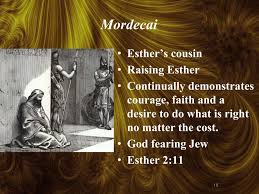





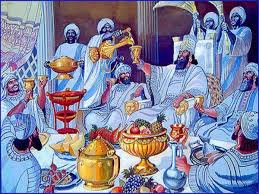

















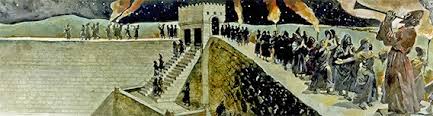



























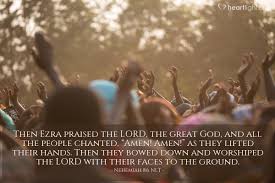





 Daily Manna (Coffee with Jesus)