

All things are new when people move to another home in a another part of town, another state or even a new country. Everything is new and different from all you knew before. We have moved a few times. Looking back upon our moving memories; we naturally developed an order to the process of moving. First of all, we learned to label the boxes according to the rooms the contents belonged. When unpacking the truck, the boxes went to their assigned rooms. But we did not begin unpacking them! That’s too overwhelming! All boxes are removed from the trucks and vans before any unpacking begins! The next thing to accomplish was typically food to nourish our tired bodies acquired from a local fast food place. After eating, the goal was to set up beds in each room for rest that night. Unlabeled boxes of last minute things went to the garage. If boxes filled the room; then the excess also went to the garage for unpacking later.
After a few days of unpacking and placing our stuff in new places; we then began to settle into our new place of residence. Then it was time to explore the area in which we have moved. Of course, we researched it, read about it, and saw pictures of the area but to see it in person and imagine ourselves as a part of it all was part of the process of “settling in.”
Now, imagine hundreds of people, their livestock and their stuff of the clans of the tribe of Judah moving into their assigned land promised by God. Caleb has been given the task to give directions to them that explains their new “digs” in detail. South, east, north and west boundaries are given with specific landmarks as guides. God does not leave anything left unsaid as He helps Judah’s family settle in.
Joshua 15
Allotment for Judah
The allotment for the tribe of Judah, according to its clans, extended down to the territory of Edom, to the Desert of Zin in the extreme south.
2 Their southern boundary started from the bay at the southern end of the Dead Sea, 3 crossed south of Scorpion Pass, continued on to Zin and went over to the south of Kadesh Barnea. Then it ran past Hezron up to Addar and curved around to Karka. 4 It then passed along to Azmon and joined the Wadi of Egypt, ending at the Mediterranean Sea. This is their southern boundary.
5 The eastern boundary is the Dead Sea as far as the mouth of the Jordan.

The northern boundary started from the bay of the sea at the mouth of the Jordan, 6 went up to Beth Hoglah and continued north of Beth Arabah to the Stone of Bohan son of Reuben. 7 The boundary then went up to Debir from the Valley of Achor and turned north to Gilgal, which faces the Pass of Adummim south of the gorge. It continued along to the waters of En Shemesh and came out at En Rogel. 8 Then it ran up the Valley of Ben Hinnom along the southern slope of the Jebusite city (that is, Jerusalem). From there it climbed to the top of the hill west of the Hinnom Valley at the northern end of the Valley of Rephaim. 9 From the hilltop the boundary headed toward the spring of the waters of Nephtoah, came out at the towns of Mount Ephron and went down toward Baalah (that is, Kiriath Jearim). 10 Then it curved westward from Baalah to Mount Seir, ran along the northern slope of Mount Jearim (that is, Kesalon), continued down to Beth Shemesh and crossed to Timnah. 11 It went to the northern slope of Ekron, turned toward Shikkeron, passed along to Mount Baalah and reached Jabneel. The boundary ended at the sea.
12 The western boundary is the coastline of the Mediterranean Sea.
These are the boundaries around the people of Judah by their clans.
13 In accordance with the Lord’s command to him, Joshua gave to Caleb son of Jephunneh a portion in Judah—Kiriath Arba, that is, Hebron. (Arba was the forefather of Anak.) 14 From Hebron Caleb drove out the three Anakites—Sheshai, Ahiman and Talmai, the sons of Anak. 15 From there he marched against the people living in Debir (formerly called Kiriath Sepher). 16 And Caleb said, “I will give my daughter Aksah in marriage to the man who attacks and captures Kiriath Sepher.” 17 Othniel son of Kenaz, Caleb’s brother, took it; so Caleb gave his daughter Aksah to him in marriage.

18 One day when she came to Othniel, she urged him to ask her father for a field. When she got off her donkey, Caleb asked her, “What can I do for you?”
19 She replied, “Do me a special favor. Since you have given me land in the Negev, give me also springs of water.” So Caleb gave her the upper and lower springs.
20 This is the inheritance of the tribe of Judah, according to its clans:
21 The southernmost towns of the tribe of Judah in the Negev toward the boundary of Edom were:
Kabzeel, Eder, Jagur, 22 Kinah, Dimonah, Adadah, 23 Kedesh, Hazor, Ithnan, 24 Ziph, Telem, Bealoth, 25 Hazor Hadattah, Kerioth Hezron (that is, Hazor), 26 Amam, Shema, Moladah, 27 Hazar Gaddah, Heshmon, Beth Pelet, 28 Hazar Shual, Beersheba, Biziothiah, 29 Baalah, Iyim, Ezem, 30 Eltolad, Kesil, Hormah, 31 Ziklag, Madmannah, Sansannah, 32 Lebaoth, Shilhim, Ain and Rimmon—a total of twenty-nine towns and their villages.
33 In the western foothills:
Eshtaol, Zorah, Ashnah, 34 Zanoah, En Gannim, Tappuah, Enam, 35 Jarmuth, Adullam, Sokoh, Azekah, 36 Shaaraim, Adithaim and Gederah (or Gederothaim)[c]—fourteen towns and their villages.
37 Zenan, Hadashah, Migdal Gad, 38 Dilean, Mizpah, Joktheel, 39 Lachish, Bozkath, Eglon, 40 Kabbon, Lahmas, Kitlish, 41 Gederoth, Beth Dagon, Naamah and Makkedah—sixteen towns and their villages.
42 Libnah, Ether, Ashan, 43 Iphtah, Ashnah, Nezib, 44 Keilah, Akzib and Mareshah—nine towns and their villages.
45 Ekron, with its surrounding settlements and villages; 46 west of Ekron, all that were in the vicinity of Ashdod, together with their villages; 47 Ashdod, its surrounding settlements and villages; and Gaza, its settlements and villages, as far as the Wadi of Egypt and the coastline of the Mediterranean Sea.
48 In the hill country:
Shamir, Jattir, Sokoh, 49 Dannah, Kiriath Sannah (that is, Debir), 50 Anab, Eshtemoh, Anim, 51 Goshen, Holon and Giloh—eleven towns and their villages.
52 Arab, Dumah, Eshan, 53 Janim, Beth Tappuah, Aphekah, 54 Humtah, Kiriath Arba (that is, Hebron) and Zior—nine towns and their villages.
55 Maon, Carmel, Ziph, Juttah, 56 Jezreel, Jokdeam, Zanoah, 57 Kain, Gibeah and Timnah—ten towns and their villages.
58 Halhul, Beth Zur, Gedor, 59 Maarath, Beth Anoth and Eltekon—six towns and their villages.[d]
60 Kiriath Baal (that is, Kiriath Jearim) and Rabbah—two towns and their villages.
61 In the wilderness:
Beth Arabah, Middin, Sekakah, 62 Nibshan, the City of Salt and En Gedi—six towns and their villages.
63 Judah could not dislodge the Jebusites, who were living in Jerusalem; to this day the Jebusites live there with the people of Judah.

WHAT DO WE LEARN—HOW DO WE RESPOND?
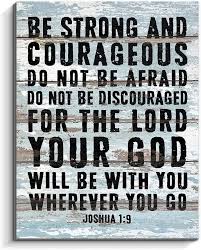
“When God leads you to it; He’ll lead you through it all.” What this often quoted phrase means is that there is purpose in all God’s directions to us. We begin to realize that purpose as we step forward to listen, trust, and obey what He says—in all the details—leaving “nothing left undone.” (Joshua 11)
The inheritance of the rest of the tribe of Judah is described in great detail. Jerusalem is part of the package but it is inhabited by the Jebusites, a group that will not leave nor be driven out. We will learn later, that they would hold it temporarily (Judges 1:8), and then King David would capture it permanently and make it the capital city (2 Samuel 5:6–10). Jesus will come from the hereditary line of David and be born in Bethlehem, now called Ephrathah, (verse 59) near Jerusalem. Sometimes “settling in” requires more time (maybe decades and centuries more) with great effort! Does God give up? Oh, no! God will prevail with His mission to save the world through Jesus, His Son. Judah is where it will all come together and be fulfilled.
Pause to reflect. I am—prayerfully.
Are you in a time of settling in to a new situation or circumstance, good or challenging? Who do you look to for help in the process? Who gives you “order” with the ways to accomplish the tasks involved with settling in? Was or is the move God-led? How will God use this move for my good and His glory?
Later, does settling in become too settled? In other words is our quest to get settled into a new normal trump our dependance on God with expectant readiness asking, “What’s next, Papa?” Settling comes with a warning label: What do we “settle” for in our daily lives as we become comfortable versus what God wants to do in and through us still—things He planned long ago for us—things to give us hope and future—things not to harm us but to help us be totally dependent on Him for our good and His glory!
Don’t become too settled; this world is not our final home!

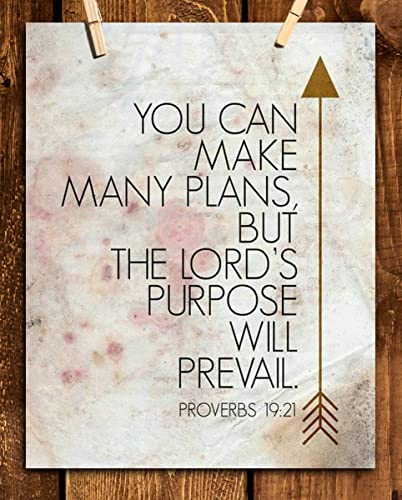
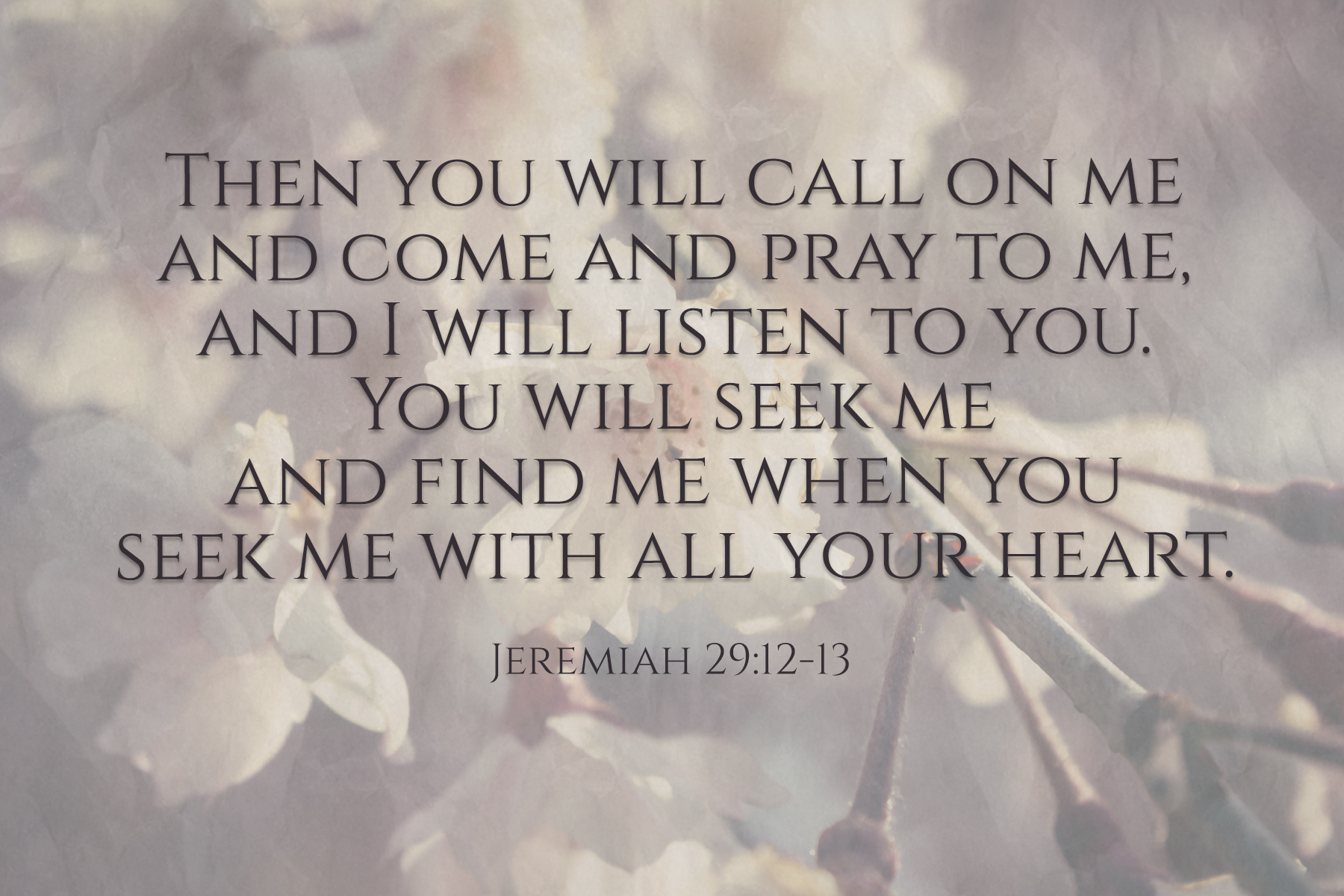
“For I know the plans I have for you,” declares the Lord, “plans to prosper you and not to harm you, plans to give you hope and a future.” Jeremiah 29:11 This powerful verse, quoted by the world, is taken out of context often and most do not realize the depth of God’s love being expressed between the lines. Max Lucado helps us to go deeper and writes of the majesty of God’s “plans” for us;
“God is doing in our generation what he did in ancient Egypt: redeeming a remnant of people. In his final book God reiterates his vision: “A great multitude that no one could count, from every nation, tribe, people, and language, standing before the throne and before the Lamb. They were wearing white robes and were holding palm branches in their hands. And they cried out in a loud voice: ‘Salvation belongs to our God, who sits on the throne, and to the Lamb’” (Revelation 7:9–10).
This dream drives the heart of God. His purpose from all eternity is to prepare a family to indwell the kingdom of God. “ ‘I know the plans I have for you,’ declares the LORD, ‘plans to prosper you and not to harm you, plans to give you hope and a future’ ” (Jeremiah 29:11, emphasis added). Oh, the beauty of the thrice-repeated word plans. God is plotting for our good. In all the setbacks and slipups, he is ordaining the best for our future. Every event of our days is designed to draw us toward our God and our destiny.
To the degree that we believe and accept his vision for our lives, we will get through life. When people junk us into the pit, we will stand up. God can use this for good. When family members sell us out, we will climb to our feet. God will recycle this pain. Falsely accused? Wrongly imprisoned? Utterly abandoned? We may stumble, but we do not fall. Why? God “works out everything in conformity with the purpose of his will” (Ephesians 1:11). Everything means everything. No exceptions. Everything in your life is leading to a climactic moment in which Jesus will “reconcile to himself all things, whether things on earth or things in heaven, by making peace through his blood, shed on the cross” (Colossians 1:20).
At the right time, in God’s timing, you will be taken home to Canaan, our promised home of eternal life. But till then, stay close to your Brother.” Lucado, Encouraging Word Bible
Love God. Love Each Other. All of God’s commands hang on these two. —Jesus

Lord,
Thank you, thank you, thank you for leading our thoughts to a deeper understanding of your love, purpose, and plan for us. I will meditate on your words all day long.
In Jesus Name, Amen

 Daily Manna (Coffee with Jesus)