

When godly men and women begin the journey from earth to heaven, family and friends who know them well pick up on the wisdom of their “last words.” They may not realize it at the time the words are said but they will remember later, when they are gone from this life. I still cling to the legacy of words said by my grandparents and parents as “last words of wisdom.” The thoughts, words, and actions in the final days carry meaning and significance for those also waiting with expectant hope for life eternal with God who sent His Son to save us and clear the path to God. What will be our final words, have we ever thought about it? Do our lives reflect the glory of God in us? Are our words of praise and thanks to God for all he has done in and through us in all circumstances? What if we are taken from earth to heaven suddenly, was our faith obvious by our testimony and behavior? Do our loved ones know with whom we stand firm in faith? Will they know who God is by what we say and how we love? Pondering.
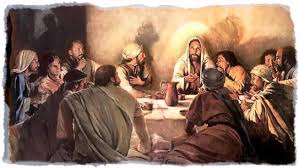
Our last words might be said today or tomorrow, or next week; we do not know the time and place. What we do know is what we think, say, and do will be remembered by those left behind to carry on in their journeys of faith. Will our words be about the division of our stuff or will our utterances be to declare the glory and majesty of the God who owns it all, is in all, because He created all—and He loves all. He helps all who love Him back decidedly and committedly. Will our last words tell our loved ones to seek a relationship with God because of all the relationships we will have on earth, an intimate, loving relationship with God is the most important one of all?! God’s Son, Jesus, provided this relationship through sacrifice because of God’s love for us. To God be the glory, honor, and praise forever and ever, Amen! Thank you, Father, thank you Jesus, and thank you Holy Spirit! Go tell it on the mountain, in the valley, at the workplace, in your church, among friends but most of all, tell your family.
At least seventy-three of the psalms in the book of Psalms are assigned to David, but his last one is found only here in 2 Samuel 23. The phrase “the last words of David” means “his last inspired written words from the Lord.” The psalm may have been written during the closing days of David’s life. Since the theme of the psalm is godly leadership, he may have written it especially for Solomon, but it has much to say to all of God’s people today. One who knows the Lord well, speaks His words. It is well with David’s soul. Is it well with our souls today?
2 Samuel 23
David’s Last Words
These are the last words of David:

“The inspired utterance of David son of Jesse,
the utterance of the man exalted by the Most High,
the man anointed by the God of Jacob,
the hero of Israel’s songs:
2 “The Spirit of the Lord spoke through me;
his word was on my tongue.
3 The God of Israel spoke,
the Rock of Israel said to me:
‘When one rules over people in righteousness,
when he rules in the fear of God,
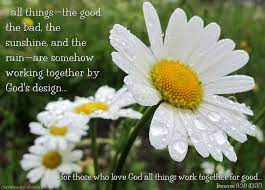
4 he is like the light of morning at sunrise
on a cloudless morning,
like the brightness after rain
that brings grass from the earth.’
5 “If my house were not right with God,
surely he would not have made with me an everlasting covenant,
arranged and secured in every part;
surely he would not bring to fruition my salvation
and grant me my every desire.
6 But evil men are all to be cast aside like thorns,
which are not gathered with the hand.
7 Whoever touches thorns
uses a tool of iron or the shaft of a spear;
they are burned up where they lie.”
David’s Mighty Warriors
8 These are the names of David’s mighty warriors:
Josheb-Basshebeth, a Tahkemonite, was chief of the Three; he raised his spear against eight hundred men, whom he killed in one encounter.
9 Next to him was Eleazar son of Dodai the Ahohite. As one of the three mighty warriors, he was with David when they taunted the Philistines gathered at Pas Dammim for battle. Then the Israelites retreated, 10 but Eleazar stood his ground and struck down the Philistines till his hand grew tired and froze to the sword. The Lord brought about a great victory that day. The troops returned to Eleazar, but only to strip the dead.

11 Next to him was Shammah son of Agee the Hararite. When the Philistines banded together at a place where there was a field full of lentils, Israel’s troops fled from them. 12 But Shammah took his stand in the middle of the field. He defended it and struck the Philistines down, and the Lord brought about a great victory.
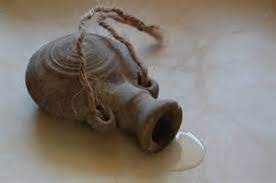
13 During harvest time, three of the thirty chief warriors came down to David at the cave of Adullam, while a band of Philistines was encamped in the Valley of Rephaim. 14 At that time David was in the stronghold, and the Philistine garrison was at Bethlehem. 15 David longed for water and said, “Oh, that someone would get me a drink of water from the well near the gate of Bethlehem!” 16 So the three mighty warriors broke through the Philistine lines, drew water from the well near the gate of Bethlehem and carried it back to David. But he refused to drink it; instead, he poured it out before the Lord. 17 “Far be it from me, Lord, to do this!” he said. “Is it not the blood of men who went at the risk of their lives?” And David would not drink it.
Such were the exploits of the three mighty warriors.
18 Abishai the brother of Joab son of Zeruiah was chief of the Three. He raised his spear against three hundred men, whom he killed, and so he became as famous as the Three. 19 Was he not held in greater honor than the Three? He became their commander, even though he was not included among them.
20 Benaiah son of Jehoiada, a valiant fighter from Kabzeel, performed great exploits. He struck down Moab’s two mightiest warriors. He also went down into a pit on a snowy day and killed a lion. 21 And he struck down a huge Egyptian. Although the Egyptian had a spear in his hand, Benaiah went against him with a club. He snatched the spear from the Egyptian’s hand and killed him with his own spear. 22 Such were the exploits of Benaiah son of Jehoiada; he too was as famous as the three mighty warriors. 23 He was held in greater honor than any of the Thirty, but he was not included among the Three. And David put him in charge of his bodyguard.
24 Among the Thirty were:
Asahel the brother of Joab, Elhanan son of Dodo from Bethlehem, 25 Shammah the Harodite, Elika the Harodite, 26 Helez the Paltite,Ira son of Ikkesh from Tekoa, 27 Abiezer from Anathoth,Sibbekai[f] the Hushathite, 28 Zalmon the Ahohite,Maharai the Netophathite, 29 Heledson of Baanah the Netophathite,Ithai son of Ribai from Gibeah in Benjamin, 30 Benaiah the Pirathonite,Hiddaifrom the ravines of Gaash, 31 Abi-Albon the Arbathite,Azmaveth the Barhumite, 32 Eliahba the Shaalbonite, the sons of Jashen,Jonathan 33 son of Shammah the Hararite,Ahiam son of Sharar the Hararite, 34 Eliphelet son of Ahasbai the Maakathite,Eliam son of Ahithophel the Gilonite, 35 Hezro the Carmelite,Paarai the Arbite, 36 Igal son of Nathan from Zobah,the son of Hagri, 37 Zelek the Ammonite,Naharai the Beerothite, the armor-bearer of Joab son of Zeruiah, 38 Ira the Ithrite,Gareb the Ithrite 39 and Uriah the Hittite.There were thirty-seven in all.
WHAT DO WE LEARN—HOW DO WE RESPOND?
Here’s a thought; what would be our last psalm/song to God as a witness of Him to others that would form our legacy of faith? I’m going to work on that as I meditate on David’s last words. I challenge you, dear friends, to do the same! May God’s words from within us.
For words to flow freely; we learn from David that we must first seek God with a desire to know Him, run after God with desire to be near Him and be still before God to inquire of Him before doing anything of significance for Him. This pursuit, longing, and love of God is what it takes to have the heart of God growing within us. Only then will His Song penetrate our hearts and become a part of us.
David’s life is bonus lesson for leaders:
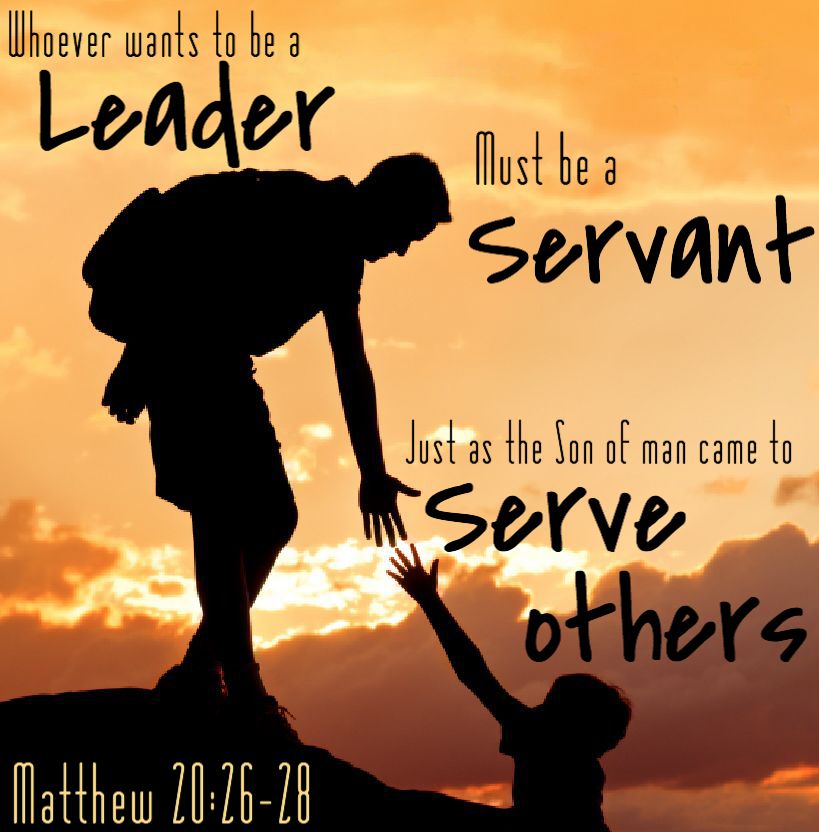
“God empowers those whom He calls, and He anointed David with His Spirit (1 Samuel 16:12, 13). That’s why so many gifted men came to David and joined his band when he was in the wilderness. To be an effective leader and to be able to recruit and train other leaders takes more than talent and training. Jesus reminded His disciples, “without Me you can do nothing” (John 15:5). Religious leaders who follow the principles of what the world calls “success” rarely accomplish anything permanent that glorifies God. “But he who does the will of God abides forever” (1 John 2:17). To be educated by human beings is good, but to be called, trained, and raised up by the Lord is so much more important.” –Warren Wiersbe, Wiersbe Study Bible Commentary
Without righteousness and the fear and awe of God, a leader becomes a dictator and abuses God’s people, driving them like cattle instead of leading them like sheep. David was a shepherd first and became a ruler who served and a servant who ruled, and he had the welfare of his people on his heart. What a delight it is to follow a spiritual leader who brings out the best in us and helps us produce fruit for the glory of God!
Awe of God was a constant for David—
Whatever God put in David’s hands He used to honor God and help God’s people—sling, sword, harp, scepter, and even a cup of water. When David looked into the cup, he didn’t see water; he saw the blood of the three men who had risked their lives for him. (Verses 15-17) David turned the cave into a Temple of worship to God as he gave honor to his men. All leaders need to follow David’s example and let their followers know how much they appreciate them and the sacrifices they make.
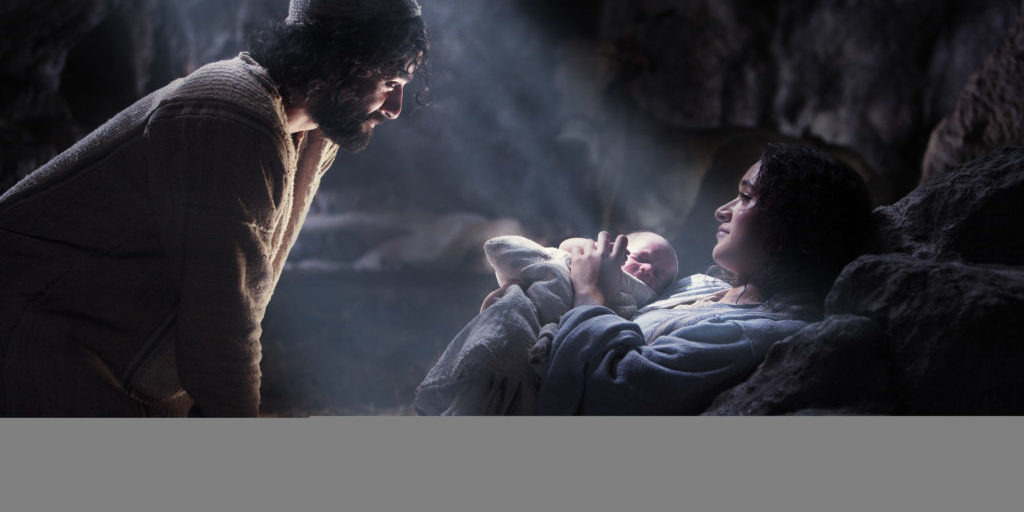
Beyond David’s legacy of faith, God will choose two of David’s descendants who were also devoted to God. The virgin Mary espoused to Joseph, both from the line of David were chosen to carry the embryo the Son of God within her and then with the help of Joseph, deliver Him as the Son of Man. This took place in another cave in Bethlehem centuries later. Jesus, the One promised by God through His prophets truly came as God in the flesh to seek and to save the lost, “setting the captives to sin free.” Jesus told of the establishment of the new Kingdom of God that would reverse and revolutionize the thinking of mankind forever! But it took sacrifice on His part to do this.
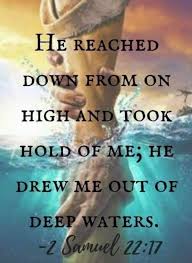
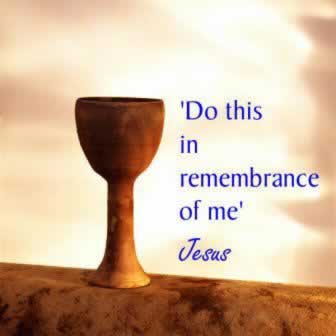
Jesus gave himself as a sacrifice for us. He was the drink offering poured out for us! (See Psalm 22:14; Isaah 53:12). Paul used the image of the drink offering to describe his own dedication to the Lord (Philippians 2:17; 2 Timothy 4:6). Pouring out a drink offering or giving help to others may seem like small gestures at first; but doing small things because we love Christ turns them into great things. According to Jesus, whenever we show love and kindness to others and seek to meet their needs, we give Him a cup of cold water (Matthew 25:34–40).
Are we willing to be poured out for others? Pause to pray.
Lord,
Thank you for the lessons from the life of David that bring us to our knees in awe of you. Cleanse our hearts, renew our minds, refresh our souls with your tender mercies fresh each morning. Restore the joy of your salvation consistently at work within us to make us more like you and less like the world. “Let the morning bring word of your unfailing love for I put all my trust in you.” May what I pour out today be pleasing to you and helpful to others.
In Jesus Name, Amen

 Daily Manna (Coffee with Jesus)