

As a child growing up in a small church community outside of Oklahoma City, I was amazed at all the people who would come and talk with my grandpa. Of course, I wasn’t privy to the talk; but I observed the peace and resolve after the conversations. All who came to Grandpa trusted his wisdom and help to solve their current problems that perplexed them. Grandpa would always stop whatever he was doing to listen. After listening, he would then respond slowly and carefully. Most people called him Uncle Jesse, which confused me as child thinking the everyone was related to me; but this was a term of endearment for those who sought his wisdom and help in crisis.

Grandpa Lacquement would deliver loving advice from God’s perspective because He knew and loved God personally and dearly. He was a man who praised God in the morning while feeding stock on his farm before going to his job as a carpenter. In the evening, Grandpa and Grandma took turns reading God’s Word out loud before talking over what it meant for them—and for whoever was spending the night. After the study, we would automatically get on our knees in front of the couch or chair and pray, asking God to forgive, help, and guide us in His ways. This nightly habit before God explained why people without this habit came to him for help. I got it then, even as a young child. Above all, I praise God for being a witness to his life of faith! He led me to know all who believe are children of the God our Father who created us in his own image and saved us from our sins by sending His Son, Jesus to pay our debt. We are a product of God’s everlasting love, wonderful mercy, and unending grace. Wisdom is knowing God and listening to what He says with trust and obedience. Grandpa’s favorite song to lead was “Trust and Obey.”
1 Kings 10
The Queen of Sheba Visits Solomon
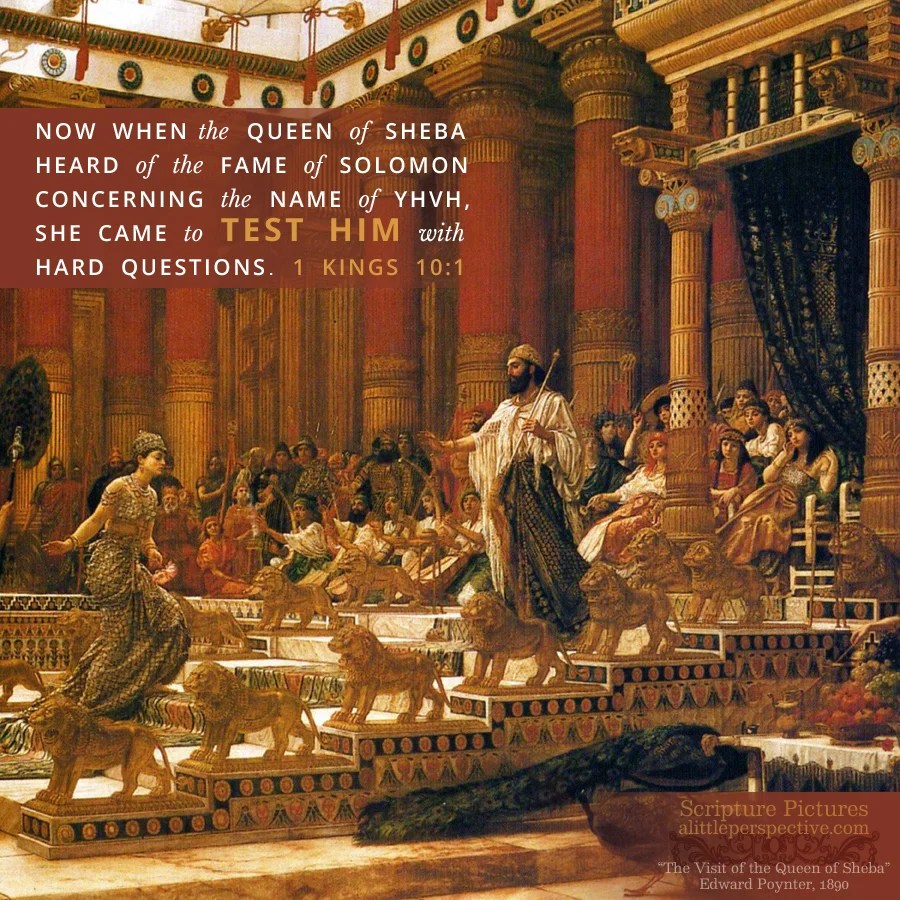
When the queen of Sheba heard about the fame of Solomon and his relationship to the Lord, she came to test Solomon with hard questions. 2 Arriving at Jerusalem with a very great caravan—with camels carrying spices, large quantities of gold, and precious stones—she came to Solomon and talked with him about all that she had on her mind. 3 Solomon answered all her questions; nothing was too hard for the king to explain to her. 4 When the queen of Sheba saw all the wisdom of Solomon and the palace he had built, 5 the food on his table, the seating of his officials, the attending servants in their robes, his cupbearers, and the burnt offerings he made at the temple of the Lord, she was overwhelmed.
6 She said to the king, “The report I heard in my own country about your achievements and your wisdom is true. 7 But I did not believe these things until I came and saw with my own eyes. Indeed, not even half was told me; in wisdom and wealth you have far exceeded the report I heard. 8 How happy your people must be! How happy your officials, who continually stand before you and hear your wisdom! 9 Praise be to the Lord your God, who has delighted in you and placed you on the throne of Israel. Because of the Lord’s eternal love for Israel, he has made you king to maintain justice and righteousness.”
10 And she gave the king 120 talents of gold, large quantities of spices, and precious stones. Never again were so many spices brought in as those the queen of Sheba gave to King Solomon.
11 (Hiram’s ships brought gold from Ophir; and from there they brought great cargoes of almugwood and precious stones. 12 The king used the almugwood to make supports for the temple of the Lord and for the royal palace, and to make harps and lyres for the musicians. So much almugwood has never been imported or seen since that day.)
13 King Solomon gave the queen of Sheba all she desired and asked for, besides what he had given her out of his royal bounty. Then she left and returned with her retinue to her own country.
Solomon’s Splendor

14 The weight of the gold that Solomon received yearly was 666 talents, 15 not including the revenues from merchants and traders and from all the Arabian kings and the governors of the territories.
16 King Solomon made two hundred large shields of hammered gold; six hundred shekels of gold went into each shield. 17 He also made three hundred small shields of hammered gold, with three minas of gold in each shield. The king put them in the Palace of the Forest of Lebanon.
18 Then the king made a great throne covered with ivory and overlaid with fine gold. 19 The throne had six steps, and its back had a rounded top. On both sides of the seat were armrests, with a lion standing beside each of them. 20 Twelve lions stood on the six steps, one at either end of each step. Nothing like it had ever been made for any other kingdom. 21 All King Solomon’s goblets were gold, and all the household articles in the Palace of the Forest of Lebanon were pure gold. Nothing was made of silver, because silver was considered of little value in Solomon’s days. 22 The king had a fleet of trading ships at sea along with the ships of Hiram. Once every three years it returned, carrying gold, silver and ivory, and apes and baboons.
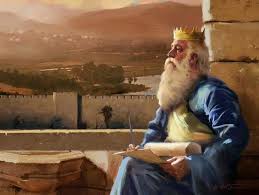
23 King Solomon was greater in riches and wisdom than all the other kings of the earth. 24 The whole world sought audience with Solomon to hear the wisdom God had put in his heart. 25 Year after year, everyone who came brought a gift—articles of silver and gold, robes, weapons and spices, and horses and mules.
26 Solomon accumulated chariots and horses; he had fourteen hundred chariots and twelve thousand horses, which he kept in the chariot cities and also with him in Jerusalem. 27 The king made silver as common in Jerusalem as stones, and cedar as plentiful as sycamore-fig trees in the foothills. 28 Solomon’s horses were imported from Egypt and from Kue—the royal merchants purchased them from Kue at the current price. 29 They imported a chariot from Egypt for six hundred shekels of silver, and a horse for a hundred and fifty. They also exported them to all the kings of the Hittites and of the Arameans.
WHAT DO WE LEARN—HOW DO WE RESPOND?
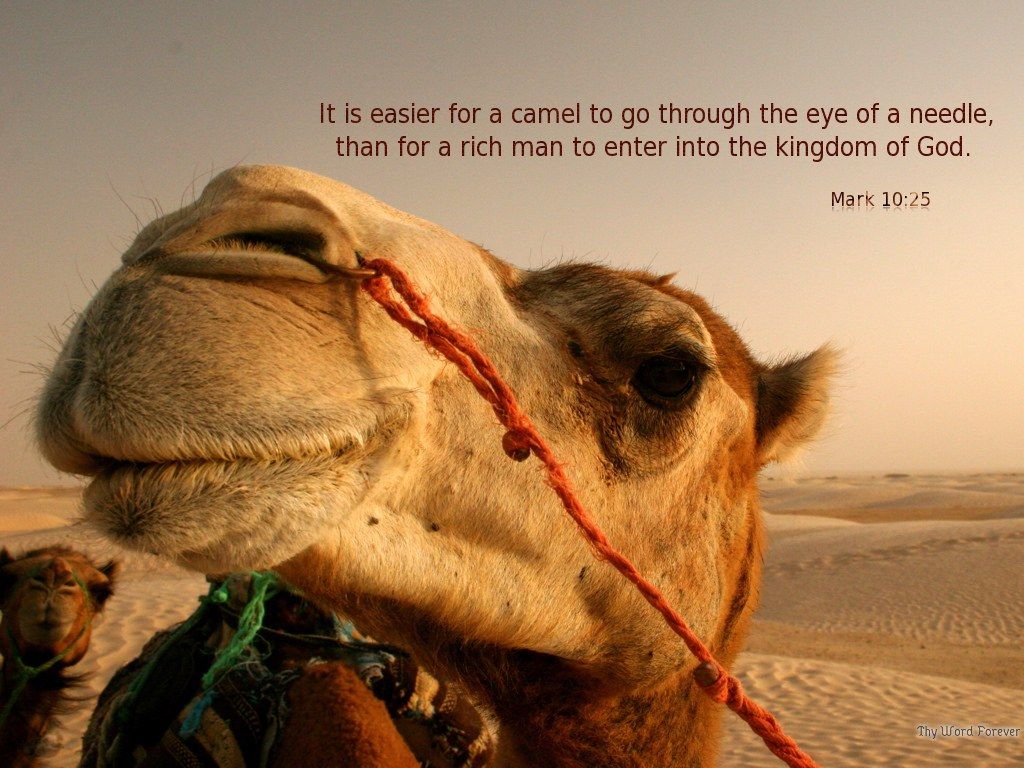
The Enemy of God tempts us to automatically assume that those with great wealth are automatically those with great wisdom. But that is not always true. When you read the backstories of some of the wealthiest people in the world, we find that manipulations, cheating, and cunning may have led them to amass great wealth but lack of real wisdom later led to losing it all. Or great wealth might have been handed down from hard working parents to kids who hadn’t learned what it meant to build and grow wealth using trusted advisors along with skills to continue growing the “company”. If parents were too busy to teach these skills then most led to inner family struggles, fights over the wealth accumulated, with manipulations of selfish grabbing for what remains after death. Is this real wealth? Is this why Jesus related the word picture of a camel trying to go through the eye of a needle?
Matthew (19:24) and Mark (10:25), and Luke (18:25), record these words of Jesus; “It is easier for a camel to go through the eye of a needle than for a rich person to enter the Kingdom of God”. This is a powerful simile emphasizing the extreme difficulty, not impossibility, for someone who is self-reliant due to wealth to humble themselves and let God be their priority. God owns all we have been given to manage. When we turn from God, we turn from His wisdom to steward well.
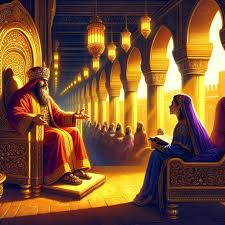
Real wisdom, Godly wisdom draws the attention of those seeking answers. The queen of Sheba heard of Solomon’s wisdom and came to see if the reports were true and she was highly impressed, not only with Solomon’s wisdom but his wealth! However, toward the end of his life, Solomon’s many wives influenced him to turn away from God. Solomon had been given great wisdom and wealth from God, but instead of responsibly using those gifts in obedience to God, the king allowed himself to be influenced by others.
We, as followers of Jesus need to stand against pressure to compromise our faith and what we know to be true. Wealth is not the problem; what we with wealth can decides who we are and who leads us. Does our wealth have us in its control or do we use what has been give to us in pleasing God? We need to use all that God gives us for His glory and for the good of His created. Anything less turns wealth into an idol of worship.
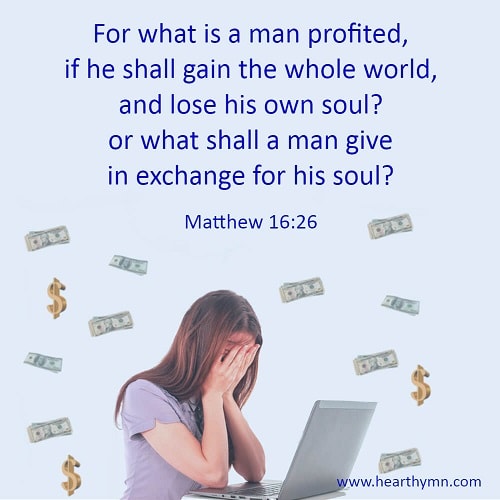
Wealth is not the determiner to salvation in Jesus. Wealth does not buy His love, mercy, and grace. It is not how much but how we use what has been given to us. What responsibilities have we been given to serve God? In what areas are we vulnerable to the influence of others? Pause to pray, asking God for His wisdom and help to stand against influences in the world who stand against Him.
In the world of King Solomon, especially to the Israelite people, he became a model of wealth and splendor, and no doubt many envied him. But Jesus said that one of the Father’s lilies was more beautifully adorned than Solomon in all his glory (Matthew 6:28–30). “Incorruptible beauty [is] of a gentle and quiet spirit” (1 Pet. 3:4). The more we must add to our possessions before people will admire us, the less true wealth and beauty we really have. Mm, something to think about, right? What is our heart’s motivation?
Lord,
Thank you for reminding us that wealth and the accumulation of wealth does not impress you as much as a surrendered heart to you. You own it all! So, cleanse our hearts, renew our minds, and refresh our souls with your Kingdom thinking. Restore the joy and peace of your salvation at work within us. Lead us in all we think, say, and do in Your Name for Your glory!
In Jesus Name, we pray for your wisdom, Amen

 Daily Manna (Coffee with Jesus)