
What is in a name placed upon an infant at birth? Plenty! It is interesting how many people will go to the Bible to find a name for their soon to be born child. Believers in God and follow in His ways look for names that hold special meaning. They look for people who trusted and obeyed God. Names are associated with stories in God’s Word. Names are who God created, molded, and shaped to give meaning to the lives of others while giving glory to His Name!

Names are significant and easily recognized by all the world as names of strength, power, and wisdom. Adam, for example, means “first man” created. Eve means the first female. What human wouldn’t want to be an Adam or an Eve and be considered important simply because their names mean “first”? How about being named Samson whose name is synonymous with great strength? How about Mary whose name means purity, the one who delivered our Lord? Or a Moses who was a Friend of God, Joshua a man of God who relied on God for courage and strength? How about a David (most common name along with John in our family), “a man after the heart of God”? John, a fisherman, called himself the “beloved” disciple of Jesus even though all Jesus’ disciples and followers were His beloved—even Judas who betrayed him. Not very many people name their children Judas! (Or Benedict Arnold, another traitor in history!)
Throughout history names are important and have meaning to those who named them. God name His Son, Jesus. Everyone may not know Jesus personally but most have heard of His Name! In fact, God named quite a few of His people, who He would use to declare His glory and help people reconnect with Him! Remember the aging Abraham and Sarah, and much later Zechariah and Elizabeth? These parents would find out from God that they were miraculously “with child.” God told aging Zecharaiah, that they would have a child who would “prepare the way of the Lord, and his name was to be John. Mary, mother of Jesus, was Elizabeth’s cousin. They would console, comfort, and encourage each other as they praised God together over the birth of their sons, John and Jesus! God is such a good God who provides and protects those He has called—by Name!

Yes, names are important and hold special meaning. How amazing are these names in the Bible when we fully realize that these humans are real people with true stories of God’s strength, wisdom, power, redemption, restoration, peace, joy within them—all because of His unending, relentless, unconditional love and faithfulness for all who believe, love, and follow Him.
We are created by God in His own image. He knows us by name! Don’t ever forget that!
1 Chronicles 5
Reuben
The sons of Reuben the firstborn of Israel (he was the firstborn, but when he defiled his father’s marriage bed, his rights as firstborn were given to the sons of Joseph son of Israel; so he could not be listed in the genealogical record in accordance with his birthright, 2 and though Judah was the strongest of his brothers and a ruler came from him, the rights of the firstborn belonged to Joseph)— 3 the sons of Reuben the firstborn of Israel: Hanok, Pallu, Hezron and Karmi.
4 The descendants of Joel:Shemaiah his son, Gog his son, Shimei his son, 5 Micah his son, Reaiah his son, Baal his son, 6 and Beerah his son, whom Tiglath-Pileser king of Assyria took into exile. Beerah was a leader of the Reubenites. 7 Their relatives by clans, listed according to their genealogical records:
Jeiel the chief, Zechariah, 8 and Bela son of Azaz, the son of Shema, the son of Joel. They settled in the area from Aroer to Nebo and Baal Meon. 9 To the east they occupied the land up to the edge of the desert that extends to the Euphrates River, because their livestock had increased in Gilead. 10 During Saul’s reign they waged war against the Hagrites, who were defeated at their hands; they occupied the dwellings of the Hagrites throughout the entire region east of Gilead.
Gad
11 The Gadites lived next to them in Bashan, as far as Salekah: 12 Joel was the chief, Shapham the second, then Janai and Shaphat, in Bashan.
13 Their relatives, by families, were: Michael, Meshullam, Sheba, Jorai, Jakan, Zia and Eber—seven in all. 14 These were the sons of Abihail son of Huri, the son of Jaroah, the son of Gilead, the son of Michael, the son of Jeshishai, the son of Jahdo, the son of Buz. 15 Ahi son of Abdiel, the son of Guni, was head of their family.
16 The Gadites lived in Gilead, in Bashan and its outlying villages, and on all the pasturelands of Sharon as far as they extended. 17 All these were entered in the genealogical records during the reigns of Jotham king of Judah and Jeroboam king of Israel.
18 The Reubenites, the Gadites and the half-tribe of Manasseh had 44,760 men ready for military service—able-bodied men who could handle shield and sword, who could use a bow, and who were trained for battle. 19 They waged war against the Hagrites, Jetur, Naphish and Nodab. 20 They were helped in fighting them, and God delivered the Hagrites and all their allies into their hands, because they cried out to him during the battle. He answered their prayers, because they trusted in him. 21 They seized the livestock of the Hagrites—fifty thousand camels, two hundred fifty thousand sheep and two thousand donkeys. They also took one hundred thousand people captive, 22 and many others fell slain, because the battle was God’s. And they occupied the land until the exile.
The Half-Tribe of Manasseh
23 The people of the half-tribe of Manasseh were numerous; they settled in the land from Bashan to Baal Hermon, that is, to Senir (Mount Hermon).
24 These were the heads of their families: Epher, Ishi, Eliel, Azriel, Jeremiah, Hodaviah and Jahdiel. They were brave warriors, famous men, and heads of their families. 25 But they were unfaithful to the God of their ancestors and prostituted themselves to the gods of the peoples of the land, whom God had destroyed before them. 26 So the God of Israel stirred up the spirit of Pul king of Assyria (that is, Tiglath-Pileser king of Assyria), who took the Reubenites, the Gadites and the half-tribe of Manasseh into exile. He took them to Halah, Habor, Hara and the river of Gozan, where they are to this day.
WHAT DO WE LEARN—HOW DO WE RESPOND?
An individual’s lineage was very important in Bible times. A person’s tribe determined where that person would live or what occupation he or she would pursue (for example, Levites served in the temple). Prophecies stated that the Messiah would come from the line of David. Though careful records were kept, the genealogical listings in 1 Chronicles were considered a condensed version, with certain names, lines, and generations omitted. Rather than merely listing names, several times the genealogy reveals glimpses into individuals’ lives. Jabez, for instant, whose name meant “pain” cried out to God and asked not to cause pain to others but to be blessed by God; God granted his request! (1 Chronicles 4:9-10). This is what we look for among those listed! In the “chronicled records” are mentioned small acts of faith, small deeds of kindness, and even sins committed. We learn much by these named people! Many used their years on earth to serve God!
Pause, Pray, Respond
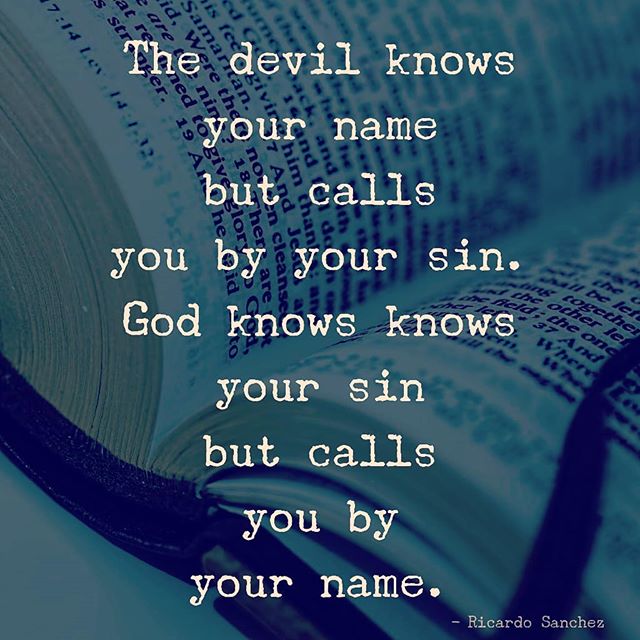
How will we be remembered? When they say our name, what will they think?
What will our names represent to succeeding generations? Faith, love, trust, and obedience to God or falling for all the Deceiver tells us to be and do?
What we truly believe will be reflected in our behaviors. Will we be known, not as perfect, but as perfectly forgiven and grateful to God?
Take all the time you need to think this over—I am.
Lord,
Thank you for give life along with names with meaning and significance. Names are important to you. But the named people are even more precious to you. The world may call us many things, but when you speak, you call us beloved. Thank you, thank you, thank you! May your glory be seen in me.
In Jesus Name, Amen

 Daily Manna (Coffee with Jesus)