
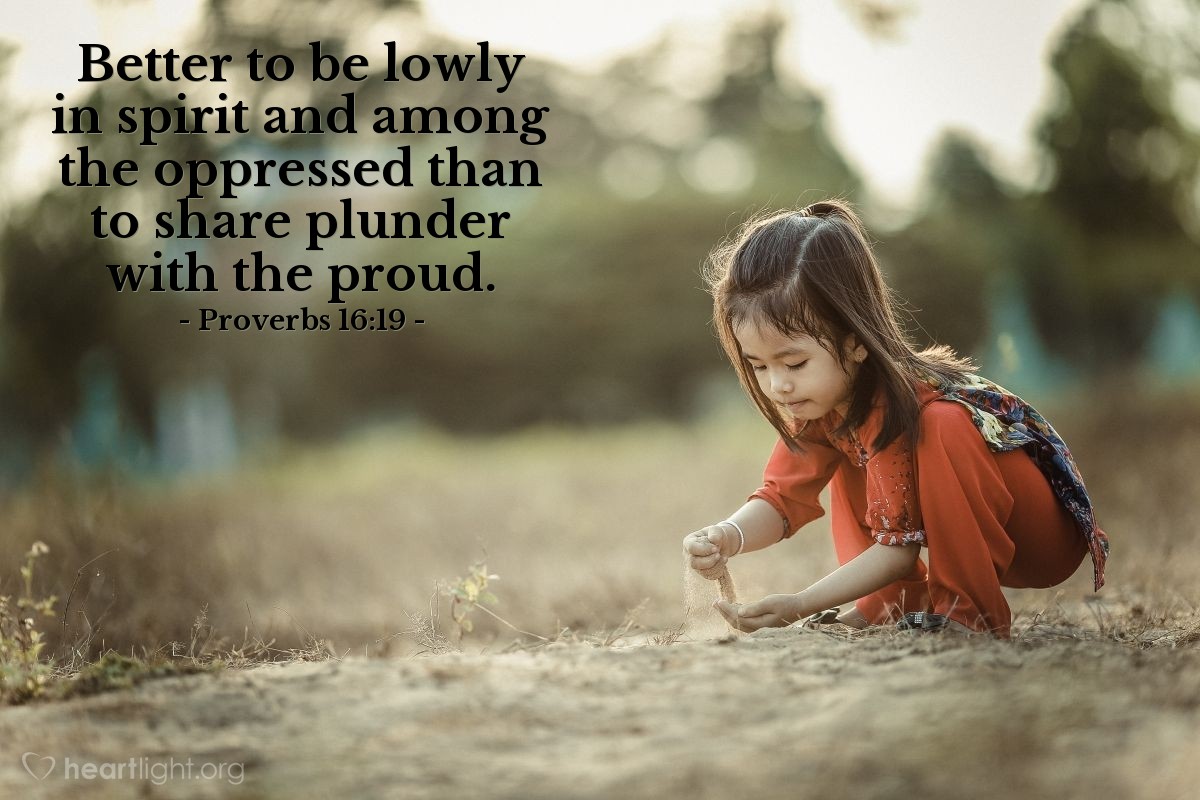
We see many humble people rise to greatness as leaders because they love God, know His ways and tell the truth. Humbled beginnings keeps their hearts in check to put others interests above their own. Humble people are trustworthy because have been where you are now—living humbly content with what you have been given to manage. They know what you are going through to survive. But relationships, character, integrity, and that once embedded humility turns sour when they forget where they came. The life of contentment, the desire to help others because of your love for them is replaced with wanting more for yourself. Pride with the side effects of envy, jealousy, and greed overcomes their being and floods their hearts, minds, and souls with wanting to be served by all who come into their presence. All that was good goes bad when self-satisfaction takes over.
The devil applauds the arrogance of once humbled people as it breaks God’s heart.
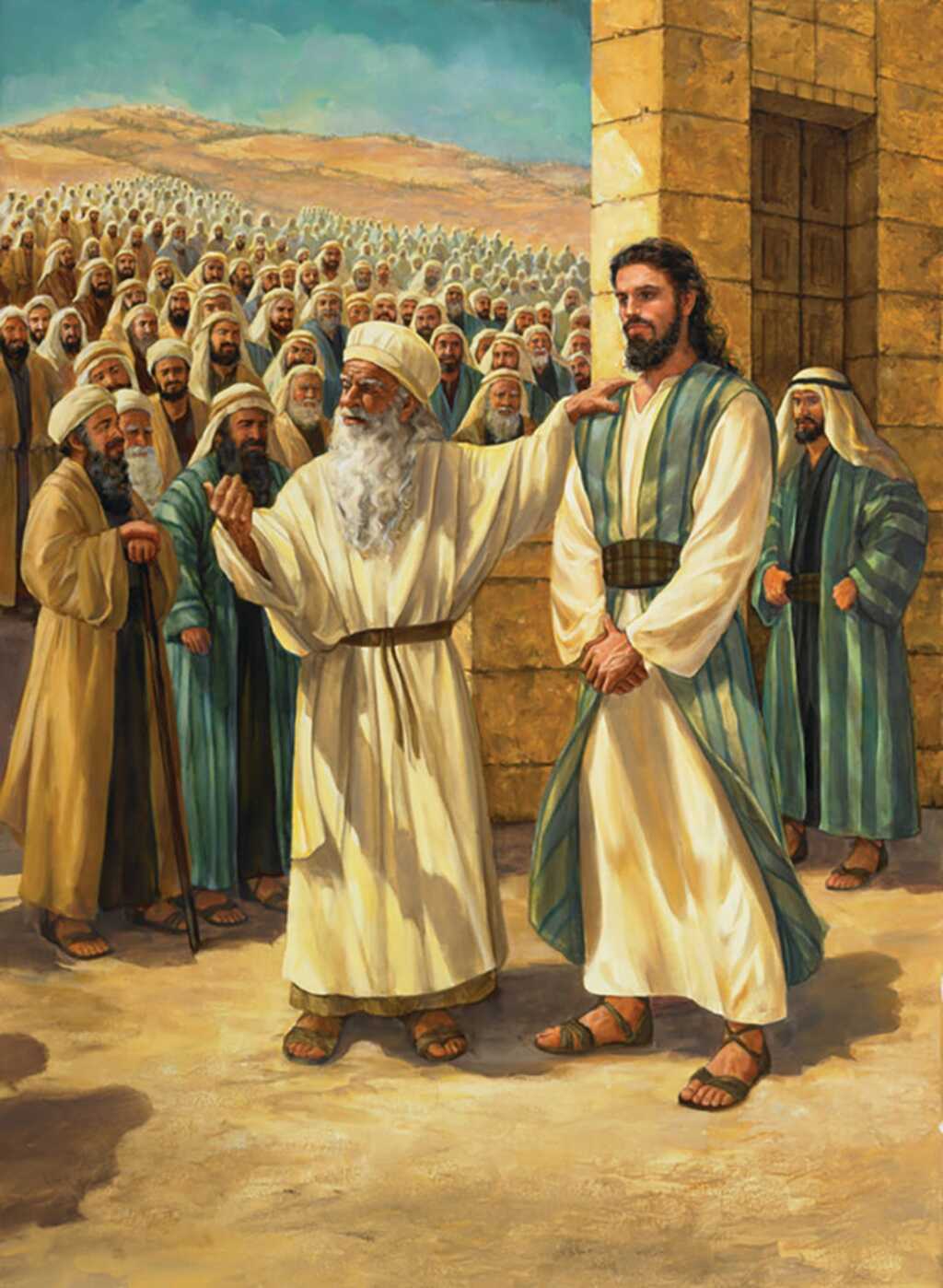
Speaking of arrogance, where did the first king of Israel come from? The lowly, last tribe mentioned of Benjamin! Benjamin was Jacob/Israel’s youngest son so his tribe is listed last. The first king of Israel, Saul, came from this tribe, so the genealogy quickly narrows to Saul’s family background. We previously read Saul’s story, his relationship with God, his arrogant disobedience of God because he wanted to be the god of the world which would lead to his demise in the book of Samuel. Here is were he came from;
1 Chronicles 8
The Genealogy of Saul the Benjamite
8 Benjamin was the father of Bela his firstborn, Ashbel the second son, Aharah the third, 2 Nohah the fourth and Rapha the fifth.
3 The sons of Bela were: Addar, Gera, Abihud, 4 Abishua, Naaman, Ahoah, 5 Gera, Shephuphan and Huram.
6 These were the descendants of Ehud, who were heads of families of those living in Geba and were deported to Manahath: 7 Naaman, Ahijah, and Gera, who deported them and who was the father of Uzza and Ahihud.
8 Sons were born to Shaharaim in Moab after he had divorced his wives Hushim and Baara. 9 By his wife Hodesh he had Jobab, Zibia, Mesha, Malkam, 10 Jeuz, Sakia and Mirmah. These were his sons, heads of families. 11 By Hushim he had Abitub and Elpaal.
12 The sons of Elpaal: Eber, Misham, Shemed (who built Ono and Lod with its surrounding villages), 13 and Beriah and Shema, who were heads of families of those living in Aijalon and who drove out the inhabitants of Gath.
14 Ahio, Shashak, Jeremoth, 15 Zebadiah, Arad, Eder, 16 Michael, Ishpah and Joha were the sons of Beriah. 17 Zebadiah, Meshullam, Hizki, Heber, 18 Ishmerai, Izliah and Jobab were the sons of Elpaal. 19 Jakim, Zikri, Zabdi, 20 Elienai, Zillethai, Eliel, 21 Adaiah, Beraiah and Shimrath were the sons of Shimei.
22 Ishpan, Eber, Eliel, 23 Abdon, Zikri, Hanan, 24 Hananiah, Elam, Anthothijah, 25 Iphdeiah and Penuel were the sons of Shashak. 26 Shamsherai, Shehariah, Athaliah, 27 Jaareshiah, Elijah and Zikri were the sons of Jeroham. 28 All these were heads of families, chiefs as listed in their genealogy, and they lived in Jerusalem.
29 Jeiel the father of Gibeon lived in Gibeon. His wife’s name was Maakah, 30 and his firstborn son was Abdon, followed by Zur, Kish, Baal, Ner, Nadab, 31 Gedor, Ahio, Zeker 32 and Mikloth, who was the father of Shimeah. They too lived near their relatives in Jerusalem.

33 Ner was the father of Kish, Kish the father of Saul, and Saul the father of Jonathan, Malki-Shua, Abinadab and Esh-Baal.
34 The son of Jonathan: Merib-Baal, (Also known as Mephibosheth), who was the father of Micah.
35 The sons of Micah: Pithon, Melek, Tarea and Ahaz.
36 Ahaz was the father of Jehoaddah, Jehoaddah was the father of Alemeth, Azmaveth and Zimri, and Zimri was the father of Moza. 37 Moza was the father of Binea; Raphah was his son, Eleasah his son and Azel his son.
38 Azel had six sons, and these were their names: Azrikam, Bokeru, Ishmael, Sheariah, Obadiah and Hanan. All these were the sons of Azel.
39 The sons of his brother Eshek: Ulam his firstborn, Jeush the second son and Eliphelet the third. 40 The sons of Ulam were brave warriors who could handle the bow. They had many sons and grandsons—150 in all.
All these were the descendants of Benjamin.
WHAT DO WE LEARN—HOW DO WE RESPOND?
Where we come from is not as important as Who we love, admire, trust, and obey.
The story of Saul is also the story of Jonathan, his son. The story of Saul’s rise to the throne and his eventual fall from God’s favor is told in 1 Samuel 9–31.
Saul’s son Jonathan is one of the most outstanding characters in the Bible. Jonathan’s friendship with David was one of the constants in David’s life until Jonathan was killed in battle alongside his father. Jonathan’s story saturates 1 Samuel 14–31 with integrity, genuine friendship, and exemplary loyalty. Having a friend like Jonathan is one of life’s greatest treasures.
Think about it—Saul came from the lowly, last tribe mentioned, with humble beginnings. We knew God and followed what He said until he didn’t. With God’s success through him as King of Israel; Saul developed a taste for being served rather than being of service to God’s people. Saul felt like he knew better than God and would not totally obey what God told him to do. Jonathan, however, born a Prince as the King’s Son had every physical need met but lived a life of integrity.
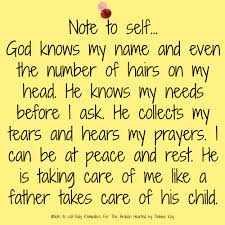
What is our response to God? Is our response based on our circumstances or our faith and commitment to God? Does it really matter where we came from? Or is it more important where we are going—with God in the lead?
Romans 12:1-2 tells us what to be first (on offering to God) and then do (God’s perfect, pleasing will) guided by God’s Holy Spirit. This is walking humbly with God—one of His requirements. “He has shown you, O man, what is good; and what does the Lord require of you? But to do justice, to love kindness, and to walk humbly with your God”. Micah 6:8. The prophet speaks God’s words so that we will know God more so we can be more like Him in His characteristics of righteous actions, compassion, with a humble relationship God. Our relationship with God will affectively govern our relationship with others whom God loves and created—all over the world!
“For God so loved the world that he gave his one and only Son, that whoever believes in him shall not perish but have eternal life. 17 For God did not send his Son into the world to condemn the world, but to save the world through him.” John 3;16-17
Remember it was God’s people who cried for a king to lead them. They wanted to be like the nations around them who did not know or trust God as God. God gave them what they asked for but allowed them to live the consequences of putting all their worship and dependence in a human king.
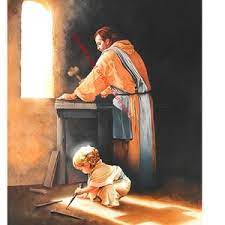
For us, only Jesus, who was without sin, sent to redeem us, is King. Jesus willingly obeyed God as he laid down His life to die for our sins. Jesus put others interests ahead of his own. He came to serve; not to be served. Jesus was born to a carpenter and his espoused wife who humbly walked with God. Jesus lived humbly and walked with God, too. He was God in flesh. Jesus met with God often, communed with God in prayer conversation, asking God for His will and direction first before doing anything of significance for others.

Jesus completed His mission on earth to seek and to save the lost while fulfilling every detail The Law by becoming the once and for all Sacrifice for the sins of the world—as written centuries earlier by God’s prophets! Jesus gave his life so we could live freely without the bondage of our sins. God gave Jesus all authority in heaven and on earth upon rising from death to life as KING of kings and LORD of lords.
Jesus is our Hope of eternal life now and forever. With God’s authority in His Son, Jesus commands (not suggests as a church activity) but commands all who believe; “…go and make disciples of all nations, baptizing them in the name of the Father and of the Son and of the Holy Spirit, and teaching them to obey everything I have commanded you.”
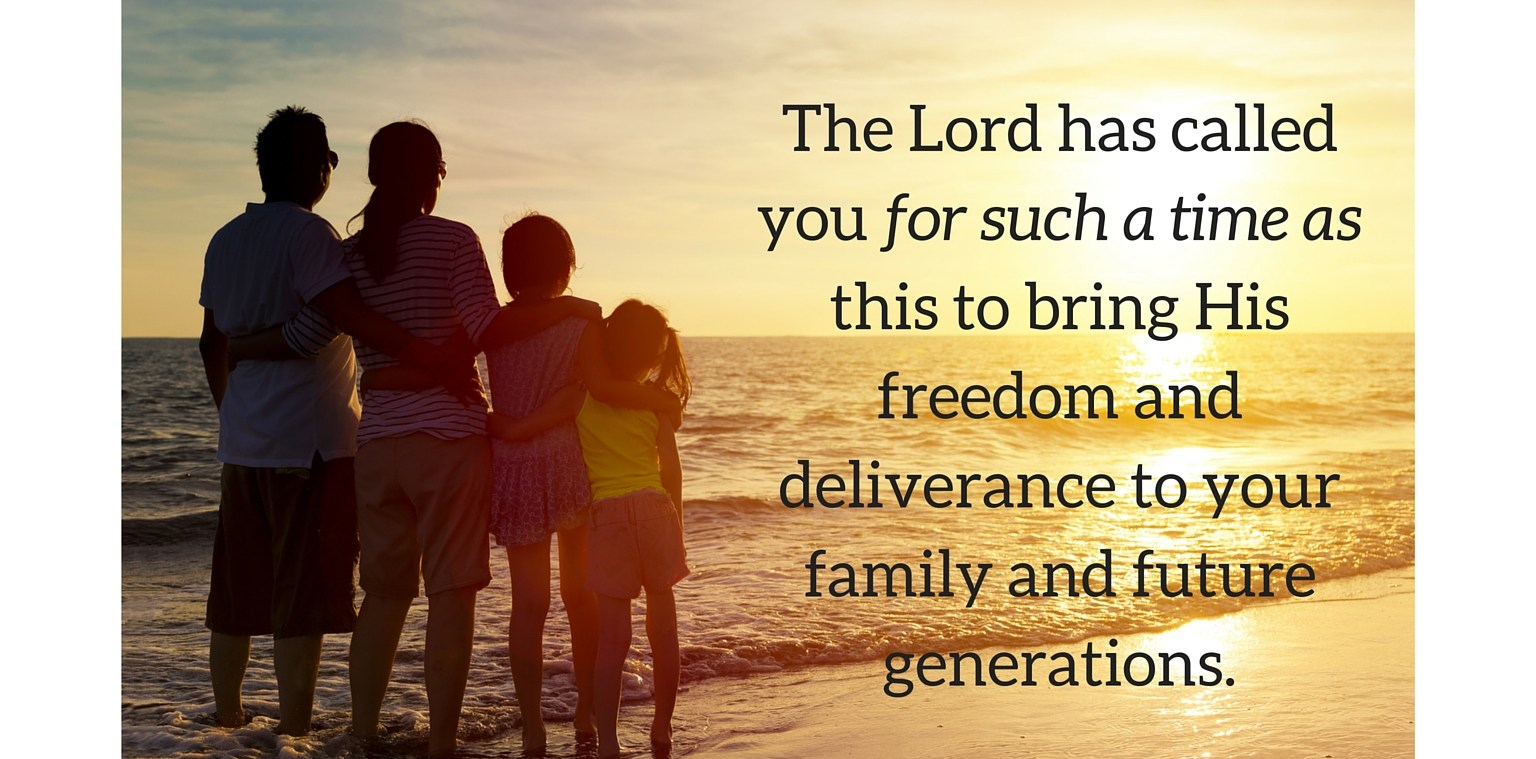
Jesus gives this command with a promise: “And surely I am with you always, to the very end of the age.” We can count on this blessed assurance! God’s Holy Spirit who lives in us gives us the words to say with His spirit of love, mercy, and grace! Jesus in us also guides us to think and behave more like Him as LORD of our lives!
Speaking of Hope—
Chapter 9 is a bit of a leap forward in history, bypassing the years of kingly rule and the years of captivity in Babylon to list the families that returned to Judah from exile. This accounting would fit best at the end of this book, but this flash forward serves as an encouraging note that the cycle of unfaithfulness and sinfulness that accompanied the monarchy and the painful punishment of exile finally ended.
Words of hope for the returning exiles were as significant as the promises we have about Christ’s return. And seeing how God kept His promises in the past renews our own sense of hope.
Lord,
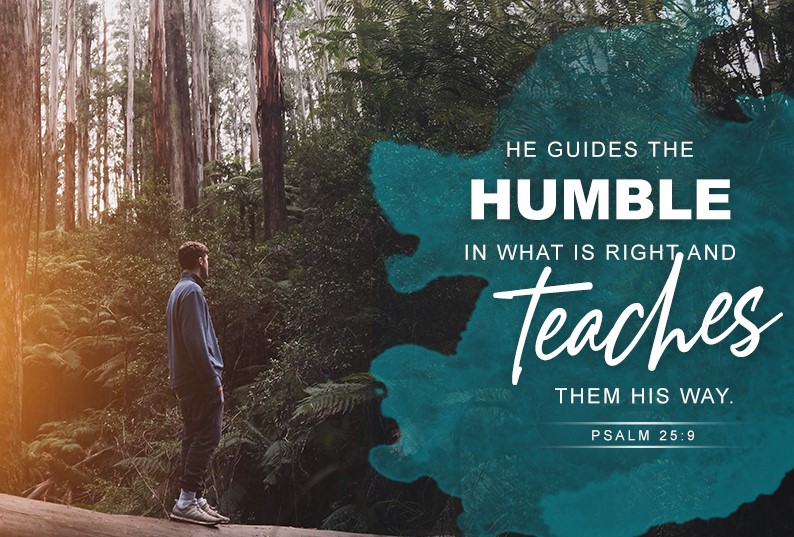
Thank you for being with us always. Thank you for listening to us and then teaching us truth that enriches our thoughts and affects our responsive behaviors to You. Thank you for living in us to guide us first to Truth—You; and then shaping us to Your will and purpose for us. There is no one like you in all the earth! That is why I want to be more like you in every way. I love you, Lord, with all my heart, mind, and soul. You are God alone; I am not.
In Jesus Name, Amen

 Daily Manna (Coffee with Jesus)