

“All present and accounted for, sir!” If counting was not important to God, the book of Numbers and Chronicles might not have made it among the collection of books called God’s Word, the Bible. “Count the cost before you build,” “count the men able to fight before you go to war” against the enemy. Count the heads of all the families. Count the utensils and tools for worship in the Tent of Meeting as they go in and out. Place guards at all the doors—north, south, east, and west. We might trust God but it seems we cannot trust always trust other humans so we count. So, maybe God tells us to count to hold each other accountable to Him.

The families of Israel who lived in Jerusalem after the captivity were counted and recorded. God holds his people accountable for the stewardship of their belongings. Each person must contribute to God’s work and to the upkeep of his house. Yes, counting is important to God and to us!
The returning exiles were not great in number, but each person counted. The priests were “very able men.” The long, difficult journey back to the homeland had a definite, defining effect on the nation in exile. Those willing to endure the hardship tended to be the kind of people who could be counted on to help restore the nation of Israel, God’s chosen people. Endurance builds and increases our faith, writes James;

“Count it all joy, my brothers and sisters, whenever you face trials of many kinds, because you know that the testing of your faith produces perseverance. Let perseverance finish its work so that you may be mature and complete, not lacking anything.” James 1:2-4
Coming home after years of exile by those willing to endure the journey were counted because each one counted to God.
1 Chronicles 9
All Israel was listed in the genealogies recorded in the book of the kings of Israel and Judah. They were taken captive to Babylon because of their unfaithfulness.
The People in Jerusalem
2 Now the first to resettle on their own property in their own towns were some Israelites, priests, Levites and temple servants.
3 Those from Judah, from Benjamin, and from Ephraim and Manasseh who lived in Jerusalem were: 4 Uthai son of Ammihud, the son of Omri, the son of Imri, the son of Bani, a descendant of Perez son of Judah.
5 Of the Shelanites: Asaiah the firstborn and his sons.
6 Of the Zerahites: Jeuel.
The people from Judah numbered 690.
7 Of the Benjamites: Sallu son of Meshullam, the son of Hodaviah, the son of Hassenuah; 8 Ibneiah son of Jeroham; Elah son of Uzzi, the son of Mikri; and Meshullam son of Shephatiah, the son of Reuel, the son of Ibnijah. 9 The people from Benjamin, as listed in their genealogy, numbered 956. All these men were heads of their families.
10 Of the priests: Jedaiah; Jehoiarib; Jakin; 11 Azariah son of Hilkiah, the son of Meshullam, the son of Zadok, the son of Meraioth, the son of Ahitub, the official in charge of the house of God; 12 Adaiah son of Jeroham, the son of Pashhur, the son of Malkijah; and Maasai son of Adiel, the son of Jahzerah, the son of Meshullam, the son of Meshillemith, the son of Immer.
13 The priests, who were heads of families, numbered 1,760. They were able men, responsible for ministering in the house of God.
14 Of the Levites: Shemaiah son of Hasshub, the son of Azrikam, the son of Hashabiah, a Merarite; 15 Bakbakkar, Heresh, Galal and Mattaniah son of Mika, the son of Zikri, the son of Asaph; 16 Obadiah son of Shemaiah, the son of Galal, the son of Jeduthun; and Berekiah son of Asa, the son of Elkanah, who lived in the villages of the Netophathites.
17 The gatekeepers: Shallum, Akkub, Talmon, Ahiman and their fellow Levites, Shallum their chief 18 being stationed at the King’s Gate on the east, up to the present time. These were the gatekeepers belonging to the camp of the Levites. 19 Shallum son of Kore, the son of Ebiasaph, the son of Korah, and his fellow gatekeepers from his family (the Korahites) were responsible for guarding the thresholds of the tent just as their ancestors had been responsible for guarding the entrance to the dwelling of the Lord. 20 In earlier times Phinehas son of Eleazar was the official in charge of the gatekeepers, and the Lord was with him. 21 Zechariah son of Meshelemiah was the gatekeeper at the entrance to the tent of meeting.
22 Altogether, those chosen to be gatekeepers at the thresholds numbered 212. They were registered by genealogy in their villages. The gatekeepers had been assigned to their positions of trust by David and Samuel the seer. 23 They and their descendants were in charge of guarding the gates of the house of the Lord—the house called the tent of meeting. 24 The gatekeepers were on the four sides: east, west, north and south. 25 Their fellow Levites in their villages had to come from time to time and share their duties for seven-day periods. 26 But the four principal gatekeepers, who were Levites, were entrusted with the responsibility for the rooms and treasuries in the house of God. 27 They would spend the night stationed around the house of God, because they had to guard it; and they had charge of the key for opening it each morning.
28 Some of them were in charge of the articles used in the temple service; they counted them when they were brought in and when they were taken out. 29 Others were assigned to take care of the furnishings and all the other articles of the sanctuary, as well as the special flour and wine, and the olive oil, incense and spices. 30 But some of the priests took care of mixing the spices. 31 A Levite named Mattithiah, the firstborn son of Shallum the Korahite, was entrusted with the responsibility for baking the offering bread. 32 Some of the Kohathites, their fellow Levites, were in charge of preparing for every Sabbath the bread set out on the table.
33 Those who were musicians, heads of Levite families, stayed in the rooms of the temple and were exempt from other duties because they were responsible for the work day and night.
34 All these were heads of Levite families, chiefs as listed in their genealogy, and they lived in Jerusalem.

The Genealogy of Saul
35 Jeiel the father of Gibeon lived in Gibeon. His wife’s name was Maakah, 36 and his firstborn son was Abdon, followed by Zur, Kish, Baal, Ner, Nadab, 37 Gedor, Ahio, Zechariah and Mikloth. 38 Mikloth was the father of Shimeam. They too lived near their relatives in Jerusalem.
39 Ner was the father of Kish, Kish the father of Saul, and Saul the father of Jonathan, Malki-Shua, Abinadab and Esh-Baal.
40 The son of Jonathan: Merib-Baal, (also known as Mephibosheth) who was the father of Micah. 41 The sons of Micah: Pithon, Melek, Tahrea and Ahaz. 42 Ahaz was the father of Jadah, Jadah was the father of Alemeth, Azmaveth and Zimri, and Zimri was the father of Moza. 43 Moza was the father of Binea; Rephaiah was his son, Eleasah his son and Azel his son. 44 Azel had six sons, and these were their names: Azrikam, Bokeru, Ishmael, Sheariah, Obadiah and Hanan. These were the sons of Azel.
WHAT DO WE LEARN—HOW DO WE RESPOND?
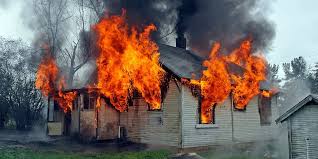
One couple in a church we served years ago became our faithful good friends who served alongside us as God led us. We lived near each other and helped each other. So when we saw smoke rising from the location of their home, knowing they were away for the weekend, we drove to their home to check on their property. Sure enough, fire engulfed most of their home. Most of their belongings were lost or damaged by fire. We waited at their home for our friends to come back from their trip. Some of their family were also summoned. We wanted to be with them when they arrived to help them process what happened. But this couple blessed us and those around them!
Being a couple of strong faith, their first words were; “Was anyone hurt”? We told them no. The next comment through tears, “Good. Stuff can be replaced and restored.” Followed by, “I’m glad we were not home and that all who fought the fire are safe.” “Thanks to God and to each one of you who helped.”

Thoughts of restoring what was lost with God’s help guided their journey in the coming days and months. Their worry and anxious thoughts came forward as they took inventory as a count for their insurance company. But they turned to God in prayer over the paperwork, and God gave them peace. That’s what God does as we place all our trust in Him as we work “to endure through trials” here on earth. Everyone will go through trials in an imperfect world. Trials can teach us or make us joyless and dull. Our response to trials matters. God uses these temporary trials to build a forever faith in Him! Endurance is the doable strength by faith in God’s Holy Spirit power living and working deep within us.
From our trials on earth, we might be able to get a taste of how these returning exiles, oppressed by their Babylonian captors, may have felt as they returned home to devastation. All they once knew was gone. But those who endured, faced with the seemingly overwhelming restoration and rebuilding of their homeland, with all they once knew being burned and destroyed, sought the Lord for help.
“Trusted or entrusted” is used often in this chapter as leaders were appointed. One of the timeless marks of faith maturity in people is a strong commitment to personal integrity upon which others can rely. We might pause to ask ourselves, “Can I be counted on?”
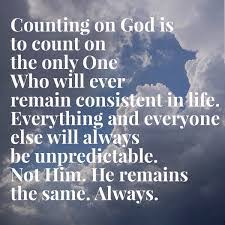
Trust Me first, says God. God never fails and always does what He says. We cannot use the words always and never with humans but we can with God! Trust God to raise up His called out leaders who trust Him with hearts are fully committed to Him! God knows!

Lord,
Thank you for lessons of endurance through trials, disappointments of life here, with your amazing power to turn ashes into beauty over and over again. Why would we trust, fully trust, anyone else but you? I do not know. Cleanse our hearts, renew our minds, refresh our souls, and restore the joy of your salvation within us—no matter that the circumstances or our present trials! I trust you, God, the Father, Jesus, the Son, and the Holy Spirit! To you be the glory, honor, and praise forever and ever, Amen

 Daily Manna (Coffee with Jesus)