

King David could see it in his mind as he dreamed of a glorious Temple for the God he loved with his whole heart, mind, and soul. Yes, he had fallen but David learned quickly how to come back to God and repent to Him. “I have sinned against God” followed by I have sinned against his people is his confession to Nathan, prophet and advisor to David.
In our worship of God, repentance is necessary as we yield our will for His plan. Repentance is worship as we seek forgiveness from the God who sees inside our hearts and longs for us to turn back to Him. We will discover God’s habit in worship is forgiveness.
In this season of King David’s life, he turned back to God and now longs to honor God with a Temple for the worship of Him. He dreamed of a plan and hoped to build the temple for God himself. But God said no, due to David’s warrior years that included much bloodshed to rid the nation of their enemies. David accepted God’s will that prevailed over David’s plan to build. God’s plan was to allow the building of the Temple but David’s son, Solomon, would be the builder.

God did allow David to prepare for the build. David trusted and obeyed God’s will and proceeded to put all his efforts into resourcing the best materials, obtaining the best artisans and stonecutters, without moving ahead of God’s will. In addition to planning and funding the temple, David spent time strategically preparing the temple servants (Levites) to be ready when Solomon finished the temple by returning to God’s Law that outlined how these Levitical servant priests of God would sacrifice animals in specific ways to cover over the sins of God’s people. The practices of The Law were reviewed, reclaimed and relearned.
King David also developed a strategic military plan so that operations would go smoothly. Each person fulfilled his or her role, working for the common good of God’s people. It seems then that serving is being taught by the King as lifestyle according to God’s will, purpose, and placement on earth. Mm, pause to mull over this thought as we read on…
1 Chronicles 27
Army Divisions
This is the list of the Israelites—heads of families, commanders of thousands and commanders of hundreds, and their officers, who served the king in all that concerned the army divisions that were on duty month by month throughout the year. Each division consisted of 24,000 men.

2 In charge of the first division, for the first month, was Jashobeam son of Zabdiel. There were 24,000 men in his division. 3 He was a descendant of Perez and chief of all the army officers for the first month.
4 In charge of the division for the second month was Dodai the Ahohite; Mikloth was the leader of his division. There were 24,000 men in his division.
5 The third army commander, for the third month, was Benaiah son of Jehoiada the priest. He was chief and there were 24,000 men in his division. 6 This was the Benaiah who was a mighty warrior among the Thirty and was over the Thirty. His son Ammizabad was in charge of his division.
7 The fourth, for the fourth month, was Asahel the brother of Joab; his son Zebadiah was his successor. There were 24,000 men in his division.
8 The fifth, for the fifth month, was the commander Shamhuth the Izrahite. There were 24,000 men in his division.
9 The sixth, for the sixth month, was Ira the son of Ikkesh the Tekoite. There were 24,000 men in his division.
10 The seventh, for the seventh month, was Helez the Pelonite, an Ephraimite. There were 24,000 men in his division.
11 The eighth, for the eighth month, was Sibbekai the Hushathite, a Zerahite. There were 24,000 men in his division.
12 The ninth, for the ninth month, was Abiezer the Anathothite, a Benjamite. There were 24,000 men in his division.
13 The tenth, for the tenth month, was Maharai the Netophathite, a Zerahite. There were 24,000 men in his division.
14 The eleventh, for the eleventh month, was Benaiah the Pirathonite, an Ephraimite. There were 24,000 men in his division.
15 The twelfth, for the twelfth month, was Heldai the Netophathite, from the family of Othniel. There were 24,000 men in his division.
Leaders of the Tribes

16 The leaders of the tribes of Israel:
over the Reubenites: Eliezer son of Zikri; over the Simeonites: Shephatiah son of Maakah; 17 over Levi: Hashabiah son of Kemuel; over Aaron: Zadok; 18 over Judah: Elihu, a brother of David; over Issachar: Omri son of Michael; 19 over Zebulun: Ishmaiah son of Obadiah; over Naphtali: Jerimoth son of Azriel; 20 over the Ephraimites: Hoshea son of Azaziah; over half the tribe of Manasseh: Joel son of Pedaiah; 21 over the half-tribe of Manasseh in Gilead: Iddo son of Zechariah; over Benjamin: Jaasiel son of Abner; 22 over Dan: Azarel son of Jeroham.
These were the leaders of the tribes of Israel.
23 David did not take the number of the men twenty years old or less, because the Lord had promised to make Israel as numerous as the stars in the sky. 24 Joab son of Zeruiah began to count the men but did not finish. God’s wrath came on Israel on account of this numbering, and the number was not entered in the book of the annals of King David.
The King’s Overseers
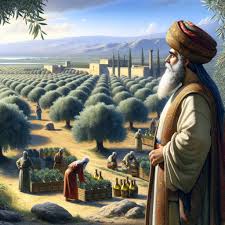
25 Azmaveth son of Adiel was in charge of the royal storehouses. Jonathan son of Uzziah was in charge of the storehouses in the outlying districts, in the towns, the villages and the watchtowers.
26 Ezri son of Kelub was in charge of the workers who farmed the land. 27 Shimei the Ramathite was in charge of the vineyards. Zabdi the Shiphmite was in charge of the produce of the vineyards for the wine vats. 28 Baal-Hanan the Gederite was in charge of the olive and sycamore-fig trees in the western foothills. Joash was in charge of the supplies of olive oil. 29 Shitrai the Sharonite was in charge of the herds grazing in Sharon. Shaphat son of Adlai was in charge of the herds in the valleys.
30 Obil the Ishmaelite was in charge of the camels. Jehdeiah the Meronothite was in charge of the donkeys. 31 Jaziz the Hagrite was in charge of the flocks.
All these were the officials in charge of King David’s property.
32 Jonathan, David’s uncle, was a counselor, a man of insight and a scribe. Jehiel son of Hakmoni took care of the king’s sons.
33 Ahithophel was the king’s counselor.
Hushai the Arkite was the king’s confidant. 34 Ahithophel was succeeded by Jehoiada son of Benaiah and by Abiathar.
Joab was the commander of the royal army.
WHAT DO WE LEARN—HOW DO WE RESPOND?

From priests to musicians to builders to an army of protection—all were taught by King David to serve an active and living God who faithfully and relentless loves and provides for them. Serving becomes an honor and a privilege. We love God because He first loved us. We serve Him and others because of our love for Him.
Think about it…isn’t that what Jesus did? Jesus came to earth to reteach humanity how to serve each other from a heart who loves God and His created. When we love God back, we naturally want to please God by loving and serving others. It’s in our DNA as we identify as God’s children! Jesus, God’s son, was sent to earth with a very strategic plan that included serving. Jesus’ self-assigned purpose statement reads: “For even the Son of Man did not come to be served, but to serve, and to give his life as a ransom for many” (Mark 10:45).
Our KING of kings and LORD of lords came from His throne in heaven; sent to earth by God in the form of a helpless infant born to a lowly but dedicated, Holy Spirit-led couple who loved and served God. God knew Mary and Joseph would trust and obey Him as they nurtured Jesus from infancy to manhood as His Son. Jesus was God’s Light to a dark world who had all but forgotten Him. Jesus grew in stature as other boys to men did and then moved into the neighborhoods of humanity. He was different. People were attracted to Different. Jesus served with loving kindness.
Jesus befriended the crazy lost, those maimed by life’s circumstances, the crippled, broken spirited, and the diseased. God gave Jesus the power to heal in ways that glorified Him—so people would come to know God for who He really is. Jesus’ pleasing service to His Father, our God, concluded by powerfully demonstrating God’s love for us; Jesus laid down His life for ours— “while we were yet sinners; Christ died for us.” Romans 5:8

Jesus took our place for the punishment for our sins. He paid our debt—the ultimate act of love for us. God had a Plan from the beginning to redeem us—He “bought us back” with the sacrifice of His Son as payment in full. “For God so loved the world that he gave his one and only Son, that whoever believes in him shall not perish but have eternal life. For God did not send his Son into the world to condemn the world, but to save the world through him.” John 3:16-17
“I am the way and the truth and the life. No one comes to the Father except through me.”—Jesus, John 14:6
God’s Plan to save us and set us free from all our sins is waiting for our response. There is nothing we have done that God will not forgive. God has truly seen it all. So, that will not work as an excuse.

Believe in Jesus as our forever King of kings and Lord of lords! Call on Jesus, repent in the Name of Jesus, and be saved for Life!
God’s strategic plan of redemption includes this promise, specifically outlined by Paul;
“…God himself has given us right standing with himself. Who then will condemn us? No one—for Christ Jesus died for us and was raised to life for us, and he is sitting in the place of honor at God’s right hand, pleading for us.
Can anything ever separate us from Christ’s love? Does it mean he no longer loves us if we have trouble or calamity, or are persecuted, or hungry, or destitute, or in danger, or threatened with death? (As the Scriptures say, “For your sake we are killed every day; we are being slaughtered like sheep.”) No, despite all these things, overwhelming victory is ours through Christ, who loved us.
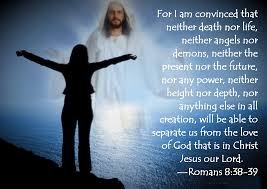
And I am convinced that nothing can ever separate us from God’s love. Neither death nor life, neither angels nor demons, neither our fears for today nor our worries about tomorrow—not even the powers of hell can separate us from God’s love. No power in the sky above or in the earth below—indeed, nothing in all creation will ever be able to separate us from the love of God that is revealed in Christ Jesus our Lord.” Romans 8:33-39
Believe and be convinced. Love others like Jesus loved us—with humbled, loving service. (Philippians 2)

And remember, part of God’s plan and cure for living the common life well includes a strong dose of servanthood.
Lord,
Continually cleanse our hearts, renew our minds, refresh our souls, and restore the joy of your redemptive work within us. Thank you, thank you, thank you! May your will be done.
In Jesus Name, for our good and Your Glory, Amen

 Daily Manna (Coffee with Jesus)