
Who is a judge is and what does a judge do?
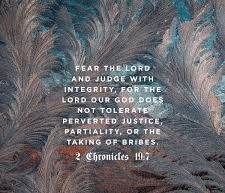
Defined by Webster: A judge is a public official appointed to decide cases in a court of law. A judge is the final word in a dispute between two opposing parties. A judge hears from each party then forms an opinion with a conclusion based on the Law with contradicting the Law. A jury of the Judges are “honored” with respect as they represent and abide by The Law.
The Biblical view of a judge is to discern right from wrong, a necessary Christian believers’ responsibility, using God’s Word as The Law. Hypocrisy, “do what I say but not what I do”, with self-righteous thinking was forbidden by Jesus. The Bible calls for righteous judgment, which involves examining one’s own faults first (the “log in your eye”) before gently and lovingly confronting others’ actions, using God’s Word as the standard, not our own opinion of the Word then leaving the final word to God who is the One and Only final Judge of humanity. Jesus is Truth. He is our standard and example for walking humbly with our God. Jesus is our Advocate. He is the only Way to a relationship with God who is our final judge and loving Father.
God sees and knows all that is in our hearts, minds, and souls. Jesus is the Word made flesh who also knew because He was also God. We have the power to discern right from wrong because of God’s Holy Spirit who guides us to all that is true and right! Final summation: With God, we cannot fail. Without God, living on our own, we really don’t have a clue or the motivation to “get it right” before God who has the final word.
Jehoshaphat, the king of Judah, living in Jerusalem got rid of idols in his kingdom because his heart was “set on seeking God.” He also knew that he had sinned against God as he helped the wicked to fight a war, as reprimand the prophet of God. Humans sin. Their sin cause division, heartache, and differences of opinion. So, the king decided to appoint judges—men with integrity, who are respected with honor among God’s People. They are backed by the Levites who know The Law.
2 Chronicles 19
When Jehoshaphat king of Judah returned safely to his palace in Jerusalem, 2 Jehu the seer, the son of Hanani, went out to meet him and said to the king, “Should you help the wicked and love those who hate the Lord? Because of this, the wrath of the Lord is on you. 3 There is, however, some good in you, for you have rid the land of the Asherah poles and have set your heart on seeking God.”
Jehoshaphat Appoints Judges
4 Jehoshaphat lived in Jerusalem, and he went out again among the people from Beersheba to the hill country of Ephraim and turned them back to the Lord, the God of their ancestors. 5 He appointed judges in the land, in each of the fortified cities of Judah. 6 He told them, “Consider carefully what you do, because you are not judging for mere mortals but for the Lord, who is with you whenever you give a verdict. 7 Now let the fear of the Lord be on you. Judge carefully, for with the Lord our God there is no injustice or partiality or bribery.”
8 In Jerusalem also, Jehoshaphat appointed some of the Levites, priests and heads of Israelite families to administer the law of the Lord and to settle disputes. And they lived in Jerusalem. 9 He gave them these orders: “You must serve faithfully and wholeheartedly in the fear of the Lord. 10 In every case that comes before you from your people who live in the cities—whether bloodshed or other concerns of the law, commands, decrees or regulations—you are to warn them not to sin against the Lord; otherwise his wrath will come on you and your people. Do this, and you will not sin.
11 “Amariah the chief priest will be over you in any matter concerning the Lord, and Zebadiah son of Ishmael, the leader of the tribe of Judah, will be over you in any matter concerning the king, and the Levites will serve as officials before you. Act with courage, and may the Lord be with those who do well.”
WHAT DO WE LEARN—HOW DO WE RESPOND?
WE LEARN that not only had Jehoshaphat experienced an obvious close call in the battle with the Arameans during which Ahab was killed, he also had a message of chastisement from the Lord waiting for him when he arrived back home.
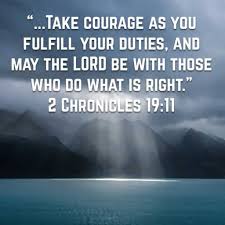
Jehu confronted the king with a warning and a word of encouragement. Jehoshaphat was seriously in error when he sided with the wrong people; but he had also pleased God by his genuine efforts to revive the worship of God and only God in Judah. God knew his heart was committed to him still so God continued to help him as king.
Notice how the king took God’s discipline to heart as he ruled the people. Jehoshaphat not only continued his efforts at spiritual reform, (teaching them to obey The Law of God) but he also appointed judges throughout the land with strict instructions:
“You must serve faithfully and wholeheartedly in the fear of the Lord. In every case that comes before you from your people who live in the cities—whether bloodshed or other concerns of the law, commands, decrees, or regulations—you are to warn them not to sin against the Lord; otherwise, God’s wrath will come on you and your people. Do this, and you will not sin.”
King Jehoshaphat was speaking from experience!
AND…we learn, once again, that God’s Word from Genesis to Revelation does not contradict itself! God’s Word is proven Truth by God’s Word! For example, we find in the New Testament that church missionary Paul and committed follower James, inspired by God, taught the same message!
“Watch your life and doctrine closely. Persevere in them, because if you do, you will save both yourself and your hearers.”—Paul, 1 Timothy 4:16
“Not many of you should become teachers, my fellow believers, because you know that we who teach will be judged more strictly. We all stumble in many ways. Anyone who is never at fault in what they say is perfect, able to keep their whole body in check.” –James 3:1-2
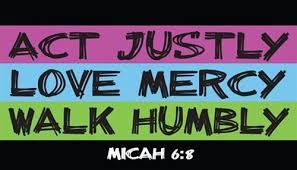
WE RESPOND with thanksgiving to God’s Word that not only teaches us “we should” but with “how to” behave in ways that are pleasing to God. Look at this! Here is what God requires in our response to Him as spoken by His prophet Micah;
“He has shown you, O mortal, what is good. And what does the Lord require of you?
To act justly and to love mercy and to walk humbly with your God.” Micah 6:8
Micah knew then that sacrifices were outward expressions of inner faith and trust. What God desired most of all was for Israel to relate to him in a heartfelt, personal way—not just in some superficial, ritualistic fashion.
Jesus, came to earth to seek and to save the lost who no longer had “a heartfelt, personal” relationship with God—God, the Father, who sent His Son to save all who would believe! Jesus confronted the religious about their hearts who loved themselves and their self-created power more than God and His People. “The teachers of religious law and the Pharisees are the official interpreters of the law of Moses. So practice and obey whatever they tell you, but don’t follow their example. For they don’t practice what they teach. They crush people with unbearable religious demands and never lift a finger to ease the burden. Everything they do is for show.” Mattew 23:2-5 (Read the whole chapter for the full story as Jesus stands firm on Truth, speaking what God told Him to say!
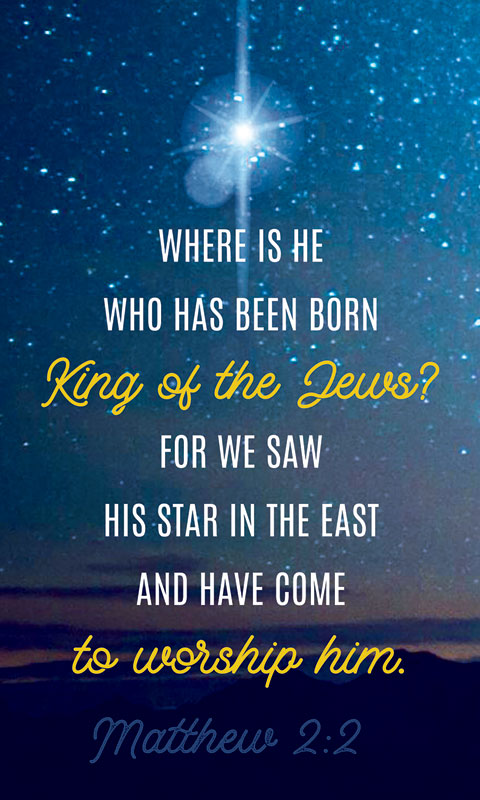
In this season, all the symbols of Jesus birth are all around us and religious traditions are played out in front of us…and I wonder…what or who are we truly trusting to save us from our sins? Is it really the precious blood of Jesus Christ and His sacrifice alone? Or are we working hard, needlessly to add to the beauty and awe of Him with mere symbols, traditions, or religious practices?
What God wants is a personal relationship; to know Him, love Him back, to love others like He loves us, with all our hearts, minds, and souls! God sees and knows our hearts. Nothing is hidden from God. He knows where He is not welcomed but He loves us still—enough to wait until His created come to our senses with knowledge of Him—with hearts’ desires to know Him more—not to only know of Him.

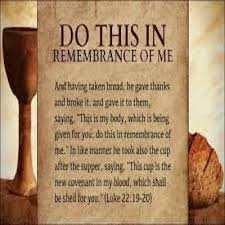
In every season of life, we must make sure we are firmly connected to God through Jesus by faith, love, and trust. Symbols, ceremonies, and observances have their place; “do this in remembrance of Me,” says Jesus. But they do not replace Jesus as the way to God! Do not allow our worship of symbols, places, and traditions to replace our worship of God alone! All these things are merely to remind us to trust in Christ alone for our salvation. Obeying God is an expression of our love for Him who sent His One and Only Son to save us.
Want to hear from God daily? (And who in their “right” mind doesn’t?) God’s Word teaches us how to “watch our lives and our doctrine (what we believe) closely.”
Develop a daily discipline of going to God first each day. The goal is to develop and nurture a wonderful, eternal relationship with our Loving Father. After a while, I find that He begins speaking to my heart before I get that first cup of coffee to chat with Him! What a blessing it is to rise up each morning and talk with Him before beginning my chores. His Holy Spirit living in us helps us! Listen to Him!
God also speaks directly to us through His Word! See Romans 12:1-2 concerning this daily habit that includes surrender that leads to beautiful transformation!
“So here’s what I want you to do, God helping you: Take your everyday, ordinary life—your sleeping, eating, going-to-work, and walking-around life—and place it before God as an offering. Embracing what God does for you is the best thing you can do for him. Don’t become so well-adjusted to your culture that you fit into it without even thinking. Instead, fix your attention on God. You’ll be changed from the inside out. Readily recognize what he wants from you, and quickly respond to it. Unlike the culture around you, always dragging you down to its level of immaturity, God brings the best out of you, develops well-formed maturity in you.” Romans 12:1-2, MSG
God/Jesus/Holy Spirit changes everything! Since God is strong, we will be strong. Since God is able, we will be able. Since God has no limits, we have no limits. The Psalmist writes and sings; “The LORD is with me; I will not be afraid. What can mere mortals do to me?” (Psalm 118:6). Join me in singing the Song of Our Redeemer!
God is able! Trust Him!
Lord,
What peace you give us today in these words of kings learning to walk with you, from prophets who speak for you to apostles and committed disciples who are committed to you! I’m yours and I’m listening for I am your servant. Thank you, thank you, thank you!
In Jesus Name, Amen

 Daily Manna (Coffee with Jesus)