
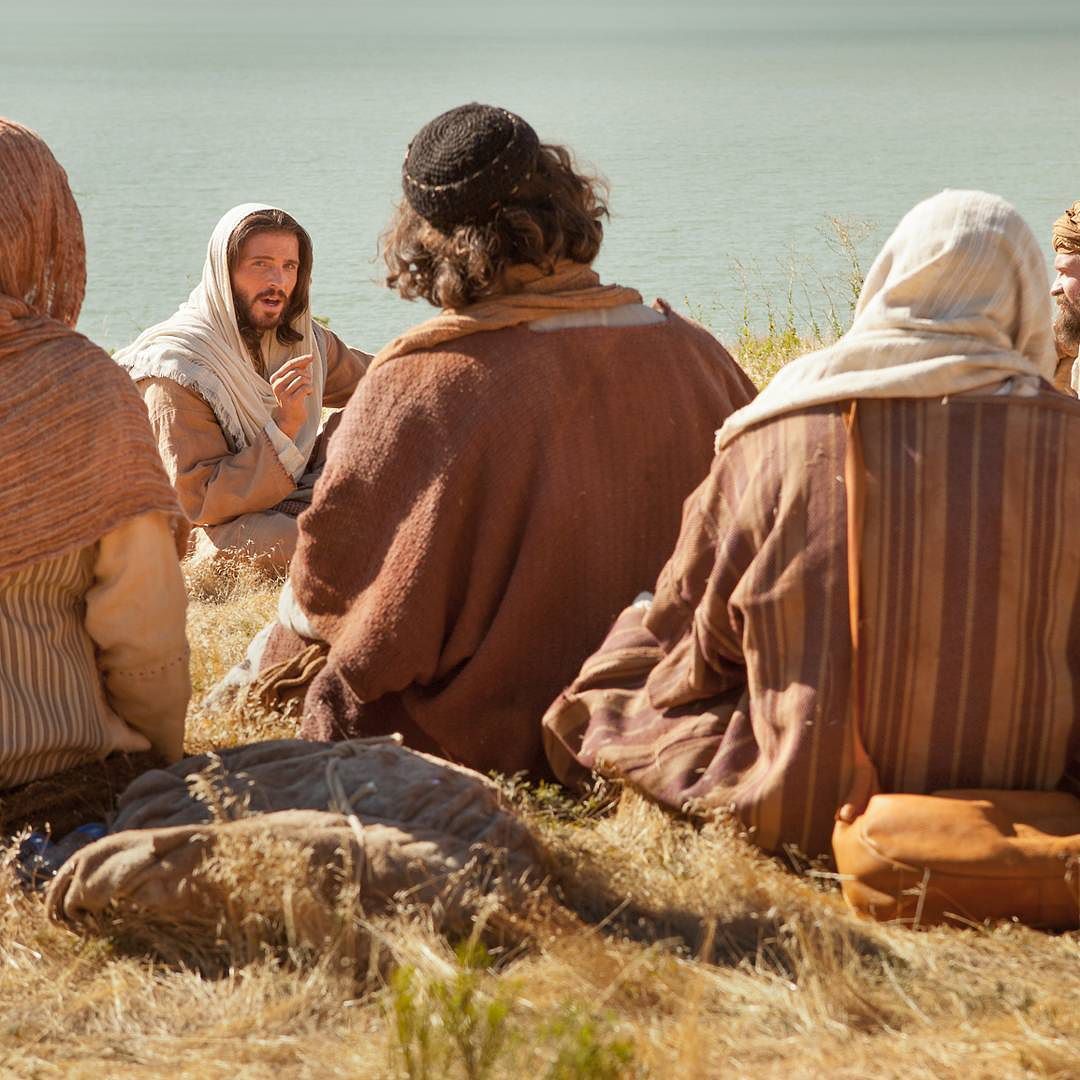
Okay then! The “Lord’s Prayer” was given to Jesus’ disciples who asked him to teach them how to pray. They saw how Jesus would slip away often to a quiet place to speak with God. They saw Jesus return to them from prayer with new direction for their journey with determination in His steps. His disciples desired what Jesus had so they could be more like him in their prayers to Almighty God. They had not yet realized that Jesus was God, in the flesh, with them!
But Jesus, the Master Teacher, did not reprimand for their lack of understanding; instead, He taught them how to speak with God by first acknowledging WHO they were talking to by giving them this example to pray. These words where the elements that got them started on their holy relationship with God for that is what prayer is for the believer—communication with a Holy, Perfect God who loves us unconditionally and longs to hear us honestly and reverently speak with Him.
The Model: The Lord’s Prayer (Luke 11:2-4; Matthew 6:9-13 ESV)
- “Father, hallowed be your name”: Approach God intimately as Father, acknowledging His holiness.
- “Your kingdom come”: Pray for God’s rule to be in your life and the world, above your own selfish plans.
- “Give us each day our daily bread”: Depend on God daily for your needs, rather than focusing on stockpiling.
- “Forgive us our sins, for we also forgive everyone who is indebted to us”: Confess your sins and release others from theirs, as forgiveness is crucial to our relationship with our Father God.
- “Lead us not into temptation”: Ask for protection from evil and guidance to stay on the right path with God’s power to “Deliver us from evil.”
PRAYER IS ESSENTIAL TO OUR INTIMATE RELATIONSHIP WITH GOD!
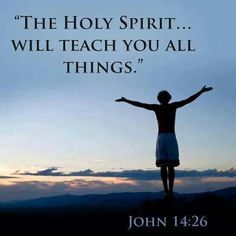
We pray; God listens. God speaks; we listen. God’s Holy Spirit, our Helper, Counselor and Guide, weaves through our words of communication to God, even praying the words for us when we cannot seem to form the right words in our times of frustration or suffering! God’s Holy Spirit guides us to the truth of what God is saying to us! Consider it like a prayer wheel of believers seeking and speaking to God with God hearing and answering us with directions as we walk humbly with Him. All this is from God is encompassed with His relentless love and absolute truth. There is no other relationship like our intimate relationship with God!
Other Biblical Principles Relating to Prayer

- Pray Without Ceasing (1 Thessalonians 5:17): Make prayer a constant, natural part of your day—like breathing! Pray gives life as much as the breaths we take! (You don’t always have to close your eyes for that would be dangerous if your driving or even walking!) Talk to God as you go from task to task or place to place. God loves to hear from us. All of heaven stops to hear us! Let your words rise like incense, knowing that all of heaven is tuned in, and Jesus is leaning in to listen!
- Pray with Faith (Matthew 26:41): Watch and pray to avoid falling into temptation, knowing the spirit is willing but the flesh is weak. We need His power to overcome the Enemy. God provides.
- Be Persistent (Luke 11:5-13): Jesus taught that persistent prayer brings God’s intervention and blessings. God’s intervention relates to sustaining His peace, joy, love, and contentment in us as we trust and obey Him in all the circumstance of life! And oh, what blessings of transformation God provides as He guides and grows us, molds, and shapes us in ways that bear the fruits of His Holy Spirit—which are His character traits of love, joy, peace, forbearance, kindness, goodness, faithfulness, gentleness and self-control within us! (Galatians 5:23)
- Use Scripture: Praying Bible verses (like Psalms) back to God helps align our hearts with His, making His desires become our desires as we express worship, give God thanks, while requesting His help and power!

Jesus prayed and prays for us so we pray for each other to be more like Him who taught us! “Therefore, He is able to save completely those who come to God through Him, because He always lives to intercede for them.” — Hebrews 7:25
Prayer changes us from the inside out! Jesus knew this truth as he prayed for his disciples then AND FOR US who would come along later, before going to the cross to die for our sins so that we could reconnect with God in our repentance of our sins and be set free! (John 17) Jesus joyfully taught his disciples then and now how to pray with humbled hearts seeking God first in all of life for our Father is the author of Life! The key elements of talking and listening to God are: praising God, seeking His will, asking for daily needs, and requesting forgiveness. It is a model for honest, daily conversation with God, not just a script to repeat thoughtlessly.

SO, in the coming days, let us pray the Psalms together to God, with humbled hearts allowing God to renew our minds by seeking God for who He is to us as a way to enrich our intimate relationship with Him.
We are going to another translation/paraphrase to do this so that the familiar becomes new again for us. Eugene Peterson, The Message, pastored a church many decades ago who didn’t know how to pray. He did what most pastors do; begin with the Lord’s Prayer and pray the Psalms; but they still did not understand the language of their Bibles. Eugene Peterson, passionate pastor, studied theologian, tells of how he was led by God to write the Psalms in the language people could understand in his church. This, from his own words, is how his life’s work of paraphrasing the entire Bible, called ‘The Message’ began;
“Most Christians for most of the Christian centuries have learned to pray by praying the Psalms. The Hebrews, with several centuries of a head start of us in matter of payer and worship provided us with this prayer book that gives us a language adequate for responding to the God who speaks to us.
The stimulus to paraphrase the psalms into a contemporary idiom comes from my lifetime of work as a pastor. As a pastor I was charge with, among other things, teaching people to pray, helping them to give voice to the entire experience of being human, and to do it both honestly and thoroughly. I found that it was not as easy as I expected. Getting started is easy enough. The impulse to pray is deep within us, at the very center of our created being, and so practically anything will do to get us started—‘Help’ and ‘Thanks’ are our basic prayers. But honesty and thoroughness don’t come quite as spontaneously.
Faced with the prospect of conversation with a holy God who speaks worlds into being, it is not surprising that we have trouble. We feel awkward and out of place. ‘I’m not good enough for this. I’ll wait until I clean up my act and prove that I am a decent person.’ Or we excuse ourselves on the grounds that our vocabulary is inadequate: ‘Give me a few months—or years! —to practice prayers that are polished enough for such a sacred meeting. Then I won’t feel so stuttery and ill at ease.’
My usual response when presented with these difficulties is to put the Psalms in a person’s hand say, ‘Go home and pray these. You’ve got wrong ideas about prayer; the praying you find in these Psalms will dispel the wrong ideas and introduce you to the real thing.’ A common response of those who do what ask is surprise—they don’t expect this kind of thinking in the Bible. And then I express surprise at their surprise. ‘Did you think these would be the prayers of nice people?’ ‘Did you think the psalmists’ language would be polished and polite?’
Untutored, we tend to think that prayer is what good people do when they are doing their best. It is not.
Inexperienced, we suppose that there must be an ‘insider’ language that must be acquired before God takes us seriously in our prayer. There is not.
Prayer is elemental, not advanced, language. It is the means by which our language becomes honest, true, and personal in response to God. It is the means by which we get everything in our lives out in the open before God.
But even with the Psalm in their hands and my pastoral encouragement, people often tell me that they still don’t get it. In English translation, the Psalms often sound smooth and polished, sonorous with Elizabethan rhythms and diction. As literature, they are beyond compare. But as prayer, as the utterances of men and women passionate for God in moments of anger and praise and lament, these translations miss something. Grammatically, they are accurate. The scholarship undergirding the translation is superb and devout. But as prayers they are not quite right. The Psalms in Hebrew are earthy and rough. The are not genteel. They are not the prayers of nice people, couched in cultured language.
And so, in my pastoral work of teaching people to pray, I started paraphrasing the Psalms into the rhythms and idiom of contemporary English. I wanted to provide men and women access to the immense range and the terrific energies of prayer in the kind of language that is most immediate to them, which also happen to be the language in which these psalm prayers were first expressed and written by David and his successors.
I continue to want to do that, convinced that only as we develop raw honesty and detailed thoroughness in our praying do we become whole, truly human in Jesus Christ, who also prayed the Psalms.” –Eugene Peterson, Pastor, Author, Theologian, Inspired to paraphrase God’s Word called The Message
One a personal note: I met with other pastors, teacher, and lay people to listen to Eugene Peterson tell stories of God’s work in him and in the people God gave him to care for as a pastor. I then met him personally after his teaching. His honest words hit the hearts of all who gathered to hear him. We all knew we were in the presence of an imperfect man, perfectly forgiven by Jesus Christ, and who sought justice, loved mercy, and walked humbly with God. A man the prophet Micah described as one who does what God requires of all of us. (Micah 6:8)

Psalm 1, The Message
How well God must like you—
you don’t walk in the ruts of those blind-as-bats,
you don’t stand with the good-for-nothings,
you don’t take your seat among the know-it-alls.
2-3 Instead you thrill to God’s Word,
you chew on Scripture day and night.
You’re a tree replanted in Eden,
bearing fresh fruit every month,
Never dropping a leaf,
always in blossom.
4-5 You’re not at all like the wicked,
who are mere windblown dust—
Without defense in court,
unfit company for innocent people.
6 God charts the road you take.
The road they take leads to nowhere.
Thank you, Lord God of all Creation! Thank you, thank you, thank you!
In Jesus Name, Amen

 Daily Manna (Coffee with Jesus)