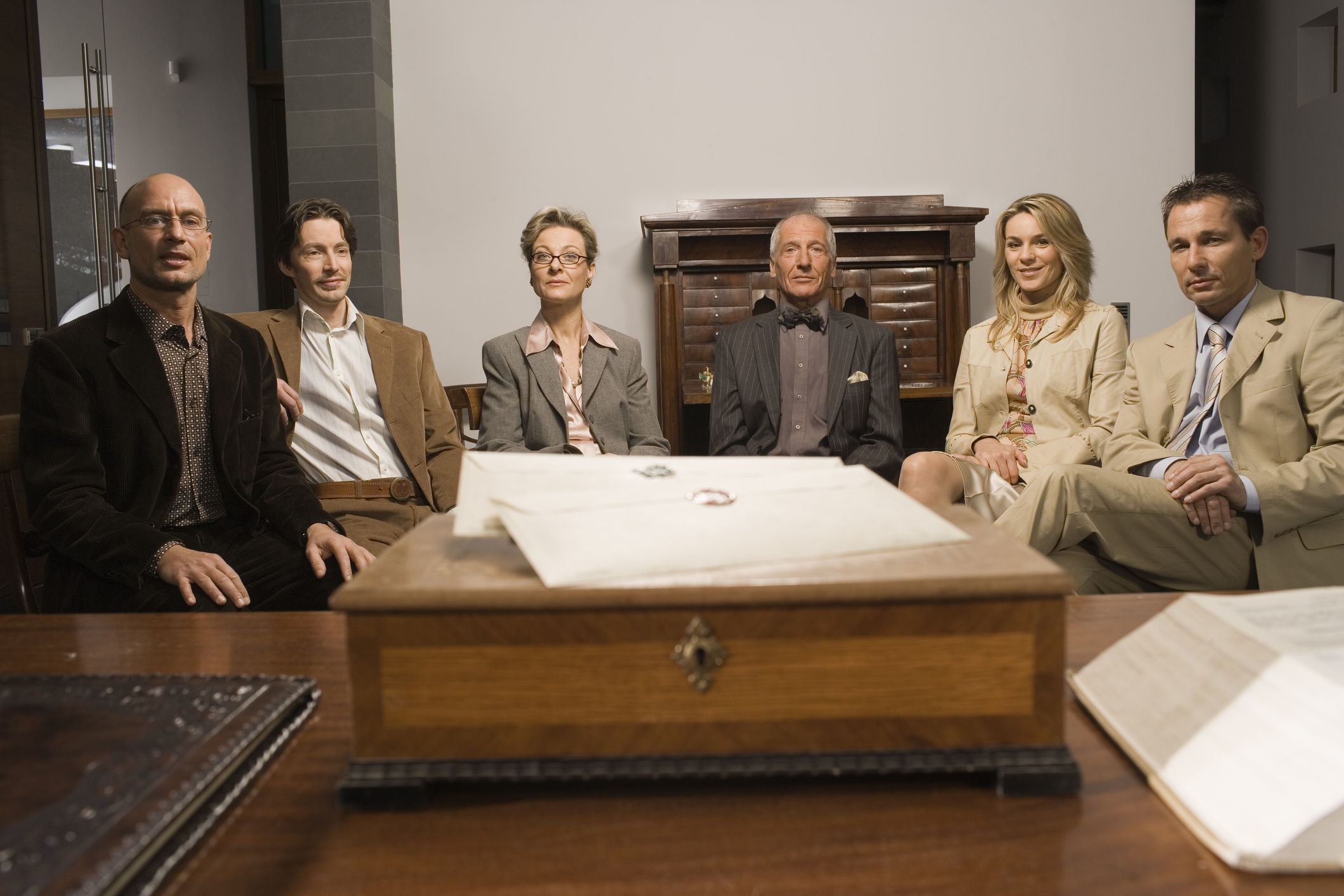
BAIT AND SWITCH

The old bait and switch game might have had its beginnings here in this story of Jacob.  What is “bait and switch”?  The advertising industry has used it for centuries along with “and that’s not all” to get you to buy something that was not want you originally wanted to purchase.  Webster defines this practice:

Definition of bait and switch

1: a sales tactic in which a customer is attracted by the advertisement of a low-priced item but is then encouraged to buy a higher-priced one

2: the ploy of offering a person something desirable to gain favor (such as political support) then thwarting expectations with something less desirable

Yep, this has happened to me more than once!  How about you? 

Laban was a master at the game of bait and switch.  He didn’t seem to care about the damage it would do to his own daughters, especially to Leah. He saw an opportunity to fool his nephew and he took it.  Jacob fell for it, hook, line and sinker.  We must learn and remember that women of the culture of those days were treated merely as stock options.  Love was considered secondary, if considered at all, in the buying and selling of daughters in marriage for the purpose of continuing the generational line. 

Jacob came to find a wife from his mother’s family.  It was “love at first sight” between Rachel and Jacob.  Jacob, who deceived his brother, is now deceived by his Uncle Laban for Rachel’s hand in marriage.  This is a test of faith that is being built by God daily in Jacob. 

How will Jacob respond when Uncle Laban does the old bait and switch to his hardworking nephew?

Genesis 29, The Message

1-3 Jacob set out again on his way to the people of the east. He noticed a well out in an open field with three flocks of sheep bedded down around it. This was the common well from which the flocks were watered. The stone over the mouth of the well was huge. When all the flocks were gathered, the shepherds would roll the stone from the well and water the sheep; then they would return the stone, covering the well.

Jacob said, “Hello friends. Where are you from?”

They said, “We’re from Haran.”

Jacob asked, “Do you know Laban son of Nahor?”

“We do.”

“Are things well with him?” Jacob continued.

“Very well,” they said. “And here is his daughter Rachel coming with the flock.”

Jacob said, “There’s a lot of daylight still left; it isn’t time to round up the sheep yet, is it? So why not water the flocks and go back to grazing?”

“We can’t,” they said. “Not until all the shepherds get here. It takes all of us to roll the stone from the well. Not until then can we water the flocks.”

9-13 While Jacob was in conversation with them, Rachel came up with her father’s sheep. She was the shepherd. The moment Jacob spotted Rachel, daughter of Laban his mother’s brother, saw her arriving with his uncle Laban’s sheep, he went and single-handedly rolled the stone from the mouth of the well and watered the sheep of his uncle Laban. Then he kissed Rachel and broke into tears. He told Rachel that he was related to her father, that he was Rebekah’s son. She ran and told her father. When Laban heard the news—Jacob, his sister’s son!—he ran out to meet him, embraced and kissed him and brought him home. Jacob told Laban the story of everything that had happened.

14-15 Laban said, “You’re family! My flesh and blood!”

When Jacob had been with him for a month, Laban said, “Just because you’re my nephew, you shouldn’t work for me for nothing. Tell me what you want to be paid. What’s a fair wage?”

16-18 Now Laban had two daughters; Leah was the older and Rachel the younger. Leah had nice eyes, but Rachel was stunningly beautiful. And it was Rachel that Jacob loved.

So Jacob answered, “I will work for you seven years for your younger daughter Rachel.”

19 “It is far better,” said Laban, “that I give her to you than marry her to some outsider. Yes. Stay here with me.”

20 So Jacob worked seven years for Rachel. But it only seemed like a few days, he loved her so much.

21-24 Then Jacob said to Laban, “Give me my wife; I’ve completed what we agreed I’d do. I’m ready to consummate my marriage.” Laban invited everyone around and threw a big feast. At evening, though, he got his daughter Leah and brought her to the marriage bed, and Jacob slept with her. (Laban gave his maid Zilpah to his daughter Leah as her maid.)

25 Morning came: There was Leah in the marriage bed!

Jacob confronted Laban, “What have you done to me? Didn’t I work all this time for the hand of Rachel? Why did you cheat me?”

26-27 “We don’t do it that way in our country,” said Laban. “We don’t marry off the younger daughter before the older. Enjoy your week of honeymoon, and then we’ll give you the other one also. But it will cost you another seven years of work.”

28-30 Jacob agreed. When he’d completed the honeymoon week, Laban gave him his daughter Rachel to be his wife. (Laban gave his maid Bilhah to his daughter Rachel as her maid.) Jacob then slept with her. And he loved Rachel more than Leah. He worked for Laban another seven years.

31-32 When God realized that Leah was unloved, he opened her womb. But Rachel was barren. Leah became pregnant and had a son. She named him Reuben (Look-It’s-a-Boy!). “This is a sign,” she said, “that God has seen my misery; and a sign that now my husband will love me.”

33-35 She became pregnant again and had another son. “God heard,” she said, “that I was unloved and so he gave me this son also.” She named this one Simeon (God-Heard). She became pregnant yet again—another son. She said, “Now maybe my husband will connect with me—I’ve given him three sons!” That’s why she named him Levi (Connect). She became pregnant a final time and had a fourth son. She said, “This time I’ll praise God.” So she named him Judah (Praise-God). Then she stopped having children.

WHAT DO WE LEARN—HOW DO WE RESPOND?

God dealt with Jacob in the wilderness with promises to be with him always as works through Jacob to fulfill His original promise to Abraham.  Jacob has turned to God with all that is in him.  God is doing things in Jacob that we haven’t seen before this “meeting”.  Jacob, the deceiver has changed his ways.  He is no longer the arrogant man he used to be.  Is that what attracts Rachel to Jacob?

When God meets us in the wilderness of our lives of searching for significance; a relationship forms and then begins to grow and mature in us.  He changes our way of thinking. Our behaviors begin to change as well.

What changes do we see happening in our own lives because of our relationship with God? 

When we give our lives to God, through Jesus, everything within us changes.  God grows our character to be more like His character.  Jesus told us this would happen.  Jesus, while on earth, shows who God is because He is God.  Then Jesus gave his life for ours.

Jacob offers himself to Laban as a hardworking servant and then employee for fourteen years of his life so he can have Rachel, his beloved.  Yes, Jacob has changed.  His response to Laban’s bait and switch is miraculous.  The former Jacob would have just taken what he wanted and run away.  But he stayed.

This story has collateral damage.  Leah, the girl with “nice eyes”, is used in the bait and switch scheme of Laban, her father, to not only get Jacob to remain in service and debt to him, but to marry off the oldest daughter.  How does it make Leah feel?  The scripture portrays her pain clearly.  It also shows the compassion of our God who sees her pain and blesses her with sons through Jacob that will eventually form the “Twelve Tribes” of the nation of Israel.  Rachel is barren during this time.  But, sons are given to Leah.  The names of her sons reveal her emotions and feelings as well as her relationship with God.

When we have been “put aside”, betrayed or ignored all together, God sees us.  God comes to us as and settles our souls.  God provides the balm that soothes the woundedness of our being.  Jesus, despised by the world knows all levels of pain.  He experienced all the excruciating pain the Roman world had to offer to humans—a cross. 

But Jesus also had a pain we don’t think about as much as we should.  It grieved him in prayer the night before the cross experience to know that God would have to turn his back on him while Jesus carried all the sins of the world on his shoulders to that cross.  Only when “it was finished”, the mission complete, all the debt of sin paid in full, could God turn back around to His Son, the “One in whom He was well pleased” with power to raise Him to life everlasting, defeating death and pain altogether.

I have to ask…Have you ever felt like the girl with “nice eyes”—unloved, ignored, set aside, used?  It is in those times we feel closer to God, if we allow Him in.  Jesus came for the broken.  Jesus came for you and me.  The most important relationship we will ever have is with God.

Remember that God, with His Son Jesus, know pain.  God sees and hears our cries of pain.  He sees you.  He sees me.  He knows our hearts.  His Holy Spirit comes to us with all we need to work through the pain and get us to the other side.  Pain is momentary; God’s love and compassion is forever and never fails us. 

Pain teaches us, strengthens our faith resolve, and shows us the love of God to us and in us.  Like Paul realized, to really know Christ is to know pain.

“God’s way of making us right with himself depends on faith. I want to know Christ and experience the mighty power that raised him from the dead. I want to suffer with him, sharing in his death,so that one way or another I will experience the resurrection from the dead! (Philippians 3:9-11, NLT)

Pain is part of life here.  Pain is not forever.  There will be no pain there for believers who endure with faith in God.  He promised and God does not lie.  “He will wipe every tear from their eyes, and there will be no more death or sorrow or crying or pain. All these things are gone forever.”  (Revelation 21:4, NLT)

There are no “bait and switch” games with God, our Father!  What He says, He will do!

Lord,

There is so much that you are teaching me today through this passage!  There is not enough space to get it all down and I must stew the personal thoughts you have given to me.  I pray for every reader of this passage today to be blessed, to know how very much they are deeply loved by you.  You are not finished with us yet.  I’m still your work in progress.  Continue to change me and transform me to be all you created me to be.  I know the pain is used for strengthening me.  Thank you for painful times that taught me and brought me closer to you.

In Jesus Name, Amen

Posted in Uncategorized | Leave a comment

GOD’S PRESENCE, GOD’S INVITATION, OUR RESPONSE

Surely the presence of the Lord is in this place,
I can feel His mighty power and His grace.
I can hear the brush of angel’s wings
I see glory on each face;
Surely the presence of the Lord is in this place.

In the midst of His children, the Lord said He would be.
It doesn’t take very many, it can be just two or three.
And I feel the same sweet Spirit that I’ve felt oft times before.
Oh, surely I can say I have been with the Lord.

There’s a holy hush around us as God’s glory fills this place.
I’ve touched the hem of his garment and I can almost see His face.
And my heart is overflowing with the fullness of His joy.
I know without a doubt that I have been with the Lord.

Copyright1977 Lanny Wolfe Music 

When God shows up in our lives, we cannot ignore His Presence.  If we do, there is great regret with a constant hunger for what is missing in our lives.  God may come in a dream, a hard challenging circumstance or a peace filled situation.  His words of invitation to join Him in His work are spoken first to our hearts, then those words reach down to the very soul of our being. 

His presence and His words change our thinking and perspective which changes our behavior.  Yes, when God stands before us, right in the middle of all our flaws and arrogance, everything changes.  We will know, without a doubt, we have been with the Lord and must now do what He says.  We know we will never be the same again.

Genesis 28, The Message

1-2 So Isaac called in Jacob and blessed him. Then he ordered him, “Don’t take a Canaanite wife. Leave at once. Go to Paddan Aram to the family of your mother’s father, Bethuel. Get a wife for yourself from the daughters of your uncle Laban.

3-“And may The Strong God bless you and give you many, many children, a congregation of peoples; and pass on the blessing of Abraham to you and your descendants so that you will get this land in which you live, this land God gave Abraham.”

So Isaac sent Jacob off. He went to Paddan Aram, to Laban son of Bethuel the Aramean, the brother of Rebekah who was the mother of Jacob and Esau.

6-9 Esau learned that Isaac had blessed Jacob and sent him to Paddan Aram to get a wife there, and while blessing him commanded, “Don’t marry a Canaanite woman,” and that Jacob had obeyed his parents and gone to Paddan Aram. When Esau realized how deeply his father Isaac disliked the Canaanite women, he went to Ishmael and married Mahalath the sister of Nebaioth and daughter of Ishmael, Abraham’s son. This was in addition to the wives he already had.

* * *

10-12 Jacob left Beersheba and went to Haran. He came to a certain place and camped for the night since the sun had set. He took one of the stones there, set it under his head and lay down to sleep. And he dreamed: A stairway was set on the ground and it reached all the way to the sky; angels of God were going up and going down on it.

13-15 Then God was right before him, saying, “I am God, the God of Abraham your father and the God of Isaac. I’m giving the ground on which you are sleeping to you and to your descendants. Your descendants will be as the dust of the Earth; they’ll stretch from west to east and from north to south. All the families of the Earth will bless themselves in you and your descendants. Yes. I’ll stay with you, I’ll protect you wherever you go, and I’ll bring you back to this very ground. I’ll stick with you until I’ve done everything I promised you.”

16-17 Jacob woke up from his sleep. He said, “God is in this place—truly. And I didn’t even know it!” He was terrified. He whispered in awe, “Incredible. Wonderful. Holy. This is God’s House. This is the Gate of Heaven.”

18-19 Jacob was up first thing in the morning. He took the stone he had used for his pillow and stood it up as a memorial pillar and poured oil over it. He christened the place Bethel (God’s House). The name of the town had been Luz until then.

20-22 Jacob vowed a vow: “If God stands by me and protects me on this journey on which I’m setting out, keeps me in food and clothing, and brings me back in one piece to my father’s house, this God will be my God. This stone that I have set up as a memorial pillar will mark this as a place where God lives. And everything you give me, I’ll return a tenth to you.”

WHAT DO WE LEARN—HOW DO WE RESPOND?

Jacob was obviously in awe of God standing in front of him during his dream.  This arrogant, flawed young man who manipulated the birthright and blessing from his twin brother Esau, now humbles himself before God.  God invites him to join his ancestors in fulfilling God’s promise to the “sons” of Abraham.

When God shows up in our lives, we are humbled.  Everything of this life seems less important, not worth considering, compared to knowing God and knowing what He wants from us.  Our response to God’s invitation is found in Micah 6:8, “He has shown you, O mortal, what is good. And what does the Lord require of you? To act justly and to love mercy and to walk humbly with your God.”  All are called, chosen, to join God in his work to save humanity from death.  Walk humbly with God. 

Jacob’s first response was humbled acknowledgement of God.  He said, “God is in this place—truly. And I didn’t even know it!” He was terrified. He whispered in awe, “Incredible. Wonderful. Holy. This is God’s House. This is the Gate of Heaven.”

Our response is somewhat similar.  Wow! God, I knew that was you all along! Thank you, Father; thank you, dear Jesus; thank you, Holy Spirit.  Jesus left His Holy Spirit as our guide and helper in walking humbly with God.  When God shows up everything changes for us, too!

Jacob’s second response was immediate action, acknowledging God and His word.  Jacob was up first thing in the morning. He took the stone he had used for his pillow and stood it up as a memorial pillar and poured oil over it. He christened the place Bethel (God’s House).” Jacob no longer listens to self or his mother, but listens to God.

Jacob vows to validate God’s promise to him.  “If God stands by me and protects me on this journey on which I’m setting out, keeps me in food and clothing, and brings me back in one piece to my father’s house, this God will be my God.” 

Jacob takes another action, showing his changed heart, mind and soul. “And everything you give me, I’ll return a tenth to you.”  Jacob knows all belongs to God, his action is to give back to God what is already God’s, honoring Him with his changed thinking and behaviors. 

Our response to God is clear:

  • Acknowledge God and His Presence
  • Understand His invitation with an immediate response to join Him in His work
  • Allow God’s Word to change us and prepare us to fulfill His purpose in us.
  • Walk humbly with God—To God be the glory!

Lord,

Your Word is true and your love is unchanging.  We are chosen by you as your created to bring you glory, worship you with all our hearts, minds and souls as preparation to join you in your work to save humanity from death.  You so loved the world, all of us. Thank you!  Jesus, you took all our sin debt and paid in full. We humbly praise and thank you! Wow, what a loving God you are!  Continue to teach, convict, correct and comfort us, Holy Spirit.  Thank you for being with us, protecting us and providing for all our needs and “sticking with us”—as you did with Jacob.  Flawed but forgiven.

In Jesus Name, AmenSurely the pres

Posted in Uncategorized | 2 Comments

HOT STEW OF DECEPTION TURNS COLD

“The way to a man’s heart is through his stomach”.

When we observe life, while living life ourselves, we might discover that some of us have to work harder than others to account for the sin of deceit in this world.  Deception and lies bring ruin and calamity in all who know the deceiver.  Lying to get ahead is not really getting ahead.  Lying will always whiplash back to the liar with a harsh sting.  Deception is a dish served hot but comes back to deceivers cold and distasteful. 

In this part of the story, Rebekah deceives Isaac. Jacob deceives his brother Esau. Friends, we’ve heard the story before.  But we must go deeper into what results from deception.  Jealousy, bitterness, envy, hate rises up causing thoughts of murder.  As we read, we realize and remember the truth of scripture; unbridled sin gives birth to more sin, even death.  Jesus’ brother, James writes, “These desires give birth to sinful actions. And when sin is allowed to grow, it gives birth to death.”

Genesis 27, The Message

When Isaac had become an old man and was nearly blind, he called his eldest son, Esau, and said, “My son.”

“Yes, Father?”

2-4 “I’m an old man,” he said; “I might die any day now. Do me a favor: Get your quiver of arrows and your bow and go out in the country and hunt me some game. Then fix me a hearty meal, the kind that you know I like, and bring it to me to eat so that I can give you my personal blessing before I die.”

5-7 Rebekah was eavesdropping as Isaac spoke to his son Esau. As soon as Esau had gone off to the country to hunt game for his father, Rebekah spoke to her son Jacob. “I just overheard your father talking with your brother, Esau. He said, ‘Bring me some game and fix me a hearty meal so that I can eat and bless you with God’s blessing before I die.’

8-10 “Now, my son, listen to me. Do what I tell you. Go to the flock and get me two young goats. Pick the best; I’ll prepare them into a hearty meal, the kind that your father loves. Then you’ll take it to your father, he’ll eat and bless you before he dies.”

11-12 But Mother,” Jacob said, “my brother Esau is a hairy man and I have smooth skin. What happens if my father touches me? He’ll think I’m playing games with him. I’ll bring down a curse on myself instead of a blessing.”

13 “If it comes to that,” said his mother, “I’ll take the curse on myself. Now, just do what I say. Go and get the goats.”

14 So he went and got them and brought them to his mother and she cooked a hearty meal, the kind his father loved so much.

15-17 Rebekah took the dress-up clothes of her older son Esau and put them on her younger son Jacob. She took the goatskins and covered his hands and the smooth nape of his neck. Then she placed the hearty meal she had fixed and fresh bread she’d baked into the hands of her son Jacob.

18 He went to his father and said, “My father!”

“Yes?” he said. “Which son are you?”

19 Jacob answered his father, “I’m your firstborn son Esau. I did what you told me. Come now; sit up and eat of my game so you can give me your personal blessing.”

20 Isaac said, “So soon? How did you get it so quickly?”

“Because your God cleared the way for me.”

21 Isaac said, “Come close, son; let me touch you—are you really my son Esau?”

22-23 So Jacob moved close to his father Isaac. Isaac felt him and said, “The voice is Jacob’s voice but the hands are the hands of Esau.” He didn’t recognize him because his hands were hairy, like his brother Esau’s.

23-24 But as he was about to bless him he pressed him, “You’re sure? You are my son Esau?”

“Yes. I am.”

25 Isaac said, “Bring the food so I can eat of my son’s game and give you my personal blessing.” Jacob brought it to him and he ate. He also brought him wine and he drank.

26 Then Isaac said, “Come close, son, and kiss me.”

27-29 He came close and kissed him and Isaac smelled the smell of his clothes. Finally, he blessed him,

Ahhh. The smell of my son
    is like the smell of the open country
    blessed by God.
May God give you
    of Heaven’s dew
    and Earth’s bounty of grain and wine.
May peoples serve you
    and nations honor you.
You will master your brothers,
    and your mother’s sons will honor you.
Those who curse you will be cursed,
    those who bless you will be blessed.

30-31 And then right after Isaac had blessed Jacob and Jacob had left, Esau showed up from the hunt. He also had prepared a hearty meal. He came to his father and said, “Let my father get up and eat of his son’s game, that he may give me his personal blessing.”

32 His father Isaac said, “And who are you?”

“I am your son, your firstborn, Esau.”

33 Isaac started to tremble, shaking violently. He said, “Then who hunted game and brought it to me? I finished the meal just now, before you walked in. And I blessed him—he’s blessed for good!”

34 Esau, hearing his father’s words, sobbed violently and most bitterly, and cried to his father, “My father! Can’t you also bless me?”

35 “Your brother,” he said, “came here falsely and took your blessing.”

36 Esau said, “Not for nothing was he named Jacob, the Heel. Twice now he’s tricked me: first he took my birthright and now he’s taken my blessing.”

He begged, “Haven’t you kept back any blessing for me?”

37 Isaac answered Esau, “I’ve made him your master, and all his brothers his servants, and lavished grain and wine on him. I’ve given it all away. What’s left for you, my son?”

38 “But don’t you have just one blessing for me, Father? Oh, bless me my father! Bless me!” Esau sobbed inconsolably.

39-40 Isaac said to him,

You’ll live far from Earth’s bounty,
    remote from Heaven’s dew.
You’ll live by your sword, hand-to-mouth,
    and you’ll serve your brother.
But when you can’t take it any more
    you’ll break loose and run free.

41 Esau seethed in anger against Jacob because of the blessing his father had given him; he brooded, “The time for mourning my father’s death is close. And then I’ll kill my brother Jacob.”

42-45 When these words of her older son Esau were reported to Rebekah, she called her younger son Jacob and said, “Your brother Esau is plotting vengeance against you. He’s going to kill you. Son, listen to me. Get out of here. Run for your life to Haran, to my brother Laban. Live with him for a while until your brother cools down, until his anger subsides and he forgets what you did to him. I’ll then send for you and bring you back. Why should I lose both of you the same day?”

46 Rebekah spoke to Isaac, “I’m sick to death of these Hittite women. If Jacob also marries a native Hittite woman, why live?”

WHAT DO WE LEARN—HOW DO WE RESPOND?

If we live life long enough, we also discover that God looks on the foolishness of our behaviors with a call to repent, to stop and turn from what is bad for us to what is good in us. God provides the Way.  It is Jesus.  Jesus said, “I am the Way, the Truth and the Life”.  “No one comes to the Father except through Me.”  (John 14:6).

God will also lay responsibilities on us so that we can grow in righteousness (our made right with God action of repentance).  These responsibilities match what God has created in us.  We are not perfect but we are made holy, brought back to righteousness, through God’s Spirit in our repentance, our turning from the world’s way of thinking to God’s way of thinking.  Therefore, we turn from bad living to Holy Spirit living.  Paul explains:

“When you follow the desires of your sinful nature, the results are very clear: sexual immorality, impurity, lustful pleasures,idolatry, sorcery, hostility, quarreling, jealousy, outbursts of anger, selfish ambition, dissension, division, envy, drunkenness, wild parties, and other sins like these. Let me tell you again, as I have before, that anyone living that sort of life will not inherit the Kingdom of God.

But the Holy Spirit produces this kind of fruit in our lives: love, joy, peace, patience, kindness, goodness, faithfulness,gentleness, and self-control.” Galatians 5:19-23

Those who have realized God’s deep love, believe in God, accepting and believing that Jesus has died for all our sin, hear God speak once more. We are given a choice to turn our hearts, minds and souls over to God’s will and purposes. When we do God turns our bad choices of the past, changes our minds, and prepares us to His greater good, the real ordained purpose of our lives.  Not only that, God takes the ruin and ashes of our destructive behaviors and makes life beautiful again.  Trust Him.  Yes, the path will be hard, but worth every effort to fulfill God’s purpose in us. 

What deception burns down in and around us, God rebuilds into a beautiful life of Truth when we turn to Him.  This is a time to burn those bridges of lies and deception and cross over the bridge God built through Jesus Christ, His Son.     

God is not finished with Jacob or Esau!  God meets Jacob in the desert while he is on the run from Esau who wants to kill him!  Yes, the plot thickens in the coming days ahead.  Stay tuned!  We will learn so much more! 

Here is a preview:  The deceiver is deceived!  How will Jacob handle it?

Lord,

When will we learn that deception just leads to more lies and harder work to cover them up?  What fools we are to fall for lies from the Father of lies, our real enemy, the one who hates you and wants us to hate you.  But I cannot.  I choose you.  I love you because you first loved me.  When I fell down, you picked me up.  When I was confused, you gave me understanding.  When I sinned, you forgave me completely.  When I came to crossroads of decisions, we gave me wisdom when I asked for it.  Why follow anyone else but You who loves us best and forever?  I love you.  I need you.  I trust in you.  You are Life.

In Jesus Name, Amen

Posted in Uncategorized | Leave a comment

PROMISES, OATHS AND COVENANTS

We inherit traits from our biological parents.  All of us acquire learned behaviors from watching them handle life. No matter how hard we try not to, we will mimic what we “caught” by observing and what we have been taught.  That’s why being a parent is such a tremendous responsibility.  We are teaching our children intentionally and unintentionally.  How many of you remembering saying, “I will never say that to my kids!”?  Then later you hear the exact words spilling out our mouth as a parent without even thinking about it!  Yep, we act a lot like our parents—displaying the good and not so good.

However, had it not been for the heritage of faith in God from my parents and grandparents, I’ve wondered at times where would I be with God in my relationship with Him?  I grew up knowing that God was supreme in our lives.  We prayed about everything.  When I stayed overnight with my grandparents, I knew that I would be joining them in reading a passage of scripture and kneeling to pray before we were tucked into our beds for the night. 

I knew and accepted the habits of our faith in God.  There would be prayer before ALL meals, not just on special occasions.  I never had the decision to go to church or not, I didn’t even know that was even a possibility.  I also never questioned it, I loved seeing all my friends and family at church.  We went to church every time the doors were open.  When we were not at church, we talked about church.  My parents and grandparents were leaders with hearts for others to find and follow Jesus. 

If we were physically sick, we sat in the back, unless you were throwing up.  Our temperatures were taken and evaluated merely by the feeling of touch by the back of mom or grandma’s hand to our foreheads.  Too warm?  Sit in the back away from everyone else. Mom played the piano.  Grandpa led the singing.  Dad was a deacon who collected offering and taught Sunday School.  Grandparents on both sides taught me in Sunday School at different times.  I grew up thinking everyone lived like I did—until junior high.  Junior high, high school then on to college tried to teach that my life was my own and there’s more to life than church.  However, I clung to the faith of my elders.

A crossroads experience of faith happened when I was a young adult, newly married, with my first child on the way.  Questions came to me such as why do we go to church every time the doors are open?  Why do I go to church?  Do I worship church more than God?  Why am I responsible for the faith of others?  Who is God to me?  Do I really believe in the God of my parents and grandparents?  Do I have a true, growing relationship with God that is intimate, not just based on the relationship my parents and grandparents see to have? 

These questions rattled me and sent me to prayer for a few months.  I could have thrown away all I knew about God and lived like my friends around me who even mocked me at times.  But I didn’t.  I couldn’t.  There was too much invested in me to leave what I knew to be indeed true.  That’s when my relationship with God truly began on a road to growth and intimacy in ways I cannot and will not leave behind.  Like the Psalmist, I would pray,

“Create in me a clean heart, O God. Renew a loyal spirit within me.  Do not banish me from your presence, and don’t take your Holy Spiritfrom me. Restore to me the joy of your salvation, and make me willing to obey you.”  Psalm 51:10-12, NLT

God did indeed fulfill his promise to take away my sins through Jesus, His Son, replacing my wonderings with knowing Him more.  His Holy Spirit guided me through my “crisis of faith” , honest questioning, to a restored joyful relationship my Heavenly Father that was all my own.  There would be other times of renewing and refreshing.  Throughout my life and now, God is there to see me through, not letting go of my hand that reached out to him in my young adult years.  He just won’t let go of me and I’m glad and grateful, so very grateful.

We may behave like our parents in habit and traditions but our relationship with God is uniquely ours through Jesus, His Son.  God’s extreme love sent His Son to earth to not only pay our debts of sin but to teach us how to live and love like Him. The more we read, think, pray and live for Him, the more we become like our Father in heaven. 

Genesis 26, The Message

There was a famine in the land, as bad as the famine during the time of Abraham. And Isaac went down to Abimelech, king of the Philistines, in Gerar.

2-5 God appeared to him and said, “Don’t go down to Egypt; stay where I tell you. Stay here in this land and I’ll be with you and bless you. I’m giving you and your children all these lands, fulfilling the oath that I swore to your father Abraham. I’ll make your descendants as many as the stars in the sky and give them all these lands. All the nations of the Earth will get a blessing for themselves through your descendants. And why? Because Abraham obeyed my summons and kept my charge—my commands, my guidelines, my teachings.”

So Isaac stayed put in Gerar.

The men of the place questioned him about his wife. He said, “She’s my sister.” He was afraid to say “She’s my wife.” He was thinking, “These men might kill me to get Rebekah, she’s so beautiful.”

8-9 One day, after they had been there quite a long time, Abimelech, king of the Philistines, looked out his window and saw Isaac fondling his wife Rebekah. Abimelech sent for Isaac and said, “So, she’s your wife. Why did you tell us ‘She’s my sister’?”

Isaac said, “Because I thought I might get killed by someone who wanted her.”

10 Abimelech said, “But think of what you might have done to us! Given a little more time, one of the men might have slept with your wife; you would have been responsible for bringing guilt down on us.”

11 Then Abimelech gave orders to his people: “Anyone who so much as lays a hand on this man or his wife dies.”

12-15 Isaac planted crops in that land and took in a huge harvest. God blessed him. The man got richer and richer by the day until he was very wealthy. He accumulated flocks and herds and many, many servants, so much so that the Philistines began to envy him. They got back at him by throwing dirt and debris into all the wells that his father’s servants had dug back in the days of his father Abraham, clogging up all the wells.

16 Finally, Abimelech told Isaac: “Leave. You’ve become far too big for us.”

17-18 So Isaac left. He camped in the valley of Gerar and settled down there. Isaac dug again the wells which were dug in the days of his father Abraham but had been clogged up by the Philistines after Abraham’s death. And he renamed them, using the original names his father had given them.

19-24 One day, as Isaac’s servants were digging in the valley, they came on a well of spring water. The shepherds of Gerar quarreled with Isaac’s shepherds, claiming, “This water is ours.” So Isaac named the well Esek (Quarrel) because they quarreled over it. They dug another well and there was a difference over that one also, so he named it Sitnah (Accusation). He went on from there and dug yet another well. But there was no fighting over this one so he named it Rehoboth (Wide-Open Spaces), saying, “Now God has given us plenty of space to spread out in the land.” From there he went up to Beersheba. That very night God appeared to him and said,

I am the God of Abraham your father;
    don’t fear a thing because I’m with you.
I’ll bless you and make your children flourish
    because of Abraham my servant.

25 Isaac built an altar there and prayed, calling on God by name. He pitched his tent and his servants started digging another well.

26-27 Then Abimelech came to him from Gerar with Ahuzzath his advisor and Phicol the head of his troops. Isaac asked them, “Why did you come to me? You hate me; you threw me out of your country.”

28-29 They said, “We’ve realized that God is on your side. We’d like to make a deal between us—a covenant that we maintain friendly relations. We haven’t bothered you in the past; we treated you kindly and let you leave us in peace. So—God’s blessing be with you!”

30-31 Isaac laid out a feast and they ate and drank together. Early in the morning they exchanged oaths. Then Isaac said good-bye and they parted as friends.

32-33 Later that same day, Isaac’s servants came to him with news about the well they had been digging, “We’ve struck water!” Isaac named the well Sheba (Oath), and that’s the name of the city, Beersheba (Oath-Well), to this day.

* * *

34-35 When Esau was forty years old he married Judith, daughter of Beeri the Hittite, and Basemath, daughter of Elon the Hittite. They turned out to be thorns in the sides of Isaac and Rebekah.

WHAT DO WE LEARN—HOW DO WE RESPOND?

How we respond to life is in direct correlation to our relationship with God.  Isaac’s relationship to God is very much like his father Abraham.  But Isaac also succumbs to the tactics and behaviors of Abraham when challenged in a foreign land.  “She’s my sister” is one of those behaviors of Abraham (twice) that is played out again in Isaac.  But God took the good and bad and led Isaac to where He needed to be with what He needed to do. 

Do we rely on God or fall to our own problem-solving ways when a crisis arises?

God restores the promise and covenant he made with Abraham to his son, Isaac.  I’m sure Isaac knew but a reminder is necessary to keep the covenant close to Isaac’s heart. 

When questions arise, do we stand on the promises of God? 

Isaac behavior over the wells is reminiscent of the behavior of Abraham and Lot.  Avoiding quarrels with a resolution for peace is seen in Isaac.  The good of Abraham is also seen in Isaac.  God blesses Isaac to a degree that is noticeable to those who occupy the land around him.  What God says he will do, He does—over and over again. 

Do we really believe what God says to be really real?  Our answer is a gamechanger.

Lord, Father in Heaven,

You are unchanging in your promises!  I believe.  I not only believe; I rely on your unchanging love, mercy and grace.  I trust in you for all the details of my life.  My hope is in You because you are the Hope of eternal life.  I trust in you, dear Jesus, and I trust in your teachings from God, the Father to us.  You taught us to pray with how to live so all would be well between us.  Jesus, You paid the debt of our sins and took our punishment, clearing the way to you, God, our Father.  You died and rose again to bring glory to God to show the power of God who lives in us!  This sacrificial act brought us to You, dear God in relationship.  I love our intimate relationship.  It guides and enriches all other relationships I have on earth. So, thank you, thank you, thank you.

In Jesus Name, Amen

Posted in Uncategorized | Leave a comment

TRIBES FORMED FULFILLNG GOD’S PROMISE

We are usually comfortable within our tribe of family members and close friends who love us, nurture us and are there for us.  A tribe, in case you never stopped to think about it, is defined as a social division in a traditional society consisting of families or communities linked by social, economic, religious, or blood ties, with a common culture and dialect, typically having a recognized leader.  When push comes to shove, so to speak, “blood is thicker than water”.  This phrase came to be when family, even those who don’t get along, come to the aid of someone in their tribe is being attacked from outside the tribe.  It is the human condition.

So, then—who is your tribe, those you can trust and depend on when you have troubles?  Who quickly comes to your side when you are needing assistance in huge projects?  Here is the real test—who will come and help you move from one house to another?  These people are your real tribe! 
How does a group of people (tribe) come together?  It usually begins by being born or adopted (chosen) into your family.  If you are the first born, you are given more responsibilities.  The first born naturally takes care of the needs of subsequent children born to the family.  The first born is favored by the parents somewhat because of the greater responsibilities and expectations given to them to help the family. 

Being first born carries the weight of promoting the tribe’s culture, customs and tradition, the stewardship (management) of the family along with expectations of modeling the standards of the given tribe. We learn from Genesis, the beginning of the nation of God’s people through Abraham’s generational line.  We will watch the rise and fall of the successors responsible in fulfilling God’s promise to Abraham. 

Remember God’s promise?  (Recap)

At 75 years old, Abraham is introduced in Genesis 11:26 under the genealogy of Shem, who was Noah’s first-born son. However, he had lived his entire life to this point (and then some) as Abram. It was the Lord who later changed his name to Abraham, which means, “father of many.”  Indeed, Abram became Abraham, a patriarch of great renown, and it all started with a promise.

God’s Promise to Abraham

Abraham’s story picks up with his family settling in Haran, which today would be the country of Turkey. It is here, after the death of his father, God’s call and promise to Abraham is first recorded. Even so, one of Jesus’ disciples, Stephen, indicated that this call on Abraham’s life happened many years prior.

Stephen said, “The God of glory appeared to our father Abraham when he was in Mesopotamia, before he lived in Haran and said to him, ‘Go out from your land and from your kindred and go into the land that I will show you’” (Acts 7:2-3, ESV).

It is unclear whether or not the promise attached to this call was simply recorded here, in Haran, after being previously given, or if it was actually given for the first time after the family had moved from their homeland in Mesopotamia. Either way, the timing isn’t all that important. It’s the promise itself, along with Abraham’s resulting faith to obey, that matters.

With that in mind, God’s promise to Abraham was as follows,

“Go from your country and your kindred and your father’s house to the land that I will show you. And I will make of you a great nation, and I will bless you and make your name great, so that you will be a blessing. I will bless those who bless you, and him who dishonors you I will curse, and in you all the families of the earth shall be blessed” (Genesis 12:1-3, ESV).

This was an incredible promise, setting into motion the greatest testimony of God’s sovereignty and providence the world has ever seen. What came next, is the unfolding and expanding of such a promise, throughout the remaining chapters and books of Scripture.

What we see here, was just a glimpse.  If you are just “tuning in” to this reading a chapter a day in the story of God and His people you might want to go back and catch up on how the “tribes” are formed.  The greatness of God through His people cannot be matched!

Genesis 25, The Message

1-2 Abraham married a second time; his new wife was named Keturah. She gave birth to Zimran, Jokshan, Medan, Midian, Ishbak, and Shuah.

Jokshan had Sheba and Dedan.

Dedan’s descendants were the Asshurim, the Letushim, and the Leummim.

Midian had Ephah, Epher, Hanoch, Abida, and Eldaah—all from the line of Keturah.

5-6 But Abraham gave everything he possessed to Isaac. While he was still living, he gave gifts to the sons he had by his concubines, but then sent them away to the country of the east, putting a good distance between them and his son Isaac.

7-11 Abraham lived 175 years. Then he took his final breath. He died happy at a ripe old age, full of years, and was buried with his family. His sons Isaac and Ishmael buried him in the cave of Machpelah in the field of Ephron son of Zohar the Hittite, next to Mamre. It was the field that Abraham had bought from the Hittites. Abraham was buried next to his wife Sarah. After Abraham’s death, God blessed his son Isaac. Isaac lived at Beer Lahai Roi.

The Family Tree of Ishmael

12 This is the family tree of Ishmael son of Abraham, the son that Hagar the Egyptian, Sarah’s maid, bore to Abraham.

13-16 These are the names of Ishmael’s sons in the order of their births: Nebaioth, Ishmael’s firstborn, Kedar, Adbeel, Mibsam, Mishma, Dumah, Massa, Hadad, Tema, Jetur, Naphish, and Kedemah—all the sons of Ishmael. Their settlements and encampments were named after them. Twelve princes with their twelve tribes.

17-18 Ishmael lived 137 years. When he breathed his last and died he was buried with his family. His children settled down all the way from Havilah near Egypt eastward to Shur in the direction of Assyria. The Ishmaelites didn’t get along with any of their kin.

Jacob and Esau

19-20 This is the family tree of Isaac son of Abraham: Abraham had Isaac. Isaac was forty years old when he married Rebekah daughter of Bethuel the Aramean of Paddan Aram. She was the sister of Laban the Aramean.

21-23 Isaac prayed hard to God for his wife because she was barren. God answered his prayer and Rebekah became pregnant. But the children tumbled and kicked inside her so much that she said, “If this is the way it’s going to be, why go on living?” She went to God to find out what was going on. God told her,

Two nations are in your womb,
    two peoples butting heads while still in your body.
One people will overpower the other,
    and the older will serve the younger.

24-26 When her time to give birth came, sure enough, there were twins in her womb. The first came out reddish, as if snugly wrapped in a hairy blanket; they named him Esau (Hairy). His brother followed, his fist clutched tight to Esau’s heel; they named him Jacob (Heel). Isaac was sixty years old when they were born.

27-28 The boys grew up. Esau became an expert hunter, an outdoorsman. Jacob was a quiet man preferring life indoors among the tents. Isaac loved Esau because he loved his game, but Rebekah loved Jacob.

29-30 One day Jacob was cooking a stew. Esau came in from the field, starved. Esau said to Jacob, “Give me some of that red stew—I’m starved!” That’s how he came to be called Edom (Red).

31 Jacob said, “Make me a trade: my stew for your rights as the firstborn.”

32 Esau said, “I’m starving! What good is a birthright if I’m dead?”

33-34 Jacob said, “First, swear to me.” And he did it. On oath Esau traded away his rights as the firstborn. Jacob gave him bread and the stew of lentils. He ate and drank, got up and left. That’s how Esau shrugged off his rights as the firstborn.

WHAT DO WE LEARN—HOW DO WE RESPOND?

God’s Promise Fulfilled

While Abraham ended up having two sons, it was his son Isaac who fathered Jacob, and Jacob who fathered 12 sons of his own. These 12 sons grew to become the 12 tribes of Israel. A great and mighty nation.  

Esau, first born of the paternal twins, gave over his rights and responsibilities to Jacob.  What drama!  Who says God’s Word is not exciting?  When the story involves God and His created, anything can happen—and does!  Esau’s hunger ranked higher than his first-born rights!  He easily gave them up over a bowl of stew!  There’s more to the story as we will learn in the days ahead.

At the same time, Ishmael was not completely void of God’s blessing, as the Lord explained further,

“And as for Ishmael, I have heard you: I will surely bless him; I will make him fruitful and will greatly increase his numbers. He will be the father of twelve rulers, and I will make him into a great nation. But my covenant I will establish with Isaac, whom Sarah will bear to you by this time next year” (Genesis 17:20-21).

Two sons, two mighty nations, just as God had promised. But what about the other promises?  Stay tuned…

What is the responsibility I have in my tribe?  How seriously do I fulfill that responsibility given to me?  What is God asking of me as members of His tribe, followers of His Son?  How I respond reflects what I believe about God.  Read, think, pray, live.

Lord,

Your promises to us are true for our tribes of those we love.  You promised a Savior.  You loved us so much you sent your one and only Son to save us.  You loved us so much you sent Your Holy Spirit to guide us on our journey of growing faith and trust in You.  Your promises are true, unchanging and steadfast all because of your relentless love and compassion for us.  “If God is for us, who can be against us?”  No one.  I trust in you, dear Jesus.  I trust in your care and guidance.  Thank you for saving me and making me whole while consistently working on and in me to be who you created me to be and do.

In Jesus Name, For Your Glory, Amen

Posted in Uncategorized | Leave a comment

THE LOVE STORY—NOTHING HELD BACK!

Put down that romance novel and read this incredible love story between Isaac and Rebekah!  You will love what God does in the lives of those who faithfully believe and trust in Him!  God impresses Abraham to follow His plan through his trusted servant who also believes in Him and bam, it happens. What is “it”?  God arranges a marriage of His choosing for Isaac, Abraham and Sarah’s beloved son.  But will they love each other?  YES!  When God, who is Love, is in it, there is nothing held back!  His love flows through His chosen. 

This is a love story of God displayed in two people, Isaac and Rebekah. 

Did God choose your spouse for you? I would have to say, YES!  When I was drawn to a certain young man when both of us where sixteen years of age, I prayed, “God, if this is the one, let it be.”  God answered that prayer.  Over fifty years later, we are united as one with God leading us together on our faith journey with God. 

In the western world we think it is very odd for parents to arrange the marriages of their children.  In the time of Abraham, it was common.  It some countries, arrangements are still commonly made today.  Parents want the very best for their children is, or this should be the reason.  They want their heritage and generation line to continue through their children.  They seek spouses who will be suitable in more ways than one. 

It is wonderful when the man and woman come together in the arrangement as two who truly love each other “at first sight” and want the arrangement to be fulfilled for a lifetime!  This is the love story of Isaac and Rebekah.  Isaac will follow Abraham in his father’s footsteps.  You will see similarities in Rebekah to Sarah as well.  Let’s dive in…

Genesis 24, The Message

Isaac and Rebekah

24 Abraham was now an old man. God had blessed Abraham in every way.

2-4 Abraham spoke to the senior servant in his household, the one in charge of everything he had, “Put your hand under my thigh and swear by God—God of Heaven, God of Earth—that you will not get a wife for my son from among the young women of the Canaanites here, but will go to the land of my birth and get a wife for my son Isaac.”

The servant answered, “But what if the woman refuses to leave home and come with me? Do I then take your son back to your home country?”

6-8 Abraham said, “Oh no. Never. By no means are you to take my son back there. God, the God of Heaven, took me from the home of my father and from the country of my birth and spoke to me in solemn promise, ‘I’m giving this land to your descendants.’ This God will send his angel ahead of you to get a wife for my son. And if the woman won’t come, you are free from this oath you’ve sworn to me. But under no circumstances are you to take my son back there.”

So the servant put his hand under the thigh of his master Abraham and gave his solemn oath.

10-14 The servant took ten of his master’s camels and, loaded with gifts from his master, traveled to Aram Naharaim and the city of Nahor. Outside the city, he made the camels kneel at a well. It was evening, the time when the women came to draw water. He prayed, “O God, God of my master Abraham, make things go smoothly this day; treat my master Abraham well! As I stand here by the spring while the young women of the town come out to get water, let the girl to whom I say, ‘Lower your jug and give me a drink,’ and who answers, ‘Drink, and let me also water your camels’—let her be the woman you have picked out for your servant Isaac. Then I’ll know that you’re working graciously behind the scenes for my master.”

15-17 It so happened that the words were barely out of his mouth when Rebekah, the daughter of Bethuel whose mother was Milcah the wife of Nahor, Abraham’s brother, came out with a water jug on her shoulder. The girl was stunningly beautiful, a pure virgin. She went down to the spring, filled her jug, and came back up. The servant ran to meet her and said, “Please, can I have a sip of water from your jug?”

18-21 She said, “Certainly, drink!” And she held the jug so that he could drink. When he had satisfied his thirst she said, “I’ll get water for your camels, too, until they’ve drunk their fill.” She promptly emptied her jug into the trough and ran back to the well to fill it, and she kept at it until she had watered all the camels.

The man watched, silent. Was this God’s answer? Had God made his trip a success or not?

22-23 When the camels had finished drinking, the man brought out gifts, a gold nose ring weighing a little over a quarter of an ounce and two arm bracelets weighing about four ounces, and gave them to her. He asked her, “Tell me about your family? Whose daughter are you? Is there room in your father’s house for us to stay the night?”

24-25 She said, “I’m the daughter of Bethuel the son of Milcah and Nahor. And there’s plenty of room in our house for you to stay—and lots of straw and feed besides.”

26-27 At this the man bowed in worship before God and prayed, “Blessed be God, God of my master Abraham: How generous and true you’ve been to my master; you’ve held nothing back. You led me right to the door of my master’s brother!”

28 And the girl was off and running, telling everyone in her mother’s house what had happened.

29-31 Rebekah had a brother named Laban. Laban ran outside to the man at the spring. He had seen the nose ring and the bracelets on his sister and had heard her say, “The man said this and this and this to me.” So he went to the man and there he was, still standing with his camels at the spring. Laban welcomed him: “Come on in, blessed of God! Why are you standing out here? I’ve got the house ready for you; and there’s also a place for your camels.”

32-33 So the man went into the house. The camels were unloaded and given straw and feed. Water was brought to bathe the feet of the man and the men with him. Then Laban brought out food. But the man said, “I won’t eat until I tell my story.”

Laban said, “Go ahead; tell us.”

34-41 The servant said, “I’m the servant of Abraham. God has blessed my master—he’s a great man; God has given him sheep and cattle, silver and gold, servants and maidservants, camels and donkeys. And then to top it off, Sarah, my master’s wife, gave him a son in her old age and he has passed everything on to his son. My master made me promise, ‘Don’t get a wife for my son from the daughters of the Canaanites in whose land I live. No, go to my father’s home, back to my family, and get a wife for my son there.’ I said to my master, ‘But what if the woman won’t come with me?’ He said, ‘God before whom I’ve walked faithfully will send his angel with you and he’ll make things work out so that you’ll bring back a wife for my son from my family, from the house of my father. Then you’ll be free from the oath. If you go to my family and they won’t give her to you, you will also be free from the oath.’

42-44 “Well, when I came this very day to the spring, I prayed, ‘God, God of my master Abraham, make things turn out well in this task I’ve been given. I’m standing at this well. When a young woman comes here to draw water and I say to her, Please, give me a sip of water from your jug, and she says, Not only will I give you a drink, I’ll also water your camels—let that woman be the wife God has picked out for my master’s son.’

45-48 “I had barely finished offering this prayer, when Rebekah arrived, her jug on her shoulder. She went to the spring and drew water and I said, ‘Please, can I have a drink?’ She didn’t hesitate. She held out her jug and said, ‘Drink; and when you’re finished I’ll also water your camels.’ I drank, and she watered the camels. I asked her, ‘Whose daughter are you?’ She said, ‘The daughter of Bethuel whose parents were Nahor and Milcah.’ I gave her a ring for her nose, bracelets for her arms, and bowed in worship to God. I praised God, the God of my master Abraham who had led me straight to the door of my master’s family to get a wife for his son.

49 “Now, tell me what you are going to do. If you plan to respond with a generous yes, tell me. But if not, tell me plainly so I can figure out what to do next.”

50-51 Laban and Bethuel answered, “This is undeniably from God. We have no say in the matter, either yes or no. Rebekah is yours: Take her and go; let her be the wife of your master’s son, as God has made plain.”

52-54 When Abraham’s servant heard their decision, he bowed in worship before God. Then he brought out gifts of silver and gold and clothing and gave them to Rebekah. He also gave expensive gifts to her brother and mother. He and his men had supper and spent the night. But first thing in the morning they were up. He said, “Send me back to my master.”

55 Her brother and mother said, “Let the girl stay a while, say another ten days, and then go.”

56 He said, “Oh, don’t make me wait! God has worked everything out so well—send me off to my master.”

57 They said, “We’ll call the girl; we’ll ask her.”

They called Rebekah and asked her, “Do you want to go with this man?”

58 She said, “I’m ready to go.”

59-60 So they sent them off, their sister Rebekah with her nurse, and Abraham’s servant with his men. And they blessed Rebekah saying,

    You’re our sister—live bountifully!
    And your children, triumphantly!

61 Rebekah and her young maids mounted the camels and followed the man. The servant took Rebekah and set off for home.

62-65 Isaac was living in the Negev. He had just come back from a visit to Beer Lahai Roi. In the evening he went out into the field; while meditating he looked up and saw camels coming. When Rebekah looked up and saw Isaac, she got down from her camel and asked the servant, “Who is that man out in the field coming toward us?”

“That is my master.”

She took her veil and covered herself.

66-67 After the servant told Isaac the whole story of the trip, Isaac took Rebekah into the tent of his mother Sarah. He married Rebekah and she became his wife and he loved her. So Isaac found comfort after his mother’s death.

WHAT DO WE LEARN—HOW DO WE RESPOND?

What did I tell you?  Isn’t this the greatest love story between God and two people who love Him that you have ever read?  Love and obedience to God results in God’s powerful blessings in all kinds of ways that amaze us!  God should be the arranger of all marriages!  God can and he will, when we pray asking for his will be done!  God holds nothing back when we pray asking for his wisdom and guidance in our relationships.  This story of God through Isaac and Rebekah is proof!

Let’s recap….

Isaac was still in mourning over the death of his beloved mother, Sarah. Abraham is older now, still in mourning for Sarah, too; but knows God has blessed him incredibly.  He now seeks to care for his son, Isaac as God cared for Abraham as any good parent would do. 

What we can do is pray for God to show our children and grandchildren the spouse he is preparing for them!  He will answer this prayer!

Isaac was the promised son who will carry on the promises of God to fill the land God gave Abraham with as many descendants as “grains of sand” and “stars in the sky”.  The promise begins with finding a suitable wife for Isaac.  We will see that God is in all the details!  He chooses who is best for Isaac!  The servant prayed. God answered.

After the search is over by a trusted servant and the servant travels back home with Rebekah, she sees Isaac in the field.  Her heart is full as she asks, “who is that man?”  The servant clarifies that Isaac is the one, his master, who she will marry.  They meet, they know instantly.  Love at first sight at its best!  Rebekah chosen by God for Isaac.  When God is in it, perfect abiding love abounds!  (But, wait…there’s more!)

How do we respond?

PRAY. ALWAYS. ABOUT EVERYTHING! As servants of God who believe and follow Him, we pray sincerely and humbly as Abraham’s servant prayed.  Pray BEFORE decisions are made, asking God what He thinks, what you should do, where you should go; because what He has planned is always the best for us!  Don’t get in the way, follow His way.

“Show me your ways, O Lord so I can walk in them…He guides the humble in what is right and teaches them his way. All the ways of the Lord are loving and faithful toward those who keep the demands of his covenant.”  Psalm 25

Lord,

Be in the details of my life today and always.  I’m listening, ready to obey.  I want what you want for your ways are always to best way for me.  You know me.  You know my needs before I do!  Why trust anyone but you.  I love you with all my heart, mind and soul.  You are my hope.  You are Hope for all who believe and follow you. Keep me close to you all day long, bringing me word of your unfailing love.  I am yours.

In Jesus Name, Amen

Posted in Uncategorized | Leave a comment

THE FAMILY BURIAL SITE

I was raised in Oklahoma.  Both of my parents’ families settled two generations back near the towns of Prague and Stroud on land in which they farmed in all kinds of ways to earn a living.  They raised stock and planted gardens that provided a self-sustaining lifestyle.  They sold off the rest to buy more stock and pay the bills.  They had other talents and abilities that God used to build his church among them. 

My grandpa was a talented carpenter, for example. He helped to build the church I grew up in by being the general contractor as well as all the wood related work inside. Uncle Archie was a barber that gave my little brother his first haircut.  Many were musicians. My grandpa’s brother was a preacher and began a church in another area in the country.  Though not rich, just rich in faith, they lived in gratitude to God. They were not perfect but knew the God of forgiveness.  When family or even strangers were in trouble, they stepped in to help.  This is my heritage. 

On “Decoration Day” also known as Memorial Day, my parents, taught by their parents, would drive around to the family burial sites to lay flowers on graves.  This was important to my family.  When I was a child, we would meet other family members who had moved away at one of the grave sites.  After laying flowers, having prayer, we then had a picnic at the nearby park in town, played ball, and laughed while hearing stories of the past about our loved ones who had gone on before us. 

Later, as a young adult, my parents took great joy in driving me and my family to all the now sold off farms of our family members to show us where everyone was buried so we wouldn’t forget. They told stories of their own childhood, the churches they attended, their faith stories, the places they went to along with the experiences they had with their cousins and best friends growing up.  They told me everything of who did what to whom with a complete commentary!  (Smiling) Yes, my grandparents and parents kept the memories alive, impressing their journey upon me by showing me the places they had traveled.  I hold these memories close to my heart.  Seeing the places brought me into the story. 

Yes, in those days most people were buried on the farmland they owned in a specific, peaceful location typical on a hill under some trees.  It was the custom.  It still is the custom with people who own their own land of sizable proportion.  But now, life is different.  Like many of us today, we must buy a burial plot on land designated as a cemetery to bury our dead or we have the option to be cremated, avoiding the cost of a plot of ground. It is big business to accommodate the dead with dignity.  Many people in mourning are taken advantage of in this time of grief.   

A company or organization cares for the land where people lay to rest their family members.  You don’t own the land, only the few feet of a rectangular piece about six feet under the ground to accommodate the casket in which the body turns back to dust and bones.  Some will come to lay flowers on the grave year after year, but many do not. 

We understand why Abraham, a “stranger” in the land God gave him, wants to buy a piece of land to bury his precious Sarah. He wants it to be his own place.  He wants to purchase it in front of the town council which makes the transaction legal and binding with witnesses the see and hear what takes place.  (That was the custom of making transactions legit.) He is mourning for his Sarah and wants to honor her with a dignified place to bury her body.  We get it, don’t we?  We are sad with Abraham.  Isaac is a young man around 27 years of age at this time.  Abraham’s example will be impressed upon his son.

Genesis 23, The Message

1-2 Sarah lived 127 years. Sarah died in Kiriath Arba, present-day Hebron, in the land of Canaan. Abraham mourned for Sarah and wept.

3-4 Then Abraham got up from mourning his dead wife and spoke to the Hittites: “I know I’m only an outsider here among you, but sell me a burial plot so that I can bury my dead decently.”

5-6 The Hittites responded, “Why, you’re no mere outsider here with us, you’re a prince of God! Bury your dead wife in the best of our burial sites. None of us will refuse you a place for burial.”

7-9 Then Abraham got up, bowed respectfully to the people of the land, the Hittites, and said, “If you’re serious about helping me give my wife a proper burial, intercede for me with Ephron son of Zohar. Ask him to sell me the cave of Machpelah that he owns, the one at the end of his land. Ask him to sell it to me at its full price for a burial plot, with you as witnesses.”

10-11 Ephron was part of the local Hittite community. Then Ephron the Hittite spoke up, answering Abraham with all the Hittites who were part of the town council listening: “Oh no, my master! I couldn’t do that. The field is yours—a gift. I’ll give it and the cave to you. With my people as witnesses, I give it to you. Bury your deceased wife.”

12-13 Abraham bowed respectfully before the assembled council and answered Ephron: “Please allow me—I want to pay the price of the land; take my money so that I can go ahead and bury my wife.”

14-15 Then Ephron answered Abraham, “If you insist, master. What’s four hundred silver shekels between us? Now go ahead and bury your wife.”

16 Abraham accepted Ephron’s offer and paid out the sum that Ephron had named before the town council of Hittites—four hundred silver shekels at the current exchange rate.

17-20 That’s how Ephron’s field next to Mamre—the field, its cave, and all the trees within its borders—became Abraham’s property. The town council of Hittites witnessed the transaction. Abraham then proceeded to bury his wife Sarah in the cave in the field of Machpelah that is next to Mamre, present-day Hebron, in the land of Canaan. The field and its cave went from the Hittites into Abraham’s possession as a burial plot.

WHAT DO WE LEARN—HOW DO WE RESPOND?

As Abraham buries Sarah, memories must flood his mind, remembering all they had experienced together.  They left the home they were raised to go where God led.  Together they learned to be obedient to God.  Now they are separated, but God is still with Abraham. 

Abraham wants to do what is right in the eyes of God.  God is still leading this man of faith.  To those living in the land around him, Abraham is recognized as a man of great character, “prince of God”, along with being a man of great integrity.  We can learn much about living our lives before God from Abraham’s relationship with God and with those around him in the land of Canaan.

Even in mourning, be the person who lives for God, led by God’s Spirit, as a habit of doing what is pleasing to God.  Be all-in with God, doing more than is required by the standard of the world.

Lord,

You are God and we are not.  I trust in you alone to teach me what is right, good and pleasing to you.  May the power of your Holy Spirit continue to guide me, teach me and show me your way to follow.  Grow the fruits of Your Holy Spirit in me so I will live a life pleasing to you.  From the inside out, I want to please you.

In Jesus Name, Amen

Posted in Uncategorized | Leave a comment

AFTER ALL THIS…

 “For God so loved the world that he gave his one and only Son, that whoever believes in him shall not perish but have eternal life.”  John 3:16

Today we speak of sacrifice in many ways. “I sacrificed family time for this job and no one appreciates it.”  “I sacrificed my hard-earned savings so I could help him start over in his life.”  “I sacrificed lunch so I could come home earlier from work.”  “I sacrificed sleep to watch that movie last night.”  We use the word sacrifice loosely without thinking about the seriousness or depth of the word. 

Sacrifice defined 

sacrifice is a loss or something you give up, usually for the sake of a better cause. In today’s thinking, parents sacrifice time and sleep to take care of their children, while kids might sacrifice TV time to hang out with mom and dad.  That would be amazing wouldn’t it—for kids to sacrifice time to be with parents?! 

Though no longer used only in a religious context, sacrifice comes from the Latin sacra and facere, meaning “to perform sacred rites.” If you’ve studied ancient cultures like the Incas, you’ve probably heard of “human sacrifice,” where a person is killed in a sacred ceremony to please the gods. But thankfully those kinds of sacrifices don’t happen anymore.

Only one time has God asked one of His people to sacrifice a human in obedience to Him.  In today’s passage of God’s Story, this is the time.  But relax, it was only a test.  Abraham passed with flying colors!  Abraham has lived long enough to know that what God says he will do.  God promised a son to Abraham.  God delivered Isaac to Abraham and Sarah in their old age, even when they laughed at the news!  Now God is asking Abraham to give up that very promised son, Isaac, who is precious to him for what is precious to God—a relentless, unconditional, nothing held back, relationship with God. 

Will Abraham love God enough to do what God asks?  Is Abraham willing to sacrifice his son who he loves with all his heart in obedience to God who He also loves? Will be bargain with God? Yes, he does exactly what God told him to do.  No, he did not bargain for Isaac’s life.  He was willing to lose his son to please God in obedience.  Abraham’s obedience was driven by his relentless, abiding faith. He obeyed God completely in every detail of the request without question.  For Abraham so loved God that he was willing to sacrifice his son, Isaac.  Sound familiar?  This is the kind of loving relationship that God wants with us.  For God so loved He gave, as a sacrifice, his One and Only Son, Jesus to die for all our sins so that our relationship with Him could be possible.  Jesus, Son of God, was sacrificed for the sins of the world.  Debt paid in full.

Lose to Gain

What can we possible give God in return?  He wants us to love Him back!  “We love Him because He first loved us.” (1 John 4:19) He wants our love—all of it—heart, mind and soul, nothing held back.  God loves faithful obedience motivated by our love for Him more than sacrifice as we will learn later.  (1 Samuel 15:22) But the willingness to sacrifice whatever stands between ourselves and God is always gain for us.  “Lose your life to gain eternal life”, Jesus teaches us.  Willingness to give up what is precious to you for a real, living and growing, intimate relationship with God is priceless.  God blesses obedience and faithfulness to Him. 

Genesis 22, The Message

(Emphasis mine)

After all this, God tested Abraham. God said, “Abraham!”

“Yes?” answered Abraham. “I’m listening.”

He said, “Take your dear son Isaac whom you love and go to the land of Moriah. Sacrifice him there as a burnt offering on one of the mountains that I’ll point out to you.”

3-5 Abraham got up early in the morning and saddled his donkey. He took two of his young servants and his son Isaac. He had split wood for the burnt offering. He set out for the place God had directed him. On the third day he looked up and saw the place in the distance. Abraham told his two young servants, “Stay here with the donkey. The boy and I are going over there to worship; then we’ll come back to you.”

Abraham took the wood for the burnt offering and gave it to Isaac his son to carry. He carried the flint and the knife. The two of them went off together.

Isaac said to Abraham his father, “Father?”

“Yes, my son.”

“We have flint and wood, but where’s the sheep for the burnt offering?”

Abraham said, “Son, God will see to it that there’s a sheep for the burnt offering.” And they kept on walking together.

9-10 They arrived at the place to which God had directed him. Abraham built an altar. He laid out the wood. Then he tied up Isaac and laid him on the wood. Abraham reached out and took the knife to kill his son.

11 Just then an angel of God called to him out of Heaven, “Abraham! Abraham!”

“Yes, I’m listening.”

12 “Don’t lay a hand on that boy! Don’t touch him! Now I know how fearlessly you fear God; you didn’t hesitate to place your son, your dear son, on the altar for me.”

13 Abraham looked up. He saw a ram caught by its horns in the thicket. Abraham took the ram and sacrificed it as a burnt offering instead of his son.

14 Abraham named that place God-Yireh (God-Sees-to-It). That’s where we get the saying, “On the mountain of God, he sees to it.”

15-18 The angel of God spoke from Heaven a second time to Abraham: “I swear—God’s sure word!—because you have gone through with this, and have not refused to give me your son, your dear, dear son, I’ll bless you—oh, how I’ll bless you! And I’ll make sure that your children flourish—like stars in the sky! like sand on the beaches! And your descendants will defeat their enemies. All nations on Earth will find themselves blessed through your descendants because you obeyed me.”

19 Then Abraham went back to his young servants. They got things together and returned to Beersheba. Abraham settled down in Beersheba.

* * *

20-23 After all this, Abraham got the news: “Your brother Nahor is a father! Milcah has given him children: Uz, his firstborn, his brother Buz, Kemuel (he was the father of Aram), Kesed, Hazo, Pildash, Jidlaph, and Bethuel.” (Bethuel was the father of Rebekah.) Milcah gave these eight sons to Nahor, Abraham’s brother.

24 His concubine, Reumah, gave him four more children: Tebah, Gaham, Tahash, and Maacah.

WHAT DO WE LEARN—HOW DO WE RESOND?

When God spoke, Abraham not only listened, he responded to God, Yes, I’m listening.”  When God speaks to us, do we put him off for later when we think we have more time?  I hope not.  God’s timing is perfect.  To do what He says at the time He says it produces blessing from God that might be missed.  I don’t know about you, but I don’t want to miss a thing!

Abraham wasted no time to respond in obedience in doing the hardest, life-altering task of his life!  He got up early the next morning, gathered the supplies needed and took off for the mountain to meet God to fulfill what He told Abraham to do. 

How do we respond to the hard tasks God asks us to do?  Do we jump right on it, or put off the hard stuff of life?  Yikes, I know I hit a nerve.  How do we respond today to tasks from God we know will require a “sacrifice” of our precious time?  Today’s dilemma and focus seems to be more on our time sacrificed than anything else.

Abraham didn’t try to strike a bargain with God for his son!  Do we catch ourselves bargaining with God?  “God, I give you Sunday morning if you’ll give me a raise in pay on my job.”  “God, I’ll give to the poor, if you’ll give me more time to vacation.”  Abraham had bargained before when God decided to destroy the city where Lot, his nephew resided.  But not this time.  Abraham as asking for someone else, not for him. 

Abraham has to be wondering how God can give and then take away, but he still walks forward on that hard, bumpy path to obedience with his son.  But Abraham’s heart is so focused on God’s faithfulness and love for him that he does not argue with God.  He is driven to obey God.

How driven and focused are we to obey what God says in every detail?

Paul tells us how and what to sacrifice to please God that results in knowing His perfect will.  Ready for the secret sauce?

“Therefore, I urge you, brothers and sisters, in view of God’s mercy, to offer your bodies as a living sacrifice, holy and pleasing to God—this is your true and proper worship. Do not conform to the pattern of this world, but be transformed by the renewing of your mind. Then you will be able to test and approve what God’s will is—his good, pleasing and perfect will.”  Romans 12:1-2, NIV

Need further clarification?  Read The Message paraphrase of the same verses.

Place Your Life Before God

“So here’s what I want you to do, God helping you: Take your everyday, ordinary life—your sleeping, eating, going-to-work, and walking-around life—and place it before God as an offering. Embracing what God does for you is the best thing you can do for him. Don’t become so well-adjusted to your culture that you fit into it without even thinking. Instead, fix your attention on God. You’ll be changed from the inside out. Readily recognize what he wants from you, and quickly respond to it. Unlike the culture around you, always dragging you down to its level of immaturity, God brings the best out of you, develops well-formed maturity in you.”  Romans 12:1-2, The Message

My prayer this morning,

In Jesus Name, For His Glory, Amen

Posted in Uncategorized | Leave a comment

YET HERE I AM

We hear the call of God.  Then we wait for God to do exactly what He says.  In the wait, God is still working but we sometimes feel that we need to help God fulfill his call to us.  That’s when mistakes multiply and evil enters in with efforts to thwart the will of God.  God works in us and through us to mature us in our love, trust, faith and hope in Him.  God works in people around us in the same ways.  All who believe in God are called to do His will in His way in His time.  He doesn’t change his purpose even when we rebel and change the circumstances.  He makes it all good come to fruition even from our messes and mistakes in judgement.  God has a plan; we are not powerful enough to stop it.  And I’m so glad I can’t, aren’t you?

I am transfixed and focused on the words that leap off the page for me from Sarah’s lips upon giving birth to Isaac…”Yet here I am.”  She thought of what others had said about her.  Sarah may have remembered how she went ahead of God’s plan and ordered Abraham to sleep with her servant which caused a royal mess.  Yes, Sarah messed up but God’s plan and promise were still intact.  Sarah’s mistakes did not stop God’s plan for His people.  Sarah revels and celebrates in what God has done through her in His timing with joy, “Whoever would have suggested to Abraham that Sarah would one day nurse a baby! Yet here I am! I’ve given the old man a son!  The Message paraphrase of this story makes it real, something I would say while smiling with gratefulness.  What God said happened exactly as he said it would.   

When will we learn that our missteps in judgement, our mistakes in doing His will, along with our sins of rebellion in our growing up with God will NOT cause God to throw up his hands and say, “I can’t work with her any longer, she’s an idiot.” 

Dear friends, I’ve thought that from time to time, then God comes to me and reminds me I don’t have that kind of power or control.  God knows we will fail, make mistakes and sin as we travel here on our journeys of faith and trust in Him.  Believe that God is God alone and does not need our help.  God invites us to His work to mature in our love for Him, but God ultimately accomplishes His will and plan.  And get this and take it to heart, God navigates our bad for His good!  And only God is truly good, teaches Jesus. 

I’ve messed up, yet here I am, God still loving me unconditionally and forever, making His plan work to His good and for His glory.  We can understand this truth from Paul who messed up in his early life then became God’s apostle who spread the Good News to the Gentile nations.  Paul knew the compassion and greatness of God personally and knew the power of God’s ability to fulfill his purpose in all of us.  He writes;

“And the Father who knows all hearts knows what the Spirit is saying, for the Spirit pleads for us believer in harmony with God’s own will. And we know that God causes everything to work together for the good of those who love God and are called according to his purpose for them. For God knew his people in advance, and he chose them to become like his Son, so that his Son would be the firstborn among many brothers and sisters. And having chosen them, he called them to come to him. And having called them, he gave them right standing with himself. And having given them right standing, he gave them his glory.

Nothing Can Separate Us from God’s Love

What shall we say about such wonderful things as these? If God is for us, who can ever be against us? Since he did not spare even his own Son but gave him up for us all, won’t he also give us everything else? Who dares accuse us whom God has chosen for his own? No one—for God himself has given us right standing with himself. Who then will condemn us? No one—for Christ Jesus died for us and was raised to life for us, and he is sitting in the place of honor at God’s right hand, pleading for us.

Can anything ever separate us from Christ’s love? Does it mean he no longer loves us if we have trouble or calamity, or are persecuted, or hungry, or destitute, or in danger, or threatened with death? (As the Scriptures say, “For your sake we are killed every day; we are being slaughtered like sheep.”) No, despite all these things, overwhelming victory is ours through Christ, who loved us.

And I am convinced that nothing can ever separate us from God’s love. Neither death nor life, neither angels nor demons, neither our fears for today nor our worries about tomorrow—not even the powers of hell can separate us from God’s love. No power in the sky above or in the earth below—indeed, nothing in all creation will ever be able to separate us from the love of God that is revealed in Christ Jesus our Lord.  Romans 8:27-39, NLT

Read, think, pray then live what we learn.  With these thoughts abiding in us, let’s read on as we continue the story of God displayed through Abraham and his family…

Genesis 21, The Message

1-God visited Sarah exactly as he said he would; God did to Sarah what he promised: Sarah became pregnant and gave Abraham a son in his old age, and at the very time God had set. Abraham named him Isaac. When his son was eight days old, Abraham circumcised him just as God had commanded.

5-6 Abraham was a hundred years old when his son Isaac was born.

Sarah said,

    God has blessed me with laughter
    and all who get the news will laugh with me!

She also said,

    Whoever would have suggested to Abraham
    that Sarah would one day nurse a baby!
    Yet here I am! I’ve given the old man a son!

The baby grew and was weaned. Abraham threw a big party on the day Isaac was weaned.

9-10 One day Sarah saw the son that Hagar the Egyptian had borne to Abraham, poking fun at her son Isaac. She told Abraham, “Get rid of this slave woman and her son. No child of this slave is going to share inheritance with my son Isaac!”

11-13 The matter gave great pain to Abraham—after all, Ishmael was his son. But God spoke to Abraham, “Don’t feel badly about the boy and your maid. Do whatever Sarah tells you. Your descendants will come through Isaac. Regarding your maid’s son, be assured that I’ll also develop a great nation from him—he’s your son, too.”

14-16 Abraham got up early the next morning, got some food together and a canteen of water for Hagar, put them on her back and sent her away with the child. She wandered off into the desert of Beersheba. When the water was gone, she left the child under a shrub and went off, fifty yards or so. She said, “I can’t watch my son die.” As she sat, she broke into sobs.

17-18 Meanwhile, God heard the boy crying. The angel of God called from Heaven to Hagar, “What’s wrong, Hagar? Don’t be afraid. God has heard the boy and knows the fix he’s in. Up now; go get the boy. Hold him tight. I’m going to make of him a great nation.”

19 Just then God opened her eyes. She looked. She saw a well of water. She went to it and filled her canteen and gave the boy a long, cool drink.

20-21 God was on the boy’s side as he grew up. He lived out in the desert and became a skilled archer. He lived in the Paran wilderness. And his mother got him a wife from Egypt.

22-23 At about that same time, Abimelech and the captain of his troops, Phicol, spoke to Abraham: “No matter what you do, God is on your side. So swear to me that you won’t do anything underhanded to me or any of my family. For as long as you live here, swear that you’ll treat me and my land as well as I’ve treated you.”

24 Abraham said, “I swear it.”

25-26 At the same time, Abraham confronted Abimelech over the matter of a well of water that Abimelech’s servants had taken. Abimelech said, “I have no idea who did this; you never told me about it; this is the first I’ve heard of it.”

27-28 So the two of them made a covenant. Abraham took sheep and cattle and gave them to Abimelech. Abraham set aside seven sheep from his flock.

29 Abimelech said, “What does this mean? These seven sheep you’ve set aside.”

30 Abraham said, “It means that when you accept these seven sheep, you take it as proof that I dug this well, that it’s my well.”

31-32 That’s how the place got named Beersheba (the Oath-Well), because the two of them swore a covenant oath there. After they had made the covenant at Beersheba, Abimelech and his commander, Phicol, left and went back to Philistine territory.

33-34 Abraham planted a tamarisk tree in Beersheba and worshiped God there, praying to the Eternal God. Abraham lived in Philistine country for a long time.

WHAT DO WE LEARN—HOW DO WE RESPOND?

“For everyone has sinned; we all fall short of God’s glorious standard.”  Romans 3:23

God is with Abraham, Sarah and Hagar.  God sees, hears and helps them through difficult circumstances.  God’s love for his people will not change.  His mercies are fresh daily.  God’s purpose will be fulfilled.  How do we respond?  With grateful hearts for He does the same for us, in and through us!

We all mess up.  I’ve messed up.  Yet here I am.  I’ve repented.  God forgave me.  God cleanses my heart, renews my Spirit and restores the joy of his salvation in me as promised.  I’m redeemed, bought at a high price by Jesus who is my Lord.  God shows his love for us daily by giving us His Holy Spirit to guide us.  God’s plan for me will prevail for “Greater is He that is in me than he that is in the world.”  1 John 4:4 

What would we do if we knew and truly believed that no matter what God’s will would be done?

We’ve all been called according to the purpose of God. What is this purpose? Yes, it includes saving you from sin and death. But it also includes joining God in his work of restoring the broken world through Christ. Through our words and our works, we can partner with God as he unites all things in Christ. Because we have been called according to God’s purpose, our lives have eternal purpose as well. This purpose shapes both what we do and who we are.

We are not perfect but we are perfectly forgiven. This is why we point people to our Perfect Lord and Savior who saved us and set us in right standing with God.  May God’s will be done in every detail of our lives is our prayer.

Lord,

Yet here I am loving you, trusting in You for you are my Hope.  Help us all who believe to grow and mature from our failures for that is part of your preparation to fulfill your plan for us.  Help us to do exactly what your prophet said about what you require from us—“to act justly and to love mercy and to walk humbly with you” knowing in our hearts that you will work all things good according to your purpose.  Here I am, listening and learning, for I am Yours.

In Jesus Name, For Your Glory, Amen

Posted in Uncategorized | Leave a comment

ASSUMPTIONS LEAD TO DECEPTIONS

The longer I live on this earth, the more I’m learning from observing in humans like myself.  We have all taken on a greater sin that prevents real communication with each other.  That sin is assuming.  We assume what others are thinking and judge people by what we think they are thinking. 

Stay with me, it gets worse.  We spend a good amount of time assuming what our family, friends and frienemies (friends who aren’t really friends and are considered enemies), are thinking while preparing scenarios of rebuttals of what we will say back to them before they say what we think they will say to us.  Confused?  Keep reading.  To go farther in this sin of assumption, we actually do unto others BEFORE they do it to us!  We are assuming this is God’s way—no, it’s not.

The story of God through Abraham proves that assuming leads to thoughts and actions of fear which leads to deception, which results in hurting everyone caught up in the lie.  God intervenes and corrects the paths of those who believe in Him.  And we are glad He does!

Genesis 20, The Message

1-2 Abraham traveled from there south to the Negev and settled down between Kadesh and Shur. While he was camping in Gerar, Abraham said of his wife Sarah, “She’s my sister.”

2-3 So Abimelech, king of Gerar, sent for Sarah and took her. But God came to Abimelech in a dream that night and told him, “You’re as good as dead—that woman you took, she’s a married woman.”

4-5 Now Abimelech had not yet slept with her, hadn’t so much as touched her. He said, “Master, would you kill an innocent man? Didn’t he tell me, ‘She’s my sister’? And didn’t she herself say, ‘He’s my brother’? I had no idea I was doing anything wrong when I did this.”

6-7 God said to him in the dream, “Yes, I know your intentions were pure, that’s why I kept you from sinning against me; I was the one who kept you from going to bed with her. So now give the man’s wife back to him. He’s a prophet and will pray for you—pray for your life. If you don’t give her back, know that it’s certain death both for you and everyone in your family.”

8-9 Abimelech was up first thing in the morning. He called all his house servants together and told them the whole story. They were shocked. Then Abimelech called in Abraham and said, “What have you done to us? What have I ever done to you that you would bring on me and my kingdom this huge offense? What you’ve done to me ought never to have been done.”

10 Abimelech went on to Abraham, “Whatever were you thinking of when you did this thing?”

11-13 Abraham said, “I just assumed that there was no fear of God in this place and that they’d kill me to get my wife. Besides, the truth is that she is my half sister; she’s my father’s daughter but not my mother’s. When God sent me out as a wanderer from my father’s home, I told her, ‘Do me a favor; wherever we go, tell people that I’m your brother.’”

14-15 Then Abimelech gave Sarah back to Abraham, and along with her sent sheep and cattle and servants, both male and female. He said, “My land is open to you; live wherever you wish.”

16 And to Sarah he said, “I’ve given your brother a thousand pieces of silver—that clears you of even a shadow of suspicion before the eyes of the world. You’re vindicated.”

17-18 Then Abraham prayed to God and God healed Abimelech, his wife and his maidservants, and they started having babies again. For God had shut down every womb in Abimelech’s household on account of Sarah, Abraham’s wife.

WHAT DO WE LEARN—HOW DO WE RESPOND?

Of the “Big Ten” commandments God will give to Moses later, one of them is, “Thou shalt not lie, bear false witness against your neighbor”.  (KJV, it’s how I memorized them as a kid) Maybe we need bullet points under the command statement of “Don’t lie” to make it even more clear today.  It might look like this:

“Don’t Lie”

  • Don’t lie about your neighbor
  • Don’t assume you know your neighbor
  • Don’t presume the actions of your neighbor
  • Talk with your neighbor, get to know your neigbor, come to agreement with your neighbor
  • Listen to what your neighbor has to say without thinking about how you will respond. 
  • Really listen.  Learn to assume nothing.

And who are our neighbors?  Jesus, the One and Only who knows our hearts, the ONLY one with the power to assume, knew we would ask.  So, Jesus explains who are neighbors are in story form so we will understand.  See Luke 10:25-37.  Jesus ends His story with “Go and do likewise.”  

Assuming is just another way to judge each other.  Jesus said, “Judge not.” 

The sin of assuming takes our thoughts captive for an unhealthy amount of time, robbing us of the joy of the Lord in us.  What we think rarely happens, so why spend time thinking on it? 

A byproduct of our lack of assumption is peace—Buckets of peace and oodles of joy-filled living.

Oh Lord,

Help us to rid ourselves of the sin of assuming that lies on the surface of our thinking.  Help us to think like you taught Paul and he passed on to the church at Philippi, “filling our minds and meditating on things true, noble, reputable, authentic, compelling, gracious—the best, not the worst; the beautiful, not the ugly; things to praise, not things to curse.”  Guide my thinking on these things instead of assuming.  Yes, help me to think more and more like you so I will love others like you love me.

In Jesus Name, For Your Glory, Amen

Posted in Uncategorized | Leave a comment