
THE PROVIDER TEACHES HOW TO GIVE

We sing the old hymn, “Give of your best to the Master,” but how deep is our understanding of the words and of God’s love for us?  Must we be reminded to give back to the Giver of all that sustains us and gives us life eternal?  The answer is yes, we must be reminded by the Holy Spirit daily of all that God has provided, all the ways He has protected us, with grateful praise for rescuing us from the bondage of our sins that would have brought eventual death.  Instead of death, God loved us enough to offer Life now and forever!  But first our sin problem must be remedied by the sacrifice of one who knew no sin—one without sin’s defects and deformities that twist God’s created into knots of hate, envy, jealousy, greed, and arrogance against God.  God had a plan and it was delivered in two parts.

Part One.  God’s plan in the days of Moses was for His people to pause their work, focus on God in community with others with the giving of their best from their flocks—all provided by God.  They were taught to give only unblemished lambs, goats, bulls and others animals. They must be without defect if it is to be an offering to our Holy, Perfect God. God commanded His rescued people from slavery to Egypt to stop and give a portion of their best to the One who gave His best daily to them.  Did God need these offerings, the God who owns everything on earth and in heaven?  No, but His people, created in the image of God, needed to learn to give like their CreatorThe greater purpose in giving was to pause in sacred assemblies to recognize their sins with God’s way to atone (cover over) their sins in these acts of offerings, sacrifice, and restitution for their sins.  The Giver wants His people to be grateful for the Gift of redemption by responding with giving generously themselves.  Only God knows what is best for us!

Part Two.  Atonement through sacrifice of lambs without blemish worked for centuries but history proves that it became corrupted in practice by humans given charge over God’s people.  They all but forgot God has the worked for God to line their own pockets.  Omnipotent God knew. God still loved His created. God’s Plan to save humanity (all the world, not just the Chosen ones) once and for all was already with God’s perfect timing to be deployed. 

God so loved the world that He gave us His One and Only Son to pay for our sins in full. Jesus who was with God from the Genesis of creation, was willing to come down from heaven and humbly be born of a virgin, moving into the neighborhood of humanity.  Jesus demonstrated the love of God to the unloved, sick, sinful, lonely, outcasts of society who desperately needed a Savior.  Jesus taught like no one else among the scribes and teachers of The Law of Moses.  All people were drawn to Jesus, even the ones who rebuked him for fear their power of over the oppressed would come to an end. But all who said yes to Jesus, followed Jesus, were rescued, and forgiven by Jesus could not take their focused eyes off Him who loved like no other.  But the payment for the sins of the world, once and for all, was due.  Jesus paid it all in full.

Today, everyone who believes that Jesus surrendered his life for ours in this sacrificial act of grace are now joint heirs with the Giver of this Gift of redeeming love.  Believing, trusting, repenting, and loving God back becomes a way of life to the committed to Jesus, His Son.  We know we will live forever in eternity with Him. 

God is still at work in each one of our lives.  That precious moment we realize He is working on our behalf with each breath we take should bring us to our knees with humbled gratefulness to God.  Do we need reminding?  Why yes, we do!  Thank you, Lord, for humbling my heart today.

Numbers 28

Daily Offerings

The Lord said to Moses, “Give this command to the Israelites and say to them: ‘Make sure that you present to me at the appointed time my food offerings, as an aroma pleasing to me.’ Say to them: ‘This is the food offering you are to present to the Lord: two lambs a year old without defect, as a regular burnt offering each day. Offer one lamb in the morning and the other at twilight, together with a grain offering of a tenth of an ephah of the finest flour mixed with a quarter of a hin of oil from pressed olives. This is the regular burnt offering instituted at Mount Sinai as a pleasing aroma, a food offering presented to the Lord. The accompanying drink offering is to be a quarter of a hin of fermented drink with each lamb. Pour out the drink offering to the Lord at the sanctuary. Offer the second lamb at twilight, along with the same kind of grain offering and drink offering that you offer in the morning. This is a food offering, an aroma pleasing to the Lord.

Sabbath Offerings

“‘On the Sabbath day, make an offering of two lambs a year old without defect, together with its drink offering and a grain offering of two-tenths of an ephah of the finest flour mixed with olive oil. 10 This is the burnt offering for every Sabbath, in addition to the regular burnt offering and its drink offering.

Monthly Offerings

11 “‘On the first of every month, present to the Lord a burnt offering of two young bulls, one ram and seven male lambs a year old, all without defect12 With each bull there is to be a grain offering of three-tenths of an ephah of the finest flour mixed with oil; with the ram, a grain offering of two-tenths of an ephah of the finest flour mixed with oil; 13 and with each lamb, a grain offering of a tenth of an ephah of the finest flour mixed with oil. This is for a burnt offering, a pleasing aroma, a food offering presented to the Lord. 14 With each bull there is to be a drink offering of half a hin of wine; with the ram, a third of a hin; and with each lamb, a quarter of a hin. This is the monthly burnt offering to be made at each new moon during the year. 15 Besides the regular burnt offering with its drink offering, one male goat is to be presented to the Lord as a sin offering.

The Passover

16 “‘On the fourteenth day of the first month the Lord’s Passover is to be held. 17 On the fifteenth day of this month there is to be a festival; for seven days eat bread made without yeast18 On the first day hold a sacred assembly and do no regular work. 19 Present to the Lord a food offering consisting of a burnt offering of two young bulls, one ram and seven male lambs a year old, all without defect20 With each bull offer a grain offering of three-tenths of an ephah of the finest flour mixed with oil; with the ram, two-tenths; 21 and with each of the seven lambs, one-tenth. 22 Include one male goat as a sin offering to make atonement for you. 23 Offer these in addition to the regular morning burnt offering. 24 In this way present the food offering every day for seven days as an aroma pleasing to the Lord; it is to be offered in addition to the regular burnt offering and its drink offering. 25 On the seventh day hold a sacred assembly and do no regular work.

The Festival of Weeks

26 “‘On the day of firstfruits, when you present to the Lord an offering of new grain during the Festival of Weeks, hold a sacred assembly and do no regular work. 27 Present a burnt offering of two young bulls, one ram and seven male lambs a year old as an aroma pleasing to the Lord. 28 With each bull there is to be a grain offering of three-tenths of an ephah of the finest flour mixed with oil; with the ram, two-tenths; 29 and with each of the seven lambs, one-tenth. 30 Include one male goat to make atonement for you. 31 Offer these together with their drink offerings, in addition to the regular burnt offering and its grain offering. Be sure the animals are without defect.

WHAT DO WE LEARN—HOW DO WE RESPOND?

Throughout God’s Word we learn that God loves a cheerful, gracious giver without conditions or strings.  God looks over the earth to see who is full committed to Him and He helps them grow in their giving.  Gifts acceptable and pleasing to God are those given without expecting anything in return as way of bargaining with God. God does not accept gifts from those who make a show of their giving to feel important.  So, we give from a grateful heart and generous mind.

In the world of Gentile believers in Jesus (anyone not a Jew) we worship God in many ways on our Sabbath day each week by singing songs of grateful praise, acknowledging who God is and all that He does for us.  We give of our tithes and our offerings.  We worship God by listening and learning from His servant who teaches us.  We worship God by leaning into the guidance of His Holy Spirit.  But, included with these obedient acts of worship; we soon learn that our new life in Christ includes giving daily.  We develop a desire to daily give our whole being to God as a way of Life! 

The Apostle Paul describes this beautiful response to God as the ultimate offering;

“So here’s what I want you to do, God helping you: Take your everyday, ordinary life—your sleeping, eating, going-to-work, and walking-around life—and place it before God as an offering. Embracing what God does for you is the best thing you can do for him. Don’t become so well-adjusted to your culture that you fit into it without even thinking. Instead, fix your attention on God. You’ll be changed from the inside out. Readily recognize what he wants from you, and quickly respond to it. Unlike the culture around you, always dragging you down to its level of immaturity, God brings the best out of you, develops well-formed maturity in you.

I’m speaking to you out of deep gratitude for all that God has given me, and especially as I have responsibilities in relation to you. Living then, as every one of you does, in pure grace, it’s important that you not misinterpret yourselves as people who are bringing this goodness to God. No, God brings it all to you. The only accurate way to understand ourselves is by what God is and by what he does for us, not by what we are and what we do for him.” Romans 12:1-3, MSG

THIS daily discipline is a pleasing aroma to God!  “Our lives are a Christ-like fragrance rising up to God. But this fragrance is perceived differently by those who are being saved and by those who are perishing. To those who are perishing, we are a dreadful smell of death and doom. But to those who are being saved, we are a life-giving perfume. And who is adequate for such a task as this?

You see, we are not like the many hucksters who preach for personal profit. We preach the word of God with sincerity and with Christ’s authority, knowing that God is watching us. 2 Corinthians 2:15-17, NLT

Lord,

Thank you for Your Holy Spirit who lives in us to be our daily reminder of who you are and all you do for us.  Cleanse our hearts, renew our minds, refresh our souls with your mercy. Restore the joy of your salvation at work within us.  It’s all about you, dear Jesus. Lord, you are God and we are not.  To you be the glory!  I’m yours.  I’m listening.

In Jesus Name, Amen

Posted in Uncategorized | Tagged , , , , | Leave a comment

NEW SHEPERD FOR THE SHEEP

“Jesus went through all the towns and villages, teaching in their synagogues, proclaiming the good news of the kingdom and healing every disease and sickness. 36 When he saw the crowds, he had compassion on them, because they were harassed and helpless, like sheep without a shepherd.” Matthew 9:35-36

God knows His people need a new leader.  God also knows that Moses is coming to the end of his reign as the leader of the Israelites.  God has His eye on Joshua and has been grooming him to succeed Moses. This was not a decision made quickly or out of convenience because Moses is aging; God has been working on this succession of leadership all along.  God knows his sheep will need a new shepherd to lead them into the promised land.

“For my thoughts are not your thoughts, neither are your ways my ways, “declares the Lord. “As the heavens are higher than the earth, so are my ways higher than your ways and my thoughts than your thoughts.” Isaiah 55:8-9

It occurs to me that we must work harder to grasp the incredible omnipotence of God!  God’s thinking and His ways are higher than ours.  As we read His Word, we must seek to understand who God is and what He is doing from more than one perspective because God is multifaceted; He knows what lies ahead, and knows how we will respond in any given circumstance.  Does that change or altar God’s plan?  It hasn’t yet.  God’s plan to save us, protect us, provide for us, and love us for eternity has and will succeed in us as we choose to love Him back! His will be done in Jesus, His Son, has been done!  We might think that our failure and others’ missteps with thwart God’s plan; but I’ve got news for us; we don’t have that kind of power.  God finishes what He starts—even in us!  

Numbers 27

Zelophehad’s Daughters

27 The daughters of Zelophehad son of Hepher, the son of Gilead, the son of Makir, the son of Manasseh, belonged to the clans of Manasseh son of Joseph. The names of the daughters were Mahlah, Noah, Hoglah, Milkah and Tirzah. They came forward and stood before Moses, Eleazar the priest, the leaders and the whole assembly at the entrance to the tent of meeting and said, Our father died in the wilderness. He was not among Korah’s followers, who banded together against the Lord, but he died for his own sin and left no sonsWhy should our father’s name disappear from his clan because he had no son? Give us property among our father’s relatives.”

So Moses brought their case before the Lordand the Lord said to him, “What Zelophehad’s daughters are saying is right. You must certainly give them property as an inheritance among their father’s relatives and give their father’s inheritance to them.

“Say to the Israelites, ‘If a man dies and leaves no son, give his inheritance to his daughter. If he has no daughter, give his inheritance to his brothers. 10 If he has no brothers, give his inheritance to his father’s brothers. 11 If his father had no brothers, give his inheritance to the nearest relative in his clan, that he may possess it. This is to have the force of law for the Israelites, as the Lord commanded Moses.’”

Joshua to Succeed Moses

12 Then the Lord said to Moses, “Go up this mountain in the Abarim Range and see the land I have given the Israelites. 13 After you have seen it, you too will be gathered to your people, as your brother Aaron was, 14 for when the community rebelled at the waters in the Desert of Zin, both of you disobeyed my command to honor me as holy before their eyes.” (These were the waters of Meribah Kadesh, in the Desert of Zin.)

15 Moses said to the Lord16 May the Lord, the God who gives breath to all living things, appoint someone over this community 17 to go out and come in before them, one who will lead them out and bring them in, so the Lord’s people will not be like sheep without a shepherd.”

18 So the Lord said to Moses, “Take Joshua son of Nun, a man in whom is the spirit of leadership, and lay your hand on him. 19 Have him stand before Eleazar the priest and the entire assembly and commission him in their presence. 20 Give him some of your authority so the whole Israelite community will obey him. 21 He is to stand before Eleazar the priest, who will obtain decisions for him by inquiring of the Urim before the Lord. At his command he and the entire community of the Israelites will go out, and at his command they will come in.”

22 Moses did as the Lord commanded him. He took Joshua and had him stand before Eleazar the priest and the whole assembly. 23 Then he laid his hands on him and commissioned him, as the Lord instructed through Moses.

WHAT DO WE LEARN—HOW DO WE RESPOND?

Since the land belonged to the Lord (See Leviticus 25:23–28), the Israelites couldn’t divide it or dispose of it as they pleased. Maintaining the inheritance from generation to generation was important to each family and to the tribes to which the families belonged.

God is compassionate to all—even to the women, who in that time were not counted in the census, but God knew played very important roles in living lives of nomads on the way to the promised land.  God heard them and made provision for all women whose fathers had died and left no sons to be the head of the family who cared for every member.  It was a bold move for the daughters to appear before Moses.  I love how God responded. God noticed, understood, and made provision for them immediately. Then God made this provision Law for the Israelites!  God’s compassions they fail not!

Because of the Lord’s great love we are not consumed, for his compassions never fail. They are new every morning; great is your faithfulness.” Lamentations 3:22-23

Do we have the boldness to come to the throne of God and ask?  We have that available to us!  “Let us then approach God’s throne of grace with confidence, so that we may receive mercy and find grace to help us in our time of need.” Hebrews 4:16

Jesus told his disciples before departing to heaven; “Very truly I tell you, my Father will give you whatever you ask in my name. Until now you have not asked for anything in my name. Ask and you will receive, and your joy will be complete.”  He also taught his disciples (and all believers in Jesus to come) how to ask with a humbled heart in prayer—“May your (God’s) will be done”.  When we pray asking for help from God; we must believe that God will respond with all that will be good for us and will give Him glory so others will know Him, too. 

Right motivation is the key to the hearing from God. Our surrender to God fills us with His message of salvation. Our offering of our whole being, from struggles to victories, given to God completely—all proclaim God’s glory!

“Whatever you do, whether in word or deed, do it all in the name of the Lord Jesus, giving thanks to God the Father through him” (Colossians 3:17).

Moses was a leader who had the right motivation.  Moses had proved himself a true leader by being more concerned for the people than for himself. Twice God had offered to destroy the Israelites and start a new nation with Moses, but Moses had refused. (See Exodus) Moses often had interceded for the people when God’s judgment was about to fall. Moses had been misunderstood, criticized, and nearly stoned, but he remained a faithful shepherd to his people.  Perhaps this is why Moses was the one honored to come down to have a conversation with Jesus on the Mount of Transfiguration that day.  Mm.

Though he was about to die, Moses didn’t think about himself but about the future of the nation. His great concern was that God provide a spiritual leader for the people, for they were sheep and sheep must have a shepherd.  (See also 2 Sam. 24:7; Ps. 74:1; 79:13; 95:7; 100:3), and sheep must have a shepherd (1 Kin. 22:17; Zech. 10:2; Matt. 9:36; Mark 6:34). 

Jesus is our Shepherd!  “I am the good shepherd. The good shepherd lays down his life for the sheep. The hired hand is not the shepherd and does not own the sheep. So when he sees the wolf coming, he abandons the sheep and runs away. Then the wolf attacks the flock and scatters it. The man runs away because he is a hired hand and cares nothing for the sheep.  “I am the good shepherd; I know my sheep and my sheep know me—just as the Father knows me and I know the Father—and I lay down my life for the sheep.”  John 10:11-15

As we continue through Numbers, we will see the glory of God displayed in Joshua who will step forward with boldness to lead the Israelites.  Joshua believes God, trusts, and obeys what God tells him to be and do.  That is a shepherd who will lead God’s sheep effectively and successfully in declaring who God is to all other nations.  Stay tuned!  We will learn much from what a Godly leader looks like as Joshua replaces Moses.

Pause to pray, reflect, then respond to God.  Take a heart motivation inventory.

Do I serve others for the praise I receive or for the pleasure of serving Christ?

When I have an opportunity to serve, do I ask God to help and lead me so I will have the right motives?

Help me, Lord, to consistently ask: Why am I doing this?

Lord,

With you, Lord, the “why” is more important that what you have given us to do.  May we be quick to respond with gladness and thanksgiving for the opportunities you provide for serving You above all. Lord, I’m yours.  And I’m listening. Guide each thought and each step I take today. May all I think, say, and do give you glory.  May I give you a rapid response of thanksgiving each time I see your glory at work around and in me!  You are God. I am not.  You are my Shepherd; I lack for nothing.

In Jesus Name, Amen

Posted in Uncategorized | Tagged , , , , | Leave a comment

COUNT

“Your faithfulness extends to every generation, as enduring as the earth you created.” Psalm 119:90

God likes to count. He tells Moses to count the number of men who are old enough to battle against the enemies of Israel. God wants all people groups to be counted and their names registered.  God counts and names each head of each family along with mention of those who will were examples of obedience and those who were not.  God also points out those who will make a difference in His Kingdom work later. So, that is the reason we read the number of names with their bylines.  Everyone counts!

Throughout God’s word, we are also taught to count. “Count the costs before building,”count the cost” of following Jesus before committing our lives to Him, “count your blessings” and name them to God with thanksgiving!  Count who stands with you on the firm foundation of Jesus Christ for there is strength in numbers! 

What God no longer counts are sins repented to Him in Jesus Name.  Our sins, not in part but the whole, are no longer counted against us.  In fact, God forgets our sins repented altogether— “as far as the east is from the west”!  (Psalm 103:12)

We count to God!  All His created matter to Him from the top of our heads to the tips of our toes, we count to our Father as His beloved children. 

“Are not five sparrows sold for two pennies? Yet not one of them is forgotten by God. Indeed, the very hairs of your head are all numbered. Don’t be afraid; you are worth more than many sparrows.”—Jesus, Luke 12:6-7

Numbers 26

The Second Census

After the plague the Lord said to Moses and Eleazar son of Aaron, the priest, “Take a census of the whole Israelite community by families—all those twenty years old or more who are able to serve in the army of Israel.” So on the plains of Moab by the Jordan across from Jericho, Moses and Eleazar the priest spoke with them and said, “Take a census of the men twenty years old or more, as the Lord commanded Moses.”

These were the Israelites who came out of Egypt:

The descendants of Reubenthe firstborn son of Israel, were: through Hanok, the Hanokite clan; through Pallu, the Palluite clan; through Hezron, the Hezronite clan; through Karmi, the Karmite clan. These were the clans of Reuben; those numbered were 43,730.

The son of Pallu was Eliab, and the sons of Eliab were Nemuel, Dathan and Abiram. The same Dathan and Abiram were the community officials who rebelled against Moses and Aaron and were among Korah’s followers when they rebelled against the Lord. 1The earth opened its mouth and swallowed them along with Korah, whose followers died when the fire devoured the 250 men. And they served as a warning sign. 11 The line of Korah, however, did not die out.

12 The descendants of Simeon by their clans were: through Nemuel, the Nemuelite clan; through Jamin, the Jaminite clan; through Jakin, the Jakinite clan; 13 through Zerah, the Zerahite clan; through Shaul, the Shaulite clan. 14 These were the clans of Simeon; those numbered were 22,200.

15 The descendants of Gad by their clans were: through Zephon, the Zephonite clan; through Haggi, the Haggite clan; through Shuni, the Shunite clan; 16 through Ozni, the Oznite clan; through Eri, the Erite clan; 17 through Arodi, the Arodite clan; through Areli, the Arelite clan. 18 These were the clans of Gad; those numbered were 40,500.

19 Er and Onan were sons of Judah, but they died in Canaan.

20 The descendants of Judah by their clans were: through Shelah, the Shelanite clan; through Perez, the Perezite clan; through Zerah, the Zerahite clan. 21 The descendants of Perez were: through Hezron, the Hezronite clan; through Hamul, the Hamulite clan. 22 These were the clans of Judah; those numbered were 76,500.

23 The descendants of Issachar by their clans were: through Tola, the Tolaite clan; through Puah, the Puite clan; 24 through Jashub, the Jashubite clan; through Shimron, the Shimronite clan. 25 These were the clans of Issachar; those numbered were 64,300.

26 The descendants of Zebulun by their clans were: through Sered, the Seredite clan; through Elon, the Elonite clan; through Jahleel, the Jahleelite clan. 27 These were the clans of Zebulun; those numbered were 60,500.

28 The descendants of Joseph by their clans through Manasseh and Ephraim were: 29 The descendants of Manasseh: through Makir, the Makirite clan (Makir was the father of Gilead); through Gilead, the Gileadite clan.30 These were the descendants of Gilead: through Iezer, the Iezerite clan; through Helek, the Helekite clan; 31 through Asriel, the Asrielite clan; through Shechem, the Shechemite clan; 32 through Shemida, the Shemidaite clan;through Hepher, the Hepherite clan. 33 (Zelophehad son of Hepher had no sons; he had only daughters, whose names were Mahlah, Noah, Hoglah, Milkah and Tirzah.) 34 These were the clans of Manasseh; those numbered were 52,700.

35 These were the descendants of Ephraim by their clans: through Shuthelah, the Shuthelahite clan; through Beker, the Bekerite clan; through Tahan, the Tahanite clan. 36 These were the descendants of Shuthelah: through Eran, the Eranite clan.37 These were the clans of Ephraim; those numbered were 32,500. These were the descendants of Joseph by their clans.

38 The descendants of Benjamin by their clans were: through Bela, the Belaite clan; through Ashbel, the Ashbelite clan; through Ahiram, the Ahiramite clan; 39 through Shupham, the Shuphamite clan; through Hupham, the Huphamite clan.40 The descendants of Bela through Ard and Naaman were: through Ard, the Ardite clan; through Naaman, the Naamite clan. 41 These were the clans of Benjamin; those numbered were 45,600.

42 These were the descendants of Dan by their clans: through Shuham, the Shuhamite clan. These were the clans of Dan: 43 All of them were Shuhamite clans; and those numbered were 64,400.

44 The descendants of Asher by their clans were: through Imnah, the Imnite clan; through Ishvi, the Ishvite clan; through Beriah, the Beriite clan; 45 and through the descendants of Beriah: through Heber, the Heberite clan; through Malkiel, the Malkielite clan.46 (Asher had a daughter named Serah.) 47 These were the clans of Asher; those numbered were 53,400.

48 The descendants of Naphtali by their clans were: through Jahzeel, the Jahzeelite clan; through Guni, the Gunite clan; 49 through Jezer, the Jezerite clan; through Shillem, the Shillemite clan. 50 These were the clans of Naphtali; those numbered were 45,400.

51 The total number of the men of Israel was 601,730.

52 The Lord said to Moses, 53 “The land is to be allotted to them as an inheritance based on the number of names. 54 To a larger group give a larger inheritance, and to a smaller group a smaller one; each is to receive its inheritance according to the number of those listed. 55 Be sure that the land is distributed by lot. What each group inherits will be according to the names for its ancestral tribe. 56 Each inheritance is to be distributed by lot among the larger and smaller groups.”

57 These were the Levites who were counted by their clans: through Gershon, the Gershonite clan; through Kohath, the Kohathite clan; through Merari, the Merarite clan. 58 These also were Levite clans: the Libnite clan, the Hebronite clan, the Mahlite clan, the Mushite clan, the Korahite clan. (Kohath was the forefather of Amram; 59 the name of Amram’s wife was Jochebed, a descendant of Levi, who was born to the Levites in Egypt. To Amram she bore Aaron, Moses and their sister Miriam. 60 Aaron was the father of Nadab and Abihu, Eleazar and Ithamar. 61 But Nadab and Abihu died when they made an offering before the Lord with unauthorized fire.)

62 All the male Levites a month old or more numbered 23,000. They were not counted along with the other Israelites because they received no inheritance among them.

63 These are the ones counted by Moses and Eleazar the priest when they counted the Israelites on the plains of Moab by the Jordan across from Jericho. 64 Not one of them was among those counted by Moses and Aaron the priest when they counted the Israelites in the Desert of Sinai. 65 For the Lord had told those Israelites they would surely die in the wilderness, and not one of them was left except Caleb son of Jephunneh and Joshua son of Nun.

WHAT DO WE LEARN—HOW DO WE RESPOND?

Israel needed a new census because everyone over age twenty at the previous census had died. Census taking demonstrated that God was keeping his people united and organized.

God still counts.  “Let your salvation reflect God’s glory. “You also were includedin Christ when you heard the message of truth, the gospel of your salvation. When you believed, you were marked in him with a seal, the promised Holy Spirit, who is a deposit guaranteeing our inheritance until the redemption of those who are God’s possession—to the praise of his glory” (Ephesians 1:13–14).

What are we counting?  Pause to reflect and prayerfully respond to God.

  • Are we counting our pennies or counting our blessings?
  • Are we counting how many days until an event will bring us happiness or counting it all joy in the here and now, no matter our current condition and circumstances?  (James 1)
  • Are we counting on people or relying fully on God?
  • Are we counting the faults of others to make us feel better about ourselves or counting on God’s grace for our own weakness which is sufficient for each day? (2 Corinthians 12:9-10)
  • Are we counting on ourselves to problem solve or counting on God, in Jesus Name to deliver us from evil; God’s Holy Spirit to guide us to truth; and God’s ever-present help in times of troubles? Psalm 46; Proverbs 3:5-6; John 16:13)

What we count counts to God.

Lord,

Thank you for using a census to bring us to our senses concerning living Life to the full by your power working in and through us!  Lead me to count what counts to you all day long and into the night.

In Jesus Name, Amen

Posted in Uncategorized | Tagged , , , , | Leave a comment

YOU SHALL HAVE NO OTHER GODS

“Jesus was led by the Spirit into the wilderness to be tempted by the devil. After fasting forty days and forty nights, he was hungry. The tempter came to him and said, “If you are the Son of God, tell these stones to become bread.”

Jesus answered, “It is written: ‘Man shall not live on bread alone, but on every word that comes from the mouth of God.’”

Then the devil took him to the holy city and had him stand on the highest point of the temple. “If you are the Son of God,” he said, “throw yourself down. For it is written:

“‘He will command his angels concerning you,
    and they will lift you up in their hands,
    so that you will not strike your foot against a stone.’”

Jesus answered him, “It is also written: ‘Do not put the Lord your God to the test.’”

Again, the devil took him to a very high mountain and showed him all the kingdoms of the world and their splendor. “All this I will give you,” he said, “if you will bow down and worship me.”

Jesus said to him, “Away from me, Satan! For it is written: ‘Worship the Lord your God, and serve him only.’” Matthew 4:1-10

God has given the Israelites all they need.  God has protected them from harm with a way of life that is best for them.  God gave them a simple list of commands so all will go well with them.  Now God is leading them to possess the land flowing with milk and honey He promised them generations earlier.  All they need to do is trust God and do what He says. 

However, there are people groups already residing in the promised land that do not believe or follow God. They know only enough about God to hate Him and His interference in their lives.  They have their own established culture of demeaning behaviors that dishonor mankind—all that is opposite God’s Law. They murder their own children by sacrificing them to various gods.  They perform demeaning sexual acts that harm all who participate in the orgies of evil.  They manipulate to maintain their way of life.  Because they fear that an end is coming to their nation because of the Israelite subsequent invasion; they create a plan to seduce the men of Israel.

The men fell for the deceit and turned from God to worship the gods of evil.  These Israelite men all God had to offer to willingly be bonded and yoked with evil.  God is not pleased and knows this disease of sinning dishonorably against Him and other Israelites must be halted before the rest of the Israelite nation is infected and succumb to it.

Numbers 25

Moab Seduces Israel

While Israel was staying in Shittim, the men began to indulge in sexual immorality with Moabite women, who invited them to the sacrifices to their gods. The people ate the sacrificial meal and bowed down before these gods. So Israel yoked themselves to the Baal of Peor. And the Lord’s anger burned against them.

The Lord said to Moses, “Take all the leaders of these people, kill them and expose them in broad daylight before the Lord, so that the Lord’s fierce anger may turn away from Israel.”

So Moses said to Israel’s judges, “Each of you must put to death those of your people who have yoked themselves to the Baal of Peor.”

Then an Israelite man brought into the camp a Midianite woman right before the eyes of Moses and the whole assembly of Israel while they were weeping at the entrance to the tent of meeting. When Phinehas son of Eleazar, the son of Aaron, the priest, saw this, he left the assembly, took a spear in his hand and followed the Israelite into the tent. He drove the spear into both of them, right through the Israelite man and into the woman’s stomach. Then the plague against the Israelites was stoppedbut those who died in the plague numbered 24,000.

10 The Lord said to Moses, 11 “Phinehas son of Eleazar, the son of Aaron, the priest, has turned my anger away from the Israelites. Since he was as zealous for my honor among them as I am, I did not put an end to them in my zeal. 12 Therefore tell him I am making my covenant of peace with him. 13 He and his descendants will have a covenant of a lasting priesthood, because he was zealous for the honor of his God and made atonement for the Israelites.”

14 The name of the Israelite who was killed with the Midianite woman was Zimri son of Salu, the leader of a Simeonite family. 15 And the name of the Midianite woman who was put to death was Kozbi daughter of Zur, a tribal chief of a Midianite family.

16 The Lord said to Moses, 17 “Treat the Midianites as enemies and kill them. 18 They treated you as enemies when they deceived you in the Peor incident involving their sister Kozbi, the daughter of a Midianite leader, the woman who was killed when the plague came as a result of that incident.”

WHAT DO WE LEARN—HOW DO WE RESPOND?

God is a covenant-keeping God.  What He says; He will do.

God makes promises; Then He delivers on His promises.

“The LORD gave Israel all the land he had sworn to give their ancestors” (Joshua 21:43). Specifically, God gave Abraham a promise. “The LORD appeared to Abram and said, ‘To your offspring I will give this land’”(Genesis 12:7). That was six hundred years earlier! Who believed it would happen?

When Abraham died, the only land he owned was Sarah’s cemetery plot. His descendants were sharecroppers at best, slaves at worst, in Egypt for four centuries. Moses led them near but never into Canaan.

God promised to bless Abraham and, through Abraham’s seed, all the nations of the earth. “I will bless you; I will make your name great, and you will be a blessing. I will bless those who bless you, and whoever curses you I will curse; and all peoples on earth will be blessed through you” (Genesis 12:2–3). This was the promise partially fulfilled in Joshua. And this is the promise completely fulfilled in Jesus.

In Jesus ALL the nations are blessed. In Jesus every person has hope and the possibility of redemption. The apostle Paul wrote, “The yes to all of God’s promises is in Christ” (2Corinthians 1:20 NCV).

Yes! Our God is a promise-keeping God. Others may make a promise and forget it. But if God makes a promise, he keeps it. “He who promised is faithful” (Hebrews 10:23).

Knowing God is faithful and believing in His promises matters to our ultimate response to God.  We panic in times of trouble and wonder; does God’s integrity as a promise keeper and faithful provider and redeemer really make a difference?  When a loved one is in ER and we pace the floor in the hall of not knowing, it matters.  In those times we all must choose.  Faith or fear?  Do we choose God’s purpose or a random life of experiences without God?  Do we choose God who knows and cares or a god who isn’t there?  We all must choose.  Our response will reflect our real belief.

We all choose.

It stands to reason that to trust God who knows all and is in all with all the details of our lives is the best and most fulfilling response.  The best way to begin is to dive into His Word.  Choose a few promises from the Bible and trust in them for your life, your family, your finances, and your body.

Consistently thank God for always fulfilling His promises to us and for being reliable regarding all He says in His word.  Great IS His faithfulness!  There is no turning back.

Lord,

Thank you for warning us of impending trouble. Thank you for providing all we need in Jesus to be delivered from evil who distracts us while deceiving us with attempts to dismantle our faith in God.  There is power in the Name of you, dear Jesus!  Thank you for your power, even in our doubts, to stand on your promises. Thank you for always being with us.  Thank you for loving us forever and always.

In Jesus Name, Amen

Posted in Uncategorized | Tagged , , , , | Leave a comment

I DO NOTHING ON MY OWN

Jesus wasn’t led by his own mind; he was led by the mind of his Father. Listen to his words:

“I can do nothing on my own. I judge as God tells me. Therefore, my judgment is just, because I carry out the will of the one who sent me, not my own will.”—Jesus, John 5:30, NLT

“For I did not speak on my own, but the Father who sent me commanded me to say all that I have spoken.”—Jesus, John 12:49, NIV

“Very truly I tell you, the Son can do nothing by himself; he can do only what he sees his Father doing, because whatever the Father does the Son also does. 20 For the Father loves the Son and shows him all he does. Yes, and he will show him even greater works than these, so that you will be amazed.”—Jesus, John 5:19-20

Who are we to think we can do anything on earth without first consulting God, asking for His Will and Direction?

Balaam, the sorcerer who summoned all kinds of spirits, learned quickly that God was in firm control over the Israelite people He was blessing.  Balaam is now being used by God to speak through him to Balak who tried to bypass God, buy his way out of a difficult situation, with the arrogance of going against God’s Plan. 

Here’s what God said through an obedient Balaam…

Numbers 24

Now when Balaam saw that it pleased the Lord to bless Israel, he did not resort to divination as at other times, but turned his face toward the wildernessWhen Balaam looked out and saw Israel encamped tribe by tribe, the Spirit of God came on him and he spoke his message:

“The prophecy of Balaam son of Beor,
    the prophecy of one whose eye sees clearly,
the prophecy of one who hears the words of God,
    who sees a vision from the Almighty,[a]
    who falls prostrate, and whose eyes are opened:

“How beautiful are your tents, Jacob,
    your dwelling places, Israel!

“Like valleys they spread out,
    like gardens beside a river,
like aloes planted by the Lord,
    like cedars beside the waters.
Water will flow from their buckets;
    their seed will have abundant water.

“Their king will be greater than Agag;
    their kingdom will be exalted.

“God brought them out of Egypt;
    they have the strength of a wild ox.

They devour hostile nations
    and break their bones in pieces;
    with their arrows they pierce them.
Like a lion they crouch and lie down,
    like a lioness—who dares to rouse them?

“May those who bless you be blessed
    and those who curse you be cursed!”

10 Then Balak’s anger burned against Balaam. He struck his hands together and said to him, “I summoned you to curse my enemies, but you have blessed them these three times. 11 Now leave at once and go home! I said I would reward you handsomely, but the Lord has kept you from being rewarded.”

12 Balaam answered Balak, “Did I not tell the messengers you sent me, 13 ‘Even if Balak gave me all the silver and gold in his palace, I could not do anything of my own accord, good or bad, to go beyond the command of the Lordand I must say only what the Lord says’14 Now I am going back to my people, but come, let me warn you of what this people will do to your people in days to come.”

Balaam’s Fourth Message

15 Then he spoke his message:

“The prophecy of Balaam son of Beor,
    the prophecy of one whose eye sees clearly,
16 the prophecy of one who hears the words of God,
    who has knowledge from the Most High,
who sees a vision from the Almighty,
    who falls prostrate, and whose eyes are opened:

17 “I see him, but not now;
    I behold him, but not near.
A star will come out of Jacob;
    a scepter will rise out of Israel.
He will crush the foreheads of Moab,
    the skulls of all the people of Sheth.
18 Edom will be conquered;
    Seir, his enemy, will be conquered,
    but Israel will grow strong.
19 
A ruler will come out of Jacob
    and destroy the survivors of the city.”

Balaam’s Fifth Message

20 Then Balaam saw Amalek and spoke his message:

“Amalek was first among the nations,
    but their end will be utter destruction.”

Balaam’s Sixth Message

21 Then he saw the Kenites and spoke his message:

“Your dwelling place is secure,
    your nest is set in a rock;
22 yet you Kenites will be destroyed
    when Ashur takes you captive.”

Balaam’s Seventh Message

23 Then he spoke his message:

“Alas! Who can live when God does this?
24     Ships will come from the shores of Cyprus;
they will subdue Ashur and Eber,
    but they too will come to ruin.”

25 Then Balaam got up and returned home, and Balak went his own way.

WHAT DO WE LEARN—HOW DO WE RESPOND?

No one has the power, position, or potential to thwart or stop the plan of GodNo one. The sooner we look up to God and listen intently to Him; our perspective of who God is comes into focus.  The more we realize He does indeed fulfil Him promises; everything in us begins to change.  Our thoughts about Him will change. Our everyday responses to life will transform, even surprising us. 

Believers who commit to following the King of kinds and Lord of lords will be changed moment by moment to be more like our Lord, Jesus Christ—the One who saved us and set us free from sin. 

We learn that when we follow the God who never fails, our failures seem less significant and realized more as lessons to learn from on our faith journey.

Balaam couldn’t contradict the word of the Lord because he had blessed Israel, and no one could undo it. The word of God stands. Period. And no one and nothing can reverse, negate, or cancel it. We can be confident that God always keeps his word.

“Help, Lord, for no one is faithful anymore;
    those who are loyal have vanished from the human race.
Everyone lies to their neighbor; they flatter with their lips
    but harbor deception in their hearts.

May the Lord silence all flattering lips and every boastful tongue—
those who say, “By our tongues we will prevail; our own lips will defend us—who is lord over us?”

“Because the poor are plundered and the needy groan,
    I will now arise,” says the Lord.
    “I will protect them from those who malign them.”
And the words of the Lord are flawless, like silver purified in a crucible,
    like gold refined seven times.”

Psalm 12:1-6, NIV

God is God.  We are not God. Our God is a covenant-keeping God.

Lord,

Thank you for your Word that shows us who you are and all you do for our good as we trust, obey, and give you glory!

In Jesus Name, Amen

Posted in Uncategorized | Tagged , , , , | 2 Comments

NO ONE REVERSES GOD’S PROMISES!

Knowing and believing God’s promises and that he will not reverse His promises, should be the catalyst for His peace, joy, and confidence to overflow in our hearts.  Knowing God helps us should be seen in our behaviors as we trust God.  But instead of standing of the promises of God, sometimes we work really hard to change His mind when life gets messy and fear overwhelms us.   We slip into unbecoming, unholy behaviors as we bargain with God with efforts to bend His will to fit ours.  When we realize this is futile and a waste of precious time? How many times will we try life on our terms before giving up and giving in to the God who reigns? 

Balak is also a slow learner of God’s ways.  He apparently knows enough of God to be dangerous. He decides he can outsmart God by paying a sorcerer as a mediator to God to get his way with God so he can rout Israel in battle.  Balak, the king of Moab and enemy of Israel, wanted the sorcerer Balaam to use his “ability” to curse Israel.  Balaam tried, not once but SEVEN times; But Balaam could not contradict the word of the Lord because he had blessed Israel, and no one could undo it. The word of God stands. Period. And no one and nothing can reverse, negate, or cancel it. We can be confident that God always keeps his word.

Numbers 23

Balaam’s First Message

Balaam said, “Build me seven altars here, and prepare seven bulls and seven rams for me.” Balak did as Balaam said, and the two of them offered a bull and a ram on each altar.

Then Balaam said to Balak, “Stay here beside your offering while I go aside. Perhaps the Lord will come to meet with me. Whatever he reveals to me I will tell you.” Then he went off to a barren height.

God met with him, and Balaam said, “I have prepared seven altars, and on each altar I have offered a bull and a ram.”

The Lord put a word in Balaam’s mouth and said, “Go back to Balak and give him this word.”

So he went back to him and found him standing beside his offering, with all the Moabite officials. Then Balaam spoke his message:

“Balak brought me from Aram,
    the king of Moab from the eastern mountains.
‘Come,’ he said, ‘curse Jacob for me;
    come, denounce Israel.’
How can I curse
    those whom God has not cursed?
How can I denounce
    those whom the Lord has not denounced?
From the rocky peaks I see them,
    from the heights I view them.
I see a people who live apart
    and do not consider themselves one of the nations.
10 Who can count the dust of Jacob
    or number even a fourth of Israel?
Let me die the death of the righteous,
    and may my final end be like theirs!”

11 Balak said to Balaam, “What have you done to me? I brought you to curse my enemies, but you have done nothing but bless them!”

12 He answered, “Must I not speak what the Lord puts in my mouth?”

Balaam’s Second Message

13 Then Balak said to him, “Come with me to another place where you can see them; you will not see them all but only the outskirts of their camp. And from there, curse them for me.” 14 So he took him to the field of Zophim on the top of Pisgah, and there he built seven altars and offered a bull and a ram on each altar.

15 Balaam said to Balak, “Stay here beside your offering while I meet with him over there.”

16 The Lord met with Balaam and put a word in his mouth and said, “Go back to Balak and give him this word.”

17 So he went to him and found him standing beside his offering, with the Moabite officials. Balak asked him, “What did the Lord say?”

18 Then he spoke his message:

Arise, Balak, and listen;
    hear me, son of Zippor.
19 God is not human, that he should lie,
    not a human being, that he should change his mind.
Does he speak and then not act?
    Does he promise and not fulfill?
20 
I have received a command to bless;
    he has blessed, and I cannot change it.

21 “No misfortune is seen in Jacob,
    no misery observed in Israel.
The Lord their God is with them;
    the shout of the King is among them.
22 God brought them out of Egypt;
    they have the strength of a wild ox.
23 There is no divination against Jacob,
    no evil omens against Israel.
It will now be said of Jacob
    and of Israel, ‘See what God has done!’

24 The people rise like a lioness;
    they rouse themselves like a lion
that does not rest till it devours its prey
    and drinks the blood of its victims.”

25 Then Balak said to Balaam, “Neither curse them at all nor bless them at all!”

26 Balaam answered, “Did I not tell you I must do whatever the Lord says?”

Balaam’s Third Message

27 Then Balak said to Balaam, “Come, let me take you to another place. Perhaps it will please God to let you curse them for me from there.” 28 And Balak took Balaam to the top of Peor, overlooking the wasteland.

29 Balaam said, “Build me seven altars here, and prepare seven bulls and seven rams for me.” 30 Balak did as Balaam had said, and offered a bull and a ram on each altar.

WHAT DO WE LEARN—HOW DO WE RESPOND?

We read of Balak’s futile attempts to change God’s mind from blessing His People to blessing him and his nation and wonder; what were you thinking?  But then we quickly realize that sometimes we fall to the same thinking.  We think we know more than God, more able than God and sometimes more important than God.  We feel completely entitled to expect God to do what we want.  Yikes!  But those who defy Almighty God will not win.  Ever. 

Even when we think we are doing all the right things, trusting in God, loving others, there are still those days in our lives when it seems like the bad guys are winning over the good guys; God is still in control of the circumstances and is certainly in the details of doing what God does best for those who love and serve Him in surrender to Him. In fact, as believers we can count on God to ALWAYS:

  • Prevail with His Plan when all is said and done.  Philippians 1:6
  • Love us no matter what we think, say, or do.  His love never fails.  His love is unchanging and it is forever. Hebrews 13:8
  • Be with us and will never leave us. Matthew 28:20
  • Guide us with power as His Holy Spirit living in us convicts us of unrighteousness, correct us with His knowledge moving back to us best, comforts us when we are at a loss, experience loss, or need encouragement. His Spirit then compels us to complete the work God has given us to do for our good and His Glory.  John 16:7-13
  • Give us directions for His Plan with wisdom to complete it. Exodus 31:3, Proverbs 1:7
  • Turn what evil meant for harm for us to what is good for us. Romans 8:28
  • Bless those who turn to Him for help.  He is ever present to help those who believe and call on His Name!  Psalm 46
  • Forgive us when we come to Him with humbled hearts and ask for repentance in Jesus Name.
  • Teach us how to love Him and each other like He loves us—without conditions or judgement.
  • Provide our daily needs as He know best.
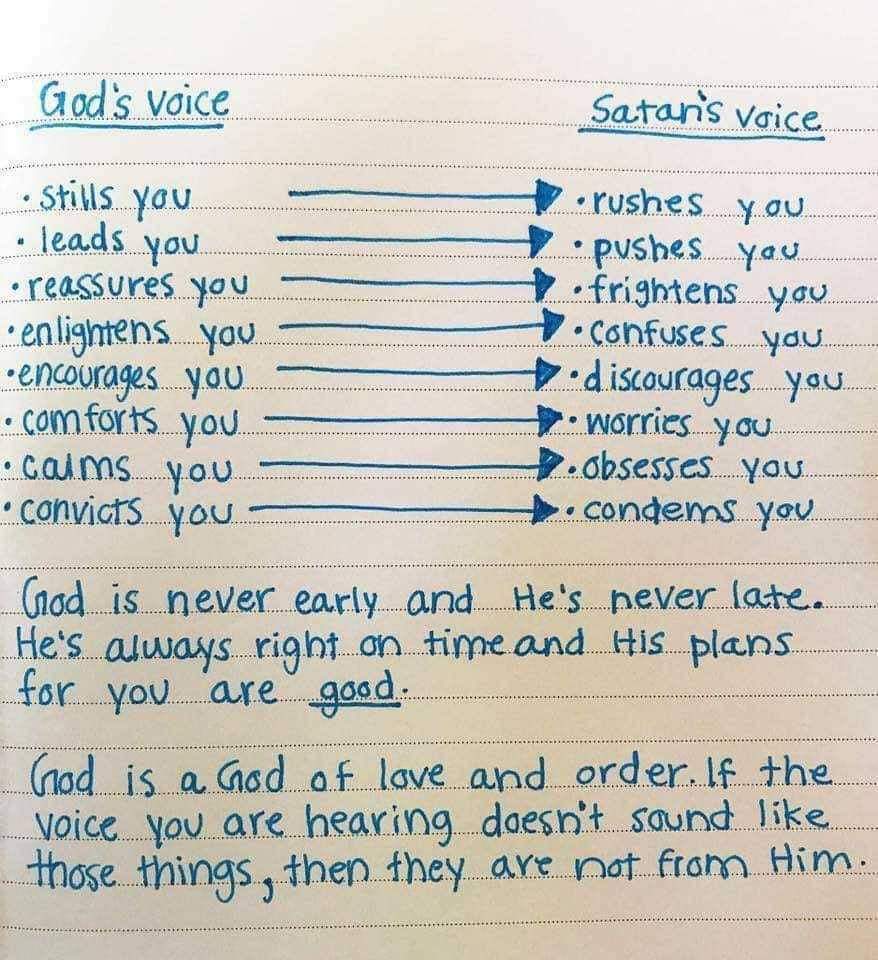
  • Protect us from enemies of evil who try to distract, deceive, or demolish our faith.  We must listen to Him and focus on His Words of Truth.
  • Heal in His best way to bring Him glory.  The healing might not come in ways we asked; we can rely on His plan.

These are only a few of the promises of God that are mentioned in His Word.  May we truly be still, let go of what we think, and grab hold of what all God has to offer. God’s Word stands firm and will not change.   Even on our worst days, when the world around us seems hopelessly out of control; God is working behind the scenes on our behalf.  Trust God.  God does not lie.  You can count on Him!  Listen as the Psalmist clarifies the majesty and power of God who loves us:

God is our refuge and strength,
    an ever-present help in trouble.
Therefore we will not fear, though the earth give way
    and the mountains fall into the heart of the sea,
though its waters roar and foam
    and the mountains quake with their surging]

There is a river whose streams make glad the city of God,
    the holy place where the Most High dwells.
God is within her, she will not fall;
    God will help her at break of day.
Nations are in uproar, kingdoms fall;
    he lifts his voice, the earth melts.

The Lord Almighty is with us;
    the God of Jacob is our fortress.

Come and see what the Lord has done,
    the desolations he has brought on the earth.
He makes wars cease
    to the ends of the earth.
He breaks the bow and shatters the spear;
    he burns the shields with fire.
10 He says, “Be still, and know that I am God;
    I will be exalted among the nations,
    I will be exalted in the earth.”

11 The Lord Almighty is with us;
    the God of Jacob is our fortress.

Psalm 46

Lord,

Thank you for allowing us to see the futility of telling you what to do when we should listen and obey what you say.  Thank you for walking with us through the experiences of generations past as great lessons of learning who you are with what you can do—make possible what we cannot imagine!  You are God.  I am not.  I’m yours.  And I’m listening.

In Jesus Name, Amen
Posted in Uncategorized | Tagged , , , , | Leave a comment

WHEN GOD SPEAKS—THROUGH A DONKEY!

Wait, what?  God will use whoever and whatever He chooses to get our attention, warn us of danger ahead, alert us of fools in our path, while guiding us on His better path to glory!  God is God. We are not.  God knows and sees all—even our inside our hearts. We were created to worship God alone with all our hearts, minds, and souls—our very lives! We who believe God; belong to God.  True believers don’t use God to get what they want, manipulate others to their advantage, or give great tithes and offerings to be used as bargaining chips with God.  We don’t buy God or His blessings!  Not to worry; God sees through all human behaviors who try to outsmart God whose thoughts are always higher than our thoughts. 

Read on—to the end—only then will we begin to understand the power of God in all circumstances!  Yep, God really did speak to a man through his donkey!

Numbers 22

Balak Summons Balaam

Then the Israelites traveled to the plains of Moab and camped along the Jordan across from Jericho.

Now Balak son of Zippor saw all that Israel had done to the Amorites, and Moab was terrified because there were so many people. Indeed, Moab was filled with dread because of the Israelites.

The Moabites said to the elders of Midian, “This horde is going to lick up everything around us, as an ox licks up the grass of the field.”

So Balak son of Zippor, who was king of Moab at that timesent messengers to summon Balaam son of Beor, who was at Pethor, near the Euphrates River, in his native land. Balak said:

“A people has come out of Egypt; they cover the face of the land and have settled next to me. Now come and put a curse on these people, because they are too powerful for me. Perhaps then I will be able to defeat them and drive them out of the land. For I know that whoever you bless is blessed, and whoever you curse is cursed.”

The elders of Moab and Midian left, taking with them the fee for divination. When they came to Balaam, they told him what Balak had said.

“Spend the night here,” Balaam said to them, “and I will report back to you with the answer the Lord gives me.” So the Moabite officials stayed with him.

God came to Balaam and asked, “Who are these men with you?”

10 Balaam said to God, “Balak son of Zippor, king of Moab, sent me this message: 11 ‘A people that has come out of Egypt covers the face of the land. Now come and put a curse on them for me. Perhaps then I will be able to fight them and drive them away.’”

12 But God said to Balaam, “Do not go with them. You must not put a curse on those people, because they are blessed.”

13 The next morning Balaam got up and said to Balak’s officials, “Go back to your own country, for the Lord has refused to let me go with you.”

14 So the Moabite officials returned to Balak and said, “Balaam refused to come with us.”

15 Then Balak sent other officials, more numerous and more distinguished than the first. 16 They came to Balaam and said:

“This is what Balak son of Zippor says: Do not let anything keep you from coming to me, 17 because I will reward you handsomely and do whatever you say. Come and put a curse on these people for me.”

18 But Balaam answered them, “Even if Balak gave me all the silver and gold in his palace, I could not do anything great or small to go beyond the command of the Lord my God. 19 Now spend the night here so that I can find out what else the Lord will tell me.”

20 That night God came to Balaam and said, “Since these men have come to summon you, go with them, but do only what I tell you.”

Balaam’s Donkey

21 Balaam got up in the morning, saddled his donkey and went with the Moabite officials. 22 But God was very angry when he went, and the angel of the Lord stood in the road to oppose him. Balaam was riding on his donkey, and his two servants were with him. 23 When the donkey saw the angel of the Lord standing in the road with a drawn sword in his hand, it turned off the road into a field. Balaam beat it to get it back on the road.

24 Then the angel of the Lord stood in a narrow path through the vineyards, with walls on both sides. 25 When the donkey saw the angel of the Lord, it pressed close to the wall, crushing Balaam’s foot against it. So he beat the donkey again.

26 Then the angel of the Lord moved on ahead and stood in a narrow place where there was no room to turn, either to the right or to the left. 27 When the donkey saw the angel of the Lord, it lay down under Balaam, and he was angry and beat it with his staff. 28 Then the Lord opened the donkey’s mouth, and it said to Balaam, “What have I done to you to make you beat me these three times?”

29 Balaam answered the donkey, “You have made a fool of me! If only I had a sword in my hand, I would kill you right now.”

30 The donkey said to Balaam, “Am I not your own donkey, which you have always ridden, to this day? Have I been in the habit of doing this to you?”

“No,” he said.

31 Then the Lord opened Balaam’s eyes, and he saw the angel of the Lord standing in the road with his sword drawn. So he bowed low and fell facedown.

32 The angel of the Lord asked him, “Why have you beaten your donkey these three times? I have come here to oppose you because your path is a reckless one before me. 33 The donkey saw me and turned away from me these three times. If it had not turned away, I would certainly have killed you by now, but I would have spared it.”

34 Balaam said to the angel of the Lord, “I have sinned. I did not realize you were standing in the road to oppose me. Now if you are displeased, I will go back.”

35 The angel of the Lord said to Balaam, “Go with the men, but speak only what I tell you.” So Balaam went with Balak’s officials.

36 When Balak heard that Balaam was coming, he went out to meet him at the Moabite town on the Arnon border, at the edge of his territory. 37 Balak said to Balaam, “Did I not send you an urgent summons? Why didn’t you come to me? Am I really not able to reward you?”

38 “Well, I have come to you now,” Balaam replied. “But I can’t say whatever I please. I must speak only what God puts in my mouth.”

39 Then Balaam went with Balak to Kiriath Huzoth. 40 Balak sacrificed cattle and sheep, and gave some to Balaam and the officials who were with him. 41 The next morning Balak took Balaam up to Bamoth Baal, and from there he could see the outskirts of the Israelite camp.

WHAT DO WE LEARN—HOW DO WE RESPOND?

Don’t kill the messenger!  And don’t beat on the One who is helping you!

Moab’s leader, Balak, pays a sorcerer to put a curse on the Israelites so he can drive God’s people out of his land.  Balak wants life as it has always been—under his control.  Fear and anger, from losing control, drives Balak to seek help from Balaam, a man God spoke to personally with specific directions in a very unique way—through his donkey!  Balaam didn’t like the message of God so he tried to beat it out of his donkey but with no success.  Finally, Balaam listened to God and obeyed.

Wait, I have questions! Don’t you? Did it not seem weird to casually carry on a conversation with a donkey without a hint of shock and awe? Did this happen often to Balaam? Was it because he was a professional magician and just accepted this rare occurrence as normal in his line of work?  Mm, maybe there are better questions we need to ask ourselves…

Isn’t it even more foolish to think we can buy God’s help to do what we desire or bargain for our own self-will in life?  When faced with adversity; we want God to just take it away with the wave of His wand.  When faced with illness that causes us to pause; we demand immediate healing so we can get back to work. When we fall short of funds at the end of the month; we want God to rain down money from heaven—even if we were not the best financial managers that month. When we seek foolish friends who applaud us, affirm our own foolish behaviors but leave like mice for a sinking ship when troubles come, our prayer goes something like this: “God fix it. Put a curse on those who aren’t doing what I want. I’ll give a donation next Sunday.  Okay, thanks!” 

What will it take for us to completely surrender to God’s will?  If God can employ the services of a donkey; we can be sure God will use the unexpected to get our full, undivided attention—All for our good and His glory!

People in Old Testament times commonly believed in curses and blessings. (I’m thinking we still do, to some extent!)  Balak wanted the sorcerer, Balaam, to use his supposed influence with Israel’s God to curse the Israelites and halt their progress into Canaan.  But God influenced the sorcerer and used his donkey to speak! 

God evaluates both motives and actions. Individuals’ inner heart attitudes, such as Balaam’s desire for power and money, will eventually be revealed no matter what outward disguise they use. God can and will use all kinds of messengers to get his message across.

Spoiler alert:  God doesn’t need you and me to do his work. Read that sentence again and pause as God speaks to our hearts.  We are merely messengers of His Good News of salvation.  We are His ambassadors by His kindness, not by our cleverness.  Don’t kill this messenger but I’m going to say it out loud:  It’s not about us.  It’s all about God.  It angers God when we think it is all about us.  Forgive us, Lord.

Lord,

Lead me through all the rough and smooth places.  Help me focus my full attention on you, not the bumps in the road.  I give you me.  I give you praise for all you have done, are doing and will do in my life. I love you, Lord. 

In Jesus Name, for our good and Your Glory, Amen

Posted in Uncategorized | Tagged , , , , | Leave a comment

GODLY TRAINING

My son is in the military.  He didn’t enlist to merely have employment; he felt a call to serve his country.  As soon as the paperwork was signed; he was sent to basic training, then specific training so he would be able to perform the assignment given to him. He still serves proudly today, doing his best, as a leader and trainer of others joining the military.  A desire to serve, obedient, teachable, yielding to training, allegiance, and relentless loyalty with purpose are all characteristics of one who is called to serve.

The Israelites completed their mourning for Aaron and were soon back on the road and back in the battle. Arad was a Canaanite town about twenty miles south of Hebron, so the new generation of Israelites was facing its first conflict with the Canaanites. The Israelite army would spend at least seven years conquering the nations in the Promised Land, so God gave them some military training as they marched on the road to Atharim.  Where God guides; He provides along the way.

Numbers 21

Arad Destroyed

When the Canaanite king of Arad, who lived in the Negev, heard that Israel was coming along the road to Atharim, he attacked the Israelites and captured some of them. Then Israel made this vow to the Lord: “If you will deliver these people into our hands, we will totally destroy their cities.” The Lord listened to Israel’s plea and gave the Canaanites over to them. They completely destroyed them and their towns; so the place was named Hormah.

The Bronze Snake

They traveled from Mount Hor along the route to the Red Sea, to go around EdomBut the people grew impatient on the way; they spoke against God and against Moses, and said, “Why have you brought us up out of Egypt to die in the wilderness? There is no bread! There is no water! And we detest this miserable food!”

Then the Lord sent venomous snakes among them; they bit the people and many Israelites died. The people came to Moses and said, “We sinned when we spoke against the Lord and against you. Pray that the Lord will take the snakes away from us.” So Moses prayed for the people.

The Lord said to Moses, “Make a snake and put it up on a pole; anyone who is bitten can look at it and live.” So Moses made a bronze snake and put it up on a pole. Then when anyone was bitten by a snake and looked at the bronze snake, they lived.

The Journey to Moab

10 The Israelites moved on and camped at Oboth. 11 Then they set out from Oboth and camped in Iye Abarim, in the wilderness that faces Moab toward the sunrise. 12 From there they moved on and camped in the Zered Valley13 They set out from there and camped alongside the Arnon, which is in the wilderness extending into Amorite territory. The Arnon is the border of Moab, between Moab and the Amorites. 14 That is why the Book of the Wars of the Lord says:

“. . . Zahab in Suphah and the ravines, the Arnon 15 and the slopes of the ravines
that lead to the settlement of Ar and lie along the border of Moab.”

16 From there they continued on to Beer, the well where the Lord said to Moses, “Gather the people together and I will give them water.”

17 Then Israel sang this song:

“Spring up, O well!
    Sing about it,
18 
about the well that the princes dug, that the nobles of the people sank—
    the nobles with scepters and staffs.”

Then they went from the wilderness to Mattanah19 from Mattanah to Nahaliel, from Nahaliel to Bamoth, 20 and from Bamoth to the valley in Moab where the top of Pisgah overlooks the wasteland.

Defeat of Sihon and Og

21 Israel sent messengers to say to Sihon king of the Amorites:

22 “Let us pass through your country. We will not turn aside into any field or vineyard, or drink water from any well. We will travel along the King’s Highway until we have passed through your territory.”

23 But Sihon would not let Israel pass through his territory. He mustered his entire army and marched out into the wilderness against Israel. When he reached Jahaz, he fought with Israel. 24 Israel, however, put him to the sword and took over his land from the Arnon to the Jabbok, but only as far as the Ammonites, because their border was fortified. 25 Israel captured all the cities of the Amorites and occupied them, including Heshbon and all its surrounding settlements. 26 Heshbon was the city of Sihon king of the Amorites, who had fought against the former king of Moab and had taken from him all his land as far as the Arnon.

27 That is why the poets say:

“Come to Heshbon and let it be rebuilt;
    let Sihon’s city be restored.

28 “Fire went out from Heshbon,
    a blaze from the city of Sihon.
It consumed Ar of Moab,
    the citizens of Arnon’s heights.
29 Woe to you, Moab!
    You are destroyed, people of Chemosh!
He has given up his sons as fugitives
    and his daughters as captives
    to Sihon king of the Amorites.

30 “But we have overthrown them;
    Heshbon’s dominion has been destroyed all the way to Dibon.
We have demolished them as far as Nophah,
    which extends to Medeba.”

31 So Israel settled in the land of the Amorites.

32 After Moses had sent spies to Jazer, the Israelites captured its surrounding settlements and drove out the Amorites who were there. 33 Then they turned and went up along the road toward Bashan, and Og king of Bashan and his whole army marched out to meet them in battle at Edrei.

34 The Lord said to Moses, “Do not be afraid of him, for I have delivered him into your hands, along with his whole army and his land. Do to him what you did to Sihon king of the Amorites, who reigned in Heshbon.”

35 So they struck him down, together with his sons and his whole army, leaving them no survivors. And they took possession of his land.

WHAT DO WE LEARN—HOW DO WE RESPOND?

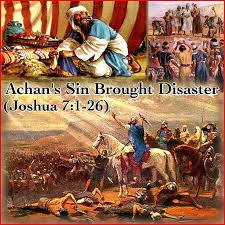
What we are reading might seem harsh to us without some background about what is going on at this time.  God is sending His People into a land agriculturally rich but woefully full of sin.  The Canaanites oppose God and hate each other with no regard for the sanctity of human life.  Their religious practices included sacrificing their children to their gods, for example, among other detestable and vile sins.  To “utterly destroy or consume” literally meant to devote something completely to the Lord, wiping out the people and their cities and giving all the spoils to God. This is what Israel would later do at Jericho (Joshua 6:17–21), and because Achan took what belonged to God, he was slain (Joshua 7). The Canaanite culture was unspeakably wicked, especially their religious practices, and God wanted these nations removed from the earth.

SOMETHING TO CONSIDER—

I’m wondering what the twelve original spies are thinking right now?  Are ten spies who said possessing the land to be impossible, changing their minds yet?  Is there an, “I told you with God we can do this” coming from the lips of Joshua and Caleb?

This first victory in battle certainly encouraged the Israelites, but it’s one thing to “mount up with wings like eagles” and quite something else to “walk and not faint” (Isaiah 40:31) with challenges get too hard in our minds and we can’t see what lies ahead. Courageous faith in battle must be followed by endurance in the race. Because the Edomites wouldn’t give Israel right-of-way through their land, Moses had to lead the people east of Edom and then north through difficult terrain. It didn’t take long before the difficulty of the march made the people impatient, and they started complaining again. It’s easy for us to win the battle but lose the victory!

I’m reminded of Paul’s tenacity and devotion to Jesus when he speaks of endurance with purpose to believers, encouraging them in their “race”.  In 1 Corinthians 9:24-27 (NIV), the apostle Paul uses the imagery of a race to highlight the importance of perseverance and discipline in the Christian life. This passage encourages believers to approach their Christian journey with purpose, discipline, and the goal of an eternal reward—and without grumbling! 

“Don’t you realize that in a race everyone runs, but only one person gets the prize? So run to win! All athletes are disciplined in their training. They do it to win a prize that will fade away, but we do it for an eternal prize. So I run with purpose in every step. I am not just shadowboxing. I discipline my body like an athlete, training it to do what it should. Otherwise, I fear that after preaching to others I myself might be disqualified.”   1 Corinthians 9:24-27 NLT

“Do everything without complaining and arguing15 so that no one can criticize you. Live clean, innocent lives as children of God, shining like bright lights in a world full of crooked and perverse people.” Philippians 2:14-15 NLT

Snakes—damage control for grumbling that disrupted their focus for the journey?  Did God hear the same complaint against God and Moses just one too many times?  I think of parents who the hear whiny grumblings of their children over and over until they say; “If you say that just one more time, _______.” (You can fill in the blank with your best comeback!) 

Incessant grumbling and complaining is a sin against the One who loves us most and is providing for our every need!  It is a sin against the leaders God has chosen to help us “run the race” set before us!  God proves His point with His people with a lesson in the discipline to replace grumbling with trust and faith in Him that will be remembered for all generations!  And for us! 

God gave Moses (and us) a remedy for our sin—

The wages of sin is still death.  The people begged Moses to pray for them and help them!  Moses did pray for the people, but the Lord didn’t answer in the way the people might have expected. Instead of immediately removing the snakes and healing the people who had been bitten, God instructed Moses to make a snake of bronze and put it on a pole where all the people could see it. If those who had been bitten looked at the snake, they would be instantly healed.

Centuries later, Jesus used the bronze snake to illustrate His own death on the cross (John 3:14). (“Lifted up” was a phrase used in that day to refer to crucifixion.) “The comparisons between the bronze snake in Moses’ day and the cross of Christ help us better understand the meaning of God’s grace in salvation. All people have been infected by sin and will one day die and face judgment (Hebrews 9:27), but if they look by faith to Christ, He will save them and give them eternal life. Looking to the bronze snake saved people from physical death, but looking to Christ saves us from eternal death.–Warren Wiersbe, Wiersbe Study Bible

IMAGINE THE JOY IN THE CAMP FOR THE CURE!

Jesus was crucified publicly, outside the city of Jerusalem, and those who hear the gospel can “look to Him”, believe, repent of their sins and be saved.

“Whoever calls on the name of the LORD shall be saved” (Romans 10:13).

“For God so loved the world that he gave his one and only Son, that whoever believes in him shall not perish but have eternal life.” John 3:16

The uplifted snake was the only cure in the camp, just as Jesus Christ is the only Savior of sinners in the world (John 14:6; Acts 4:12). Imagine the joy in the camp of Israel when the word got out that there was a cure available for everybody! The only people not healed from death were those who didn’t look by faith, or those who didn’t know that a remedy was available. How important it is for us to get the good news out that “Christ Jesus came into the world to save sinners” (1 Timothy 1:15). Camp on this thought—take all the time you need.

Move forward at God’s command.  Depend on the training God provides.

Israel followed a pattern for possessing the Promised Land:

  • Joshua would send out spies to get the lay of the land.
  • Then he would seek God’s special instructions for each attack.
  • Joshua would obey God’s orders by faith, and win the victory.

The two times that Joshua didn’t follow this pattern he was defeated (Joshua 7 and 9).

More battles lie ahead…Stay tuned!  It gets dicey!

Lord,

As we run the race, build our resolve for the race so we may endure and persevere.  Cleanse our hearts, remove all that does not belong.  Renew our minds, transform our behaviors. Refresh our souls with your new mercies that encourage us. Restore the JOY of your salvation at work with us.

In Jesus Name, Amen

Posted in Uncategorized | Leave a comment

GRUMBLING 101

We learn much about human nature by following the Israelites across the desert wilderness.  We learn how to grumble consistently and continually when they feel fear or loss of their basic needs. Here is what we have learned:

  • At the first hint of trouble; Grumble first then Blame the leader. 
  • When things of life are not going our way; Grumble firsts then Blame the leader.
  • When life’s circumstances become challenging and too hard for us; Grumble louder then Blame the leader.

How to Grumble until God hears it, too:

  • Assume the leader does not know how unhappy we are.
  • Allow anger over the situation to give you the arrogant fury to point out to the leader all the ways you are unhappy.
  • Do not offer a solution. (Because we don’t have a plan!) That’s the leader’s job to take care of us and all our problems with solutions that will make us happy again.
  • Point out all the leader’s inadequacies and failures as the final blow for attention to our needs.

We use these grumbling fine-tuned and practiced often techniques to get what we want like a crying infant who doesn’t know what they really need.  We don’t care about the leader much less care about what the leader wants; we want our needs met now!  All Godly given gifts are laid aside.  Leaders lose their minds over the grumbling as they are human, too!  Sin wins when we grumble, complain, and demand our own way. 

But God knows.  He always knows what is truly in our hearts.  Our grumblings and dissatisfactions are heard and seen.  We have God’s attention and focus on the situation but not in the way that will be good for us.  God will intervene but not in the way we assumed He would or should.  Our leaders who follow God become merely collateral damage to our desires and demands.  Our human sin nature is harsh and full of hate.  God is love—the opposite of hate.

Numbers 20

Water From the Rock

In the first month the whole Israelite community arrived at the Desert of Zin, and they stayed at Kadesh. There Miriam died and was buried.

Now there was no water for the community, and the people gathered in opposition to Moses and Aaron. They quarreled with Moses and said, “If only we had died when our brothers fell dead before the Lord! Why did you bring the Lord’s community into this wilderness, that we and our livestock should die here? Why did you bring us up out of Egypt to this terrible place? It has no grain or figs, grapevines or pomegranates. And there is no water to drink!”

Moses and Aaron went from the assembly to the entrance to the tent of meeting and fell facedown, and the glory of the Lord appeared to them. The Lord said to Moses, “Take the staff, and you and your brother Aaron gather the assembly together. Speak to that rock before their eyes and it will pour out its water. You will bring water out of the rock for the community so they and their livestock can drink.”

So Moses took the staff from the Lord’s presence, just as he commanded him. 10 He and Aaron gathered the assembly together in front of the rock and Moses said to them, “Listen, you rebels, must we bring you water out of this rock?” 11 Then Moses raised his arm and struck the rock twice with his staff. Water gushed out, and the community and their livestock drank.

12 But the Lord said to Moses and Aaron, “Because you did not trust in me enough to honor me as holy in the sight of the Israelites, you will not bring this community into the land I give them.”

13 These were the waters of Meribahwhere the Israelites quarreled with the Lord and where he was proved holy among them.

Edom Denies Israel Passage

14 Moses sent messengers from Kadesh to the king of Edom, saying:

“This is what your brother Israel says: You know about all the hardships that have come on us. 15 Our ancestors went down into Egypt, and we lived there many years. The Egyptians mistreated us and our ancestors, 16 but when we cried out to the Lord, he heard our cry and sent an angel and brought us out of Egypt.

“Now we are here at Kadesh, a town on the edge of your territory. 17 Please let us pass through your country. We will not go through any field or vineyard, or drink water from any well. We will travel along the King’s Highway and not turn to the right or to the left until we have passed through your territory.”

18 But Edom answered:

“You may not pass through here; if you try, we will march out and attack you with the sword.”

19 The Israelites replied:

“We will go along the main road, and if we or our livestock drink any of your water, we will pay for it. We only want to pass through on foot—nothing else.”

20 Again they answered:

“You may not pass through.”

Then Edom came out against them with a large and powerful army. 21 Since Edom refused to let them go through their territory, Israel turned away from them.

The Death of Aaron

22 The whole Israelite community set out from Kadesh and came to Mount Hor23 At Mount Hor, near the border of Edom, the Lord said to Moses and Aaron, 24 “Aaron will be gathered to his people. He will not enter the land I give the Israelites, because both of you rebelled against my command at the waters of Meribah25 Get Aaron and his son Eleazar and take them up Mount Hor. 26 Remove Aaron’s garments and put them on his son Eleazar, for Aaron will be gathered to his people; he will die there.”

27 Moses did as the Lord commanded: They went up Mount Hor in the sight of the whole community. 28 Moses removed Aaron’s garments and put them on his son Eleazar. And Aaron died there on top of the mountain. Then Moses and Eleazar came down from the mountain, 29 and when the whole community learned that Aaron had died, all the Israelites mourned for him thirty days.

WHAT DO WE LEARN—HOW DO WE RESPOND?

Upon reading our passage slowing and prayerfully, we realize that in the midst of leading God’s people; Moses’ dear sister Miriam as died. Moses and Aaron are probably mourning her loss as the Israelites come at them with angry grumbling over the water situation. Moses goes to God.  God intervenes and tells Moses exactly what to do to get water for the people.  But, although being a great leader for God, Moses is also an imperfect human.  Moses claims the glory for the water, with a bit of bitterness thrown it for the grumblers—just for good measure.  “You want water—you got water!”

We can easily sit here and judge Moses over this incident and gloat over the consequences of his sinful act of arrogance against God—or we can learn from it.  If we pause to reflect, we might vividly remember our own responses when we were pushed into a corner. Did we emerge from being pushed around in a godly manner?  Did we come out fighting from places of hurt, despair, and the agony over loss?  Did we retaliate with; “People, you don’t know what I’m going through right now, leave me alone!”  Or did we fall on our faces before God seeking His wisdom; doing exactly what He said without our personal editorials?  Yeah, I didn’t think so.  “All have sinned and fall short of the glory of God!”  (Romans 3:23) We must believe and repent of our sins. 

God’s verdict was swift and probably the ultimate blow to Moses’ temporary burst of arrogance and anger, behaviors not normal for Moses being the “most humbled man on the earth.”  But it happened; this was God’s response:  Moses’ generation will not set foot in the Promised Land.  Aaron will pass on his God given leadership to his son. 

God continued to be in control as he led his people, even to the extent of denying the leaders, Moses and Aaron, entrance into the promised land. When the people entered the land without these great men, God showed that his power does not depend on any dynamic leader. Every step of faith depends on God alone.

May we learn to lovingly, willingly, obediently respond to God with;

  • I trust you, Lord.  I trust you with my life because you are Life.
  • You are not only my Savior but you are my Lord! 
  • I believe and accept Your Lordship.
  • Forgive me of my sins as I forgive others who sinned against me.
  • I believe that nothing comes to me that hasn’t passed through you.
  • I am grateful for all you have done, are doing, and will do in and through my life!
  • Truly this glimpse into the past generates strength for the future.
  • Jesus, you are my hope. Remain in me and I will remain in you.
  • Thank you for never changes in your love and care for me/us.
  • Thank you for always being with us, guiding each step we take.

Prayer like Jesus taught us before doing anything else;

“Our Father in heaven, hallowed be your name,
your kingdom come, your will be done, on earth as it is in heaven.
Give us today our daily bread.
And forgive us our sins, as we forgive those who sin against us.
And lead us not into temptation, but deliver us from the evil one. (Matthew 6:9-13)

In Jesus Name, for our good and God’s glory, Amen

Posted in Uncategorized | 1 Comment

CLEANSING OF THE DEAD

Most of us, in our country, are shielded from preparing a body for burial.  We leave it up to trained professionals who come and take lifeless bodies from hospital beds, private homes, vehicle accidents, or from places of business. Whenever and wherever death occurs, these people know exactly what to do and do it quickly, quietly, and reverently in most cases.  Funeral home employees also know how to provide a comforting environment for the mourners of loved ones who have passed from this life to the next. Randy and I have worked with funeral home providers in our past pastoral ministries.  There are many details that command certain practices to be done legally and reverently in the cleansing, dressing, and preparing of bodies for burial.  This is all done behind the scenes so that mourners are comforted.  “Blessed are the mourners…for they shall be comforted.”

But what if you are in the middle of the desert wilderness?  What then?  God provides the details; God always knows what lies ahead for His people and has the answer.  God knows exactly what they will need to know when death occurs in the camp.  God directs them with purpose.  That’s how God works!

The regulations about “clean and unclean” are spelled out in detail in Leviticus 11–15, telling the Israelites what they could eat, how they should deal with bodily discharges and infections, and what to do about dead bodies. Certainly, there was a hygienic purpose behind these laws, but there was also a spiritual purpose: to teach the Israelites the difference between holiness and sin and to encourage them to walk in holiness.

Numbers 19

The Water of Cleansing

The Lord said to Moses and Aaron: “This is a requirement of the law that the Lord has commanded: Tell the Israelites to bring you a red heifer without defect or blemish and that has never been under a yoke. Give it to Eleazar the priest; it is to be taken outside the camp and slaughtered in his presence. Then Eleazar the priest is to take some of its blood on his finger and sprinkle it seven times toward the front of the tent of meeting. While he watches, the heifer is to be burned—its hide, flesh, blood and intestines. The priest is to take some cedar wood, hyssop and scarlet wool and throw them onto the burning heifer. After that, the priest must wash his clothes and bathe himself with water. He may then come into the camp, but he will be ceremonially unclean till evening. The man who burns it must also wash his clothes and bathe with water, and he too will be unclean till evening.

A man who is clean shall gather up the ashes of the heifer and put them in a ceremonially clean place outside the camp. They are to be kept by the Israelite community for use in the water of cleansing; it is for purification from sin10 The man who gathers up the ashes of the heifer must also wash his clothes, and he too will be unclean till evening. This will be a lasting ordinance both for the Israelites and for the foreigners residing among them.

11 “Whoever touches a human corpse will be unclean for seven days12 They must purify themselves with the water on the third day and on the seventh day; then they will be clean. But if they do not purify themselves on the third and seventh days, they will not be clean. 13 If they fail to purify themselves after touching a human corpse, they defile the Lord’s tabernacle. They must be cut off from Israel. Because the water of cleansing has not been sprinkled on them, they are unclean; their uncleanness remains on them.

14 This is the law that applies when a person dies in a tent: Anyone who enters the tent and anyone who is in it will be unclean for seven days, 15 and every open container without a lid fastened on it will be unclean.

16 “Anyone out in the open who touches someone who has been killed with a sword or someone who has died a natural death, or anyone who touches a human bone or a grave, will be unclean for seven days.

17 “For the unclean person, put some ashes from the burned purification offering into a jar and pour fresh water over them. 18 Then a man who is ceremonially clean is to take some hyssop, dip it in the water and sprinkle the tent and all the furnishings and the people who were there. He must also sprinkle anyone who has touched a human bone or a grave or anyone who has been killed or anyone who has died a natural death. 19 The man who is clean is to sprinkle those who are unclean on the third and seventh days, and on the seventh day he is to purify them. Those who are being cleansed must wash their clothes and bathe with water, and that evening they will be clean. 20 But if those who are unclean do not purify themselves, they must be cut off from the community, because they have defiled the sanctuary of the Lord. The water of cleansing has not been sprinkled on them, and they are unclean. 21 This is a lasting ordinance for them.

The man who sprinkles the water of cleansing must also wash his clothes, and anyone who touches the water of cleansing will be unclean till evening. 22 Anything that an unclean person touches becomes unclean, and anyone who touches it becomes unclean till evening.”

WHAT DO WE LEARN—HOW DO WE RESPOND?

First of all, be grateful to God for providing trained morticians when death occurs in our families!  I respect those who have been trained to help others through this time of loss.

Could Eleazar have been the first mortician?  God appointed him to be involved in the process for sure.  Because of their involvement with a dead body, Eleazar and the man assisting him were considered ceremonially unclean and had to wash themselves and their clothing before returning to the camp in the evening. A man ceremonially clean gathered up the ashes into a container and placed it in a clean place outside the camp, accessible to the people. He too had to wash before he could return to the camp.

It was a very serious offense if a defiled person refused to be purified, because defiled people defiled the camp. God’s presence dwelt in the tabernacle and He walked among the people; therefore, the camp had to be kept holy. 

The church today doesn’t worry about external ritual uncleanness, but we should take to heart the lesson of this chapter; God wants us to be a holy people.  Does that mean we must be perfect to enter the church doors?  No, Jesus says come to Me, just as you are, with a promise; I will set you free from the chains of your sins that bind you and hold you down. 

When we seek Jesus, repent in His Name, giving ourselves to Him; Jesus changes everything about us from head to toe.  We may have come to Him as the “walking dead” but Jesus gives “new life in Him.”  We are new creations who are born again! By the power of God’s Holy Spirit living in us; we begin to think, speak, and respond in a new and different way—like Jesus! 

Jesus says to come as you are; but we will not stay as we are.  It is His Will and Plan to take us on new adventures with His love, mercy, and grace lessons coming along on  the journey. Jesus purpose is to save us from our walking dead lives that lead nowhere!  Instead, we come alive in Christ who saved us and set us free—for eternity!

The dead cannot cleanse themselves.  Jesus is the One and Only who washes away our sins and makes us holy before God.  Jesus also taught us that as forgiveness is freely given too us, we must freely give forgiveness to others and tell them what we know and have in Jesus.

Let us pause to prayerfully reflect—

When we come to Jesus wherever we are or even at church gatherings; are we seeking God’s holiness?  Are we consistently yielding to His purification process in us?  Are we ready to rise from the ashes of death and defeat to be purified instead by the lessons of those ashes, be cleansed in the Living Waters, and rise with Him in victory?

“For we know that since Christ was raised from the dead, he cannot die again; death no longer has mastery over him. The death he died, he died to sin once for all; but the life he lives, he lives to God.  In the same way, count yourselves dead to sin but alive to God in Christ Jesus. Therefore do not let sin reign in your mortal body so that you obey its evil desires. Do not offer any part of yourself to sin as an instrument of wickedness, but rather offer yourselves to God as those who have been brought from death to life; and offer every part of yourself to him as an instrument of righteousness. For sin shall no longer be your master, because you are not under the law, but under grace.” Romans 6:9-14 

Come alive in Christ!

Lord,

Cleanse my heart and wash it clean from all impurities.  Renew my mind and transform my daily responses and actions.  Refresh my soul with your new, tender mercies for today’s part of the journey.  Restore the joy of your salvation that is always at work within me. I love you, Lord, with all my heart, all my mind, and all my soul.  I trust you with my life because you are Life!

In Jesus Name, Amen
By Your spirit I will rise
From the ashes of defeat
The resurrected King, is resurrecting me
In Your name I come alive
To declare Your victory
The resurrected King, is resurrecting me

(Elevation Worship, Songwriters: Christopher Brown / Mack Brock / Matthews Thabo Ntele / Steven Furtick / Wade Joye/Resurrecting lyrics © Essential Music Publishing)
Posted in Uncategorized | Leave a comment