YOU ARE MINE             

“Be my Valentine,” “I’m Yours”, “Love you”, “Love me back”!  All these short phrases are stamped on candied hearts.  As kids, we would buy the small boxes with the cellophane window by the dozens to hand out to those in our class at school. To be known as belonging to someone, even in friendship, is a gift among humans.  Psychologists will tell you that beyond the four basic, physical needs of air, water, food, and shelter to survive, is the need to belong.  We don’t really want to be alone.  We want to belong to someone.  When that Someone is God; we are never alone.  We are His and He is ours when we love Him back with all our hearts, minds, and souls.  Jesus made that connection possible. Pause to give Him praise and thanksgiving!

Moses consecrated and anointed the completed place of worship. The people brought gifts and offerings for the tent of meeting.  Now, the emphasis is on the Levites clan that God has chosen to be set apart as His.  “The Levites are mine,” says the Lord.  The Levites are appointed, anointed, dedicated, consecrated, and assigned to all tasks involving the Tent of Meeting.  God has given them the details of how to perform every task along with the assignment of “doing the Lord’s work”.  The Levites are “gifts” to Aaron and his sons to help them do the work of sacrifice that atones the sins of all Israelites—a sojourning group of thousands.  The Levites will as lead the people in worship to their God—our God.  To truly know God, we must worship Him for who He really is, our great, powerful, and awesome God.

Numbers 8

Setting Up the Lamps

The Lord said to Moses, “Speak to Aaron and say to him, ‘When you set up the lamps, see that all seven light up the area in front of the lampstand.’”

Aaron did so; he set up the lamps so that they faced forward on the lampstand, just as the Lord commanded Moses. This is how the lampstand was made: It was made of hammered gold—from its base to its blossoms. The lampstand was made exactly like the pattern the Lord had shown Moses.

The Setting Apart of the Levites

The Lord said to Moses: “Take the Levites from among all the Israelites and make them ceremonially clean. To purify them, do this: Sprinkle the water of cleansing on them; then have them shave their whole bodies and wash their clothes. And so they will purify themselves. Have them take a young bull with its grain offering of the finest flour mixed with olive oil; then you are to take a second young bull for a sin offering. Bring the Levites to the front of the tent of meeting and assemble the whole Israelite community. 10 You are to bring the Levites before the Lord, and the Israelites are to lay their hands on them. 11 Aaron is to present the Levites before the Lord as a wave offering from the Israelites, so that they may be ready to do the work of the Lord.

12 Then the Levites are to lay their hands on the heads of the bulls, using one for a sin offering to the Lord and the other for a burnt offering, to make atonement for the Levites. 13 Have the Levites stand in front of Aaron and his sons and then present them as a wave offering to the Lord. 14 In this way you are to set the Levites apart from the other Israelites, and the Levites will be mine.

15 After you have purified the Levites and presented them as a wave offering, they are to come to do their work at the tent of meeting. 16 They are the Israelites who are to be given wholly to me. I have taken them as my own in place of the firstborn, the first male offspring from every Israelite woman. 17 Every firstborn male in Israel, whether human or animal, is mine. When I struck down all the firstborn in Egypt, I set them apart for myself. 18 And I have taken the Levites in place of all the firstborn sons in Israel. 19 From among all the Israelites, I have given the Levites as gifts to Aaron and his sons to do the work at the tent of meeting on behalf of the Israelites and to make atonement for them so that no plague will strike the Israelites when they go near the sanctuary.”

20 Moses, Aaron and the whole Israelite community did with the Levites just as the Lord commanded Moses21 The Levites purified themselves and washed their clothes. Then Aaron presented them as a wave offering before the Lord and made atonement for them to purify them. 22 After that, the Levites came to do their work at the tent of meeting under the supervision of Aaron and his sons. They did with the Levites just as the Lord commanded Moses.

23 The Lord said to Moses, 24 “This applies to the Levites: Men twenty-five years old or more shall come to take part in the work at the tent of meeting, 25 but at the age of fifty, they must retire from their regular service and work no longer. 26 They may assist their brothers in performing their duties at the tent of meeting, but they themselves must not do the work. This, then, is how you are to assign the responsibilities of the Levites.”

WHAT DO WE LEARN—HOW DO WE RESPOND?

TAKE NOTE:  It is interesting that when the tabernacle was dedicated to the Lord, God’s glory moved in (Ex. 40:34, 35) and God’s fire consumed the sacrifices on the altar (Lev. 9:23, 24). But God didn’t light the seven lamps on the gold lampstand in the Holy Place. Why not, we might ask?  God wants us to join HIM in His work to declare who He is.  Worship of God includes doing the work of the Lord as He commands.  Those who belong to God trust and obey God.  So, this assignment by God became the obligation of Aaron, the high priest, for he and his sons and their descendants would have the solemn responsibility of caring for the lampstand, trimming the wicks, adding the sacred oil, and making sure the light was shining. They “belonged to God.”

FOR CLARITY: “If Aaron and his sons were the “official clergy” in the camp, serving at the altar and in the tabernacle, then the Levites were the “dedicated laity” who assisted the priests in their ministry. They were taken and “set apart from the rest of the people of Israel” as substitutes for the firstborn males who belonged to the Lord. The Levites belonged to the Lord (Numbers 8:14), and He gave them to the priests as His special gift (v. 19). The Levites cared for the tabernacle, took the structure down for each march, carried it during the march, and then erected it again in the new location.”         —Warren Wiersbe Study Bible

EMERGING PRINCIPLES OF SERVICE: 

  1. God who chooses, equips, and consecrates His people for spiritual service, and we must accept His will.
  2. The priests oversaw the tabernacle ministry and the Levites assisted them. Every priest had to come from Aaron’s family, and no Levite was allowed to take the place of a priest.
  3. Levites were not permitted to serve at the altar, wear the priestly garments, or enter the sanctuary.
  4. Those who serve must first serve the Lord and then serve His people. God’s servants must be living sacrifices, an “offering to the Lord,” Romans 12:1-2.
  5. We serve the Lord by serving His people, but our orders must come from God. “For we do not preach ourselves, but Christ Jesus the Lord, and ourselves your bondservants for Jesus’ sake” (2 Corinthians 4:5).
  6. No matter what task the Lord assigns to us, it is important to His work, and we must do it cheerfully and carefully.  “Work with enthusiasm, as though you were working for the Lord rather than for people.” Ephesians 6:7-8, NLT

PRICIPLES OF GOD-LED LEADERSHIP:

The priests and Levites camped around the tabernacle in designated areas to serve as protectors against those who wanted to invade the holy area and invite the judgment of God.

Today, leaders in local churches must be diligent to protect the flock from “wolves in sheep clothing” who would destroy it. “Take heed to yourselves and to all the flock,” was Paul’s warnings to the leaders of the Ephesian church (Acts 20:28).  He cautioned them that dangerous enemies would arise from both outside the church and within the congregation (Acts 20:29–31). God’s servants must ever be on the alert and courageous to confront the enemies of God’s truth.

We are not alone, however.  No, Never Alone as the old hymn reminds us.  For we belong to God through Jesus work on the cross for our redemption from the Enemy.  Belonging to God means we are more that conquerors and become overcomers with the chief Overcomer, Jesus!  Yes, we are His and He is ours—what blessed assurance!

Lord,

Thank you for focusing our thoughts on belonging to You this morning. Thank you for your love, care, compassion, faithfulness, mercy, and grace that forgives us of all our sins!  Thank you for keeping watch over your beloved. Thank you for teaching us the truth as our daily manna for today.

In Jesus Name, Amen

Posted in Uncategorized | Tagged , , , , | Leave a comment

TWELVE DAYS OF GIVING

What comes to my mind as we read of the offerings given from the Twelve Tribes of Israel in dedication to God is the song many of us playfully and laboriously sing during the Christmas season.  Most Americans know the lyrics to the “12 Days of Christmas” but most are unaware of the Biblical meaning and origin of the beloved carol!  Since God likes the number 12, let’s learn the true meaning behind the song.

“The Twelve Days of Christmas” is an English Christmas carol that lists a group of increasingly superb gifts given on each of the 12 days of Christmas (the 12 days that make up the Christmas season, starting with Christmas Day). The song, published in England in 1780 without music as a chant or rhyme, is thought to be French in origin. The standard tune we know was derived from a 1909 arrangement of a traditional folk melody by English composer Frederic Austin, who introduced the familiar prolongation of the verse “five gold rings” (now usually called “five golden rings”).

“The Twelve Days of Christmas” to a little more than a silly Christmas carol, most scholars of the Catholic Church deem it a very important surviving example of a time when that denomination used codes to disguise their teachings. Originally a poem written by Catholic clerics, this song was transformed into a carol at a time when celebrating the 12 days of Christmas was one of the most important holiday customs. By understanding the meaning of why the clerics chose the 12 days as wrapping for their poem, the full impact of the tradition of the 12 days of Christmas can be understood.

Meaning of Each Gift in the “12 Days of Christmas”, in case you didn’t know—

1. A Partridge in a Pear Tree: The partridge in a pear tree represents Jesus, the Son of God, whose birthday we celebrate on the first day of Christmas. Christ is symbolically presented as a mother partridge, the only bird that will die to protect its young.

2. Two Turtledoves: These twin birds represent the Old and New Testaments. So, in this gift, the singer finds the complete story of the Christian faith and God’s plan for the world. The doves are the biblical roadmap that is available to everyone.

3. Three French Hens: These birds represent faith, hope, and love. This gift hearkens back to 1 Corinthians 13, the love chapter written by the Apostle Paul. It also represents the Holy Trinity: The Father, Son, and Holy Spirit

4. Four Calling Birds: One of the easiest facets of the song’s code to figure out these fowl are the four Gospels — Matthew, Mark, Luke, and John.

5. Five Gold Rings: The gift of the rings represents the first five books of the Old Testament, known as the Torah or the Pentateuch, (which we are now reading): Genesis, Exodus, Leviticus, Numbers, and Deuteronomy.

6. Six Geese a-Laying: These lyrics can be traced back to the first story found in the Bible. Each egg is a day in creation when God “hatched” or formed the world; God created the heavens and the earth, God created the sky and seas, God created the land and plants, God created the sun, moon, and stars, God created fish and birds, God created land animals and man
 

7. Seven Swans a-Swimming: It would take someone quite familiar with the Bible to identify this gift. Hidden in the code are the seven gifts of the Holy Spirit: Prophecy, Ministry, Teaching, Exhortation, Giving, Leading, Compassion. As swans are one of the most beautiful and graceful creatures on earth, they would seem to be a perfect symbol for spiritual gifts.

8. Eight Maids-a-Milking: As Christ came to save even the lowest of the low, this gift represents the ones who would receive his word and accept his grace. Being a milkmaid was about the worst job one could have in England during this period; this code conveyed that Jesus cared as much about servants as he did those of royal blood. The Eight Maids represent the 8 Beatitudes, from Matthew 5:3-10: Blessed are…the poor in spirit: for theirs is the kingdom of heaven, Those who mourn: for they shall be comforted, The meek: for they shall inherit the earth, Those who hunger and thirst for righteousness, for they shall be filled, The merciful: for they shall obtain mercy, The pure in heart: for they shall see God, The peacemakers: for they shall be called children of God, They which are persecuted for righteousness sake: for theirs is the kingdom of heaven.

9. Nine Ladies Dancing: These nine dancers were really the gifts known as the fruit of the Spirit. The Fruits of the Spirit include: Love, Joy, Peace, Patience, Kindness, Goodness, Faithfulness, Gentleness, Self-control.

10. Ten Lords a-leaping: This is probably the easiest gift to understand. As lords were judges and in charge of the law, this code for the Ten Commandments was fairly straightforward to Christians.  Thou shall have no other gods before me, Thou shalt not make unto thee any graven image, Thou shalt not take the name of the Lord thy God in vain, Remember the Sabbath Day to keep it holy, Honor thy father and mother, Thou shalt not kill, Thou shalt not commit adultery, Thou shalt not steal, Thou shalt not bear false witness against thy neighbor, Thou shalt not covet.

11. Eleven Pipers Piping: This is almost a trick question, as most think of the disciples in terms of the dozen. But when Judas betrayed Jesus and committed suicide, only eleven men carried out the gospel message. Therefore, the Eleven Pipers Piping signify the 11 Faithful Disciples: Simon (whom He named Peter), Andrew, James, John, Philip, Bartholomew, Matthew, Thomas, James, son of Alphaeus, Simon, who was called the Zealot, Judas, son of James, and Judas Iscariot was later replaced with faithful Matthias.

12. Twelve Drummers Drumming: The final gift is tied directly to the Catholic Church. The drummers are the 12 points of doctrine in the Apostles’ Creed. (Protestants leave out number 9.)

1. I believe in God, the Father almighty, creator of heaven and earth.

2. I believe in Jesus Christ, his only Son, our Lord.

3. He was conceived by the power of the Holy Spirit and born of the Virgin Mary.

4. He suffered under Pontius Pilate, was crucified, died, and was buried.

5. He descended into hell. On the third day, He rose again.

6. He ascended into heaven and is seated at the right hand of God the Father Almighty.

7. He will come again to judge the living and the dead.

8. I believe in the Holy Spirit,

9. the holy catholic Church, the communion of saints,

10. the forgiveness of sins,

11. the resurrection of the body,

12. and the life everlasting.

(Sources: The Twelve Days of Christmas – True Meaning Behind the Lyrics | Crosswalk.com, Christianity.com, Wikipedia.org.)

Okay, why did we need to know?  This information helps us understand the meaning and story behind important Christian holidays of tradition that began with God who first loved us and gave His Son to us.  Sometimes we just need to pause life and reflect take time to reflect on all that God has done for us through His Son, Jesus Christ!

AND, since God likes the number twelve as His way of organizing His People; we will come closer to knowing who He is and why He teaches the leaders of the Twelve Tribes to give back a portion of what He has so generously and graciously given to them.  Their offerings will be accepted as ways to atone for their sins and dedicate their lives to God!  Giving is in the DNA of God’s created because we were created in the image of God, the Giver of Life!

Numbers 7

Offerings at the Dedication of the Tabernacle

When Moses finished setting up the tabernacle, he anointed and consecrated it and all its furnishings. He also anointed and consecrated the altar and all its utensils. Then the leaders of Israel, the heads of families who were the tribal leaders in charge of those who were counted, made offeringsThey brought as their gifts before the Lord six covered carts and twelve oxen—an ox from each leader and a cart from every two. These they presented before the tabernacle.

The Lord said to Moses, “Accept these from them, that they may be used in the work at the tent of meeting. Give them to the Levites as each man’s work requires.”

So Moses took the carts and oxen and gave them to the Levites. He gave two carts and four oxen to the Gershonites, as their work required, and he gave four carts and eight oxen to the Merarites, as their work required. They were all under the direction of Ithamar son of Aaron, the priest. But Moses did not give any to the Kohathites, because they were to carry on their shoulders the holy things, for which they were responsible.

10 When the altar was anointed, the leaders brought their offerings for its dedication and presented them before the altar. 11 For the Lord had said to Moses, “Each day one leader is to bring his offering for the dedication of the altar.”

12 The one who brought his offering on the first day was Nahshon son of Amminadab of the tribe of Judah.

13 His offering was one silver plate weighing a hundred and thirty shekels and one silver sprinkling bowl weighing seventy shekels, both according to the sanctuary shekel, each filled with the finest flour mixed with olive oil as a grain offering; 14 one gold dish weighing ten shekels, filled with incense; 15 one young bull, one ram and one male lamb a year old for a burnt offering; 16 one male goat for a sin offering[d]17 and two oxen, five rams, five male goats and five male lambs a year old to be sacrificed as a fellowship offering. This was the offering of Nahshon son of Amminadab.

18 On the second day Nethanel son of Zuar, the leader of Issachar, brought his offering.

19 The offering he brought was one silver plate weighing a hundred and thirty shekels and one silver sprinkling bowl weighing seventy shekels, both according to the sanctuary shekel, each filled with the finest flour mixed with olive oil as a grain offering; 20 one gold dish weighing ten shekels, filled with incense; 21 one young bull, one ram and one male lamb a year old for a burnt offering; 22 one male goat for a sin offering; 23 and two oxen, five rams, five male goats and five male lambs a year old to be sacrificed as a fellowship offering. This was the offering of Nethanel son of Zuar.

24 On the third day, Eliab son of Helon, the leader of the people of Zebulun, brought his offering.

25 His offering was one silver plate weighing a hundred and thirty shekels and one silver sprinkling bowl weighing seventy shekels, both according to the sanctuary shekel, each filled with the finest flour mixed with olive oil as a grain offering; 26 one gold dish weighing ten shekels, filled with incense; 27 one young bull, one ram and one male lamb a year old for a burnt offering; 28 one male goat for a sin offering; 29 and two oxen, five rams, five male goats and five male lambs a year old to be sacrificed as a fellowship offering. This was the offering of Eliab son of Helon.

30 On the fourth day Elizur son of Shedeur, the leader of the people of Reuben, brought his offering.

31 His offering was one silver plate weighing a hundred and thirty shekels and one silver sprinkling bowl weighing seventy shekels, both according to the sanctuary shekel, each filled with the finest flour mixed with olive oil as a grain offering; 32 one gold dish weighing ten shekels, filled with incense; 33 one young bull, one ram and one male lamb a year old for a burnt offering; 34 one male goat for a sin offering; 35 and two oxen, five rams, five male goats and five male lambs a year old to be sacrificed as a fellowship offering. This was the offering of Elizur son of Shedeur.

36 On the fifth day Shelumiel son of Zurishaddai, the leader of the people of Simeon, brought his offering.

37 His offering was one silver plate weighing a hundred and thirty shekels and one silver sprinkling bowl weighing seventy shekels, both according to the sanctuary shekel, each filled with the finest flour mixed with olive oil as a grain offering; 38 one gold dish weighing ten shekels, filled with incense; 39 one young bull, one ram and one male lamb a year old for a burnt offering; 40 one male goat for a sin offering; 41 and two oxen, five rams, five male goats and five male lambs a year old to be sacrificed as a fellowship offering. This was the offering of Shelumiel son of Zurishaddai.

42 On the sixth day Eliasaph son of Deuel, the leader of the people of Gad, brought his offering.

43 His offering was one silver plate weighing a hundred and thirty shekels and one silver sprinkling bowl weighing seventy shekels, both according to the sanctuary shekel, each filled with the finest flour mixed with olive oil as a grain offering; 44 one gold dish weighing ten shekels, filled with incense; 45 one young bull, one ram and one male lamb a year old for a burnt offering; 46 one male goat for a sin offering; 47 and two oxen, five rams, five male goats and five male lambs a year old to be sacrificed as a fellowship offering. This was the offering of Eliasaph son of Deuel.

48 On the seventh day Elishama son of Ammihud, the leader of the people of Ephraim, brought his offering.

49 His offering was one silver plate weighing a hundred and thirty shekels and one silver sprinkling bowl weighing seventy shekels, both according to the sanctuary shekel, each filled with the finest flour mixed with olive oil as a grain offering; 50 one gold dish weighing ten shekels, filled with incense; 51 one young bull, one ram and one male lamb a year old for a burnt offering; 52 one male goat for a sin offering; 53 and two oxen, five rams, five male goats and five male lambs a year old to be sacrificed as a fellowship offering. This was the offering of Elishama son of Ammihud.

54 On the eighth day Gamaliel son of Pedahzur, the leader of the people of Manasseh, brought his offering.

55 His offering was one silver plate weighing a hundred and thirty shekels and one silver sprinkling bowl weighing seventy shekels, both according to the sanctuary shekel, each filled with the finest flour mixed with olive oil as a grain offering; 56 one gold dish weighing ten shekels, filled with incense; 57 one young bull, one ram and one male lamb a year old for a burnt offering; 58 one male goat for a sin offering; 59 and two oxen, five rams, five male goats and five male lambs a year old to be sacrificed as a fellowship offering. This was the offering of Gamaliel son of Pedahzur.

60 On the ninth day Abidan son of Gideoni, the leader of the people of Benjamin, brought his offering.

61 His offering was one silver plate weighing a hundred and thirty shekels and one silver sprinkling bowl weighing seventy shekels, both according to the sanctuary shekel, each filled with the finest flour mixed with olive oil as a grain offering; 62 one gold dish weighing ten shekels, filled with incense; 63 one young bull, one ram and one male lamb a year old for a burnt offering; 64 one male goat for a sin offering; 65 and two oxen, five rams, five male goats and five male lambs a year old to be sacrificed as a fellowship offering. This was the offering of Abidan son of Gideoni.

66 On the tenth day Ahiezer son of Ammishaddai, the leader of the people of Dan, brought his offering.

67 His offering was one silver plate weighing a hundred and thirty shekels and one silver sprinkling bowl weighing seventy shekels, both according to the sanctuary shekel, each filled with the finest flour mixed with olive oil as a grain offering; 68 one gold dish weighing ten shekels, filled with incense; 69 one young bull, one ram and one male lamb a year old for a burnt offering; 70 one male goat for a sin offering; 71 and two oxen, five rams, five male goats and five male lambs a year old to be sacrificed as a fellowship offering. This was the offering of Ahiezer son of Ammishaddai.

72 On the eleventh day Pagiel son of Okran, the leader of the people of Asher, brought his offering.

73 His offering was one silver plate weighing a hundred and thirty shekels and one silver sprinkling bowl weighing seventy shekels, both according to the sanctuary shekel, each filled with the finest flour mixed with olive oil as a grain offering; 74 one gold dish weighing ten shekels, filled with incense; 75 one young bull, one ram and one male lamb a year old for a burnt offering; 76 one male goat for a sin offering; 77 and two oxen, five rams, five male goats and five male lambs a year old to be sacrificed as a fellowship offering. This was the offering of Pagiel son of Okran.

78 On the twelfth day Ahira son of Enan, the leader of the people of Naphtali, brought his offering.

79 His offering was one silver plate weighing a hundred and thirty shekels and one silver sprinkling bowl weighing seventy shekels, both according to the sanctuary shekel, each filled with the finest flour mixed with olive oil as a grain offering; 80 one gold dish weighing ten shekels, filled with incense; 81 one young bull, one ram and one male lamb a year old for a burnt offering; 82 one male goat for a sin offering; 83 and two oxen, five rams, five male goats and five male lambs a year old to be sacrificed as a fellowship offering. This was the offering of Ahira son of Enan.

84 These were the offerings of the Israelite leaders for the dedication of the altar when it was anointed: twelve silver plates, twelve silver sprinkling bowls and twelve gold dishes. 85 Each silver plate weighed a hundred and thirty shekels, and each sprinkling bowl seventy shekels. Altogether, the silver dishes weighed two thousand four hundred shekels, according to the sanctuary shekel. 86 The twelve gold dishes filled with incense weighed ten shekels each, according to the sanctuary shekel. Altogether, the gold dishes weighed a hundred and twenty shekels. 87 The total number of animals for the burnt offering came to twelve young bulls, twelve rams and twelve male lambs a year old, together with their grain offering. Twelve male goats were used for the sin offering. 88 The total number of animals for the sacrifice of the fellowship offering came to twenty-four oxen, sixty rams, sixty male goats and sixty male lambs a year old. These were the offerings for the dedication of the altar after it was anointed.

89 When Moses entered the tent of meeting to speak with the Lord, he heard the voice speaking to him from between the two cherubim above the atonement cover on the ark of the covenant law. In this way the Lord spoke to him.

WHAT DO WE LEARN—HOW DO WE RESPOND?

The fact that God noted and recorded each name and each gift indicates His love for and interest in the individual believer. He knows us by name! (John 10:3)

We are a people blessed of the Lord, just like the ancients before us!  With these blessings comes the obligation to be a blessing to others. God wants us to be a generous people, supporting the local church and helping the work of the Lord around the world as He directs us.

Lord,

I trust you with my life because YOU are the Giver of Life eternal!  You are Provider, Healer, Sustainer, Protector, Savior, and Lord.  Who would I trust but You?  No one.

I offer my life to you as an offering to you.  Lead me in all I think, say, and do.

In Jesus Name, Amen

Posted in Uncategorized | Tagged , , , , | Leave a comment

THE VOW TO COME CLOSER STILL TO GOD

I’ve heard it said many times and now realize in my life that God is a close as our most sincere, fervent prayer.  In truth, God is as close as the mere mention of His name! The Psalmist verifies it;

The LORD is near to all who call on him, to all who call on him in truth.” Psalm 145:18

“The Lord is close to the brokenhearted and saves those who are crushed in spirit” Psalm 34:18

How comforting it is to know that our God actually saves us by taking our pain and giving us special joy, comfort, healing that can only come from His Holy Spirit who lives in all who believe Him.  Sometimes, in tragedies, we will suddenly feel an extraordinary calm, this is the Spirit of God drawing ever nearer to us. There is power in His Presence as we draw near to Him.  We all face trials and tests that force us to decide daily and sometimes hourly to whom do we truly believe and trust with all our lives?  Do we trust God fully and completely—no matter the current situation or circumstance?

The Nazirites took a vow to be fully dedicated to the Lord and trust in Him completely.  It was God who established the Nazirite vow to form a small group who would serve God. The restrictions (abstain from drinking wine, cutting or shaving hair, and touching a dead body) were intended to keep a Nazirite’s life holy and clean.  They followed special rules to be closer in mind and spirit to God. They provide examples for us of dedication to God. Religious rules should only be followed by people who have a sincere heart.

Numbers 6

The Nazirite

6 The Lord said to Moses“Speak to the Israelites and say to them: ‘If a man or woman wants to make a special vow, a vow of dedication to the Lord as a Nazirite, they must abstain from wine and other fermented drink and must not drink vinegar made from wine or other fermented drink. They must not drink grape juice or eat grapes or raisins. As long as they remain under their Nazirite vow, they must not eat anything that comes from the grapevine, not even the seeds or skins.

“‘During the entire period of their Nazirite vow, no razor may be used on their head. They must be holy until the period of their dedication to the Lord is over; they must let their hair grow long.

“‘Throughout the period of their dedication to the Lord, the Nazirite must not go near a dead body. Even if their own father or mother or brother or sister dies, they must not make themselves ceremonially unclean on account of them, because the symbol of their dedication to God is on their head. Throughout the period of their dedication, they are consecrated to the Lord.

“‘If someone dies suddenly in the Nazirite’s presence, thus defiling the hair that symbolizes their dedication, they must shave their head on the seventh day—the day of their cleansing. 10 Then on the eighth day they must bring two doves or two young pigeons to the priest at the entrance to the tent of meeting11 The priest is to offer one as a sin offering and the other as a burnt offering to make atonement for the Nazirite because they sinned by being in the presence of the dead body. That same day they are to consecrate their head again. 12 They must rededicate themselves to the Lord for the same period of dedication and must bring a year-old male lamb as a guilt offering. The previous days do not count, because they became defiled during their period of dedication.

13 “‘Now this is the law of the Nazirite when the period of their dedication is over. They are to be brought to the entrance to the tent of meeting. 14 There they are to present their offerings to the Lord: a year-old male lamb without defect for a burnt offering, a year-old ewe lamb without defect for a sin offering, a ram without defect for a fellowship offering, 15 together with their grain offerings and drink offerings, and a basket of bread made with the finest flour and without yeast—thick loaves with olive oil mixed in, and thin loaves brushed with olive oil.

16 “‘The priest is to present all these before the Lord and make the sin offering and the burnt offering. 17 He is to present the basket of unleavened bread and is to sacrifice the ram as a fellowship offering to the Lord, together with its grain offering and drink offering.

18 “‘Then at the entrance to the tent of meeting, the Nazirite must shave off the hair that symbolizes their dedication. They are to take the hair and put it in the fire that is under the sacrifice of the fellowship offering.

19 “‘After the Nazirite has shaved off the hair that symbolizes their dedication, the priest is to place in their hands a boiled shoulder of the ram, and one thick loaf and one thin loaf from the basket, both made without yeast. 20 The priest shall then wave these before the Lord as a wave offering; they are holy and belong to the priest, together with the breast that was waved and the thigh that was presented. After that, the Nazirite may drink wine.

21 “‘This is the law of the Nazirite who vows offerings to the Lord in accordance with their dedication, in addition to whatever else they can afford. They must fulfill the vows they have made, according to the law of the Nazirite.’”

The Priestly Blessing

22 The Lord said to Moses, 23 “Tell Aaron and his sons, ‘This is how you are to bless the Israelites. Say to them:

24 “‘“The Lord bless you
    and keep you;
25 the Lord make his face shine on you
    and be gracious to you;
26 the Lord turn his face toward you
    and give you peace.”’

27 So they will put my name on the Israelites, and I will bless them.”

WHAT DO WE LEARN—HOW DO WE RESPOND?

Don’t confuse “Nazirite” with “Nazarene.” Jesus was called a “Nazarene” because He came from Nazareth, a city despised by the people of Judea (John 1:43–46). The word “Nazirite” comes from a Hebrew word that means “to set apart, to dedicate.” Each Nazirite had a different goal in mind, but all of them wanted to glorify the Lord and obey His Word. They didn’t isolate themselves from society but rather were witnesses to others of the importance of total devotion to the Lord. Their vow was for a specified period (Read Acts 21:23–27 for an example) and a specified purpose.  We think of Esther who believed God and “for such a time as this” dedicated herself to God and His people to save them from harm. Enjoy this beautiful story of dedication in the Book of Esther!

We do not need to become Nazirites to serve Christ. As believers, we strive to learn to follow God’s Word and pray for God’s wisdom so you can better serve Him in all places…family, vocation, and even on vacation!  No matter where we are or what we are dealing with at any given moment; prayer takes away fears and anxieties as we place all our trust firmly in our heavenly Father.  I know this because God has done in over and over again in my life.  And just yesterday and today, as we face yet another trial, He’s doing it again!

God’s priests were not only given the privilege of serving at the altar and ministering in the sanctuary, but they were also allowed to bless God’s people in the name of the Lord. We still use this blessing today, for it belongs to us as well as to Israel.

The Apostle Paul reminds God’s church that we have been blessed with “every spiritual blessing” through the Lord Jesus Christ (See Ephesians 1:3), and we can claim this benediction through Him!

We need the blessings that God gave to the priests to deliver to His people.  How sweet it is to know that when we draw near to God; He draws near to us!  God’s blessings are to be cared for by the Lord who watches over us; to have the smile of His face upon us and the riches of His grace given to us; to have Him pay attention to us when we call; and, as the result of these things, to enjoy His peace in our hearts.

And that’s why we trust Him!

The Lord bless you and keep you;
the Lord make his face shine on you and be gracious to you;
the Lord turn his face toward you and give you peace.

In Jesus Name, for our good and His glory, Amen!  Yes, and Amen!

Blessed Assurance, Jesus is mine
He’s been my fourth man in the fire, time after time
Born of His Spirit, washed in His blood
And what He did for me on Calvary is more than enough

I trust in God, my Savior
The one who will never fail
He will never fail
I trust in God, my Savior
The one who will never fail
He will never fail

Perfect submission, all is at rest
I know the author of tomorrow has ordered my steps
So this is my story and this is my song
I’m praising my risen King and Savior all the day long

I trust in God, my Savior
The one who will never fail…

“It is of the Lord’s mercies that we are not consumed, because his compassions fail not. They are new every morning: great is thy faithfulness.” Lamentations 3:22-23

Posted in Uncategorized | Tagged , , , , | Leave a comment

NEXT TO GODLINESS?

“Cleanliness is next to Godliness,” Grandma Lacquement would often say to guilt me into washing my hands before meals after being outside with farm animals or fishing at the ponds! Grit under my fingernails was not acceptable to Grandma who served delicious meals to us!  Dirt on my overalls needed to be brushed off and muddy shoes left at the door before I could join them at the table.  Since Grandma was an avid Bible reader, and I felt “next to God”, I assumed this phrase was from God!

While the exact phrase “cleanliness is next to Godliness” does not appear in the Bible, the scriptures emphasize the importance of cleanliness. We learned throughout Leviticus God’s directives with details of various purification rituals required to maintain cleanliness. These rituals were not only about physical hygiene but also about spiritual purification.

The saying “cleanliness is next to godliness” suggests that being clean is nearly as important as being morally upright. It also implies the significance of maintaining personal hygiene and a tidy living environment without passing diseases. In Christianity, however, this idea isn’t just about keeping our bodies and homes clean. It also means keeping our hearts and minds clean. This internal cleanliness involves virtues like kindness, honesty, and faith.

As we read Numbers 5 today of the consequences of uncleanliness let us ask the Holy Spirit to examine our own hearts and evaluate our internal cleanliness.  Is our thought life virtuous; thinking, being, and doing what is right and good?  Are our heart’s intentions for our good and for God’s glory?  Cleanliness means being kind to others, telling the truth, and helping those in need. These good actions and attitudes make our hearts pure. When our hearts are pure, we are more like God wants us to be. The Bible teaches that God looks at the heart, not just our outward actions. So, being clean inside is very important to our faith!

Yes, faith is also a big part of internal cleanliness. Having strong faith means trusting in God and believing in His teachings. It means praying to seek God first, reading the Bible for understanding and application, as we strive to live like Jesus taught us. When we have strong faith, we are spiritually clean. This helps us feel closer to God and live in a way that honors Him. So, “Cleanliness is next to Godliness” reminds us to keep our hearts and minds clean with good virtues and strong faith.

Numbers 5

The Purity of the Camp

The Lord said to Moses, Command the Israelites to send away from the camp anyone who has a defiling skin disease or a discharge of any kind, or who is ceremonially unclean because of a dead body. Send away male and female alike; send them outside the camp so they will not defile their camp, where I dwell among them.” The Israelites did so; they sent them outside the camp. They did just as the Lord had instructed Moses.

Restitution for Wrongs

The Lord said to Moses, “Say to the Israelites: ‘Any man or woman who wrongs another in any way and so is unfaithful to the Lord is guilty and must confess the sin they have committed. They must make full restitution for the wrong they have done, add a fifth of the value to it and give it all to the person they have wrongedBut if that person has no close relative to whom restitution can be made for the wrong, the restitution belongs to the Lord and must be given to the priest, along with the ram with which atonement is made for the wrongdoer. All the sacred contributions the Israelites bring to a priest will belong to him. 10 Sacred things belong to their owners, but what they give to the priest will belong to the priest.’”

The Test for an Unfaithful Wife

11 Then the Lord said to Moses12 “Speak to the Israelites and say to them: ‘If a man’s wife goes astray and is unfaithful to him 13 so that another man has sexual relations with her, and this is hidden from her husband and her impurity is undetected (since there is no witness against her and she has not been caught in the act), 14 and if feelings of jealousy come over her husband and he suspects his wife and she is impure—or if he is jealous and suspects her even though she is not impure— 15 then he is to take his wife to the priest. He must also take an offering of a tenth of an ephah of barley flour on her behalf. He must not pour olive oil on it or put incense on it, because it is a grain offering for jealousy, a reminder-offering to draw attention to wrongdoing.

16 “‘The priest shall bring her and have her stand before the Lord. 17 Then he shall take some holy water in a clay jar and put some dust from the tabernacle floor into the water. 18 After the priest has had the woman stand before the Lord, he shall loosen her hair and place in her hands the reminder-offering, the grain offering for jealousy, while he himself holds the bitter water that brings a curse. 19 Then the priest shall put the woman under oath and say to her, “If no other man has had sexual relations with you and you have not gone astray and become impure while married to your husband, may this bitter water that brings a curse not harm you. 20 But if you have gone astray while married to your husband and you have made yourself impure by having sexual relations with a man other than your husband”— 21 here the priest is to put the woman under this curse—“may the Lord cause you to become a curse among your people when he makes your womb miscarry and your abdomen swell. 22 May this water that brings a curse enter your body so that your abdomen swells or your womb miscarries.”

“‘Then the woman is to say, “Amen. So be it.”

23 “‘The priest is to write these curses on a scroll and then wash them off into the bitter water24 He shall make the woman drink the bitter water that brings a curse, and this water that brings a curse and causes bitter suffering will enter her. 25 The priest is to take from her hands the grain offering for jealousy, wave it before the Lord and bring it to the altar. 26 The priest is then to take a handful of the grain offering as a memorial offering and burn it on the altar; after that, he is to have the woman drink the water. 27 If she has made herself impure and been unfaithful to her husband, this will be the result: When she is made to drink the water that brings a curse and causes bitter suffering, it will enter her, her abdomen will swell and her womb will miscarry, and she will become a curse. 28 If, however, the woman has not made herself impure, but is clean, she will be cleared of guilt and will be able to have children.

29 “‘This, then, is the law of jealousy when a woman goes astray and makes herself impure while married to her husband, 30 or when feelings of jealousy come over a man because he suspects his wife. The priest is to have her stand before the Lord and is to apply this entire law to her. 31 The husband will be innocent of any wrongdoing, but the woman will bear the consequences of her sin.’”

WHAT DO WE LEARN—HOW DO WE RESPOND?

The concepts of “clean” and “unclean” were vital to sustaining daily life in Israel. Cleanliness involved much more than personal hygiene; it involved being acceptable to God in what they ate, what they wore, and how they conducted themselves at home and in public. The Israelites were in the infancy of their faith, and God used familiar pictures to teach them spiritual truth. He compared sin to disease and defilement and holiness to health and cleanliness (Leviticus 11–15). Unclean people were put out of the camp until they had met the ceremonial requirements for reentry.  This was for the protection of the healthy.

In the New Testament, the emphasis shifts more towards inner purity. Jesus teaches that it is not just the outward cleanliness that matters but the purity of the heart. For example; In Matthew 23:25-26, Jesus criticizes the Pharisees for focusing on outward cleanliness while neglecting the cleanliness of their hearts: “Woe to you, teachers of the law and Pharisees, you hypocrites! You clean the outside of the cup and dish, but inside they are full of greed and self-indulgence. Blind Pharisee! First clean the inside of the cup and dish, and then the outside also will be clean.”  The priests had all but forgotten God and had lived their lives without Him, demanding from the people what they did not deserve as compensation.  God’s system for restitution, atonement, and forgiveness had broken down in translation and application.  Jesus, God’s Son, came to set them straight!

Our response as believers in Jesus today is to maintain cleanliness in daily life as an expression of our respect for God’s creation, which includes our bodies. We were “made in the image of God”! The Apostle Paul reminds us in 1 Corinthians 6:19-20 that our bodies are temples of the Holy Spirit and should be treated with respect: “Do you not know that your bodies are temples of the Holy Spirit, who is in you, whom you have received from God? You are not your own; you were bought at a price. Therefore, honor God with your bodies.”  This principle extends to our living environments as well. Keeping our homes and surroundings clean reflects our respect for the blessings God has given us to steward or manage. It also creates an environment conducive to worship and fellowship with others! A clean home can be a place where God’s presence is felt while love and hospitality is extended to others.

In addition to physical cleanliness, believers in Jesus are called to pursue spiritual cleanliness. This involves asking the Holy Spirit to guide us in examining our hearts and minds regularly and seeking forgiveness and cleansing from God. Psalm 51:10 is a beautiful prayer that I pray daily and hold dear as I seek God: “Create in me a pure heart, O God, and renew a steadfast spirit within me.” This verse highlights the importance of seeking God’s help in maintaining spiritual purity.

Staying clean is a discipline well worth the investment!  May our first thought as we rise each morning be communication with the God who loves us and sent His Son to save us!  Paul writes in 1 Thessalonians 5:17 to “pray without ceasing,” which implies quick, inner prayers throughout the day. These honest prayers reflect our desire to be led by God in all the details of life and can be as simple as expressing gratitude or seeking guidance in a moment of need.

Daily reading the Bible is essential to staying “attached to the Vine” of our existence in Truth as a believer!  The Bible is daily manna for our souls! 

Sharing the Truth with friends who also believe or are on their way to believing is vital to our growing faith while maintaining spiritual cleanliness and wellness.  We need each other!  Paul speaks of this need often with ways to help each other!  All these disciplines help us to stay connected to God and to live lives that reflect His holiness.

Lord,

Cleanse my heart, remove all that does not belong.  Renew my mind with your Truth.  Transform my behaviors so I will be more like you today than yesterday.  Refresh my soul with your tender mercies of correction for today. Restore the joy of your salvation always at work within me.  Create in me a pure heart, O Lord.

In Jesus Name, Amen

Posted in Uncategorized | Tagged , , , , | Leave a comment

THE CARRYING COMPANY

“Carry your weight!” What does this American idiom really mean? We use it to remind others working with us that each person needs to do their assigned part, filling one’s responsibilities to whatever is being done by a group of people. For example:

“I know I’ve been sick, but I’ll carry my weight on the project, don’t worry.”

“If you don’t carry your weight; our presentation will never be finished on time.” “He needs to start carrying his weight around here, or we’ll have to let him go.

The idiom can also mean that certain people of importance can influence others in decision making.  For example:

“Your argument does not carry a lot of weight with me.” “The senator’s testimony carried a lot of weight with the council.”

But what tops the charts in defining “carrying your weight” is that each person in any group, family, or company must do one’s share to fulfill completion of any project.  For example: The weight is the burden that is the responsibility of someone.” “Tom, you must be more helpful around the house; we each have to carry our own weight.” 

God commands Moses and Aaron to now count the men from thirty to fifty years of age to carry the weight of the Tent of Meeting.  If they follow God’s guidelines, no man will be overloaded with too much to bear. God is in the details, for sure. What God has declared holy must remain holy unto Him. So, God directs each family group of men with WHAT and HOW to carry the weight of all that is connected to the Tent of Meeting.  All guidelines as directed by the appointed sons of Aaron must be obeyed—it’s a matter of life or death! 

Numbers 4

The Kohathites

The Lord said to Moses and Aaron: Take a census of the Kohathite branch of the Levites by their clans and families. Count all the men from thirty to fifty years of age who come to serve in the work at the tent of meeting.

This is the work of the Kohathites at the tent of meeting: the care of the most holy things. When the camp is to move, Aaron and his sons are to go in and take down the shielding curtain and put it over the ark of the covenant law. Then they are to cover the curtain with a durable leather, spread a cloth of solid blue over that and put the poles in place.

Over the table of the Presence they are to spread a blue cloth and put on it the plates, dishes and bowls, and the jars for drink offerings; the bread that is continually there is to remain on it. They are to spread a scarlet cloth over them, cover that with the durable leather and put the poles in place.

“They are to take a blue cloth and cover the lampstand that is for light, together with its lamps, its wick trimmers and trays, and all its jars for the olive oil used to supply it. 10 Then they are to wrap it and all its accessories in a covering of the durable leather and put it on a carrying frame.

11 Over the gold altar they are to spread a blue cloth and cover that with the durable leather and put the poles in place.

12 “They are to take all the articles used for ministering in the sanctuary, wrap them in a blue cloth, cover that with the durable leather and put them on a carrying frame.

13 “They are to remove the ashes from the bronze altar and spread a purple cloth over it. 14 Then they are to place on it all the utensils used for ministering at the altar, including the firepans, meat forks, shovels and sprinkling bowls. Over it they are to spread a covering of the durable leather and put the poles in place.

15 “After Aaron and his sons have finished covering the holy furnishings and all the holy articles, and when the camp is ready to move, only then are the Kohathites to come and do the carrying. But they must not touch the holy things or they will die. The Kohathites are to carry those things that are in the tent of meeting.

16 “Eleazar son of Aaron, the priest, is to have charge of the oil for the light, the fragrant incense, the regular grain offering and the anointing oil. He is to be in charge of the entire tabernacle and everything in it, including its holy furnishings and articles.”

17 The Lord said to Moses and Aaron, 18 “See that the Kohathite tribal clans are not destroyed from among the Levites. 19 So that they may live and not die when they come near the most holy things, do this for them: Aaron and his sons are to go into the sanctuary and assign to each man his work and what he is to carry. 20 But the Kohathites must not go in to look at the holy things, even for a moment, or they will die.”

The Gershonites

21 The Lord said to Moses, 22 Take a census also of the Gershonites by their families and clans. 23 Count all the men from thirty to fifty years of age who come to serve in the work at the tent of meeting.

24 “This is the service of the Gershonite clans in their carrying and their other work: 25 They are to carry the curtains of the tabernacle, that is, the tent of meeting, its covering and its outer covering of durable leather, the curtains for the entrance to the tent of meeting, 26 the curtains of the courtyard surrounding the tabernacle and altar, the curtain for the entrance to the courtyard, the ropes and all the equipment used in the service of the tent. The Gershonites are to do all that needs to be done with these things. 27 All their service, whether carrying or doing other work, is to be done under the direction of Aaron and his sons. You shall assign to them as their responsibility all they are to carry. 28 This is the service of the Gershonite clans at the tent of meeting. Their duties are to be under the direction of Ithamar son of Aaron, the priest.

The Merarites

29 “Count the Merarites by their clans and families. 30 Count all the men from thirty to fifty years of age who come to serve in the work at the tent of meeting. 31 As part of all their service at the tent, they are to carry the frames of the tabernacle, its crossbars, posts and bases, 32 as well as the posts of the surrounding courtyard with their bases, tent pegs, ropes, all their equipment and everything related to their use. Assign to each man the specific things he is to carry. 33 This is the service of the Merarite clans as they work at the tent of meeting under the direction of Ithamar son of Aaron, the priest.”

The Numbering of the Levite Clans

34 Moses, Aaron and the leaders of the community counted the Kohathites by their clans and families. 35 All the men from thirty to fifty years of age who came to serve in the work at the tent of meeting, 36 counted by clans, were 2,75037 This was the total of all those in the Kohathite clans who served at the tent of meeting. Moses and Aaron counted them according to the Lord’s command through Moses.

38 The Gershonites were counted by their clans and families. 39 All the men from thirty to fifty years of age who came to serve in the work at the tent of meeting, 40 counted by their clans and families, were 2,63041 This was the total of those in the Gershonite clans who served at the tent of meeting. Moses and Aaron counted them according to the Lord’s command.

42 The Merarites were counted by their clans and families. 43 All the men from thirty to fifty years of age who came to serve in the work at the tent of meeting, 44 counted by their clans, were 3,20045 This was the total of those in the Merarite clans. Moses and Aaron counted them according to the Lord’s command through Moses.

46 So Moses, Aaron and the leaders of Israel counted all the Levites by their clans and families. 47 All the men from thirty to fifty years of age who came to do the work of serving and carrying the tent of meeting 48 numbered 8,580. 49 At the Lord’s command through Moses, each was assigned his work and told what to carry.

Thus they were counted, as the Lord commanded Moses.

WHAT DO WE LEARN—HOW DO WE RESPOND?

Each group of men carried their share in specific ways.  Poles were put into place by the priests; then and only then, could the men pick up the poles at the priests command and put them on their shoulders for carrying their heavy, assigned part of the Tent of Meeting.

Camping is exhausting unless—

If you have ever been camping with your family we will more readily understand this concept of each person carrying their weight as we “break up camp”.  We must do our part as we take down the tent, fold it carefully so it will fit back into the bag.  We must dig up all the tent stakes so they are not lost. Ashes from the campfire must be dosed with water and sand for safety.  The area around our campsite must be free of debris making it “better than the way we found it.”  We take down the lines for drying clothes, pack the cleaned kitchen utensils and pots, repack any leftover foods, put more ice in the chest for storing cold food for the trip home, and then finally put our duffle bags into the vehicle.  Our family of five each had specific tasks according to their age and strength.  We were a well-oiled machine when each person did their part and didn’t quit until the job was done!  Camping taught our young kids great lessons of responsibility.  As adults, they know how to carry their weight!

As committed believers to Jesus and to the church Jesus built upon the shoulders of his disciples like Peter, John, and later Paul; we can see readily now how all of what we have learn today in Numbers applies to our lives now!  We have learned from past experiences of working together in any group situation how carrying our own assigned weight is important to fulfilling the command Jesus gave to all of us!  (Matthew 28:20) And yes, it IS a matter of life or death for lost souls seeking a Savior!

Jesus gives every believer a part of His work to carry out with a detailed assignment to fulfill within the congregation and beyond the church building for perfectly holy reasons—

“He (Jesus) makes the whole body fit together perfectly. As each part does its own special work, it helps the other parts grow, so that the whole body is healthy and growing and full of love.” Ephesians 4:16, NLT

Pause to reflect before responding… Am I carrying my weight as God’s Holy Spirit directs? 

Need more help? Read the entire book of Ephesians written for the church that proclaims Jesus as Lord.  Paul, inspired by God, gives us specific ways to carry our weight as we influence others for Jesus!  It is a matter of life or death for lost souls!

Lord,

Thank you for all you teach us with specific ways to carry our weight.  You lead us from our comfort to compelling actions that will lead others to you and your saving grace. Show me my part to carry with your wisdom and strength to fulfill what you say.

Thank you, thank you, thank you! 

In Jesus Name, Amen

Posted in Uncategorized | Tagged , , , , | Leave a comment

COUNTING THE APPOINTED SERVERS

“There is one body and one Spiritjust as you were called to one hope when you were called; one Lord, one faith, one baptism; one God and Father of all, who is over all and through all and in all.But to each one of us grace has been given as Christ apportioned it. This is why it says:

‘When he ascended on high, he took many captives and gave gifts to his people.’

So Christ himself gave the apostles, the prophets, the evangelists, the pastors and teachers,to equip his people for works of service, so that the body of Christ may be built up until we all reach unity in the faith and in the knowledge of the Son of God and become mature, attaining to the whole measure of the fullness of Christ.” Ephesians 4:4-8, 11-13

God appointed, anointed, consecrated, and ordained Aaron and his family to serve the Israelites as priests who would be the ones who would come before God to atone for their sins.  God then told Moses to reserve the whole tribe of Levites as His servants for the temple to assist the priests.  God gifted the Levite clan with abilities to care for the Tent of Dwelling and Meeting place for God on their journey through the wilderness.  Only those born into the Levite clan were allowed to serve.

The Old Testament agreement (or covenant) between God and his people required special intermediaries—the priests. Now, Christ is the only intermediary needed for forgiveness of sins. We can go straight to him and ask for forgiveness and He delivers us from our sins forever!  Jesus fulfilled The Law as our one and only “High Priest”. Jesus, God’s Son, God in flesh, has authority to gift each believer with abilities to serve Him by helping others find and follow Jesus, too!  God has given us specific ways to serve as the Body of Christ called church for our good and His glory!

Numbers 3

The Levites

This is the account of the family of Aaron and Moses at the time the Lord spoke to Moses at Mount Sinai.

The names of the sons of Aaron were Nadab the firstborn and Abihu, Eleazar and Ithamar. Those were the names of Aaron’s sons, the anointed priests, who were ordained to serve as priests. Nadab and Abihu, however, died before the Lord when they made an offering with unauthorized fire before him in the Desert of Sinai. They had no sons, so Eleazar and Ithamar served as priests during the lifetime of their father Aaron.

The Lord said to Moses, “Bring the tribe of Levi and present them to Aaron the priest to assist him. They are to perform duties for him and for the whole community at the tent of meeting by doing the work of the tabernacle. They are to take care of all the furnishings of the tent of meeting, fulfilling the obligations of the Israelites by doing the work of the tabernacle. Give the Levites to Aaron and his sons; they are the Israelites who are to be given wholly to him. 10 Appoint Aaron and his sons to serve as priests; anyone else who approaches the sanctuary is to be put to death.”

11 The Lord also said to Moses12 I have taken the Levites from among the Israelites in place of the first male offspring of every Israelite woman. The Levites are mine13 for all the firstborn are mine. When I struck down all the firstborn in Egypt, I set apart for myself every firstborn in Israel, whether human or animal. They are to be mine. I am the Lord.”

14 The Lord said to Moses in the Desert of Sinai, 15 “Count the Levites by their families and clans. Count every male a month old or more.” 16 So Moses counted them, as he was commanded by the word of the Lord.

17 These were the names of the sons of Levi:

Gershon, Kohath and Merari.

18 These were the names of the Gershonite clans:

Libni and Shimei.

19 The Kohathite clans:

Amram, Izhar, Hebron and Uzziel.

20 The Merarite clans:

Mahli and Mushi.

These were the Levite clans, according to their families.

21 To Gershon belonged the clans of the Libnites and Shimeites; these were the Gershonite clans. 22 The number of all the males a month old or more who were counted was 7,500. 23 The Gershonite clans were to camp on the west, behind the tabernacle. 24 The leader of the families of the Gershonites was Eliasaph son of Lael. 25 At the tent of meeting the Gershonites were responsible for the care of the tabernacle and tent, its coverings, the curtain at the entrance to the tent of meeting, 26 the curtains of the courtyard, the curtain at the entrance to the courtyard surrounding the tabernacle and altar, and the ropes—and everything related to their use.

27 To Kohath belonged the clans of the Amramites, Izharites, Hebronites and Uzzielites; these were the Kohathite clans. 28 The number of all the males a month old or more was 8,600. The Kohathites were responsible for the care of the sanctuary. 29 The Kohathite clans were to camp on the south side of the tabernacle. 30 The leader of the families of the Kohathite clans was Elizaphan son of Uzziel. 31 They were responsible for the care of the ark, the table, the lampstand, the altars, the articles of the sanctuary used in ministering, the curtain, and everything related to their use. 3The chief leader of the Levites was Eleazar son of Aaron, the priest. He was appointed over those who were responsible for the care of the sanctuary.

33 To Merari belonged the clans of the Mahlites and the Mushites; these were the Merarite clans. 34 The number of all the males a month old or more who were counted was 6,200. 35 The leader of the families of the Merarite clans was Zuriel son of Abihail; they were to camp on the north side of the tabernacle. 36 The Merarites were appointed to take care of the frames of the tabernacle, its crossbars, posts, bases, all its equipment, and everything related to their use, 37 as well as the posts of the surrounding courtyard with their bases, tent pegs and ropes.

38 Moses and Aaron and his sons were to camp to the east of the tabernacle, toward the sunrise, in front of the tent of meeting. They were responsible for the care of the sanctuary on behalf of the Israelites. Anyone else who approached the sanctuary was to be put to death.

39 The total number of Levites counted at the Lord’s command by Moses and Aaron according to their clans, including every male a month old or more, was 22,000.

40 The Lord said to Moses, “Count all the firstborn Israelite males who are a month old or more and make a list of their names. 41 Take the Levites for me in place of all the firstborn of the Israelites, and the livestock of the Levites in place of all the firstborn of the livestock of the Israelites. I am the Lord.”

42 So Moses counted all the firstborn of the Israelites, as the Lord commanded him. 43 The total number of firstborn males a month old or more, listed by name, was 22,273.

44 The Lord also said to Moses, 45 “Take the Levites in place of all the firstborn of Israel, and the livestock of the Levites in place of their livestock. The Levites are to be mine. I am the Lord. 46 To redeem the 273 firstborn Israelites who exceed the number of the Levites, 47 collect five shekels for each one, according to the sanctuary shekel, which weighs twenty gerahs. 48 Give the money for the redemption of the additional Israelites to Aaron and his sons.”

49 So Moses collected the redemption money from those who exceeded the number redeemed by the Levites. 50 From the firstborn of the Israelites he collected silver weighing 1,365 shekels, according to the sanctuary shekel. 51 Moses gave the redemption money to Aaron and his sons, as he was commanded by the word of the Lord.

WHAT DO WE LEARN—HOW DO WE RESPOND?

“The work is too much for you,” Moses’ father-in-law told him. “Divide the work into smaller pieces and appoint those gifted to handle their part of work.”  This wise counsel came from God through Jethro to Moses.  And God is doing it again—giving others in the Levite clan specific tasks as ways to help the priests in their work. 

As a congregation of believers, we should seek God first, ask Jesus for specific ways we can help the mission of His church, and wait for His answer. Jesus will answer this sincere prayer with opportunity for sure!  As God/Jesus/Holy Spirit leads us, tell someone in leadership!  God will lead leaders to match the teachable and willing to the right place to serve! 

Know the difference between MEinstry of our own making vs. God-led ministry of serving in His church.  When we self-appoint, we will become frustrated in the work. If it is God-led we will thrive, learn, grow, and be helpful to the mission of the redemption of lost souls seeking a Savior. Disagreements may arise, but solutions come as the Holy Spirit of God molds and shapes each one of us for our good and His glory!

The Honesty Factor:  The difference between MEinstry and ministry can be seen when God calls us to do what we feel we not equipped or qualified to do but we do it anyway knowing God will gift and equip us along the way.  It is in the being and doing that we realize we are fully reliant on God.  Then, no cause to boast, says Paul, when God leads—all glory goes to Him!  Be honest.

The Maturity Factor:  Paul’s expresses the goal of maturity; “so that the body of Christ may be built up until we all reach unity in the faith and in the knowledge of the Son of God and become mature, attaining to the whole measure of the fullness of Christ.” 

How Is Maturity Is Expressed?  We see evidence of maturity emerging in our lives when:

  • Our concern for others outweighs our concern for ourselves.
  • The presence of evil or danger is detected before it is obvious.
  • We have more than high ideals; we have discipline to carry them out.
  • Emotions are tempered by responsibility and thoroughness.
  • Awareness of needs are matched by compassion and involvement.
  • There is not only an understanding of a task, but also the fortitude to stay at it until it is done.
  • There is a willingness to change are teachable.
  • There is the ability to grow spiritually as we seek wisdom from God.

The entire nation of Israel was to be a “kingdom of priests” before God (Exodus 19:5-6).  God appointed a special priesthood to help His people obey His law and bear witness of His goodness. The Levites were God’s gift to the priests, substitutes for the redeemed firstborn sons of Israel who already belonged to God. The Levites did for the Lord and the priests the service that the firstborn sons would have done, for the Levites ministered in their place.

“All this information about the ministry of the Levites reminds us that our God is concerned with details and wants His work to be done by the people He has chosen and in the way He has appointed. Nothing in the camp of Israel was left to chance or human contrivance. Each Levite and priest knew his responsibilities and was expected to “serve God acceptably with reverence and godly fear” (Hebrews 12:28). Caring for the tabernacle was serious work, a matter of life and death.” Warren Wiersbe, Wiersbe Study Bible

We are likened unto the firstborn at our rebirth when we repent of our sins to Jesus, our High Priest, who paid the price with His sacrifice for all the sins of the world.  We who believe belong to God.  We are gifted to serve Jesus, who is the King of kings and Lord of lords forever and ever, Amen!  Yes!

Lord,

Lead me. I’m yours and I’m listening.

In Jesus Name, Amen

Posted in Uncategorized | Tagged , , , , | Leave a comment

TIME TO LINE UP!

It’s time to get in line, it’s time; you in front and me behind, it’s time” … These are the opening words I used to sing when lining up my pre first class of boys and girls.  I learned that to sing directions to these little ones got their attention and made them smile. I also learned that order alleviated their fears and promoted good behaviors such as kindness for each other.  I learned that when order in my classroom was created and maintained with guidelines and consistent boundaries; the environment gave my students a sense of peace with less fear. I would see in their eyes and body language.

God is a God of order. Creation would be chaotic without His order and control.  Less learning takes place in chaotic situations.  God knows that about the humans He created in His image.  So, God is now teaching His People how to line up so they can keep moving in an orderly fashion on their journey to the promised land they seek.  God’s way of order will keep the hundreds of thousands of people safe as they pick up their things and leave for the next camp site. 

“Keep all arms and legs inside the ride at all times!  Keep a close watch on your family so they will not be separated and get lost.”  These directions given by most amusement parks are like the reasons that God orgainizes His people—for their own good and safety!  When we do what Organizers say; we will be protected. 

Where God guides; He provides for every part of the journey with all He knows we will need. Trust the Organizer for He knows what comes next on the journey!

Numbers 2

The Arrangement of the Tribal Camps

The Lord said to Moses and Aaron: “The Israelites are to camp around the tent of meeting some distance from it, each of them under their standard and holding the banners of their family.”

On the east, toward the sunrise, the divisions of the camp of Judah are to encamp under their standard. The leader of the people of Judah is Nahshon son of Amminadab. His division numbers 74,600.

The tribe of Issachar will camp next to them. The leader of the people of Issachar is Nethanel son of Zuar. His division numbers 54,400.

The tribe of Zebulun will be next. The leader of the people of Zebulun is Eliab son of Helon. His division numbers 57,400.

All the men assigned to the camp of Judah, according to their divisions, number 186,400. They will set out first.

10 On the south will be the divisions of the camp of Reuben under their standard. The leader of the people of Reuben is Elizur son of Shedeur. 11 His division numbers 46,500.

12 The tribe of Simeon will camp next to them. The leader of the people of Simeon is Shelumiel son of Zurishaddai. 13 His division numbers 59,300.

14 The tribe of Gad will be next. The leader of the people of Gad is Eliasaph son of Deuel.[a] 15 His division numbers 45,650.

16 All the men assigned to the camp of Reuben, according to their divisions, number 151,450. They will set out second.

17 Then the tent of meeting and the camp of the Levites will set out in the middle of the camps. They will set out in the same order as they encamp, each in their own place under their standard.

18 On the west will be the divisions of the camp of Ephraim under their standard. The leader of the people of Ephraim is Elishama son of Ammihud. 19 His division numbers 40,500.

20 The tribe of Manasseh will be next to them. The leader of the people of Manasseh is Gamaliel son of Pedahzur. 21 His division numbers 32,200.

22 The tribe of Benjamin will be next. The leader of the people of Benjamin is Abidan son of Gideoni. 23 His division numbers 35,400.

24 All the men assigned to the camp of Ephraim, according to their divisions, number 108,100. They will set out third.

25 On the north will be the divisions of the camp of Dan under their standard. The leader of the people of Dan is Ahiezer son of Ammishaddai. 26 His division numbers 62,700.

27 The tribe of Asher will camp next to them. The leader of the people of Asher is Pagiel son of Okran. 28 His division numbers 41,500.

29 The tribe of Naphtali will be next. The leader of the people of Naphtali is Ahira son of Enan. 30 His division numbers 53,400.

31 All the men assigned to the camp of Dan number 157,600. They will set out last, under their standards.

32 These are the Israelites, counted according to their families. All the men in the camps, by their divisions, number 603,550. 33 The Levites, however, were not counted along with the other Israelites, as the Lord commanded Moses.

34 So the Israelites did everything the Lord commanded Moses; that is the way they encamped under their standards, and that is the way they set out, each of them with their clan and family.

WHAT DO WE LEARN—HOW DO WE RESPOND?

God is not the creator of confusion and chaos; He is the God of order.  Look at a leaf closely and see the pattern of veins with a purposeful way to feed the plant. Look at a single snow flake under a microscope and observe the beautiful unique, symmetrical pattern.  There are patterns and order to our numerical system which give us glimpses of all things created by God.  This is called the book of Numbers or more than one reason but the greatest truth to learn is: God likes order for our good and His glory!

When the motions of the pillar of cloud over the tabernacle announced that the camp would move, it would have been difficult if not impossible to break camp and start the march quickly and efficiently without some kind of order in the camp. “Let all things be done decently and in order” (1 Corinthians 14:40) Paul wrote the early churches as an admonition for God’s people in every age, “for God is not the author of confusion” (1 Corinthians 14:33).

The twelve tribes had to be careful not to camp too close to the tabernacle, for that area was reserved for the priests and Levites. To venture too near to the sacred tent could mean death. Also, each tribe was to display its standard and each family its banner.  

Sidebar:  Solomon wrote, “Let him lead me to the banquet hall, and let his banner over me be love.” (Solomon 2:4) Solomon wrote a sonnet of true love between a bride and groom but parallels the relentless love of God that Jesus demonstrated as he gave his life for our sins.  Believers in Jesus have a banner which declares the standard of Christ the waves over the family of God.  This banner of love identifies all who believe in Jesus as Savior and Lord!  That’s why we sing the song, “His banner over me is love”…

We can’t help but see Israel’s camp as an illustration of what God’s church ought to be in this world: people on a pilgrim people following the Lord, with His glory at the heart of everything and His presence leading the way. Israel was one people, united in the Lord and to each other. Yet each separate company was recognized by God, displayed its own unique banner, occupied its own special place, and marched at the Lord’s command!
Under whose banner do we identify in our world? 

To what drumbeat do we march daily? Is it the heartbeat of God or someone/something else? 

“Choose this day who you will serve,” will be proclaimed by Joshua who will later follow in Moses footsteps as leader. Joshua 24:15) Joshua leads God’s People to a time of decision:  Are you on the Lord’s side or not?  “As for me and my house, we will worship the Lord.”   

Today, we still only have two real choices: God who sent His Son to redeem us and set us free; Or the evil one who distracts, confuses, divides, deceives, deconstructs our faith and unity with the goal of death forever to all who believe in Jesus. 

Our response:  Choose this day whom you will serve.  Our responses to life’s circumstances will reflect who we truly believe and serve.  Having the choice of living in confusion and chaos; I choose the peace of Christ that is above all things and in all things as God’s gift to us.

Lord,

You chose me. I choose you.  I offer my life to you, all of it.  Mold and shape me into all you have created me to be and then do.  I’m yours and I’m listening.

In Jesus Name, Amen

Posted in Uncategorized | Tagged , , , , | Leave a comment

COUNTING

Our entire lives involved counting!  We count how many days until a special occasion.  We count how many dollars are needed to reach the end of the month expenses.  We count how much to tithe, put in savings for emergencies, and then budget for food and other needs each month.  We count how many people will come to our home on any given holiday and then budget with enough food to feed them well. 

We count steps we walk to keep our hearts pumping for good health.  We count the “reps” we perform with goals to increase the count as we stretch our limits in exercise of our bodies. We count how many glasses of water we drink each day. We count calories as if our lives depended on it.  We count how many steps need to be added to account for the brownie we just consumed.

We count time spent on tasks and relationships like a stingy store owner who does inventory daily to make sure no one is stealing from his profits!  We count groups.  We count by twos, fives, and ten.  We are always counting something and comparing the count to other counts!

We count the time the preacher takes to deliver a sermon. We listen but our focus drifts to counting while listening when we count the minutes it takes to receive the message.  We count how many minutes the worship team takes.  We count how much time it will take to get our kids from class.  We count how many we brought to church and hope that the count is the same when they all get into the car to go home.  We count how many green lights we get on the way to church.  Then we count how much time it will take to get something to eat after church.  Jesus tells us to “count the cost” of being a true disciple.  How holy is our counting? (Asking for myself.)

The first thing we teach our babies is counting numbers!  “One bite, two bites, three bites,” we say as we feed them.  We count in races to see how fast our toddlers can pick up toys and put them away.  We count runners’ abilities to beat their best time down to a nanosecond. 

The count is important to us but more important to God.  God tells Moses to count the men from each of the Twelve Tribes (Sons of Jacob) who are on the journey to the promise land.  God already knows the count but wants the leaders to know so they can be organized according to their clans. The Levites are exempt because their purpose is to care for The Law and The Tabernacle.  God is building an army among the them in the count.  God knows what lies ahead for His people.  Will they trust and obey God?  Can His people be “counted on” to fulfill His purpose for their good and His glory?  We shall see…

Numbers 1

The Census

The Lord spoke to Moses in the tent of meeting in the Desert of Sinai on the first day of the second month of the second year after the Israelites came out of EgyptHe said: “Take a census of the whole Israelite community by their clans and families, listing every man by name, one by oneYou and Aaron are to count according to their divisions all the men in Israel who are twenty years old or more and able to serve in the army. One man from each tribe, each of them the head of his family, is to help you. These are the names of the men who are to assist you:

from Reuben, Elizur son of Shedeur;

from Simeon, Shelumiel son of Zurishaddai;

from Judah, Nahshon son of Amminadab;

from Issachar, Nethanel son of Zuar;

from Zebulun, Eliab son of Helon;

10 from the sons of Joseph:

from Ephraim, Elishama son of Ammihud;

from Manasseh, Gamaliel son of Pedahzur;

11 from Benjamin, Abidan son of Gideoni;

12 from Dan, Ahiezer son of Ammishaddai;

13 from Asher, Pagiel son of Okran;

14 from Gad, Eliasaph son of Deuel;

15 from Naphtali, Ahira son of Enan.”

16 These were the men appointed from the community, the leaders of their ancestral tribes. They were the heads of the clans of Israel.

17 Moses and Aaron took these men whose names had been specified, 18 and they called the whole community together on the first day of the second month. The people registered their ancestry by their clans and families, and the men twenty years old or more were listed by name, one by one, 19 as the Lord commanded Moses. And so he counted them in the Desert of Sinai:

20 From the descendants of Reuben the firstborn son of Israel:

All the men twenty years old or more who were able to serve in the army were listed by name, one by one, according to the records of their clans and families. 21 The number from the tribe of Reuben was 46,500.

22 From the descendants of Simeon:

All the men twenty years old or more who were able to serve in the army were counted and listed by name, one by one, according to the records of their clans and families. 23 The number from the tribe of Simeon was 59,300.

24 From the descendants of Gad:

All the men twenty years old or more who were able to serve in the army were listed by name, according to the records of their clans and families. 25 The number from the tribe of Gad was 45,650.

26 From the descendants of Judah:

All the men twenty years old or more who were able to serve in the army were listed by name, according to the records of their clans and families. 27 The number from the tribe of Judah was 74,600.

28 From the descendants of Issachar:

All the men twenty years old or more who were able to serve in the army were listed by name, according to the records of their clans and families. 29 The number from the tribe of Issachar was 54,400.

30 From the descendants of Zebulun:

All the men twenty years old or more who were able to serve in the army were listed by name, according to the records of their clans and families. 31 The number from the tribe of Zebulun was 57,400.

32 From the sons of Joseph:

From the descendants of Ephraim:

All the men twenty years old or more who were able to serve in the army were listed by name, according to the records of their clans and families. 33 The number from the tribe of Ephraim was 40,500.

34 From the descendants of Manasseh:

All the men twenty years old or more who were able to serve in the army were listed by name, according to the records of their clans and families. 35 The number from the tribe of Manasseh was 32,200.

36 From the descendants of Benjamin:

All the men twenty years old or more who were able to serve in the army were listed by name, according to the records of their clans and families. 37 The number from the tribe of Benjamin was 35,400.

38 From the descendants of Dan:

All the men twenty years old or more who were able to serve in the army were listed by name, according to the records of their clans and families. 39 The number from the tribe of Dan was 62,700.

40 From the descendants of Asher:

All the men twenty years old or more who were able to serve in the army were listed by name, according to the records of their clans and families. 41 The number from the tribe of Asher was 41,500.

42 From the descendants of Naphtali:

All the men twenty years old or more who were able to serve in the army were listed by name, according to the records of their clans and families. 43 The number from the tribe of Naphtali was 53,400.

44 These were the men counted by Moses and Aaron and the twelve leaders of Israel, each one representing his family. 45 All the Israelites twenty years old or more who were able to serve in Israel’s army were counted according to their families. 46 The total number was 603,550.
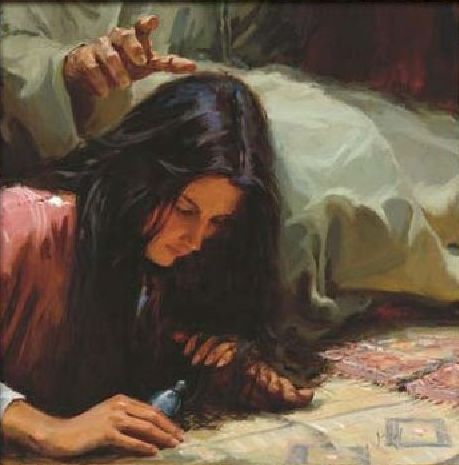
47 The ancestral tribe of the Levites, however, was not counted along with the others. 48 The Lord had said to Moses: 49 “You must not count the tribe of Levi or include them in the census of the other Israelites. 50 Instead, appoint the Levites to be in charge of the tabernacle of the covenant law—over all its furnishings and everything belonging to it. They are to carry the tabernacle and all its furnishings; they are to take care of it and encamp around it. 51 Whenever the tabernacle is to move, the Levites are to take it down, and whenever the tabernacle is to be set up, the Levites shall do it. Anyone else who approaches it is to be put to death. 52 The Israelites are to set up their tents by divisions, each of them in their own camp under their standard. 53 The Levites, however, are to set up their tents around the tabernacle of the covenant law so that my wrath will not fall on the Israelite community. The Levites are to be responsible for the care of the tabernacle of the covenant law.”

54 The Israelites did all this just as the Lord commanded Moses.

WHAT DO WE LEARN—HOW DO WE RESPOND?

More than two million Israelites were anticipating entering Canaan, conquering the inhabitants, claiming the land, and enjoying their promised inheritance. But before all of this could happen, Moses had to organize this assembly of former slaves who had been enjoying their freedom for only a year—and it wasn’t an easy task.

God’s preparation for conquest involved four stages: numbering the soldiers (Chapter 1), organizing the tribes (Chapter 2), assigning the priestly duties (Chapters 3-4), and celebrating the Passover (Chapter 9:1–14).

The Book of Numbers opens with a count of all the fighting men over the age of twenty in the camp. They were counted, but they couldn’t be counted on, because all but two of them died during Israel’s march through the wilderness. Then the new generation was counted, and they were people that the Lord could count on. They trusted His Word, entered the Promised Land, and claimed it for their inheritance.  Ah, spoiler alert!  But there is much to learn in the journey!

Studying the Book of Numbers can help us better understand how God directs His people, why being faithful to Him is important, and how we can grow spiritually in the difficulties of life. We don’t have to fail as did that first generation; instead, “we are more than conquerors through Him who loved us” (Rom. 8:37).  Cling the message Paul wrote in Romans as we enter the wilderness journey with God’s Chosen.

Maybe you are experiencing difficulties even now on your own life journey.  I pray that in reading Numbers we will see our own story in the story of God in ways that build our faith in God who desires His best for us and will do what He says He will do—Provide where He guides

Lord,

Thank you for Word—all of it—that teaches us more about You with each passage of Truth. Thank you for helping us see the importance of counting for organization to fulfill your purpose in and through us; not just for the sake of counting or merely relying on the count to decide our worth.  May we be “counted on” as you lead us to be with you, hear you, then do what you say.  This is our response—to believe and to follow you.  We know we can count on you!

In Jesus Name, Amen

Posted in Uncategorized | Tagged , , , , | Leave a comment

NO TAKE BACKS!

Playground games we enjoyed as kids come to mind as I read God’s regulations of vow keeping for His people.  Wait, what, now?  Consider this; as children, we would naturally gather to play a game of tag, kickball, Red Rover, Mother May I, tether ball, etc. but sometimes we would become board with these known games and make up games with our own created rules—most rules were made up as we played the game!  The rules would change often to suit our team’s advantage until someone on the other side would shout, “Hey, no take backs!”  “You said the rule was…” and then an argument would ensued which seemed to be part of the game’s fun—until the teacher came over to set us straight.

God is the Teacher of His People. God does not promise what He will not deliver and fulfill.  God is teaching His people to be more like Him in this way by instructing them how to keep a vow holy and deliver on the promise of the vow with a pure heart.  This is not as much about giving to God, although tithing is taught, as it is keeping a promise (vow) made that has been pronounced holy to God by the priest.  No take backs!

Leviticus is ending with teaching vow keeping rather than with an account of a special demonstration of God’s glory and holiness. It might seem odd to us until we dig deeper.  Our promises to God must be as firm as His covenant with us. “Do not be rash with your mouth, and let not your heart utter anything hastily before God. For God is in heaven, and you on earth; therefore let your words be few” (Ecclesiastic 5:2). “It is a snare for a man to devote rashly something as holy, and afterward to reconsider his vows” (Proverbs 20:25).

Leviticus 27

Redeeming What Is the Lord’s

The Lord said to Moses, “Speak to the Israelites and say to them: ‘If anyone makes a special vow to dedicate a person to the Lord by giving the equivalent value, set the value of a male between the ages of twenty and sixty at fifty shekels of silver, according to the sanctuary shekel; for a female, set her value at thirty shekels; for a person between the ages of five and twenty, set the value of a male at twenty shekels and of a female at ten shekels; for a person between one month and five years, set the value of a male at five shekels of silver and that of a female at three shekels of silver; for a person sixty years old or more, set the value of a male at fifteen shekels and of a female at ten shekels. If anyone making the vow is too poor to pay the specified amount, the person being dedicated is to be presented to the priest, who will set the value according to what the one making the vow can afford.

“‘If what they vowed is an animal that is acceptable as an offering to the Lord, such an animal given to the Lord becomes holy. 10 They must not exchange it or substitute a good one for a bad one, or a bad one for a good one; if they should substitute one animal for another, both it and the substitute become holy. 11 If what they vowed is a ceremonially unclean animal—one that is not acceptable as an offering to the Lord—the animal must be presented to the priest, 12 who will judge its quality as good or bad. Whatever value the priest then sets, that is what it will be. 13 If the owner wishes to redeem the animal, a fifth must be added to its value.

14 “‘If anyone dedicates their house as something holy to the Lord, the priest will judge its quality as good or bad. Whatever value the priest then sets, so it will remain. 15 If the one who dedicates their house wishes to redeem it, they must add a fifth to its value, and the house will again become theirs.

16 “‘If anyone dedicates to the Lord part of their family land, its value is to be set according to the amount of seed required for it—fifty shekels of silver to a homer of barley seed. 17 If they dedicate a field during the Year of Jubilee, the value that has been set remains. 18 But if they dedicate a field after the Jubilee, the priest will determine the value according to the number of years that remain until the next Year of Jubilee, and its set value will be reduced. 19 If the one who dedicates the field wishes to redeem it, they must add a fifth to its value, and the field will again become theirs. 20 If, however, they do not redeem the field, or if they have sold it to someone else, it can never be redeemed. 21 When the field is released in the Jubilee, it will become holy, like a field devoted to the Lord; it will become priestly property.

22 “‘If anyone dedicates to the Lord a field they have bought, which is not part of their family land, 23 the priest will determine its value up to the Year of Jubilee, and the owner must pay its value on that day as something holy to the Lord. 24 In the Year of Jubilee the field will revert to the person from whom it was bought, the one whose land it was. 25 Every value is to be set according to the sanctuary shekel, twenty gerahs to the shekel.

26 “‘No one, however, may dedicate the firstborn of an animal, since the firstborn already belongs to the Lord; whether an ox or a sheep, it is the Lord’s. 27 If it is one of the unclean animals, it may be bought back at its set value, adding a fifth of the value to it. If it is not redeemed, it is to be sold at its set value.

28 “‘But nothing that a person owns and devotes to the Lord—whether a human being or an animal or family land—may be sold or redeemed; everything so devoted is most holy to the Lord.

29 “‘No person devoted to destruction may be ransomed; they are to be put to death.

30 “‘A tithe of everything from the land, whether grain from the soil or fruit from the trees, belongs to the Lord; it is holy to the Lord31 Whoever would redeem any of their tithe must add a fifth of the value to it. 32 Every tithe of the herd and flock—every tenth animal that passes under the shepherd’s rod—will be holy to the Lord. 33 No one may pick out the good from the bad or make any substitution. If anyone does make a substitution, both the animal and its substitute become holy and cannot be redeemed.’”

34 These are the commands the Lord gave Moses at Mount Sinai for the Israelites.

WHAT DO WE LEARN—HOW DO WE RESPOND?

The principle behind the regulations in this chapter is that of substituting money for something given in dedication to God (a person, an animal, or a piece of property), and giving that money to the priests for the upkeep of the sanctuary. These vows were strictly voluntary and were expressions of the worshiper’s gratitude to God for His blessing.  God sees our hearts and knows our motivations to give. 

I’m reminded of what happened to members of the early church as told in the book of Acts.  Everyone was so caught up in the living lives for Jesus, desiring to be like Him, while doing what Jesus said to go and teach others.  The people, though persecuted because of their zeal of knowing and living for Christ, “gave all they had” in gratitude to God for saving their souls.  One storehouse was formed with the purpose to share goods with anyone in need. What a grand movement of building churches that spread the Good News of Jesus’s salvation while meeting the needs of everyone involved!  God Holy Spirit was indeed moving in the hearts, minds, and souls of His people committed to Christ and His work. 

However, there was this one couple who so wanted to be like the others in giving up all for God; that they vowed to do the same—almost.  Here’s the true story:

“Now a man named Ananias, together with his wife Sapphira, also sold a piece of property. With his wife’s full knowledge he kept back part of the money for himself, but brought the rest and put it at the apostles’ feet.”  Acts 5:1-2

Their action seemed almost reasonable until they both lied about the transaction…Here’s the rest of the story—

“Then Peter said, “Ananias, how is it that Satan has so filled your heart that you have lied to the Holy Spirit and have kept for yourself some of the money you received for the land? Didn’t it belong to you before it was sold? And after it was sold, wasn’t the money at your disposal? What made you think of doing such a thing? You have not lied just to human beings but to God.”

When Ananias heard this, he fell down and died. And great fear seized all who heard what had happened. Then some young men came forward, wrapped up his body, and carried him out and buried him.

About three hours later his wife came in, not knowing what had happened. Peter asked her, “Tell me, is this the price you and Ananias got for the land?”

“Yes,” she said, “that is the price.”

Peter said to her, “How could you conspire to test the Spirit of the Lord? Listen! The feet of the men who buried your husband are at the door, and they will carry you out also.”

10 At that moment she fell down at his feet and died. Then the young men came in and, finding her dead, carried her out and buried her beside her husband. 11 Great fear seized the whole church and all who heard about these events.” Acts 5:3-11

Ananias and Sapphira represent just how much we humans do not trust the truth. They sold a piece of property and gave half the money to the church. They lied to Peter and the apostles, claiming that the land sold for the amount they gave. Their sin was not in holding back some of the money for themselves; it was in misrepresenting the truth. Their deceit resulted in their deaths. Great fear of God followed.

Death seems harsh but to make a vow to God you have no intention in keeping affects all other relationships, too.  Death might not be physical; but lying certainly erodes trust with others who we say we love and care deeply.  According to Jesus, the two greatest and most important commandments of Love God with all your heart, all your mind, and all your soul and love your neighbor like you love yourself are the foundational to our relationship with God and others.  Jesus added, “Love each other like I have loved you.”

With God there is no room for deceit in hearts, minds, and souls committed to God.  Max Lucado writes; 

“It seems to me that the wages of deceit are still death. Not death of the body, perhaps, but the death of:

  • a marriage—Falsehoods are termites in the trunk of the family tree.
  • a conscience—The tragedy of the second lie is that it is always easier to tell than the first.
  • a career—Just ask the student who got booted out for cheating or the employee who got fired for embezzlement if the lie wasn’t fatal.
  • faith—The language of faith and the language of falsehood have two different vocabularies. Those fluent in the language of falsehood find terms like “confession” and “repentance” hard to pronounce.

We could also list the deaths of intimacy, trust, peace, credibility, and self-respect. But perhaps the most tragic death that occurs from deceit is our witness. The court won’t listen to the testimony of a perjured witness. Neither will the world. Do we think our coworkers will believe our words about Christ when they can’t even believe our words about how we handled our expense account? Even more significantly, do we think God will use us as a witness if we won’t tell the truth?” –Lucado’s Encouraging Word Bible.

Be careful.  Dishonesty can affect—and infect—every aspect of our life.  Make a vow to God with an honest, contrite heart with a committed intention and discipline to keep your promise. 

Lord,

Thank you for another lesson in Leviticus that at first glance we might have missed. Cleanse our hearts and remove all deceitfulness. Renew our minds. Transform our thinking and behaviors to be more like you.  Refresh our repentant souls with your tender mercies.  Restore the joy and peace of your salvation always at work within us who believe and trust you.  You are Life!  I seek you.

In Jesus Name, Amen

Posted in Uncategorized | Tagged , , , , | Leave a comment

FOR YOUR OWN GOOD!

How many times in our young adult years did we rebel against parental authority and guiding advice that was delivered often for our good because we really thought we were old enough to know best what we needed?  From age 12 through 20 something, we knew our parents’ advice was so out of date that surely it didn’t apply to our current situation.  At that age and stage of our lives; we couldn’t imagine them being the age we were then, much less understand us; so we went our own way, leaving the protection and safety net provided by our parents.  As we parted, we heard, “but it’s for your own good!” but that didn’t stop us, did it?

Sometimes, we got “lucky” and avoided the pitfalls of bad decisions while doing our own thing without the benefit of experience to guide us.  Or, maybe our “luck” was a result of our parents desperately praying for our safety as we embarked on our own in a world that did not care what would happen to us.

God is asserting his “holy authority” with specific, detailed ways of obedience so the Israelites will know what is for their own good as they declare His glory by trusting Him alone.  “I am the Lord your God” is proclaimed often because His people are not grasping God’s loving desire to deliver gracious intervention into their lives for the purpose of their protection and provision.  God is the parent we all desire to be for our kids—we want what is best for them so they will thrive!

God outlines His gameplan of trust and obedience while pointing out the consequences.  If His people obey; they will be rewarded.  If they do not trust and obey, His people will be on their own, fighting battles without God’s protection, as their own pride takes over which will lead to their fall.  “You’re either for me or against me,” says God here and throughout His Word.

Notice that God also references the consequences of the Israelites’ choice to disobey His command of allowing the land to remain fallow every seven years with redemption for His people on the fiftieth year—which, as far as we know, was ignored.  Go your own way, but suffer the consequences of stepping out from under the protective wings of God. 

Leviticus 26

Reward for Obedience

26 “‘Do not make idols or set up an image or a sacred stone for yourselves, and do not place a carved stone in your land to bow down before it. I am the Lord your God.

“‘Observe my Sabbaths and have reverence for my sanctuary. I am the Lord.

“‘If you follow my decrees and are careful to obey my commands, I will send you rain in its season, and the ground will yield its crops and the trees their fruitYour threshing will continue until grape harvest and the grape harvest will continue until planting, and you will eat all the food you want and live in safety in your land.

“‘I will grant peace in the land, and you will lie down and no one will make you afraid. I will remove wild beasts from the land, and the sword will not pass through your country. You will pursue your enemies, and they will fall by the sword before you. Five of you will chase a hundred, and a hundred of you will chase ten thousand, and your enemies will fall by the sword before you.

“‘I will look on you with favor and make you fruitful and increase your numbers, and I will keep my covenant with you. 10 You will still be eating last year’s harvest when you will have to move it out to make room for the new. 11 I will put my dwelling place among you, and I will not abhor you. 12 I will walk among you and be your God, and you will be my people. 13 I am the Lord your God, who brought you out of Egypt so that you would no longer be slaves to the Egyptians; I broke the bars of your yoke and enabled you to walk with heads held high.

Punishment for Disobedience

14 “‘But if you will not listen to me and carry out all these commands15 and if you reject my decrees and abhor my laws and fail to carry out all my commands and so violate my covenant, 16 then I will do this to you: I will bring on you sudden terror, wasting diseases and fever that will destroy your sight and sap your strength. You will plant seed in vain, because your enemies will eat it. 17 I will set my face against you so that you will be defeated by your enemies; those who hate you will rule over you, and you will flee even when no one is pursuing you.

18 “‘If after all this you will not listen to me, I will punish you for your sins seven times over. 19 I will break down your stubborn pride and make the sky above you like iron and the ground beneath you like bronze. 20 Your strength will be spent in vain, because your soil will not yield its crops, nor will the trees of your land yield their fruit.

21 “‘If you remain hostile toward me and refuse to listen to me, I will multiply your afflictions seven times over, as your sins deserve. 22 I will send wild animals against you, and they will rob you of your children, destroy your cattle and make you so few in number that your roads will be deserted.

23 “‘If in spite of these things you do not accept my correction but continue to be hostile toward me, 24 I myself will be hostile toward you and will afflict you for your sins seven times over. 25 And I will bring the sword on you to avenge the breaking of the covenant. When you withdraw into your cities, I will send a plague among you, and you will be given into enemy hands. 26 When I cut off your supply of bread, ten women will be able to bake your bread in one oven, and they will dole out the bread by weight. You will eat, but you will not be satisfied.

27 “‘If in spite of this you still do not listen to me but continue to be hostile toward me, 28 then in my anger I will be hostile toward you, and I myself will punish you for your sins seven times over. 29 You will eat the flesh of your sons and the flesh of your daughters. 30 I will destroy your high places, cut down your incense altars and pile your dead bodies on the lifeless forms of your idols, and I will abhor you. 31 I will turn your cities into ruins and lay waste your sanctuaries, and I will take no delight in the pleasing aroma of your offerings. 32 I myself will lay waste the land, so that your enemies who live there will be appalled. 33 I will scatter you among the nations and will draw out my sword and pursue you. Your land will be laid waste, and your cities will lie in ruins. 34 Then the land will enjoy its sabbath years all the time that it lies desolate and you are in the country of your enemies; then the land will rest and enjoy its sabbaths. 35 All the time that it lies desolate, the land will have the rest it did not have during the sabbaths you lived in it.

36 “‘As for those of you who are left, I will make their hearts so fearful in the lands of their enemies that the sound of a windblown leaf will put them to flight. They will run as though fleeing from the sword, and they will fall, even though no one is pursuing them. 37 They will stumble over one another as though fleeing from the sword, even though no one is pursuing them. So you will not be able to stand before your enemies. 38 You will perish among the nations; the land of your enemies will devour you. 39 Those of you who are left will waste away in the lands of their enemies because of their sins; also because of their ancestors’ sins they will waste away.

40 “‘But if they will confess their sins and the sins of their ancestors—their unfaithfulness and their hostility toward me, 41 which made me hostile toward them so that I sent them into the land of their enemies—then when their uncircumcised hearts are humbled and they pay for their sin, 42 I will remember my covenant with Jacob and my covenant with Isaac and my covenant with Abraham, and I will remember the land. 43 For the land will be deserted by them and will enjoy its sabbaths while it lies desolate without them. They will pay for their sins because they rejected my laws and abhorred my decrees. 44 Yet in spite of this, when they are in the land of their enemies, I will not reject them or abhor them so as to destroy them completely, breaking my covenant with them. I am the Lord their God45 But for their sake I will remember the covenant with their ancestors whom I brought out of Egypt in the sight of the nations to be their God. I am the Lord.’”

46 These are the decrees, the laws and the regulations that the Lord established at Mount Sinai between himself and the Israelites through Moses.

WHAT DO WE LEARN—HOW DO WE RESPOND?

The presence of the Lord was the greatest blessing promised, because every other blessing depends on it. No other nation had God “walking among them”! 

To worship anyone or anything other than God led to the murder of their own children when they turned from God to the old idols of their past that demanded the sacrifice of their own flesh and blood to appease the gods!  We say we would never do that. But consider all the things in our lives that we crave that become our idols.  Without God, we are easy prey for the Enemy. Out from under God’s protection, we can fall for lives of abusive, self-destructive behaviors lived out in front of our children who are “sacrificed” to lack of care by us. 

When we lose the sense of the Lord’s presence and the privilege it is to serve Him, then we begin to despise His Word and disobey His commandments.  God doesn’t understand what I am going through, we think, as we suffer needlessly.  But there’s good news!  All have sinned but all can be forgiven by Jesus who died to redeem us from all sin and make us right with God!  God may punish His people, but He will never reject them or cast them away—read Romans 11 for proof! In fact, one reason for His chastening and discipline is to bring His erring people back into His arms of love, where He can enjoy them and bless them once again! Hebrews 12:1–13.

So, we learn there is nothing, absolutely nothing, that we have done that God will not forgive. God is not a rejecting God but a relational God! God wants us to love Him back!  Every passage we read from Genesis to Revelation shouts this truth about God!

It is not God’s desire that we perish because of our sins but that we live with Him forever with His help to guide us to all the is good and best for us.  God made a Way for us to come back to Him—Jesus!  “For God so loved the world that he gave his one and only Son, that whoever believes in him shall not perish but have eternal life. For God did not send his Son into the world to condemn the world, but to save the world through him.” John 3:16-17

Since the Word never changes and God’s character never changes, we have every encouragement to come to Him and make a new beginning. 

“Trust and obey, for there’s no other way…”

Lord,

Cleanse our hearts, renew our minds, refresh our souls, and restore the joy of your salvation at work in our hearts. To you be the glory!

In Jesus Name, Amen

Posted in Uncategorized | Tagged , , , , | Leave a comment