
GIVE IT A REST!

When I read God’s Word while seeking who God is; He amazes me with something new each time!  As we read Leviticus, God holy standards for living with each other and with Him; God reveals His heart of compassion. It is in the reading for understanding that we observe how God demonstrates His care for all people while displaying His abundant wisdom and care.  God commands the Israelites to live lives that do not take advantage of another’s downfall.  God says to give the land a rest—a Sabbath—so that the land and the managers of the land can renew and be fruitful by God’s design. 

The Year of Jubilee is a specific way to level the playing field for all His people who will live in a the promised land that God will provide for them.  He is setting up behavioral standards with specific guidelines to follow every seven years. God reminds them that the land they possess was given to them by Him. God owns the land.  His People are merely “renters” with specific guidelines for the care of the land God owns.  This is not their final destination.  This world is not our final destination!  (Who we live for now is where we will be later!  Too much, too soon?)  All we have and hold right now, God owns.  ALL we possess now and seek to possess later, belongs to God.  All we borrow to gain what we possess now still belongs to God.  Pause and let this truth sink in.

If we truly believe who God is and what He says, we will eventually internalize this “ownership” truth.  What God has given to us is the means and the ability to steward (manage) what He has so graciously given to us.  God has guidelines for us to follow in managing what He has given to us to care for long with standards of behavior that will not match the standards of the world of business.  Those of us who think we rose to the top as “self-made” men and women and feel we deserve all that have worked so hard to gain will probably not understand the following wisdom of the Lord—to give it all a rest! 

Leviticus 25

The Sabbath Year

The Lord said to Moses at Mount Sinai“Speak to the Israelites and say to them: ‘When you enter the land I am going to give you, the land itself must observe a sabbath to the LordFor six years sow your fields, and for six years prune your vineyards and gather their crops. But in the seventh year the land is to have a year of sabbath rest, a sabbath to the Lord. Do not sow your fields or prune your vineyards. Do not reap what grows of itself or harvest the grapes of your untended vines. The land is to have a year of rest. Whatever the land yields during the sabbath year will be food for you—for yourself, your male and female servants, and the hired worker and temporary resident who live among you, as well as for your livestock and the wild animals in your land. Whatever the land produces may be eaten.

The Year of Jubilee

“‘Count off seven sabbath years—seven times seven years—so that the seven sabbath years amount to a period of forty-nine years. Then have the trumpet sounded everywhere on the tenth day of the seventh month; on the Day of Atonement sound the trumpet throughout your land. 10 Consecrate the fiftieth year and proclaim liberty throughout the land to all its inhabitants. It shall be a jubilee for you; each of you is to return to your family property and to your own clan. 11 The fiftieth year shall be a jubilee for you; do not sow and do not reap what grows of itself or harvest the untended vines. 12 For it is a jubilee and is to be holy for you; eat only what is taken directly from the fields.

13 “‘In this Year of Jubilee everyone is to return to their own property.

14 “‘If you sell land to any of your own people or buy land from them, do not take advantage of each other15 You are to buy from your own people on the basis of the number of years since the Jubilee. And they are to sell to you on the basis of the number of years left for harvesting crops. 16 When the years are many, you are to increase the price, and when the years are few, you are to decrease the price, because what is really being sold to you is the number of crops. 17 Do not take advantage of each other, but fear your God. I am the Lord your God.

18 “‘Follow my decrees and be careful to obey my laws, and you will live safely in the land. 19 Then the land will yield its fruit, and you will eat your fill and live there in safety. 20 You may ask, “What will we eat in the seventh year if we do not plant or harvest our crops?” 21 I will send you such a blessing in the sixth year that the land will yield enough for three years. 22 While you plant during the eighth year, you will eat from the old crop and will continue to eat from it until the harvest of the ninth year comes in.

23 “‘The land must not be sold permanently, because the land is mine and you reside in my land as foreigners and strangers. 24 Throughout the land that you hold as a possession, you must provide for the redemption of the land.

25 “‘If one of your fellow Israelites becomes poor and sells some of their property, their nearest relative is to come and redeem what they have sold. 26 If, however, there is no one to redeem it for them but later on they prosper and acquire sufficient means to redeem it themselves, 27 they are to determine the value for the years since they sold it and refund the balance to the one to whom they sold it; they can then go back to their own property. 28 But if they do not acquire the means to repay, what was sold will remain in the possession of the buyer until the Year of Jubilee. It will be returned in the Jubilee, and they can then go back to their property.

29 “‘Anyone who sells a house in a walled city retains the right of redemption a full year after its sale. During that time the seller may redeem it. 30 If it is not redeemed before a full year has passed, the house in the walled city shall belong permanently to the buyer and the buyer’s descendants. It is not to be returned in the Jubilee31 But houses in villages without walls around them are to be considered as belonging to the open country. They can be redeemed, and they are to be returned in the Jubilee.

32 “‘The Levites always have the right to redeem their houses in the Levitical towns, which they possess33 So the property of the Levites is redeemable—that is, a house sold in any town they hold—and is to be returned in the Jubilee, because the houses in the towns of the Levites are their property among the Israelites. 34 But the pastureland belonging to their towns must not be sold; it is their permanent possession.

35 “‘If any of your fellow Israelites become poor and are unable to support themselves among you, help them as you would a foreigner and stranger, so they can continue to live among you. 36 Do not take interest or any profit from them, but fear your God, so that they may continue to live among you. 37 You must not lend them money at interest or sell them food at a profit. 38 I am the Lord your God, who brought you out of Egypt to give you the land of Canaan and to be your God.

39 “‘If any of your fellow Israelites become poor and sell themselves to you, do not make them work as slaves. 40 They are to be treated as hired workers or temporary residents among you; they are to work for you until the Year of Jubilee. 41 Then they and their children are to be released, and they will go back to their own clans and to the property of their ancestors. 42 Because the Israelites are my servants, whom I brought out of Egypt, they must not be sold as slaves. 43 Do not rule over them ruthlessly, but fear your God.

44 “‘Your male and female slaves are to come from the nations around you; from them you may buy slaves. 45 You may also buy some of the temporary residents living among you and members of their clans born in your country, and they will become your property. 46 You can bequeath them to your children as inherited property and can make them slaves for life, but you must not rule over your fellow Israelites ruthlessly.

47 “‘If a foreigner residing among you becomes rich and any of your fellow Israelites become poor and sell themselves to the foreigner or to a member of the foreigner’s clan, 48 they retain the right of redemption after they have sold themselves. One of their relatives may redeem them: 49 An uncle or a cousin or any blood relative in their clan may redeem them. Or if they prosper, they may redeem themselves50 They and their buyer are to count the time from the year they sold themselves up to the Year of Jubilee. The price for their release is to be based on the rate paid to a hired worker for that number of years. 51 If many years remain, they must pay for their redemption a larger share of the price paid for them. 52 If only a few years remain until the Year of Jubilee, they are to compute that and pay for their redemption accordingly. 53 They are to be treated as workers hired from year to year; you must see to it that those to whom they owe service do not rule over them ruthlessly.

54 “‘Even if someone is not redeemed in any of these ways, they and their children are to be released in the Year of Jubilee55 for the Israelites belong to me as servants. They are my servants, whom I brought out of Egypt. I am the Lord your God.

WHAT DO WE LEARN—HOW DO WE RESPOND?

In the Year of Jubilee, the social hierarchy is put aside with the slate wiped clean of debt.  What does this tell us about God? 

  • God cares for His people even when it seems impossible.  All fields were allowed to rest. No farming permitted. The fallow land could recover from forty-nine years of planting and harvesting.  God provided enough food during the year of rest.
  • God is a redeeming God.  Anyone who had been sold into slavery or who had sold himself into slavery to pay off debt was released. Bondage ended.
  • God is compassionate and merciful.  Families might lose their land through calamity, sickness, or even laziness. The Jubilee provision guaranteed that every family, at least twice a century, would have the opportunity to get back on their feet.
  • God’s wisdom is beyond all human thinking.  This Year of Jubilee was intended to prevent a permanent underclass of poverty and slavery. People could still be rich, very rich, but they could not build their wealth on the backs of the very poor.  “Do not take advantage of each other, fear God, I am the Lord, Your God.”
  • God’s love never changes and His grace is unending for those who belong to Him.  “Even if someone is not redeemed in any of these ways, they and their children are to be released in the Year of Jubilee, for the Israelites belong to me…”  “I am the Lord, your God.” 

We belong to God.  All we have belongs to God.  We are His children, joint heirs with Jesus who redeemed us from our debt of sin, the sin that held us in bondage.  Jesus who came to earth to seek and to save the lost ultimately took our deserved punishment, paid our debt in full, freeing us forever!  Slate clean!  Jesus came to declare “the year of the Lord,” providing a “jubilee-like” redeeming relationship with all who believe!

“The year of the Lord’s favor” found in Luke 4 describes, perhaps more than any other words, Jesus’ radical commitment to the poor and restates the standards God set forth to the Israelites in the Year of Jubilee’s redemption. In Luke 4, Jesus advanced the significance of His mission as He read these words out loud while announcing the Truth of who He was;

“He went to Nazareth, where he had been brought up, and on the Sabbath day he went into the synagogue, as was his custom. He stood up to readand the scroll of the prophet Isaiah was handed to him. Unrolling it, he found the place where it is written:

“The Spirit of the Lord is on me, because he has anointed me to proclaim good news to the poor.
He has sent me to proclaim freedom for the prisoners and recovery of sight for the blind,
to set the oppressed free, to proclaim the year of the Lord’s favor.”

Then he rolled up the scroll, gave it back to the attendant and sat down. The eyes of everyone in the synagogue were fastened on him. He began by saying to them, “Today this scripture is fulfilled in your hearing.”—Jesus, Luke 4:

As far as we know, the people of Israel never practiced the Year of Jubilee, which is sad, really. Still, Jesus alluded to it in His opening statement of who He is and why He came. God’s heart for us is demonstrated by His Son.  God values a level playing field. God’s favor rests on those whose hearts are fully committed to Him.  God does not play favorites among those who believe.  Kingdom thinking and behaving does not take advantage of another person’s misfortune nor does it think less of people in distress.  We love and serve as we follow the example of the One who Redeemed us.  We point all to Jesus! 

Lord,

Hallowed is Your Name.  Great are You, Lord.  May Your Kingdom come and dwell in our thinking and behaving.  May Your Will be done in all the details of our lives as we seek to follow in Your ways.  Lead me, Lord.

In Jesus Name, Amen
Posted in Uncategorized | Tagged , , , , | Leave a comment

LIGHT AND BREAD

Jesus, God in flesh, made seven I AM statements as recorded in the John’s gospel;

  • I am the bread of life. 6:35, 48, 51.
  • I am the light of the world. 8:12; 9:5.
  • I am the door of the sheep. 10:7, 9.
  • I am the good shepherd. 10:11, 14.
  • I am the resurrection and the life. 11:25.
  • I am the way, the truth, and the life. 14:6.
  • I am the true vine.

The fact that this “I am” statement is given before the Savior’s earthly ministry emphasizes that Jesus Christ would fulfill his divine mission to atone for the sins of humankind.  It is interesting to me that the first two I AM statements of bread and light parallel the priests’ work of keeping the lights burning continually with sustaining bread always available “as lasting covenants” between God and His People.  Jesus came and declared HE was the Light of the World that dispels all Darkness.  He is the Bread of Life that sustains all who believe and hunger and thirst for righteousness.  With Jesus; there is no reason to stumble around in the dark!

When God gives a name for His people to call Him it conveys His dominion over all things, the source of His power, and His eternal nature: I AM. He is the self-sufficient, self-sustaining God who was, who is, and who will be. This eternal nature is conveyed better in the Hebrew than in the English.

I AM, God spoke to Moses.  Remember the time Moses fled Egypt and lived in Midian for forty years? It was in Moses’ self-imposed exile that God came to him and spoke through a burning bush. Moses asked God for His name, so he will have an answer when the people of Israel ask. In English, God’s answer is translated as “I AM WHO I AM … tell them I AM has sent me to you.”  I AM also means I exist, I have existed, and will always exist.  The name of I AM is how God chose to introduce himself, becoming so sacred that in Judaism, the name is not to be spoken. The significance of God’s self-given name encompasses all that He is, and how we are to relate to Him.  So, it is no wonder the punishment is harsh when anyone curses God by His Name. 

God is the Giver of Life.  When another human decides to take a life God has created; God intervenes.  So, with these understandings, let’s read on…

Leviticus 24

Olive Oil and Bread Set Before the Lord

The Lord said to Moses, “Command the Israelites to bring you clear oil of pressed olives for the light so that the lamps may be kept burning continuallyOutside the curtain that shields the ark of the covenant law in the tent of meeting, Aaron is to tend the lamps before the Lord from evening till morning, continually. This is to be a lasting ordinance for the generations to come. The lamps on the pure gold lampstand before the Lord must be tended continually.

Take the finest flour and bake twelve loaves of bread, using two-tenths of an ephah for each loaf. Arrange them in two stacks, six in each stack, on the table of pure gold before the LordBy each stack put some pure incense as a memorial portion to represent the bread and to be a food offering presented to the Lord. This bread is to be set out before the Lord regularly, Sabbath after Sabbath, on behalf of the Israelites, as a lasting covenant. It belongs to Aaron and his sons, who are to eat it in the sanctuary area, because it is a most holy part of their perpetual share of the food offerings presented to the Lord.”

A Blasphemer Put to Death

10 Now the son of an Israelite mother and an Egyptian father went out among the Israelites, and a fight broke out in the camp between him and an Israelite. 11 The son of the Israelite woman blasphemed the Name with a curse; so they brought him to Moses. (His mother’s name was Shelomith, the daughter of Dibri the Danite.) 12 They put him in custody until the will of the Lord should be made clear to them.

13 Then the Lord said to Moses: 14 “Take the blasphemer outside the camp. All those who heard him are to lay their hands on his head, and the entire assembly is to stone him. 15 Say to the Israelites: ‘Anyone who curses their God will be held responsible; 16 anyone who blasphemes the name of the Lord is to be put to death. The entire assembly must stone them. Whether foreigner or native-born, when they blaspheme the Name they are to be put to death.

17 “‘Anyone who takes the life of a human being is to be put to death18 Anyone who takes the life of someone’s animal must make restitution—life for life. 19 Anyone who injures their neighbor is to be injured in the same manner: 20 fracture for fracture, eye for eye, tooth for tooth. The one who has inflicted the injury must suffer the same injury. 21 Whoever kills an animal must make restitution, but whoever kills a human being is to be put to death. 22 You are to have the same law for the foreigner and the native-born. I am the Lord your God.’”

23 Then Moses spoke to the Israelites, and they took the blasphemer outside the camp and stoned him. The Israelites did as the Lord commanded Moses.

WHAT DO WE LEARN—HOW DO WE RESPOND?

In this chapter, the Lord gave Moses instructions concerning three holy things: the holy oil for the lampstand, the holy bread for the table, and the holy name of the Lord, which all the people were to honor.  We are reminded of one of the Ten Commandments given to Moses that specifically says; “Do not take the Lord’s Name in vain.”  Do not swear by God’s Name saying “God is my witness” for example, as explained in Exodus 20:7.

THE OIL – The people of Israel were to provide the oil for the priests to keep the lamps burning.  There was a method of extracting olive oil by heat, but beating or crushing the olives and straining out the impurities produced the best olive oil. The God of Israel deserves the very best.  God gave His best to us!

Warren Wierbe writes of the parallel of Jesus;

“Jesus is the light (Luke 2:32; John 1:4, 9; 8:12; 9:5), and only through Him can we see and appreciate spiritual things. The apostle John compared local churches to individual gold lampstands that are supposed to shine and bear witness in their cities (Revelation 1:12, 20. (See also; Matthew 5:16; Ephesians 5:8; Philippians 2:15).  Many a local church has had its light go out before both God and the world because of the unfaithfulness of the leaders and/or members. They failed to pray, give, and allow the Holy Spirit to use them. If the light is to be kept burning, somebody must provide the oil.” –Wiersbe Study Bible

THE BREAD – From the priest’s viewpoint, the loaves of bread sustained life and maybe reminded him that what God called him to be and do was basic, for real people. Being somewhat isolated in the tabernacle day after day; the priests could easily get “out of touch” with the people they were representing before God.  Isolation is easy prey for the devil to convince them of their importance as priests and lead them to believe that they were better than everyone else. 

Bread is common.  So, why bread on the table of the Lord God in the Holy Place? The presence of bread in the tabernacle assures us that God is concerned about the practical things of our lives and that there’s no such thing as “secular” and “sacred” in the Christian life. Believers live one life for God alone.

FUN FACT:  Later, we will read of young David who is escaping King Saul who has gone insane because God’s Holy Spirit was no longer on Saul.  David and his men were hiding out in the Temple and were hungry.  They ate the “holy bread”!  Read this story in 1 Samuel 21:1-6.  Yes, God’s Word ties together from beginning to end!  Fascinating!

The main emphasis of Leviticus 24 is: Our God is a holy God and we must honor Him, whether in bringing our offerings and gifts to Him or by respecting His very name. The Lord doesn’t execute blasphemers today, but there is coming a day of judgment when the secrets of all hearts will be revealed, and then God will “render to each one according to his deeds” (Romans 2:6). 

We must pause to respond to God with repentance followed by humbled praise for His forgiveness of all our sins.  God seeks hearts who seek Him to be made holy and pure. God’s Holy Spirit who lives in all believers of Jesus; calls us to repentance by convicting us of sin; confronts us with Truth; comforts us with healing; and then compels us to live life to the full with God in the lead!  As we respond to God in His way; His gift of peace descends and falls over our whole being.  What a great and gracious God we have!  Thank you, Jesus, for your mission to save the world, forgiving all who repent— of whom I am one of them.

Lord,

Thank you for who you are to us! Thank for reminding us who we are to you! Thank you for helping us see that you, dear Jesus, were there at the beginning and will be there at the end of the ages.  From Genesis to Revelation, you are the God who was, is and always will be.  And you are the God who is Present and sits beside me to guide my thoughts.  Lord, God of all; Come and fill all of me.

In Jesus Name, for our good and Your Glory, Amen!

Posted in Uncategorized | Tagged , , , , | Leave a comment

EVENTS TO REMEMBER AND CHERISH!

I got up early yesterday morning and sat by the computer, fingers ready to pounce on the tab, “ticket sales.”  At ten in the morning the sales for a certain worship concert would begin.  I knew that this concert would be popular to my age group and older as these were popular artists from my past.  They are still going strong now! Their songs gave hope and encouragement as a younger adult in my growing faith.

Led by God’s Holy Spirit; their praises joyfully give glory to God!  Two groups are coming together to worship God in praise for all He has done. Memories are flooding back of all the many ways God provided and protected me over the years as soon as I saw the event published.  My heart gives thanks to God now with thanksgiving for all He is doing now in our lives! I thank Jesus for making me whole and presenting me acceptable to God with forgiveness of my sins.  I thank God’s Holy Spirit for keeping me focused, daily leading me to all that is Truth.  The concert will not happen for eight months but I have our tickets!  We have an event to look forward to with grateful hearts.  And did I mention, the date fell on my birthday?  Oh, yeah!

God directs His people to hold sacred events and celebrations as ways to remember all that He is to them as their Creator and Sustainer of life.  God wants all His people to celebrate all the ways in which He meets their needs as Provider.  God reminds His people that He is the Protector from all their enemies.  Most of all God is the Rescuer of their very lives.  God brought them out of the bondage and slavery they had live for centuries into a world where only God is to be their Lord who is Holy and will make them Holy.  God is their Master Teacher with lessons to guide them to all that is for their good and His glory.  God is Present with them.  God is to be the One and Only God they worship.  God is God.

Leviticus 23

The Appointed Festivals

The Lord said to Moses, “Speak to the Israelites and say to them: ‘These are my appointed festivals, the appointed festivals of the Lord, which you are to proclaim as sacred assemblies.

The Sabbath

“‘There are six days when you may work, but the seventh day is a day of sabbath rest, a day of sacred assembly. You are not to do any work; wherever you live, it is a sabbath to the Lord.

The Passover and the Festival of Unleavened Bread

“‘These are the Lord’s appointed festivals, the sacred assemblies you are to proclaim at their appointed times: The Lord’s Passover begins at twilight on the fourteenth day of the first month. On the fifteenth day of that month the Lord’s Festival of Unleavened Bread begins; for seven days you must eat bread made without yeast. On the first day hold a sacred assembly and do no regular work. For seven days present a food offering to the Lord. And on the seventh day hold a sacred assembly and do no regular work.’”

Offering the Firstfruits

The Lord said to Moses, 10 “Speak to the Israelites and say to them: ‘When you enter the land I am going to give you and you reap its harvest, bring to the priest a sheaf of the first grain you harvest. 11 He is to wave the sheaf before the Lord so it will be accepted on your behalf; the priest is to wave it on the day after the Sabbath. 12 On the day you wave the sheaf, you must sacrifice as a burnt offering to the Lord a lamb a year old without defect, 13 together with its grain offering of two-tenths of an ephah[a] of the finest flour mixed with olive oil—a food offering presented to the Lord, a pleasing aroma—and its drink offering of a quarter of a hin of wine. 14 You must not eat any bread, or roasted or new grain, until the very day you bring this offering to your God. This is to be a lasting ordinance for the generations to come, wherever you live.

The Festival of Weeks

15 “‘From the day after the Sabbath, the day you brought the sheaf of the wave offering, count off seven full weeks. 16 Count off fifty days up to the day after the seventh Sabbath, and then present an offering of new grain to the Lord. 17 From wherever you live, bring two loaves made of two-tenths of an ephah of the finest flour, baked with yeast, as a wave offering of firstfruits to the Lord. 18 Present with this bread seven male lambs, each a year old and without defect, one young bull and two rams. They will be a burnt offering to the Lord, together with their grain offerings and drink offerings—a food offering, an aroma pleasing to the Lord19 Then sacrifice one male goat for a sin offering and two lambs, each a year old, for a fellowship offering. 20 The priest is to wave the two lambs before the Lord as a wave offering, together with the bread of the firstfruits. They are a sacred offering to the Lord for the priest21 On that same day you are to proclaim a sacred assembly and do no regular work. This is to be a lasting ordinance for the generations to come, wherever you live.

22 “‘When you reap the harvest of your land, do not reap to the very edges of your field or gather the gleanings of your harvest. Leave them for the poor and for the foreigner residing among you. I am the Lord your God.’”

The Festival of Trumpets

23 The Lord said to Moses, 24 “Say to the Israelites: ‘On the first day of the seventh month you are to have a day of sabbath rest, a sacred assembly commemorated with trumpet blasts. 25 Do no regular work, but present a food offering to the Lord.’”

The Day of Atonement

26 The Lord said to Moses, 27 “The tenth day of this seventh month is the Day of Atonement. Hold a sacred assembly and deny yourselves, and present a food offering to the Lord. 28 Do not do any work on that day, because it is the Day of Atonement, when atonement is made for you before the Lord your God. 29 Those who do not deny themselves on that day must be cut off from their people. 30 I will destroy from among their people anyone who does any work on that day. 31 You shall do no work at all. This is to be a lasting ordinance for the generations to come, wherever you live. 32 It is a day of sabbath rest for you, and you must deny yourselves. From the evening of the ninth day of the month until the following evening you are to observe your sabbath.”

The Festival of Tabernacles

33 The Lord said to Moses, 34 “Say to the Israelites: ‘On the fifteenth day of the seventh month the Lord’s Festival of Tabernacles begins, and it lasts for seven days35 The first day is a sacred assembly; do no regular work. 36 For seven days present food offerings to the Lord, and on the eighth day hold a sacred assembly and present a food offering to the Lord. It is the closing special assembly; do no regular work.

37 (“‘These are the Lord’s appointed festivals, which you are to proclaim as sacred assemblies for bringing food offerings to the Lord—the burnt offerings and grain offerings, sacrifices and drink offerings required for each day. 38 These offerings are in addition to those for the Lord’s Sabbaths and in addition to your gifts and whatever you have vowed and all the freewill offerings you give to the Lord.)

39 “‘So beginning with the fifteenth day of the seventh month, after you have gathered the crops of the land, celebrate the festival to the Lord for seven days; the first day is a day of sabbath rest, and the eighth day also is a day of sabbath rest. 40 On the first day you are to take branches from luxuriant trees—from palms, willows, and other leafy trees—and rejoice before the Lord your God for seven days. 41 Celebrate this as a festival to the Lord for seven days each year. This is to be a lasting ordinance for the generations to come; celebrate it in the seventh month. 42 Live in temporary shelters for seven days: All native-born Israelites are to live in such shelters 43 so your descendants will know that I had the Israelites live in temporary shelters when I brought them out of Egypt. I am the Lord your God.’”

44 So Moses announced to the Israelites the appointed festivals of the Lord.

WHAT DO WE LEARN—HOW DO WE RESPOND?

“DO THIS IN REMEMBRANCE OF ME” are the words chiseled into the table placed in front of the pulpit.  The beautiful oak grained table never moved from it’s sacred place.  Upon it was a huge Bible, opened to Isaiah the prophet who announced the “coming of a Messiah” who would take away the sins of the world.  The Word of God was moved over or set aside on the days of communion when the table held the elements to be served.  But everyone who believed and followed Jesus in obedience to Him knew that we drank and ate the bread in remembrance of His blood shed and His body given as a sacrifice for our sins.  What a sacred and holy moment in the remembering! 

It is in the remembering that we realize God knows our hearts and knows exactly what we need.  God will still be God even if we do not thank Him or remember what He has done.  (Pause, let that sink in, but don’t read what I’m not saying.)  God commands these “remembrance” times for us who need to remember all the details of how God sent His Son to rescue us!  As believers who left the old life to obtains a forgiven new life with Christ; praise bursts forth in thanksgiving as we remember!  We can’t help but praise Him!  It’s in our new nature to do so as we remember.  When we praise Him with humbled thanksgiving in adoration, awe, and wonder for all He is and all He has done in and for us; a pleasing aroma ascends to God who is pleased.  Sabbaths, feasts, and celebrations for our own good and for His glory!  These times of focus on God are designed to consistently remember with a celebration to look forward to with God!  It’s all about God’s relationship with His beloved. 

God established several holidays that symbolized the Israelites’ special relationship with him. He also gave rules that governed interpersonal relationships so His people would remember why coming before Him is a sacred act of denying self to be filled with all of God.

Therefore, special holidays like going to a concert remind us of the past ways God ministered to our needs by His Holy Spirit living in us. Holidays are designed for praise to God with grateful hearts.  Feasts, (we now call potlucks), help renew our commitment to God and to each other. In the New Testament, Jesus became the Lamb of the Passover, Messiah come!  The celebration of the Lord’s Supper reminds us of Christ’s sacrificial death on the cross for our sins and calls us to renewed commitment.  What a sacred moment and that is why most pastors say not to take this lightly but to remember humbly.

Approach this Sunday as a real holiday to remember with gratitude. Celebrate it with all your heart. Remember the past. Allow God’s Holy Spirit to renew our minds for what lies ahead with expectant hope for the future. Jesus is risen! God has conquered death! Be glad.  Live like the redeemed people we are!  Celebrate, come on!

Lord,

Thank you for making us whole and holy by your forgiveness and grace—All made possible by your deeply, demonstrated love and sacrifice for all you have created.

In Jesus Name, Amen
Posted in Uncategorized | Tagged , , , , | Leave a comment

GIVING THE BEST WITH SINCERE HEARTS

““Woe to you, teachers of the law and Pharisees, you hypocrites! You give a tenth of your spices—mint, dill and cumin. But you have neglected the more important matters of the law—justice, mercy, and faithfulness. You should have practiced the latter, without neglecting the former. You blind guides! You strain out a gnat but swallow a camel.

“Woe to you, teachers of the law and Pharisees, you hypocrites! You clean the outside of the cup and dish, but inside they are full of greed and self-indulgence. Blind Pharisee! First clean the inside of the cup and dish, and then the outside also will be clean.” –Jesus, Matthew 23:23-26 

As we read through the detailed directions of God to his appointed, anointed, consecrated, and ordained priests who stood as mediators for God’s people, we wonder what went wrong over the centuries?  At what point in obediently doing their appointed work given to them by God did they lean more heavily on the rules and less on the relationship that God so greatly desired from His people?  First and foremost, God wanted His people to love Him back. 

“You shall love the Lord your God with all your heart, and with all your soul, and with all your mind.’ This is the greatest and first commandment.” Jesus said to one of the “experts” of The Law who was actually testing Jesus about performing of the Law. (Matthew 22:37) 

Then Jesus added, “And the second is like it: ‘Love your neighbor as yourself.’ All the Law and the Prophets hang on these two commandments.” (Matthew 22:39-40)  (Read the rest the story—there’s a twist to proclaim truth in the storyline!)

God, who is Love, tells Moses to tell Aaron how to treat all offerings to God with respect for God.  “I am the Lord” is repeated often because God knows mankind needs constant reminders of who God is and that He alone is Holy.  God is also teaching his priests that all that is given to God must be done with a sincere heart for God. 

Leviticus 22

The Lord said to Moses, “Tell Aaron and his sons to treat with respect the sacred offerings the Israelites consecrate to me, so they will not profane my holy name. I am the Lord.

“Say to them: ‘For the generations to come, if any of your descendants is ceremonially unclean and yet comes near the sacred offerings that the Israelites consecrate to the Lord, that person must be cut off from my presence. I am the Lord.

“‘If a descendant of Aaron has a defiling skin disease or a bodily discharge, he may not eat the sacred offerings until he is cleansed. He will also be unclean if he touches something defiled by a corpse or by anyone who has an emission of semen, or if he touches any crawling thing that makes him unclean, or any person who makes him unclean, whatever the uncleanness may be. The one who touches any such thing will be unclean till evening. He must not eat any of the sacred offerings unless he has bathed himself with water. When the sun goes down, he will be clean, and after that he may eat the sacred offerings, for they are his food. He must not eat anything found dead or torn by wild animals, and so become unclean through it. I am the Lord.

“‘The priests are to perform my service in such a way that they do not become guilty and die for treating it with contempt. I am the Lord, who makes them holy.

10 “‘No one outside a priest’s family may eat the sacred offering, nor may the guest of a priest or his hired worker eat it. 11 But if a priest buys a slave with money, or if slaves are born in his household, they may eat his food. 12 If a priest’s daughter marries anyone other than a priest, she may not eat any of the sacred contributions. 13 But if a priest’s daughter becomes a widow or is divorced, yet has no children, and she returns to live in her father’s household as in her youth, she may eat her father’s food. No unauthorized person, however, may eat it.

14 “‘Anyone who eats a sacred offering by mistake must make restitution to the priest for the offering and add a fifth of the value to it. 15 The priests must not desecrate the sacred offerings the Israelites present to the Lord 16 by allowing them to eat the sacred offerings and so bring upon them guilt requiring payment. I am the Lord, who makes them holy.’”

Unacceptable Sacrifices

17 The Lord said to Moses, 18 “Speak to Aaron and his sons and to all the Israelites and say to them: ‘If any of you—whether an Israelite or a foreigner residing in Israel—presents a gift for a burnt offering to the Lord, either to fulfill a vow or as a freewill offering, 19 you must present a male without defect from the cattle, sheep or goats in order that it may be accepted on your behalf. 20 Do not bring anything with a defect, because it will not be accepted on your behalf. 21 When anyone brings from the herd or flock a fellowship offering to the Lord to fulfill a special vow or as a freewill offering, it must be without defect or blemish to be acceptable. 22 Do not offer to the Lord the blind, the injured or the maimed, or anything with warts or festering or running sores. Do not place any of these on the altar as a food offering presented to the Lord. 23 You may, however, present as a freewill offering an ox or a sheep that is deformed or stunted, but it will not be accepted in fulfillment of a vow24 You must not offer to the Lord an animal whose testicles are bruised, crushed, torn or cut. You must not do this in your own land, 25 and you must not accept such animals from the hand of a foreigner and offer them as the food of your God. They will not be accepted on your behalf, because they are deformed and have defects.’”

26 The Lord said to Moses27 “When a calf, a lamb or a goat is born, it is to remain with its mother for seven days. From the eighth day on, it will be acceptable as a food offering presented to the Lord. 28 Do not slaughter a cow or a sheep and its young on the same day.

29 When you sacrifice a thank offering to the Lord, sacrifice it in such a way that it will be accepted on your behalf. 30 It must be eaten that same day; leave none of it till morning. I am the Lord.

31 Keep my commands and follow them. I am the Lord32 Do not profane my holy name, for I must be acknowledged as holy by the Israelites. I am the Lord, who made you holy 33 and who brought you out of Egypt to be your God. I am the Lord.”

WHAT DO WE LEARN—HOW DO WE RESPOND?

“Jerusalem, Jerusalem, you who kill the prophets and stone those sent to you, how often I have longed to gather your children together, as a hen gathers her chicks under her wings, and you were not willing. Look, your house is left to you desolate. For I tell you, you will not see me again until you say, ‘Blessed is he who comes in the name of the Lord.’”—Jesus, Matthew 23:37-39 (Read Matthew 23 entirely for the full message of woes declared by Jesus to the Law keepers who added to the Law to gain power and wealth over the people, seeing only themselves worthy before God.)

We are appalled at the Pharisees and Sadducees’ behaviors when we read the woes Jesus pronounced against them until we look inside ourselves and observe our own hearts filled with pride.  We might recall our own judgement of people who come into our churches.  We “size them up” and judge them with merely a first impression based on human instinct.  We gossip with other rule keepers who agree with us.

The Holy Spirit who lives within us will confront and convicts us of being the very person that breaks the heart of God.  If we are listening, we will repent and transform.  If we go on about the business of doing all the churchy things required of us as our adopted habits of behavior, we might miss out on the beautiful, loving relationship that God loves to bless.

Am I making this too simple? Sometimes it is the simple, unnoticed sins of wanting to feel important that slowly erodes the motivation of a once pure heart for God.

The rules for the Levitical line of priests eventually became the “first and greatest commandments” and trumped the relationship God was seeking with His people.

We do the same if our hearts are not pure and our behaviors are mere performance.  

Jesus sought God’s direction often before doing anything significant on earth in his mission “to seek and to save” people.  Who are we to think that seeking God’s direction is not needed for us?  We might know all the church rules but without a growing relationship with our God who created guidelines of behavior that lead us to Him; we are useless to His Kingdom work.  Too strong?  I don’t think so after reading Matthew 23.

We not only need God’s detailed direction and guidance; we need constant reminders of WHY we do what we do—because we love God back and want to please HIM in all we think, say, and do.  This is the why than purifies and motivates our hearts. 

Jesus demonstrated this truth for us as He would “get away by Himself” to seek God first.  We follow his example by seeking God first before beginning each new day that is full of opportunities to love God back, love each other, and tell of His redemption.  His disciples caught on and ask Him to teach them to pray—which Jesus did.  “Hallowed be YOUR Name. May YOUR Kingdom come; May YOUR Will be done” was at the beginning of this profound but simple prayer that reaches the heart of God!

God is looking for us whose hearts are committed to Him!  “The eyes of the LORD search the whole earth in order to strengthen those whose hearts are fully committed to him.” 2 Chronicles 16:9

God’s intentions for Aaron and his sons were to encourage people to give their best to the Lord. The priest who had respect for his ministry and high regard for the sacrifices of God would accept only those animals that met God’s requirements. To send a worshiper away from the altar with a false assurance of forgiveness would be to do great damage to his or her spiritual life.

Lord,

Doing what you say with a heart committed to you is key to our growing relationship with You as we tell others about you.  Cleanse our hearts, renew our minds, restore the joy of your salvation at work within us.  Make us holy before you.  I love you, Lord with all my heart, all my mind, and all my soul.  Fill me with all of you.  Lead me, Lord.

In Jesus Name, Amen

Posted in Uncategorized | Tagged , , , , | Leave a comment

EXPECTATIONS

God appointed, anointed, consecrated, and ordained certain men as the mediating priests who would stand in the gap between the unholy sins of Israel and Holy God. God’s priestly order would begin with Aaron and the sons of Aaron.  Aaron is the brother of Moses who was surely not without the propensity to sin.  We remember that it was Aaron who caved to the crowd while Moses was getting instructions from God on the mountain. (Exodus 32). 

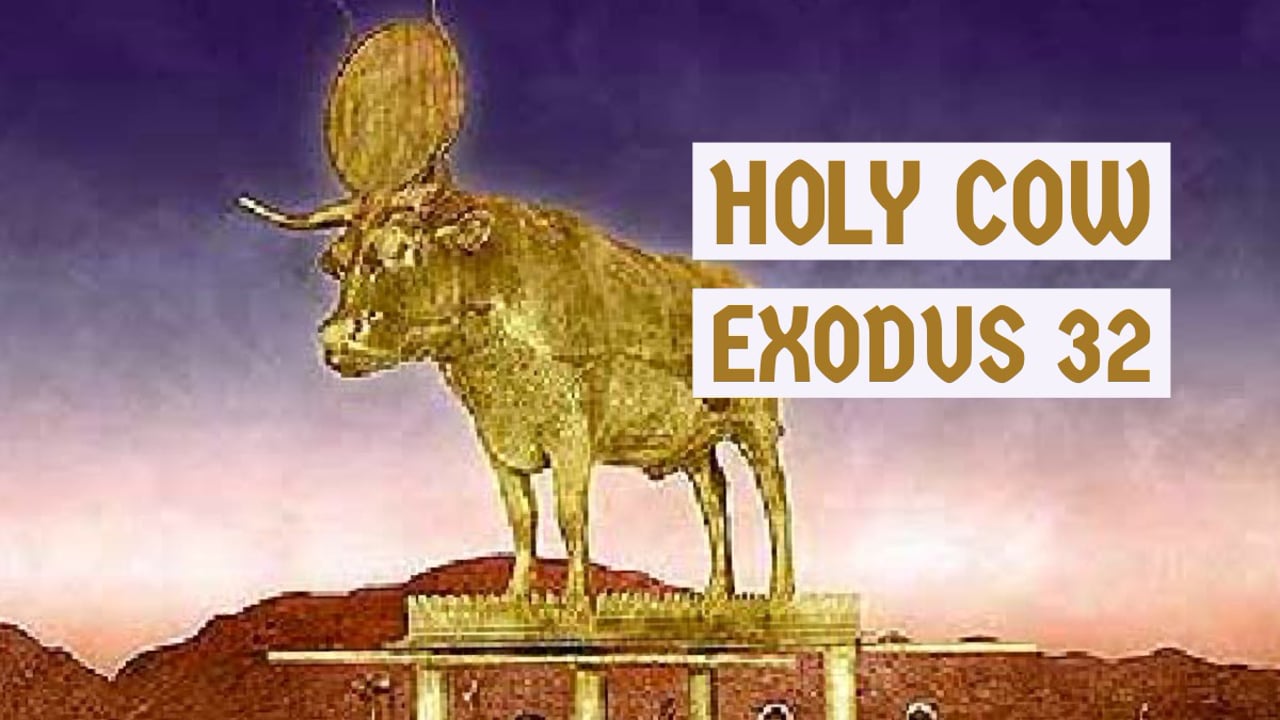
Forty days with God’s detailed training for Moses was just too long for the people waiting on Moses’ return.  The people assumed Moses wasn’t coming back, presumed Moses to be dead, and so reverted back to the sin of worshiping manmade gods and wild partying—as was their habit learned from the Egyptians.  Holy Cow!  No, seriously, gold was melted down by Aaron who then formed a calf from it, then put it on a platform for all the people to bow down and worship!  It got the people off his back, so to speak, but ended up with God anger becoming the anger of Moses who destroyed it, ground the gold down to power and made the partiers drink it! It’s been said that it takes 40 days to form a new habit; but God’s people merely fell back to old habits. God’s people need help.

We have been learning from the message of Leviticus of God commands His People to live differently and distinctly in the culture that surrounds them for their good and His glory.  “I will make you holy” promises our Holy God.  God was with them always but would not come near their sins until the priests mediated on their behalf by God’s detailed direction so that the unclean could be ceremonial clean by atonement for sin through sacrifice.  Only God is completely perfect and holy.  It is only Holy God whom they must trust and obey.

We learn today that God’s Mediators must be held to high standards for they are the ones who represent all God’s people; seeking God’s forgiveness of all their sins—as well as their own sins.  God knows his priests will not be perfect as they are human.  The priest must be atoned for his own sins before bringing the sins of the people to God to be forgiven.

Leviticus 21

Rules for Priests

21 The Lord said to Moses, “Speak to the priests, the sons of Aaron, and say to them: ‘A priest must not make himself ceremonially unclean for any of his people who die, except for a close relative, such as his mother or father, his son or daughter, his brother, or an unmarried sister who is dependent on him since she has no husband—for her he may make himself unclean. He must not make himself unclean for people related to him by marriage, and so defile himself.

“‘Priests must not shave their heads or shave off the edges of their beards or cut their bodies. They must be holy to their God and must not profane the name of their God. Because they present the food offerings to the Lord, the food of their God, they are to be holy.

“‘They must not marry women defiled by prostitution or divorced from their husbands, because priests are holy to their God. Regard them as holy, because they offer up the food of your God. Consider them holy, because I the Lord am holy—I who make you holy.

“‘If a priest’s daughter defiles herself by becoming a prostitute, she disgraces her father; she must be burned in the fire.

10 “‘The high priest, the one among his brothers who has had the anointing oil poured on his head and who has been ordained to wear the priestly garments, must not let his hair become unkempt or tear his clothes. 11 He must not enter a place where there is a dead body. He must not make himself unclean, even for his father or mother, 12 nor leave the sanctuary of his God or desecrate it, because he has been dedicated by the anointing oil of his God. I am the Lord.

13 “‘The woman he marries must be a virgin14 He must not marry a widow, a divorced woman, or a woman defiled by prostitution, but only a virgin from his own people, 15 so that he will not defile his offspring among his people. I am the Lord, who makes him holy.’”

16 The Lord said to Moses, 17 “Say to Aaron: ‘For the generations to come none of your descendants who has a defect may come near to offer the food of his God. 18 No man who has any defect may come near: no man who is blind or lame, disfigured or deformed; 19 no man with a crippled foot or hand, 20 or who is a hunchback or a dwarf, or who has any eye defect, or who has festering or running sores or damaged testicles. 21 No descendant of Aaron the priest who has any defect is to come near to present the food offerings to the Lord. He has a defect; he must not come near to offer the food of his God. 22 He may eat the most holy food of his God, as well as the holy food; 23 yet because of his defect, he must not go near the curtain or approach the altar, and so desecrate my sanctuary. I am the Lord, who makes them holy.’”

24 So Moses told this to Aaron and his sons and to all the Israelites.

WHAT DO WE LEARN—HOW DO WE RESPOND?

God gave instructions to Moses about the priesthood and sacrifices and gave a code of moral principles.  Those who serve God must be totally dedicated, because God deserves only the best.  God is the best.

But over the centuries, the human priestly system became so sinfully flawed that a “course correction” for the cleansing of sin would need to be made.  The Source of all that is good and holy stood ready at just the right time to make this course correction.  Interestingly, the intent The Law didn’t change; it was fulfilled by a Savior, who was God’s Son.  He came down to earth to save the world.  God knew before Creation that the ultimate Plan to save people from their sins would be needed and God was ready.  God’s love for His created all over the world prompted His perfect plan to save an imperfect people once and for all by one perfect sacrifice. God loves. He always has and always will!  God is the Source of real love.

“For God so loved the world that he gave his one and only Son, that whoever believes in him shall not perish but have eternal life. For God did not send his Son into the world to condemn the world, but to save the world through him.” John 3:16-17

God gave His people a glimpse of the glorious coming of the Messiah through the prophets. God gave them the words to say to tell how He would save His people—but many would not listen to understand for most people are very impatient in waiting. (Remember the golden calf debacle, for instance!)

Before Jesus came, the priests still stood and read of God’s Plan out loud in the synagogues; but they did not fully understand because of their well-formed arrogance coupled with their desire to always have the final say with power over the people in any given community.

As for me; I am grateful for The Plan.  I am humbled by Jesus who demonstrated God’s love, taught us what real love is with how to live a more holy life through repentance of our sins to Him and who gave us a greater understanding of who God is with what God expects. God still wants us to be holy as He is holy.  God gives us all the help we need to seek His holy ways.  God knows we are not perfect. God knows our hearts.  His expectation for us is to seek His holy ways.

Real life begins with Jesus, our High Priest, who is without sin, who sacrificed His life for ours, who stood in the gap between our sins and God’s holiness. We simply and sincerely repent to our Savior who has already taken our punishment and paid the debt of sin in full.  Jesus made us right with God—closing the gap between God and us!  

We who believe and repent to Jesus are made clean by God who is holy.  Our sins are erased, gone, remembered no more! Jesus stands ready as our Advocate to God because Jesus is God.  Pause to thank God for sending His Son to save us and make us holy before Him!  Jesus did what we cannot do for ourselves—remove all sin and make us holy before a Holy God.

Jesus’ plunge into the Jordan is a picture of his plunge into our sin. His baptism announces, “Let me pay.”  And He did.  So, to arrive at holiness we must trust in Jesus Christ. Every area of our lives must be placed in subjection to His lordship, every decision made with him, and every word said honoring to him. Believe, repent, and be set free to love God and others with the love God who now takes up residence in the hearts of those fully committed to Him who saved us. 

“Blessed are those who believe without seeing,” says Jesus. (John 20:29) He was talking about us!  As we trust and obey; we live with expectancy, following Jesus’ adventures that build and expand our faith, hope, and love—all from Him who loved us first!

Lord,

Thank you for your message of “standards” that when studied and translated leads us to seeking your holy ways of living. Thank you for the help we need every day to live a more holy life with you in the lead.  Cleanse our hearts and remove all that does not belong.  Renew our minds, transform our behaviors by your power working in us.  Refresh our souls with your tender mercies.  Continually restore the spring of joy of you in us and us in you.  Thank you for your gift of peace that transcends all.  Be our wisdom and strength for today.

In Jesus Name, Amen
Since Jesus, we who believe are appointed to go and teach of Jesus who saved us.  We are the “priests” who proclaim and point people to Jesus, the Highest Priest, who is the only Way to God. (1 Peter 2:9; Matthew 28:20; 2 Corinthians 5:20)  Do our standards for living match our Holy God desires for us?  Pondering…

Posted in Uncategorized | Tagged , , , , | Leave a comment

WHAT GOD REALLY WANTS

The relationship God desires to have with His people, who He has created in him own image, is intimate, loving, and personal.  God wants His created to know Him.   God wants our undivided attention which is obvious by all the sin filled distractions that are detailed in Leviticus to be avoided at all costs!

God is not in heaven making up impossible rules for us to follow just to annoy us. God is not one who enjoys opportunities to punish us for disobeying his rules, His Word tells us.  When we pause to think about God, who He really is, and what He does, from His vantage point of relentlessly loving us; our perspective changes. God loves His created—individually and as a people group—and wants them/us to survive and even thrive in an imperfect world filled with other people groups who culturally seek self-satisfaction, self-produced power over the weak, while living life arrogantly without God.

God wants those who love Him back to be different and act differently.  There must be a distinction between those who love God and those who do not.

God is not soft on the sin that engulfs and enslaves His people.  His laws are given to protect His people in ways that provide health spiritually, mentally, physically, and emotionally.  His compassion for His people never stops, fails, or gives up.  If He did, we would not be reading this today!

Leviticus 20

Punishments for Sin

The Lord said to Moses, “Say to the Israelites: ‘Any Israelite or any foreigner residing in Israel who sacrifices any of his children to Molek is to be put to death. The members of the community are to stone him. I myself will set my face against him and will cut him off from his people; for by sacrificing his children to Molek, he has defiled my sanctuary and profaned my holy nameIf the members of the community close their eyes when that man sacrifices one of his children to Molek and if they fail to put him to death, I myself will set my face against him and his family and will cut them off from their people together with all who follow him in prostituting themselves to Molek.

“‘I will set my face against anyone who turns to mediums and spiritists to prostitute themselves by following them, and I will cut them off from their people.

“‘Consecrate yourselves and be holy, because I am the Lord your GodKeep my decrees and follow them. I am the Lord, who makes you holy.

“‘Anyone who curses their father or mother is to be put to death. Because they have cursed their father or mother, their blood will be on their own head.

10 “‘If a man commits adultery with another man’s wife—with the wife of his neighbor—both the adulterer and the adulteress are to be put to death.

11 “‘If a man has sexual relations with his father’s wife, he has dishonored his father. Both the man and the woman are to be put to death; their blood will be on their own heads.

12 “‘If a man has sexual relations with his daughter-in-law, both of them are to be put to death. What they have done is a perversion; their blood will be on their own heads.

13 “‘If a man has sexual relations with a man as one does with a woman, both of them have done what is detestable. They are to be put to death; their blood will be on their own heads.

14 “‘If a man marries both a woman and her mother, it is wicked. Both he and they must be burned in the fire, so that no wickedness will be among you.

15 “‘If a man has sexual relations with an animal, he is to be put to death, and you must kill the animal.

16 “‘If a woman approaches an animal to have sexual relations with it, kill both the woman and the animal. They are to be put to death; their blood will be on their own heads.

17 “‘If a man marries his sister, the daughter of either his father or his mother, and they have sexual relations, it is a disgrace. They are to be publicly removed from their people. He has dishonored his sister and will be held responsible.

18 “‘If a man has sexual relations with a woman during her monthly period, he has exposed the source of her flow, and she has also uncovered it. Both of them are to be cut off from their people.

19 “‘Do not have sexual relations with the sister of either your mother or your father, for that would dishonor a close relative; both of you would be held responsible.

20 “‘If a man has sexual relations with his aunt, he has dishonored his uncle. They will be held responsible; they will die childless.

21 “‘If a man marries his brother’s wife, it is an act of impurity; he has dishonored his brother. They will be childless.

22 “‘Keep all my decrees and laws and follow them, so that the land where I am bringing you to live may not vomit you out. 23 You must not live according to the customs of the nations I am going to drive out before you. Because they did all these things, I abhorred them. 24 But I said to you, “You will possess their land; I will give it to you as an inheritance, a land flowing with milk and honey.” I am the Lord your God, who has set you apart from the nations.

25 “‘You must therefore make a distinction between clean and unclean animals and between unclean and clean birds. Do not defile yourselves by any animal or bird or anything that moves along the ground—those that I have set apart as unclean for you. 26 You are to be holy to me because I, the Lord, am holy, and I have set you apart from the nations to be my own.

27 “‘A man or woman who is a medium or spiritist among you must be put to death. You are to stone them; their blood will be on their own heads.’”

WHAT DO WE LEARN—HOW DO WE RESPOND?

God was leading the Israelites from one pagan culture (Egypt) to another (Canaan). God wanted the people to follow his guidelines for sexual practices. He wanted them to abhor the sexual sins of the pagan cultures along with the horrific practice of sacrificing their own children to a god of sin.

Research says—

“Molech was the god of the Ammonites. His metal image was heated red hot and little children were placed in his arms and burned to death (see 2 Kings 23:10; 2 Chronicles 33:6; Jeremiah 32:35). People who practiced such idolatry were inhumane, and their presence in the camp defiled God’s sanctuary and profaned His holy name. Idolaters were not tolerated because they influenced others and led people away from the worship of the true God.” –Wiersbe Study Bible

Although the sacrificing of children and the sexual abuse detailed seems barbaric to us; our sins of being unfaithful to our wives or husbands, sacrificing our children by not telling them of Jesus’ saving grace and teaching them to trust and obey God by words and our actions carry the same consequences.  The disgusting trafficking of innocent children around the world is at an all-time high today! These beloved children of God are prostituted to the highest bidder and robbed of all innocence unless rescued.

Divorce which affects everyone in the family is at an all-time high—even in “Christian” communities.  One out of three marriages will succumb to divorce—which is “emotionally worse than death” as stated by those we’ve counseled who suffer the destruction of intimacy with the one you imagined you would spend your life with “until death do us part.”  Abuse of a mate is a different story, of course, and protection must be sought.  But today’s casual perspective by those seeking to be married will often say; “Ah, if it doesn’t work out, I’ll just find another.”  This is distasteful to God who wants His best for all who belong to Him.

God’s moral law is the revelation of His holy will for humanity; individuals and nations can’t despise God’s law and escape judgment or consequences.

While law can be a light that exposes evil and a guard that restrains evil, it can never change the human heart. Only the gospel of Jesus Christ can do that.  All have sinned and fall short of the glory of God,” writes Paul.  Paul also confessed, “of whom I am the “chief sinner”!  Paul told his story of redemption and life transformation, from one who persecuted new believers to one who was relentless committed to Jesus, with every breath he took!  Jesus came into his life and changed his heart, renewed his mind, and transformed his behaviors!  (See Romans 3:23 and 1 Timothy 1:15)

Jesus does that for all who come to Him in repentance of sin with a sincere heart that desires what God wants for each one of us—freedom from sin’s bondage, joy and peace of knowing God, the promised gift of His Holy Spirit who lives in us giving us the power to change, along with the bonus of eternal life. 

“For I know the plans I have for you,” declares the Lord, “plans to prosper you and not to harm you, plans to give you hope and a future.” Jeremiah 29:11

The prophet, Jeremiah who believed, obeyed, and proclaimed what God told him to say then is still often quoted today as a verse from God that reminds us of the hope provided to us by Jesus who defeated death and gave us a future!

The foundation of all these laws and decrees from God was later taught and demonstrated by God’s Son himself when He walked the earth to “fulfill” every part of the Law—even unto death on the cross.  Jesus, who knew no sin, became sin as he carried all the sins of the world to that cross to save us; taking the punishment we deserve.  Because of Jesus’ sacrifice; We are a redeemed people!  And what does He ask of us?  To love God and each other like He loves us.

“Teacher, which is the greatest commandment in the Law?”

Jesus replied: “‘Love the Lord your God with all your heart and with all your soul and with all your mind.’This is the first and greatest commandment. And the second is like it: ‘Love your neighbor as yourself.’ All the Law and the Prophets hang on these two commandments.” –Jesus, Matthew 22:36-40

Lord, I believe and ask today that all who believe be filled with your love, your purpose and plan, your compassionate mercy and grace, with your power to transform; as we love you and others like You love us—with all that is in us.

In Jesus Name, I pray, for our good and His glory, Amen

Posted in Uncategorized | Tagged , , , , | Leave a comment

PURSUE HOLINESS

“Let me make this perfectly clear,” says God: “I am God; you are not.”

Then God gives us detailed ways to develop His holy character traits along with holy behaviors in the pursuit of being holy in what I’d like to call, “Holiness for Dummies”.  Okay, we humans might not be dumb but we can certainly become very dull as we absentmindedly go about our day, on our own, habitually expecting better results today than yesterday by doing life without God.  God commands, “Be holy because, I the Lord your God, am holy.” 

But, the standard is high, too high, we think.  How can we just “be holy” like God says? 

Leviticus 19

Various Laws

The Lord said to Moses, “Speak to the entire assembly of Israel and say to them: ‘Be holy because I, the Lord your God, am holy.

“‘Each of you must respect your mother and father, and you must observe my Sabbaths. I am the Lord your God.

“‘Do not turn to idols or make metal gods for yourselves. I am the Lord your God.

“‘When you sacrifice a fellowship offering to the Lord, sacrifice it in such a way that it will be accepted on your behalfIt shall be eaten on the day you sacrifice it or on the next day; anything left over until the third day must be burned up. If any of it is eaten on the third day, it is impure and will not be accepted. Whoever eats it will be held responsible because they have desecrated what is holy to the Lord; they must be cut off from their people.

“‘When you reap the harvest of your land, do not reap to the very edges of your field or gather the gleanings of your harvest. 10 Do not go over your vineyard a second time or pick up the grapes that have fallen. Leave them for the poor and the foreignerI am the Lord your God.

11 “‘Do not steal.

“‘Do not lie.

“‘Do not deceive one another.

12 “‘Do not swear falsely by my name and so profane the name of your God. I am the Lord.

13 “‘Do not defraud or rob your neighbor.

“‘Do not hold back the wages of a hired worker overnight.

14 “‘Do not curse the deaf or put a stumbling block in front of the blind, but fear your God. I am the Lord.

15 “‘Do not pervert justice; do not show partiality to the poor or favoritism to the great, but judge your neighbor fairly.

16 “‘Do not go about spreading slander among your people.

“‘Do not do anything that endangers your neighbor’s life. I am the Lord.

17 “‘Do not hate a fellow Israelite in your heart. Rebuke your neighbor frankly so you will not share in their guilt.

18 “‘Do not seek revenge or bear a grudge against anyone among your people, but love your neighbor as yourself. I am the Lord.

19 “‘Keep my decrees.

“‘Do not mate different kinds of animals.

“‘Do not plant your field with two kinds of seed.

“‘Do not wear clothing woven of two kinds of material.

20 “‘If a man sleeps with a female slave who is promised to another man but who has not been ransomed or given her freedom, there must be due punishment. Yet they are not to be put to death, because she had not been freed. 21 The man, however, must bring a ram to the entrance to the tent of meeting for a guilt offering to the Lord. 22 With the ram of the guilt offering the priest is to make atonement for him before the Lord for the sin he has committed, and his sin will be forgiven.

23 “‘When you enter the land and plant any kind of fruit tree, regard its fruit as forbidden. For three years you are to consider it forbidden; it must not be eaten. 24 In the fourth year all its fruit will be holy, an offering of praise to the Lord. 25 But in the fifth year you may eat its fruit. In this way your harvest will be increased. I am the Lord your God.

26 “‘Do not eat any meat with the blood still in it.

“‘Do not practice divination or seek omens.

27 “‘Do not cut the hair at the sides of your head or clip off the edges of your beard.

28 “‘Do not cut your bodies for the dead or put tattoo marks on yourselves. I am the Lord.

29 “‘Do not degrade your daughter by making her a prostitute, or the land will turn to prostitution and be filled with wickedness.

30 “‘Observe my Sabbaths and have reverence for my sanctuary. I am the Lord.

31 “‘Do not turn to mediums or seek out spiritists, for you will be defiled by them. I am the Lord your God.

32 “‘Stand up in the presence of the aged, show respect for the elderly and revere your God. I am the Lord.

33 “‘When a foreigner resides among you in your land, do not mistreat them34 The foreigner residing among you must be treated as your native-born. Love them as yourself, for you were foreigners in Egypt. I am the Lord your God.

35 “‘Do not use dishonest standards when measuring length, weight or quantity. 36 Use honest scales and honest weights, an honest ephah and an honest hin. I am the Lord your God, who brought you out of Egypt.

37 “‘Keep all my decrees and all my laws and follow them. I am the Lord.’”

WHAT DO WE LEARN—HOW DO WE RESPOND?

A person whose heart is fully committed to God desires to do life His way.  Our commitment to God grows stronger as we learn quickly that our way is limited in wisdom and weak in understanding.  Wisdom is defined simply as “skills for living.”  The wisdom we seek and follow determines the steps we take each day.  To be holy is to first pursue God and His wisdom, the One who is Holy in every way.  The definition of Holy is God.

What’s repeated in God’s Word is important to God!  Notice how many times God tells His people who He is; “I am the Lord, your God, and I am holy.”  We are not only to pursue God but to pursue who God is and He is holy.  Why? Because we are created “in the image of God.”  To be holy does not mean perfection, but the consistent moving forward to be like the One who is perfect in every way.

God knew before we were born that we would not be perfect. God gave “free will” to follow Him—or not.  Because of our sin nature born within us because Adam and Eve’s  choice to follow evil; we have the propensity to be seduced by evil in our choosing in life, too.  But God, in His wisdom, guides us in all the details of living life.  He presents behaviors that will help us to develop His character of love, mercy, and grace.  God teaches us how to love Him back and how to love each other—in detail!  God teaches us how to be holy.

Did you notice?  All these regulations are tied back to God’s Ten Commandments for His People which relates to all that is moral and holy in God’s view of life. Since He is a holy God, we must be a holy people. If you count for curiosity’s sake; we discover that the phrase “I am the LORD your God” is repeated over forty times in Leviticus 18–26 to remind us that we belong to Him.

God also warns us, “Fear your God. I am the Lord” (19:32). Fear of God is more about a healthy respect and awe of our God who knows all, is in all, because He created all. There is no one like our God who cares for all He has created and wants His very best for each one.  Nothing escapes God.  God is sovereign.  Nothing will happen that will cause God to give up His divine authority over all.  He is God. We are not.

Note that God calls these laws “My decrees.”  God also reminds He people that the Sabbath is to be kept holy with reverence for the tabernacle that is His “sanctuary.” The law brings sinful people into the presence of a sovereign God who has every right to tell us what is right and wrong.  God is the final authority.

Today, these same laws of spiritually morality still guide us to what is wrong along with how to revere God and love Him back as well as how to really love each other with respect and dignity. God’s Holy Spirit guides us to what is right and holy and guides us to abundant living designed by God—who is Holy.  Because Jesus sacrificed his life for our punishment of sin, we who repent of sin are forgiven completely, our sins to be remembered no more!  We are in awe of God for His relentless love, mercy, and grace so undeserved!  

One final thought for today:  Getting along with people, especially our neighbors, isn’t a matter of obeying laws but of having love in our hearts. “Love is the fulfillment of the law,” says Paul. Romans 3:10) The new commandment given by Jesus to love one another helps us handle human relationships and treat people the way God treats us (John 13:34, 35).  “Being holy” then does not seem as hard as we first thought when we realize that in our committed pursuit of Holy God; He gives us powerful help to become holy.  We are not in this alone! God is with us. Always.

“Not that I have already obtained all this, or have already arrived at my goal, but I press on to take hold of that for which Christ Jesus took hold of me. Brothers and sisters, I do not consider myself yet to have taken hold of it. But one thing I do: Forgetting what is behind and straining toward what is ahead, I press on toward the goal to win the prize for which God has called me heavenward in Christ Jesus.” Philippians 3:12-14

THIS is the pursuit of holinessto know and become more like Jesus each day, not perfect but perfectly forgiven.

Lord,

Only you are Holy for you are perfect in every way.  You know our hearts.  You know our thoughts and desires.  Cleanse my heart, renew my mind, refresh and fill my soul, and restore the joy and peace of you in me and me in you.  I will pursue your holy character all the days of my life.  I love you, Lord.

In Jesus Name, Amen

Posted in Uncategorized | Tagged , , , , | Leave a comment

FOR OUR GOOD AND HIS GLORY

God always knows what is best for us.  God created us.  God knows how our bodies work from the inside out and outside in.  We are meticulously woven together by God in our mother’s womb. God knew us before we were a “twinkle in the eyes” of our parents. We are intricately made to sustain good health.  God love us each one of His created and knows us by name. God even knows the number of hairs on our heads!  God knows what keeps us healthy and strong. God knows what we will need to fulfill his pleasing and perfect will for each one of us.  God created us with purpose. God has a plan to prosper us, not to do us harm.

In traveling through the wilderness as God’s People, the Israelites are reminded Who brought them out of slavery from Egypt to be set free to follow God to the land He promised their ancestors centuries earlier.  We need to broaden our scope as we center on this people group. They number in the hundreds of thousands. This isn’t a small camping adventure led by tour guides.  The Israelites numbers are over six hundred thousand by now.  To keep them all focused on the Lord, their God, God must provide laws in all areas of their lives for their good and His glory. 

Sexual purity proclamations are clearly detailed as with the other laws and practices God has given them.  Why?  Because the Israelites lived for years in a culture where “anything goes” in Egypt.  Evil behaviors, sexual abuse of people to satisfy their own needs, along with the defilement of women and the sacrifice of children will now be seen as they approach and live near the people living in Canaan where God’s protection does not exist.  God’s people have a new beginning to live in ways that are for their good. Following God’s ways will give God glory for all that is good for God is good. 

“I am the Lord your God,” God reminds them.  I know what is best for you for I created you in my own image.  Let me repeat that.  We are created in the image of God; we are like Him, we belong to Him.  To do anything that would bring defilement using our bodies is the same as desecrating the image of God that He created.  God has our best interests at heart.  Our bodies, His Temple, should not be used in unhealthy ways that would bring harm to us or to those with whom we are intimate.

Who and what we truly believe will be reflected in our behavior.

Leviticus 18

Unlawful Sexual Relations

The Lord said to Moses, “Speak to the Israelites and say to them: ‘I am the Lord your God. You must not do as they do in Egypt, where you used to live, and you must not do as they do in the land of Canaan, where I am bringing you. Do not follow their practices. You must obey my laws and be careful to follow my decrees. I am the Lord your God. Keep my decrees and laws, for the person who obeys them will live by them. I am the Lord.

“‘No one is to approach any close relative to have sexual relations. I am the Lord.

“‘Do not dishonor your father by having sexual relations with your mother. She is your mother; do not have relations with her.

“‘Do not have sexual relations with your father’s wife; that would dishonor your father.

“‘Do not have sexual relations with your sister, either your father’s daughter or your mother’s daughter, whether she was born in the same home or elsewhere.

10 “‘Do not have sexual relations with your son’s daughter or your daughter’s daughter; that would dishonor you.

11 “‘Do not have sexual relations with the daughter of your father’s wife, born to your father; she is your sister.

12 “‘Do not have sexual relations with your father’s sister; she is your father’s close relative.

13 “‘Do not have sexual relations with your mother’s sister, because she is your mother’s close relative.

14 “‘Do not dishonor your father’s brother by approaching his wife to have sexual relations; she is your aunt.

15 “‘Do not have sexual relations with your daughter-in-law. She is your son’s wife; do not have relations with her.

16 “‘Do not have sexual relations with your brother’s wife; that would dishonor your brother.

17 “‘Do not have sexual relations with both a woman and her daughter. Do not have sexual relations with either her son’s daughter or her daughter’s daughter; they are her close relatives. That is wickedness.

18 “‘Do not take your wife’s sister as a rival wife and have sexual relations with her while your wife is living.

19 “‘Do not approach a woman to have sexual relations during the uncleanness of her monthly period.

20 “‘Do not have sexual relations with your neighbor’s wife and defile yourself with her.

21 “‘Do not give any of your children to be sacrificed to Molek, for you must not profane the name of your God. I am the Lord.

22 “‘Do not have sexual relations with a man as one does with a woman; that is detestable.

23 “‘Do not have sexual relations with an animal and defile yourself with it. A woman must not present herself to an animal to have sexual relations with it; that is a perversion.

24 “‘Do not defile yourselves in any of these ways, because this is how the nations that I am going to drive out before you became defiled. 25 Even the land was defiled; so I punished it for its sin, and the land vomited out its inhabitants. 26 But you must keep my decrees and my laws. The native-born and the foreigners residing among you must not do any of these detestable things, 27 for all these things were done by the people who lived in the land before you, and the land became defiled. 28 And if you defile the land, it will vomit you out as it vomited out the nations that were before you.

29 “‘Everyone who does any of these detestable things—such persons must be cut off from their people. 30 Keep my requirements and do not follow any of the detestable customs that were practiced before you came and do not defile yourselves with them. I am the Lord your God.’”

WHAT DO WE LEARN—HOW DO WE RESPOND?

God was leading the Israelites from one pagan culture (Egypt) to another (Canaan). God wanted the people to follow his guidelines for sexual practices. He wanted them to abhor the sexual sins of the pagan cultures.  To obey God means fulfilling our sexual desires only with our spouse, as God intends.

This is not a check list to decide which one to obey and which one crosses the line for us—all is detestable to God who created us in His own image.  God wants His image bearing people to reflect His holiness.  The detailed list includes all the ways we can hurt ourselves and/or the children produced from unholy sexual practices.

When it comes to our bodies, the Bible declares that we don’t own them. “Do you not know that your bodies are temples of the Holy Spirit, who is in you, whom you have received from God? You are not your own; you were bought at a price. Therefore honor God with your bodies”. 1 Corinthians 6:19-20

We respond to God’s goodness by using our bodies to honor God. “Do not offer any part of yourself to sin as an instrument of wickedness, but rather offer yourselves to God as those who have been brought from death to life; and offer every part of yourself to him as an instrument of righteousness.” Romans 6:13

Your body is God’s instrument, intended for his work and for his glory.  We who believe Him belong to Him!

For Our Good—

God had chosen Israel to be the channel through which His Son would come into the world, and it was important that the channel be sanctified. The breakdown of marriage in the Jewish society and the adopting of pagan practices could threaten the plan of God for their redemption. This seems to be the emphasis of Malachi 2:15. The Lord was seeking “godly children” that can come only from godly marriages.

The world promotes sex without restrictions as the key to happiness. Avoid that lie. Eliminate its deceitful influence. Build solid friendships and an active social life on a foundation of sexual purity. If you are married, renew your commitment to your spouse.  What the world needs now—is God’s love—for our good and His glory!

Lord,

Thank you for the details that avoid the loopholes so many of us seek instead of seeking your holiness and what is best for our good and brings you glory, honor, and praise.  Thank you for clarifying that abuse of women and children are not a part of your plan to prosper us. Thank you for claiming us as your own, reminding us we were made in your image.  We belong to you.  I belong to you. To be known as your child humbles me and brings peace to my heart. 

In Jesus Name, Amen
Posted in Uncategorized | Tagged , , , , | Leave a comment

LIFEBLOOD

Our blood is being necessary to our lives.  Our hearts get the most attention these days because we think the heart, which is merely the muscle that keeps the blood flowing to all parts of our bodies is the most important.  But it is the blood that sustains and purifies our entire inner workings.  There have been many medical advances over the last decades designed to replace our hearts with other hearts, mechanical hearts, along with pace makers to regulate the flow of our blood so that we can continue to live.  But it is the blood that gives and sustains life.

That’s why cliches such as “his family was the lifeblood of the church” are used to indicate what or who is the indispensable factor or influence that gives something its strength and vitality. Lifeblood is that factor that is most important to the continuing success and existence of the living and growing! 

God is now teaching the Israelites that the life of any creature is the blood. Blood is regarded as the life itself.  God tells His people that is the blood that gives life and vitality.  Blood is the vital, life-giving force that drives all God’s creation.

As we read, remember that Jesus is the lifeblood of redemption and salvation! His blood was shed so that we could have life—eternal life for all who believe.

Leviticus 17

Eating Blood Forbidden

The Lord said to Moses, “Speak to Aaron and his sons and to all the Israelites and say to them: ‘This is what the Lord has commanded: Any Israelite who sacrifices an ox, a lamb or a goat in the camp or outside of it instead of bringing it to the entrance to the tent of meeting to present it as an offering to the Lord in front of the tabernacle of the Lord—that person shall be considered guilty of bloodshed; they have shed blood and must be cut off from their people. This is so the Israelites will bring to the Lord the sacrifices they are now making in the open fields. They must bring them to the priest, that is, to the Lord, at the entrance to the tent of meeting and sacrifice them as fellowship offerings. The priest is to splash the blood against the altar of the Lord at the entrance to the tent of meeting and burn the fat as an aroma pleasing to the Lord. They must no longer offer any of their sacrifices to the goat idols to whom they prostitute themselves. This is to be a lasting ordinance for them and for the generations to come.’

“Say to them: ‘Any Israelite or any foreigner residing among them who offers a burnt offering or sacrifice and does not bring it to the entrance to the tent of meeting to sacrifice it to the Lord must be cut off from the people of Israel.

10 “‘I will set my face against any Israelite or any foreigner residing among them who eats blood, and I will cut them off from the people11 For the life of a creature is in the blood, and I have given it to you to make atonement for yourselves on the altar; it is the blood that makes atonement for one’s life12 Therefore I say to the Israelites, “None of you may eat blood, nor may any foreigner residing among you eat blood.”

13 “‘Any Israelite or any foreigner residing among you who hunts any animal or bird that may be eaten must drain out the blood and cover it with earth, 14 because the life of every creature is its blood. That is why I have said to the Israelites, “You must not eat the blood of any creature, because the life of every creature is its blood; anyone who eats it must be cut off.”

15 “‘Anyone, whether native-born or foreigner, who eats anything found dead or torn by wild animals must wash their clothes and bathe with water, and they will be ceremonially unclean till evening; then they will be clean. 16But if they do not wash their clothes and bathe themselves, they will be held responsible.’”

WHAT DO WE LEARN—HOW DO WE RESPOND?

Avoid roadkill…still.  (Okay, just my opinion, but my momma said, “leave that alone or put that down, you don’t know where it’s been!”)

It is the blood of the unblemished innocent that provides the atonement for sin.

Warren Wierbe simple states:

“When a sacrifice was offered and its blood was shed, it meant the giving of a life for the life of another. The innocent victim died in the place of the guilty sinner. Throughout Scripture, it’s the blood that makes the atonement. Any theology that ignores or minimizes the blood isn’t founded on the Word of God.”—Wiersbe Study Bible

God provides atonement for the sins of His People with a specific procedure because of His love, mercy, and grace.  Jesus, who is a part of the Trinity, will be the once and for all sacrifice for the sins of the world.  Jesus will take the place of all other sacrifices as the Lamb who takes away the sins of the world.  And we are grateful!

Because the blood is the life of the creature and the God-ordained means of atonement, it must not be treated like ordinary food. Before preparing his meal, a Hebrew out hunting had to be careful to drain out the blood of the animal or bird he had caught. The blood then had to be covered with earth, giving it a decent burial, as it were. Orthodox Jews today are very careful to purchase kosher meat from which the blood has been drained in the prescribed manner.

Peter writes;

For you know that it was not with perishable things such as silver or gold that you were redeemed from the empty way of life handed down to you from your ancestors, but with the precious blood of Christ, a lamb without blemish or defect. He was chosen before the creation of the world, but was revealed in these last times for your sake.” I Peter 1:18-20

As believers today, I pray that we fully appreciate the importance of the “precious” blood of Christ;

  • “Since we have now been justified by his blood, how much more shall we be saved from God’s wrath through him!
  • “In him we have redemption through his bloodthe forgiveness of sins, in accordance with the riches of God’s grace.” Ephesians 1:7
  • “…and from Jesus Christ, who is the faithful witness, the firstborn from the dead, and the ruler of the kings of the earth.  To him who loves us and has freed us from our sins by his blood…” Revelation 1:5
  • “And so, Jesus also suffered outside the city gate to make the people holy through his own blood.” Hebrews 13:12
  • “But now in Christ Jesus you who once were far away have been brought near by the blood of Christ.” Ephesians 2:13
  • “But if we walk in the light, as he is in the light, we have fellowship with one another, and the blood of Jesus, his Son, purifies us from all sin.” 1 John 1:7
  • “Keep watch over yourselves and all the flock of which the Holy Spirit has made you overseers. Be shepherds of the church of God, which he bought with his own blood” Acts 20:28

The number of sins, from small to barbaric, atoned for on the Day of Atonement is staggering. The sin offering cleansed the place of God’s dwelling from the pollution of the people’s sins. 

Today sin must be still be cleansed and washed away by the blood of the Lamb.  Maybe the process is too easy since Jesus did all the work for us!  Jesus’ crucifixion that provided our freedom from sin must NOT be read or believed casually. The sins of the world stood in the way of a growing relationship with Holy God.  His deserve was that no one perish but have eternal life with Him. God wants a relationship with us for He is the One who created us in His own image.  God loved us so much He sent His Son to suffer torture, be nailed to a cross, with a crown of thorns pushed down on his head. The purpose of Roman crucifixion was to be humiliated in public view while bleeding out until the body’s lifeblood was depleted. 

How can we then take sin and God’s forgiveness so casually when the very image of Jesus taking our place on that cross should drive us to our knees?  Maybe we take our sin too causally?  What is sin to us? 

Sin is anything and everything that distracts us from God.  “All have sinned,” says Paul.  “There is no one good; only God is good,” says Jesus.  Some sins are atrocious and affect everyone around us.  Some sins seem small in the view of the sinner and are casually deemed harmless. But, according to God; all sins need forgiveness and cleansing!  Think about it…

  • At the very least, we all complain and grumble when things don’t go our way.
  • We worry about everything we cannot see or control; even though Jesus says, “Do not worry!” God says, “Trust Me.”
  • We’ve hoarded when we should have shared.
  • We’ve turned away when you should have helped.
  • We’ve second-guessed, presumed, assumed, and we’ve covered up.
  • Because of sin, we criticize the ones we love without mercy and argued with the ones we cherish.
  • We feel ashamed, guilty, and bitter often.
  • We develop ulcers, endure sleepless nights, are depressed on cloudy days, and feel physical pain when out of sorts because we do life on our own with asking for God’s help.

Ah, but wait, there’s more…

  • Because of sin, the young are abused and the elderly forgotten.
  • Because of sin, God is cursed while drugs and other addictions are worshiped.
  • Because of sin, the poor have less and the affluent are never satisfied.
  • Because of sin, babies have no daddies and husbands have no wives.
  • Sin gives birth to a thousand heartaches and broken promises. Addiction can be traced back to an original sin.
  • Mistrust can be traced back to sin.
  • Bigotry, robbery, adultery—all because of sin.

But in heaven, there is no sin.  All the sins above will be no more. In heaven, sin will have no power; in fact, sin will have no presence. There will be no sin, no tears, no death. 

Avoid allowing sin to pull us down, distract and deceive us. Sin is the enemy’s one and only tool used to destroy us. 

Believe, repent, confess sin out loud to God in Jesus Name. God already knows anyway!  Accept God’s complete forgiveness. Thank God for His relentless love, great mercy, and unending grace.  Then live a gratefully free, humbly redeemed life!

Others who need a Savior will see His reflection on the faces of those who truly believe that Jesus really suffered a horrific death in our place for the punishment of all our sins.

Lord,

Thank you for shedding your blood so that I could be free from all my sins. Thank you for forgiving me of all my sins. Thank you for the guidance of your Holy Spirit who teaches me to avoid returning to the sins that brought me down. Thank you for those times when I did fall but you were quick to pick me back up and put me back on your solid foundation—all because of your love, mercy, and grace.  There is no one like our God!  You had me at “we love Him because He first loved us”!

In Jesus Name, Amen
Posted in Uncategorized | Tagged , , , , | Leave a comment

THE SCAPEGOAT

Some call these people crazy, some are grateful for them, and some assume it is their job as leader to take the blame for all who work there. Afterall, the “buck stops here.”  Who are we talking about?  The “scapegoat” in any given workplace or family community who will take all the blame for the wrongful behaviors of the group on their shoulders.  The scapegoat will voluntarily step forward and bare the brunt of the punishment they know must be administered.  Sometimes the scapegoat doesn’t have a choice in our world. 

Scapegoating begins at a very young age.  As immature children, our first response and inherit knee jerk reaction is to shift the blame to a bystander as we run from the scene of the crime with sure punishment.  In any given social group, one will be chosen by the group to take the blame.  They will betray him or her with made up lies about their character so that their innocence is accepted and protected.  Sound familiar?  Were you ever the scapegoat—voluntarily or involuntarily?  Or were you the one who helped decide who the scapegoat was going to be?

The term “scapegoat,” most likely, originated with this next passage.  God was the inventor of the idea!  Read on…

Leviticus 16

The Day of Atonement

The Lord spoke to Moses after the death of the two sons of Aaron who died when they approached the Lord. The Lord said to Moses: “Tell your brother Aaron that he is not to come whenever he chooses into the Most Holy Place behind the curtain in front of the atonement cover on the ark, or else he will die. For I will appear in the cloud over the atonement cover.

This is how Aaron is to enter the Most Holy Place: He must first bring a young bull for a sin offering and a ram for a burnt offering. He is to put on the sacred linen tunic, with linen undergarments next to his body; he is to tie the linen sash around him and put on the linen turban. These are sacred garments; so he must bathe himself with water before he puts them on. From the Israelite community he is to take two male goats for a sin offering and a ram for a burnt offering.

“Aaron is to offer the bull for his own sin offering to make atonement for himself and his householdThen he is to take the two goats and present them before the Lord at the entrance to the tent of meeting. He is to cast lots for the two goats—one lot for the Lord and the other for the scapegoatAaron shall bring the goat whose lot falls to the Lord and sacrifice it for a sin offering. 10 But the goat chosen by lot as the scapegoat shall be presented alive before the Lord to be used for making atonement by sending it into the wilderness as a scapegoat.

11 “Aaron shall bring the bull for his own sin offering to make atonement for himself and his household, and he is to slaughter the bull for his own sin offering. 12 He is to take a censer full of burning coals from the altar before the Lord and two handfuls of finely ground fragrant incense and take them behind the curtain13 He is to put the incense on the fire before the Lord, and the smoke of the incense will conceal the atonement cover above the tablets of the covenant law, so that he will not die. 14 He is to take some of the bull’s blood and with his finger sprinkle it on the front of the atonement cover; then he shall sprinkle some of it with his finger seven times before the atonement cover.

15 He shall then slaughter the goat for the sin offering for the people and take its blood behind the curtain and do with it as he did with the bull’s blood: He shall sprinkle it on the atonement cover and in front of it. 16 In this way he will make atonement for the Most Holy Place because of the uncleanness and rebellion of the Israelites, whatever their sins have been. He is to do the same for the tent of meeting, which is among them in the midst of their uncleanness17 No one is to be in the tent of meeting from the time Aaron goes in to make atonement in the Most Holy Place until he comes out, having made atonement for himself, his household and the whole community of Israel.

18 “Then he shall come out to the altar that is before the Lord and make atonement for it. He shall take some of the bull’s blood and some of the goat’s blood and put it on all the horns of the altar. 19 He shall sprinkle some of the blood on it with his finger seven times to cleanse it and to consecrate it from the uncleanness of the Israelites.

20 When Aaron has finished making atonement for the Most Holy Place, the tent of meeting and the altar, he shall bring forward the live goat. 21 He is to lay both hands on the head of the live goat and confess over it all the wickedness and rebellion of the Israelites—all their sins—and put them on the goat’s head. He shall send the goat away into the wilderness in the care of someone appointed for the task. 22 The goat will carry on itself all their sins to a remote place; and the man shall release it in the wilderness.

23 Then Aaron is to go into the tent of meeting and take off the linen garments he put on before he entered the Most Holy Place, and he is to leave them there24 He shall bathe himself with water in the sanctuary area and put on his regular garments. Then he shall come out and sacrifice the burnt offering for himself and the burnt offering for the people, to make atonement for himself and for the people. 25 He shall also burn the fat of the sin offering on the altar.

26 The man who releases the goat as a scapegoat must wash his clothes and bathe himself with water; afterward he may come into the camp. 27 The bull and the goat for the sin offerings, whose blood was brought into the Most Holy Place to make atonement, must be taken outside the camp; their hides, flesh and intestines are to be burned up. 28 The man who burns them must wash his clothes and bathe himself with water; afterward he may come into the camp.

29 “This is to be a lasting ordinance for you: On the tenth day of the seventh month you must deny yourselves and not do any work—whether native-born or a foreigner residing among you— 30 because on this day atonement will be made for you, to cleanse you. Then, before the Lord, you will be clean from all your sins31 It is a day of sabbath rest, and you must deny yourselves; it is a lasting ordinance. 32 The priest who is anointed and ordained to succeed his father as high priest is to make atonement. He is to put on the sacred linen garments 33 and make atonement for the Most Holy Place, for the tent of meeting and the altar, and for the priests and all the members of the community.

34 “This is to be a lasting ordinance for you: Atonement is to be made once a year for all the sins of the Israelites.”

And it was done, as the Lord commanded Moses.

WHAT DO WE LEARN—HOW DO WE RESPOND?

The Day of Atonement was the holiest day for the Israelites. God teaches His People that sin cannot dwell before a Holy God.  Sin must be dealt with in a way clears the pathway to God.  God made a way for the sins of the priest and the people to be atoned or covered over so that Holy God can come and reside with His people. 

The number of sins atoned for by the Day of Atonement is staggering. The sin offering cleansed the place of God’s dwelling from the pollution of the people’s sins.  Like oil and water; sin and holiness do not mix.  Sin blocks our view of God and stands in the way of our relationship with God.  Holy God will not occupy the same space as sin; so sin, not in part but the whole, must be cleansed thoroughly so that God can enter in.

No one but the high priest entered the Most Holy Place. No one. To do so meant death. Two of Aaron’s sons died when they disobediently entered the Most Holy Place to offer sacrifices to the Lord on their own terms. In no uncertain terms, the curtain was the line between the Holy and unholy and declared: “This far and no farther!”

We learn that God and only God is holy.  We are sinners.  There is distance between God and sinners.  Max Lucado writes of our sin problem with where the blame resides;

Isn’t this our problem? We know God is good. We know we are not, and we feel far from God. The ancient words of Job are ours, “If only there were someone to mediate between us, someone to bring us together” (Job 9:33).

Oh, but there is! Jesus hasn’t left us with an unapproachable God. Yes, God is holy. Yes, we are sinful. But, yes, yes, yes, Jesus is our mediator. Is not a mediator one who “goes between”? Wasn’t Jesus the curtain between us and God? And wasn’t his flesh torn? What appeared to be the cruelty of man was actually the sovereignty of God.

We are welcome to enter into God’s presence—any day, any time. God has removed the barrier that separates us from him. The barrier of sin? Down. He has removed the curtain.” –Lucado’s Encouraging Word Bible

The most important day of the year for the Old Testament Israelite was the Day of Atonement—Yom Kippur—when God graciously atoned for all the sins of all the people and gave the nation a new beginning.  Israel can’t celebrate Yom Kippur in the appointed way today; but those who have received Jesus Christ can see in this ancient ritual a picture of what Jesus did for us on the cross.  Jesus was our “scapegoat” who took all the sins of the world upon his shoulders and carried them to the cross!  Because of God’s love, mercy, and grace; His Son, Jesus took the punishment for our sins so that we could be set free from what we owned—our sin debt! 

Only the shedding of the blood could give the people forgiveness and a new beginning on this day of atonement.  Only by the shedding of Jesus’ blood are our sins forgiven and forgotten forever.  (Hebrews 9:22)

And the goat who was released?  This goat, we call “the scapegoat”, is short for “escape-goat,” that is, the goat that escaped death and escaped into the desert. The Hebrew word is azazel, which could be a compound of the two Hebrew words “goat” and “to go away.” Some Hebrews connect it with an Arabic word that means “to remove, to banish.”

Regardless of the origin of the word, the meaning is clear: The releasing of the goat symbolized the sins of the people being carried away, never to be held against them again…like Jesus did for us!

“As far as the east is from the west, so far has He removed our transgressions from us” (Ps. 103:12).

“Behold! The Lamb of God who takes away the sin of the world!” (John 1:29).

The Hebrew word kapar, translated “atonement,” is used sixteen times in Leviticus 16, and it basically means “to ransom, to remove by paying a price.” The high priest had to repeat the ritual of the Day of Atonement year after year, but Jesus Christ came at the right time (Galatians 4:4-5) to finish the work nobody else could do. “Once at the end of the ages, He has appeared to put away sin by the sacrifice of Himself” (Hebrews 9:26).

The death of Christ on the cross has fulfilled the Day of Atonement! 

Our part is to wholeheartedly believe, repent, and be forgiven and redeemed from sins confessed forever.  Jesus also resurrected from physical death as the Son of Man, defeating death, giving us the hope of eternal life with God!  “We shall be like Him”

The annual Day of Atonement was considered a Sabbath, and the people weren’t allowed to do any work. The fact that the people weren’t to do any work reminds us that we are saved wholly by God’s grace, through faith, and not, because of our character or our good works (Ephesians 2:8, 9). The forgiveness that the people received that day was the gift of God.  God did for us through Jesus what we cannot do for ourselves—remove all our sins—God’s gift to us.

“For God so loved the world that he gave his one and only Son, that whoever believes in him shall not perish but have eternal life.” John 3:16

Lord,

Thank you for removing all my sins as I confess them to you one by one. Thank you for the Way made to boldly walk into your throne room to speak with you, God, our Father. The curtain removed by the blood you shed for me. Thank you, thank you, thank you!

In Jesus Name, Amen
Posted in Uncategorized | Tagged , , , , | Leave a comment