PREPARE TO LEAVE

Before we left the state we were born and raised, God prepared our hearts, minds, and souls for the leaving of all that we knew as “normal” living.  We were called to go a thousand miles away to another state (and another culture) to do God’s work.  I look back on this momentous event and stand in awe of our God who prepared the way for our leaving months ahead of the actual departure without fully realizing what God was doing in us before doing another work through us.  There was the conclusion of my master degree in educational leadership, wrapping up my last school year as a public school teacher, the rearranging of our finances to make the move, preparing our home to be put on the market, cleaning out the school supplies I would no longer need, preparing the parents for our leaving as well as our almost adult children still living with us and telling our church what the Lord was about to do in us. 

There were many other things on the list as well but you get the picture.  God calls, He prepares, He equips by changing our minds and rearranging our lives for the next work, and then He prepares our hearts for the leaving so we won’t turn back.  Leaving what you once knew and were comfortable with, even though it was hard, is not as easy as it sounds.  God also prepares us spiritually, emotionally, and mentally for the trip.  He also prepares the hearts of those we are leaving behind—who do not want us to leave.

Exodus 6

Then the Lord said to Moses, “Now you will see what I will do to Pharaoh: Because of my mighty hand he will let them go; because of my mighty hand he will drive them out of his country.”

God also said to Moses, “I am the Lord. I appeared to Abraham, to Isaac and to Jacob as God Almighty, but by my name the Lord I did not make myself fully known to them. I also established my covenant with them to give them the land of Canaan, where they resided as foreigners. Moreover, I have heard the groaning of the Israelites, whom the Egyptians are enslaving, and I have remembered my covenant.

“Therefore, say to the Israelites: ‘I am the Lord, and I will bring you out from under the yoke of the Egyptians. I will free you from being slaves to them, and I will redeem you with an outstretched arm and with mighty acts of judgment. I will take you as my own people, and I will be your God. Then you will know that I am the Lord your God, who brought you out from under the yoke of the Egyptians. And I will bring you to the land I swore with uplifted hand to give to Abraham, to Isaac and to Jacob. I will give it to you as a possession. I am the Lord.’”

Moses reported this to the Israelites, but they did not listen to him because of their discouragement and harsh labor.

10 Then the Lord said to Moses, 11 “Go, tell Pharaoh king of Egypt to let the Israelites go out of his country.”

12 But Moses said to the Lord, “If the Israelites will not listen to me, why would Pharaoh listen to me, since I speak with faltering lips?”

Family Record of Moses and Aaron

13 Now the Lord spoke to Moses and Aaron about the Israelites and Pharaoh king of Egypt, and he commanded them to bring the Israelites out of Egypt.

14 These were the heads of their families:

The sons of Reuben the firstborn son of Israel were Hanok and Pallu, Hezron and Karmi. These were the clans of Reuben.

15 The sons of Simeon were Jemuel, Jamin, Ohad, Jakin, Zohar and Shaul the son of a Canaanite woman. These were the clans of Simeon.

16 These were the names of the sons of Levi according to their records: Gershon, Kohath and Merari. Levi lived 137 years.

17 The sons of Gershon, by clans, were Libni and Shimei.

18 The sons of Kohath were Amram, Izhar, Hebron and Uzziel. Kohath lived 133 years.

19 The sons of Merari were Mahli and Mushi.

These were the clans of Levi according to their records.

20 Amram married his father’s sister Jochebed, who bore him Aaron and Moses. Amram lived 137 years.

21 The sons of Izhar were Korah, Nepheg and Zikri.

22 The sons of Uzziel were Mishael, Elzaphan and Sithri.

23 Aaron married Elisheba, daughter of Amminadab and sister of Nahshon, and she bore him Nadab and Abihu, Eleazar and Ithamar.

24 The sons of Korah were Assir, Elkanah and Abiasaph. These were the Korahite clans.

25 Eleazar son of Aaron married one of the daughters of Putiel, and she bore him Phinehas.

These were the heads of the Levite families, clan by clan.

26 It was this Aaron and Moses to whom the Lord said, “Bring the Israelites out of Egypt by their divisions.” 27 They were the ones who spoke to Pharaoh king of Egypt about bringing the Israelites out of Egypt—this same Moses and Aaron.

Aaron to Speak for Moses

28 Now when the Lord spoke to Moses in Egypt, 29 he said to him, “I am the Lord. Tell Pharaoh king of Egypt everything I tell you.”

30 But Moses said to the Lord, “Since I speak with faltering lips, why would Pharaoh listen to me?”

WHAT DO WE LEARN—HOW DO WE RESPOND?

God frees His people for their good and His glory.  He will use a faltering Moses and his brother Aaron as a team to make it happen.  God is already at work in His people, preparing their hearts, organizing them into family divisions, while building their faith in the promise that this will indeed happen! God is at work in building the confidence and faith in His leader, Moses.  Moses has a lot to learn as he leaves the shepherd life for the life of a leader, the ambassador of God, to tell the Pharoah, that God has spoken—”Let My people go.” 

But we are not there yet.  Pharoah sees no advantage to losing the slaves that do all the work in building his kingdom.  Meanwhile Moses is looking inward, reminding  (nagging) God about his disabilities instead of looking upward at God’s power to accomplish His Plan of Rescue.  (But, we don’t do that, do we?  Mm, yes, we do.)

When Moses complained, God reminded him, not once but four times; “I am the LORD.”  And seven times, God said, “I will.” When we know that God is in control and we claim His promises, then we can experience peace and courage in the battles of life. God promised to bring Israel out of Egypt, free them from bondage, and take them into their Promised Land. At the heart of the seven “I will” promises is “I will take you as My people” (v. 7), which is the basis for all that God did for the Israelites.

God provided His blessed assurance to a very unsure Moses.  God assured Moses that He felt the burdens of His people and was working on their behalf (6:5; see 2:24). Everything was working according to His plan, and nothing God had planned would fail.

Whenever we feel the Lord has abandoned us and doesn’t really care, we need to remember His assuring words, “casting all your care upon Him, for He cares for you” (1 Peter 5:7).  We have a compassionate God who fails not!

God always has a reason.  This genealogy isn’t here by accident, for it’s the Lord’s way of reminding us, the readers, that God had prepared Moses and Aaron for their ministry in Egypt. Their arrival in Jacob’s family was part of His providential working.

God’s calling means God’s enabling, and what He begins He always completes (Ephesians 2:10; Philippians 1:6). 

Lord,

Thank you for your reminders to reassure our hearts, minds, and souls. Thank you for cleansing our hearts, renewing our minds, refreshing our souls, and continually restoring the joy and peace of your salvation at work within us.

In Jesus Name, Amen

Posted in Uncategorized | Tagged , , , , | Leave a comment

IT MIGHT GET WORSE BEFORE IT GETS BETTER

Our thinking about who God is and what He does can be a bit too simplistic at times.  We think when we turn to God, all will be rosy, even though in the back of our minds are the words Jesus said, “In this world, you will have trouble.”  Admit it.  We are surprised, shocked even, when after giving ourselves to God; troubles come or what He said to do gets too hard to do!  When God calls us to a specific task, He will give us all we need to complete it—but in His way, in His timing, by His power leading us.  This requires tuning our listening skills to the extreme mode.

God is Truth.  God prepares Moses with the Truth of what will happen when he approaches hard-hearted Pharoah with God’s plan to release His people from bondage to worship Him. God sends Moses with the help of his brother and the support of the team of Elders of the Hebrew people.  God warns Moses about Pharoah’s heart with “Moses, Pharoah will say no, but there is more to come that I will do to make this happen.”  Step by step, God will lead Moses as Moses leads His people back to Him.

Sometimes I wonder if we quit when it gets hard before God makes it better. And sometimes I wonder if we assume what God wants without asking Him?

Exodus 5

Bricks Without Straw

Afterward Moses and Aaron went to Pharaoh and said, “This is what the Lord, the God of Israel, says: ‘Let my people go, so that they may hold a festival to me in the wilderness.’”

Pharaoh said, “Who is the Lord, that I should obey him and let Israel go? I do not know the Lord and I will not let Israel go.”

Then they said, “The God of the Hebrews has met with us. Now let us take a three-day journey into the wilderness to offer sacrifices to the Lord our God, or he may strike us with plagues or with the sword.”

But the king of Egypt said, “Moses and Aaron, why are you taking the people away from their labor? Get back to your work!” Then Pharaoh said, “Look, the people of the land are now numerous, and you are stopping them from working.”

That same day Pharaoh gave this order to the slave drivers and overseers in charge of the people: “You are no longer to supply the people with straw for making bricks; let them go and gather their own strawBut require them to make the same number of bricks as before; don’t reduce the quota. They are lazy; that is why they are crying out, ‘Let us go and sacrifice to our God.’ Make the work harder for the people so that they keep working and pay no attention to lies.”

10 Then the slave drivers and the overseers went out and said to the people, “This is what Pharaoh says: ‘I will not give you any more straw. 11 Go and get your own straw wherever you can find it, but your work will not be reduced at all.’” 12 So the people scattered all over Egypt to gather stubble to use for straw. 13 The slave drivers kept pressing them, saying, “Complete the work required of you for each day, just as when you had straw.” 14 And Pharaoh’s slave drivers beat the Israelite overseers they had appointed, demanding, “Why haven’t you met your quota of bricks yesterday or today, as before?”

15 Then the Israelite overseers went and appealed to Pharaoh: “Why have you treated your servants this way? 16 Your servants are given no straw, yet we are told, ‘Make bricks!’ Your servants are being beaten, but the fault is with your own people.”

17 Pharaoh said, “Lazy, that’s what you are—lazy! That is why you keep saying, ‘Let us go and sacrifice to the Lord.’ 1Now get to work. You will not be given any straw, yet you must produce your full quota of bricks.”

19 The Israelite overseers realized they were in trouble when they were told, “You are not to reduce the number of bricks required of you for each day.” 20 When they left Pharaoh, they found Moses and Aaron waiting to meet them, 21 and they said, “May the Lord look on you and judge you! You have made us obnoxious to Pharaoh and his officials and have put a sword in their hand to kill us.”

God Promises Deliverance

22 Moses returned to the Lord and said, “Why, Lord, why have you brought trouble on this people? Is this why you sent me? 23 Ever since I went to Pharaoh to speak in your name, he has brought trouble on this people, and you have not rescued your people at all.”

WHAT DO WE LEARN—HOW DO WE RESPOND?

God calls, equips, and sends each one of us into the fire of deceit that rages by the Enemy against God and His created daily.  We must ask ourselves; do we really believe God?  Do we really believe all God says as really real? What we believe, truly believe from the center of our being will be displayed in our daily responses to God and others.  Sometimes when the going get tough the tough get obnoxious.

Instead of going to Pharaoh to complain, the foremen should have gone to Moses and Aaron and suggested that they summon the elders and have a prayer meeting to remind themselves of the promises God had given Israel and claimed them by faith. What a difference that would have made for them and for their leaders! Alas, during the next forty years, complaining about God’s will and criticizing God’s leaders would be characteristic of the people of Israel; but are God’s people much different today?

God has given us a work to do with purpose.  First is requires believing and surrendering to Jesus in grateful humility; knowing what He did to save us becomes our hope and our blessed assurance as we listen and move on God’s command to help others escape and be rescued by Jesus.

God uses the Rescued to guide others who need rescued from the slavery of sin to being set free by Jesus.  It is by believing in the rescue of Jesus that we can come boldly to God!  The bonus is eternal life beginning with an intimate loving, growing relationship with God upon believing in Jesus.  Because the Enemy of God hates seeing believers on their knees, praying in Jesus Name—so life will get worse before it gets better.  Trust the process that actually serves to build and solidify our faith!

Paul explains our call from God:

“Since we believe that Christ died for all, we also believe that we have all died to our old life. 15 He died for everyone so that those who receive his new life will no longer live for themselves. Instead, they will live for Christ, who died and was raised for them.

16 So we have stopped evaluating others from a human point of view. At one time we thought of Christ merely from a human point of view. How differently we know him now! 17 This means that anyone who belongs to Christ has become a new person. The old life is gone; a new life has begun!

18 And all of this is a gift from God, who brought us back to himself through Christ. And God has given us this task of reconciling people to him19 For God was in Christ, reconciling the world to himself, no longer counting people’s sins against them. And he gave us this wonderful message of reconciliation. 20 So we are Christ’s ambassadors; God is making his appeal through us. We speak for Christ when we plead, “Come back to God!” 21 For God made Christ, who never sinned, to be the offering for our sin, so that we could be made right with God through Christ.” 2 Corinthians 5:

Learn from Moses who is learning!  Faced with fierce, unexpected anger, Moses did what all spiritual leaders must do when the going is tough: He took his burden to the Lord and honestly talked to Him about the situation. It’s easy to see that Moses was disappointed and distressed. He blamed God for the way Pharaoh was mistreating the Israelites, and he accused Him of doing nothing. “Why did You send me?” he asked. In other words, “Are You going to keep Your promises to me or not?”

God’s chosen servants must expect opposition and misunderstanding, because that’s part of what it means to be a leader; and leaders must know how to get alone with God, pour out their hearts, and seek His strength and wisdom. Spiritual leaders must be bold before people but broken before God and must cling to God’s promises and do His will even when everything seems to be against them.

Lord,

We repent of quitting to soon when the going gets tough and scary.  But it is in these times that we can grow closer to you as we seek your will and plan for each moment in time on our journey.  Thank you for being with us always. Thank you for wisdom to know when to go and when to stay; when to speak and when to be silent and wait on you.  We know that all things work together for good for those who believe in you.

In Jesus Name, Amen

Posted in Uncategorized | Tagged , , , , | Leave a comment

SURRENDER

So here’s what I want you to do, God helping you: Take your everyday, ordinary life—your sleeping, eating, going-to-work, and walking-around life—and place it before God as an offering. Embracing what God does for you is the best thing you can do for him. Don’t become so well-adjusted to your culture that you fit into it without even thinking. Instead, fix your attention on God. You’ll be changed from the inside out. Readily recognize what he wants from you, and quickly respond to it. Unlike the culture around you, always dragging you down to its level of immaturity, God brings the best out of you, develops well-formed maturity in you.” Romans 12:1-2, MSG

Moses, the one who took another man’s life and ran from the scene of the crime, is living comfortably and peacefully, pursuing the quiet life as a shepherd.  Moses fit into the shepherd culture easily and didn’t seem to miss the palace life.  But God, who uses every circumstance and situation to accomplish his will, is stirring Moses’ heart by igniting a fire within him.  The bush is not the only thing burning as God speaks.

I surrender all
I surrender all
All to Thee my blessed Savior
I surrender all…
I can hear this sweet hymn of surrender echoing in the background as we read this very precious, powerful, and personal encounter between God and Moses.  Observe how Moses surrenders to God in part and then the whole.  And now, episode two, season one.

Exodus 4

Signs for Moses

Moses answered, “What if they do not believe me or listen to me and say, ‘The Lord did not appear to you’?”

Then the Lord said to him, “What is that in your hand?”

“A staff,” he replied.

The Lord said, “Throw it on the ground.”

Moses threw it on the ground and it became a snake, and he ran from it. Then the Lord said to him, “Reach out your hand and take it by the tail.” So Moses reached out and took hold of the snake and it turned back into a staff in his hand. “This,” said the Lord, “is so that they may believe that the Lord, the God of their fathers—the God of Abraham, the God of Isaac and the God of Jacob—has appeared to you.”

Then the Lord said, “Put your hand inside your cloak.” So Moses put his hand into his cloak, and when he took it out, the skin was leprous—it had become as white as snow.

“Now put it back into your cloak,” he said. So Moses put his hand back into his cloak, and when he took it out, it was restored, like the rest of his flesh.

Then the Lord said, “If they do not believe you or pay attention to the first sign, they may believe the second. But if they do not believe these two signs or listen to you, take some water from the Nile and pour it on the dry ground. The water you take from the river will become blood on the ground.”

10 Moses said to the Lord, “Pardon your servant, Lord. I have never been eloquent, neither in the past nor since you have spoken to your servant. I am slow of speech and tongue.”

11 The Lord said to him, “Who gave human beings their mouths? Who makes them deaf or mute? Who gives them sight or makes them blind? Is it not I, the Lord? 12 Now go; I will help you speak and will teach you what to say.”

13 But Moses said, “Pardon your servant, Lord. Please send someone else.”

14 Then the Lord’s anger burned against Moses and he said, “What about your brother, Aaron the Levite? I know he can speak well. He is already on his way to meet you, and he will be glad to see you. 15 You shall speak to him and put words in his mouth; I will help both of you speak and will teach you what to do. 16 He will speak to the people for you, and it will be as if he were your mouth and as if you were God to him. 17 But take this staff in your hand so you can perform the signs with it.”

Moses Returns to Egypt

18 Then Moses went back to Jethro his father-in-law and said to him, “Let me return to my own people in Egypt to see if any of them are still alive.”

Jethro said, “Go, and I wish you well.”

19 Now the Lord had said to Moses in Midian, “Go back to Egypt, for all those who wanted to kill you are dead.” 20 So Moses took his wife and sons, put them on a donkey and started back to Egypt. And he took the staff of God in his hand.

21 The Lord said to Moses, “When you return to Egypt, see that you perform before Pharaoh all the wonders I have given you the power to do. But I will harden his heart so that he will not let the people go. 22 Then say to Pharaoh, ‘This is what the Lord says: Israel is my firstborn son23 and I told you, “Let my son go, so he may worship me.” But you refused to let him go; so I will kill your firstborn son.’”

24 At a lodging place on the way, the Lord met Moses and was about to kill him. 25 But Zipporah took a flint knife, cut off her son’s foreskin and touched Moses’ feet with it.[c] “Surely you are a bridegroom of blood to me,” she said. 26 So the Lord let him alone. (At that time she said “bridegroom of blood,” referring to circumcision.)

27 The Lord said to Aaron, “Go into the wilderness to meet Moses.” So he met Moses at the mountain of God and kissed him. 28 Then Moses told Aaron everything the Lord had sent him to say, and also about all the signs he had commanded him to perform.

29 Moses and Aaron brought together all the elders of the Israelites30 and Aaron told them everything the Lord had said to Moses. He also performed the signs before the people, 31 and they believed. And when they heard that the Lord was concerned about them and had seen their misery, they bowed down and worshiped.

WHAT DO WE LEARN—HOW DO WE RESPOND?

Was Moses “all in”?  We can learn much from Moses’ first responses to God.

Moses completely missed the message of God’s name and miraculous power. “I Am” is all that we need in every circumstance of life, and it’s foolish for us to argue, “I am not.” If God can turn a staff into a snake and a snake into a staff, if He can cause and cure leprosy, and if He can turn water into blood, then surely God can enable Moses to speak His Word with power. Moses was looking at himself instead of looking to God.

The God who made us is able to use the gifts and abilities He has given us to accomplish the tasks He assigns to us.

Was Moses manifesting an attitude of pride or true humility? Forty years earlier, he felt perfectly adequate to face the enemy and act on behalf of his people; but now he’s backing off and professing himself to be a worthless failure.

But humility isn’t thinking poorly of ourselves; it’s simply not thinking of ourselves at all but making God everything. The humble servant thinks only of God’s will and God’s glory, not his or her own inadequacy, success, or failure. Moses was clothing his pride and unbelief in a hollow confession of weakness.

“Lord, please, send anybody else!” was Moses’ final plea. Moses calls Him “Lord” and yet was refusing to obey His orders. (See also Luke 6:46; Acts 10:14). Most of us understand that attitude because we’ve made the same mistake. We regularly resist, ignore, or deflect God’s commands—just as Moses did.

We need to remember that if God isn’t Lord of all, He isn’t Lord at all.

God knows us better than we know ourselves, so we must trust Him and obey what He tells us to do. When we tell God our weaknesses, we aren’t sharing anything He doesn’t already know.  Moses was not the only one, many throughout God’s Word struggled because of inability to grasp all that God wants to do in us.

The will of God will never lead you where the power of God can’t enable you, so walk by faith in His promises.

Be careful what we ask of God!  God appointed Aaron to be the spokesperson for Moses, but Aaron wasn’t always a help to his brother. It was Aaron who cooperated with the people in making the gold calf (Exodus 32).  Aaron and his sister Miriam were critical of Moses and his wife and brought trouble to the camp. Moses got a concession from God and had to live with the consequences.

One of the most painful judgments God can send is to let His people have their own way.

Worry slanders the promises of God.  Moses had expressed human worry and fear of the unknown based on his assumptions of what he thought would happen. Oh, dear friends, worry is probably our worst enemy to all the God wants to do in and through us, right?! Most of us respond first with; God, “what if…”.  Moses assumed that the Israelite elders would not believe his message or accept his leadership, but they did, and so did the rest of the nation when they saw the demonstration of God’s power in the signs. Not only did they believer, their response was praise to God in worship!  Rescue is on the way!

When we fully realize the depth of love and concern God has for us; is our first response to God worship in grateful thanksgiving?

Worship is the logical response of God’s people to God’s grace and goodness.

Back to the first question—Was Moses all in?  Eventually. 

God became frustrated with Moses but never gave up on him.  Oh, how we must frustrate God when we ask for less than God’s best for us.  But God never gives up on us.  It is not in His nature.  So we must never give up on God.

Looking ahead, we will read and observe events that proved that Moses was very capable of speaking God’s words with mighty power, both to his own people and to the king of Egypt. God in a surrender Moses did that.  As the history of Israel unfolds, you find Moses delivering some eloquent messages in the power of the Lord. The Book of Deuteronomy records his magnificent farewell speech at the end of his life on earth. 

Are we all in?  Jesus is our Rescuer who saved us from all that is not God in us.  To Him be the glory, honor, and praise!  Do we trust Him?

Lord,

Thank you for all the gold nuggets of truth that stirs our consciences this morning.  I will meditate on your great works portrayed through all those who believed and followed you all the days of their lives.  Cleanse and purify our hearts, renew our thinking as we fix our attention on you.  Refresh our souls by your mercy.  Restore the joy of you in us and us in you as we lay ourselves before you as an offering to you.  I surrender all.

In Jesus Name, Amen

Posted in Uncategorized | Tagged , , , , | Leave a comment

ON ANY GIVEN DAY—GOD!

To say there is no God is foolish.  Only fools are so entrenched in the world around us that truth escapes our view and blocks our understanding of all that is God.  Only fools are led by the nose to places not of our choice but we follow to feel better about ourselves.  Only fools seek belonging by acceptance from anyone who will give us a nod of approval.  Only fools feed daily on diets of self-satisfaction, thinking we deserve all we can get, along with other lies evil dishes out to us. 

Only fools sustain our existence on the lies we tell ourselves that we can make it on our own in life—without interference from God—the one who we have declared does not exist!  Only fools slander and persecute others to feel better about ourselves with hopes of those around us will think more highly of us.  Only fools succumb to the enticement to think we are in charge and in control of ourselves and everything around us.  Only fools think we can handle whatever life throws at us.  Only fools think we are better than God.  Only fools think we can hide from God.  “All have sinned and fall short of the glory of God.” (Romans 3:23)

Then God appears in a way that gets our attention.  When we least expect it, God intervenes and steps into our everyday life. Then God does the impossible right in front of us.  We can’t help but notice.  Our present view of the world fades into the background, out of focus, so that we only see the holy Presence of God.  Everything about our foolish existence is challenged as God speaks wisdom into the impossible miraculous act of His power.  We listen to His Voice because the noises and voices of the world has been blocked out.  This is God. 

Moses has been living and working as a shepherd for his father-in-law, Jethro for a few years.  Moses was “on the run” to escape punishment from committing murder of an Egyptian who was beating on the Hebrew people of his birth who were slaves. At that time, he may have thought he was coming to their aid, defending them and maybe even himself of the bully.  But nevertheless, Moses took another man’s life and ran from the anger of Pharoah’s household. Moses ran from the God of his forefathers.  Moses was living a new “normal” as a shepherd living near the mountain of God, Horeb. 

Then God.

Exodus 3

Moses and the Burning Bush

Now Moses was tending the flock of Jethro his father-in-law, the priest of Midian, and he led the flock to the far side of the wilderness and came to Horeb, the mountain of God. There the angel of the Lord appeared to him in flames of fire from within a bush. Moses saw that though the bush was on fire it did not burn up. So Moses thought, “I will go over and see this strange sight—why the bush does not burn up.”

When the Lord saw that he had gone over to look, God called to him from within the bush, “Moses! Moses!”

And Moses said, “Here I am.”

“Do not come any closer,” God said. “Take off your sandals, for the place where you are standing is holy ground.” Then he said, “I am the God of your fatherthe God of Abraham, the God of Isaac and the God of Jacob.” At this, Moses hid his face, because he was afraid to look at God.

The Lord said, “I have indeed seen the misery of my people in Egypt. I have heardthem crying out because of their slave drivers, and I am concerned about their suffering. So I have come down to rescue them from the hand of the Egyptians and to bring them up out of that land into a good and spacious land, a land flowing with milk and honey—the home of the Canaanites, Hittites, Amorites, Perizzites, Hivites and Jebusites. And now the cry of the Israelites has reached me, and I have seen the way the Egyptians are oppressing them. 10 So now, go. I am sending you to Pharaoh to bring my people the Israelites out of Egypt.”

11 But Moses said to God, “Who am I that I should go to Pharaoh and bring the Israelites out of Egypt?”

12 And God said, “I will be with you. And this will be the sign to you that it is I who have sent you: When you have brought the people out of Egypt, you will worship God on this mountain.”

13 Moses said to God, “Suppose I go to the Israelites and say to them, ‘The God of your fathers has sent me to you,’ and they ask me, ‘What is his name?’ Then what shall I tell them?”

14 God said to Moses, “I am who I am. This is what you are to say to the Israelites: ‘I am has sent me to you.’”

15 God also said to Moses, “Say to the Israelites, ‘The Lord, the God of your fathers—the God of Abraham, the God of Isaac and the God of Jacob—has sent me to you.’

“This is my name forever,
    the name you shall call me
    from generation to generation.

16 “Go, assemble the elders of Israel and say to them, ‘The Lord, the God of your fathers—the God of Abraham, Isaac and Jacob—appeared to me and said: I have watched over you and have seen what has been done to you in Egypt17 And I have promised to bring you up out of your misery in Egypt into the land of the Canaanites, Hittites, Amorites, Perizzites, Hivites and Jebusites—a land flowing with milk and honey.’

18 “The elders of Israel will listen to you. Then you and the elders are to go to the king of Egypt and say to him, ‘The Lord, the God of the Hebrews, has met with us. Let us take a three-day journey into the wilderness to offer sacrifices to the Lord our God.’ 19 But I know that the king of Egypt will not let you go unless a mighty hand compels him. 20 So I will stretch out my hand and strike the Egyptians with all the wonders that I will perform among them. After that, he will let you go.

21 “And I will make the Egyptians favorably disposed toward this people, so that when you leave you will not go empty-handed. 22 Every woman is to ask her neighbor and any woman living in her house for articles of silver and gold and for clothing, which you will put on your sons and daughters. And so you will plunder the Egyptians.”

WHAT DO WE LEARN—HOW DO WE RESPOND?

We cannot miss what God is saying to us today!  God speaks through whatever form it takes to get our attention and draw us to who He is. I don’t know about you, but God’s statements to Moses about who He and how He works clarifies and strengthens my resolved faith in God because of who He sent to rescue us—Jesus Christ, our Rescuer and Lord!

  • I AM is the Name of God who was, is and always will be!
  • I am the God of your father, the God of Abraham, the God of Isaac, and the God of Jacob. 
  • I have indeed seen.
  • I have heard.
  • I am concerned.
  • I have come to rescue.
  • I will be with you.  I will go before you. 
  • I know the situation so I am sending you.
  • I AM who I am.

God follows up who He is with what He will do.

  • I have watched over you.
  • I promise to bring you out of misery to a land that will provide all you need.
  • I have a plan to set you free by my outstretched arms.
  • You will not go empty-handed.  I will provide.

God’s plans for us contain a lot of surprises. God leads and provides the means to reach his goals for our good and His glory!  Depend on Him.  Live expectant, hope-filled lives!  God does not disappoint.  It is not in His nature.

The key question in life is not “How strong am I?” but rather “How strong is God?” When we focus on God’s power and strength, not ours, we see the world more closely from God’s perspective.  Pause to thank God for who He is and what has done, is doing and will do in our lives.  Let all of who God is occupy our minds today. For it is by His strength, power, and wisdom that Life becomes rich in love, joy, and peace because of His Love, Mercy and Grace generously given to us. 

Moses’ first lesson by God about God: “Take off your sandals, for the place where you are standing is holy ground.”  Where God is, is holy.

God’s Presence is with us always. That was, is and always will be what He promised.  Can we camp on that thought for a minute?  God is truly with us, living deep within our souls, all because of the removal of our repented sins.  It is by Jesus’ sacrifice taking our punishment and paying in full what we deserved but did not pay that we are made holy.  So, where we are standing (or sitting) at this very moment is holy

It is God who makes all He has created holy; even the ground we walk on when we abide in Him, remain in Him, staying so close that to Him that we hear his faintest whisper and obey Him.

With these fifteen words God defines our roles. God is holy. We are made holy by Him.

Pause to pray and reflect:  What is my response to the holiness of God?

Lord,

You have provided many “burning bush” moments in my life that has redirected my thinking and behaviors over the years.  Thank you for these holy moments on my journey to be more and more like you, dear Jesus, and less like my sin nature.  Thank you for cleansing my heart and purifying my soul in those moments. There are not enough words to express my gratitude for your strength, power, and wisdom that is more than enough for living this life in preparation for the next on the holiest ground of all—with you always and forevermore.

In Jesus Name,  Amen

Posted in Uncategorized | Tagged , , , , | Leave a comment

NATURE VERSUS NURTURE?

Nature is what people think of as pre-wiring and is influenced by genetic inheritance and other biological factors. Nurture is generally understood as the influence of external factors in the environment in which we live that exposes individuals to new experiences daily that form their thinking and ultimately their responses to life. In other words, experience is a good teacher no matter who you are “wired.”  From a scientific perspective, “nature” refers to the biological/genetic predispositions that impact one’s human traits — physical, emotional, and intellectual. “Nurture,” in contrast, describes the influence of learning and other “environmental” factors on these traits.

But God’s perspective comes from a much higher thinking—higher than humans!

God’s Word, our teacher about God, tells us how God created all of us.  God knows us from the inside out and outside in.  God knew us before we were born. God shaped us in the womb.  God sees and knows what is in our hearts.  God created us with purpose.  God created us to worship Him and love Him back. God’s love for us in unchanging and his mercies are new each day.  God provides for His created who believe and trust Him.  God will use unbelievers in his work to protect us as His will is fulfilled.  The Psalms are filled with this truth about God! 

God, who created all, is in and over all, is involved.  He uses all our experiences in life to teach us as he leads us to his perfect and pleasing will and purpose for our existence on earth—all for His glory and our good!  The nature versus nurture thinking is merely the means to greater wisdom and thinking. God uses all to guide us to all He is and wants us to be!  

God will use everything in the life of Moses to lead Him to a much greater purpose with a plan to rescue the Hebrews from tortuous slavery.  As we read, observe the life of Moses from God’s perspective.  God is in all the details!  Watch as he steers Moses to where He needs to be with what God wants Him to do. With God, everything changes in the life of Moses, born a Hebrew but raised an Egyptian.  With God, both nature and nurture instilled in Moses will be used as influencers; but it is the power of God who will work through Moses to lead the Hebrew nation out of bondage to worship Him freely.

Moses might have been born of a Hebrew couple, but he was schooled as an Egyptian. Watch and learn how the story of God in Moses displays the awesome power of our sovereign God Almighty!  God has a plan. God will see to it that the plan is fulfilled. 

Exodus 2

The Birth of Moses

Now a man of the tribe of Levi married a Levite woman, and she became pregnant and gave birth to a son. When she saw that he was a fine child, she hid him for three months. But when she could hide him no longer, she got a papyrus basket for him and coated it with tar and pitch. Then she placed the child in it and put it among the reeds along the bank of the Nile. His sister stood at a distance to see what would happen to him.

Then Pharaoh’s daughter went down to the Nile to bathe, and her attendants were walking along the riverbank. She saw the basket among the reeds and sent her female slave to get it. She opened it and saw the baby. He was crying, and she felt sorry for him. “This is one of the Hebrew babies,” she said.

Then his sister asked Pharaoh’s daughter, “Shall I go and get one of the Hebrew women to nurse the baby for you?”

8“Yes, go,” she answered. So the girl went and got the baby’s mother. Pharaoh’s daughter said to her, “Take this baby and nurse him for me, and I will pay you.” So the woman took the baby and nursed him. 10 When the child grew older, she took him to Pharaoh’s daughter and he became her son. She named him Moses, saying, “I drew him out of the water.”

Moses Flees to Midian

11 One day, after Moses had grown up, he went out to where his own people were and watched them at their hard labor. He saw an Egyptian beating a Hebrew, one of his own people. 12 Looking this way and that and seeing no one, he killed the Egyptian and hid him in the sand. 13 The next day he went out and saw two Hebrews fighting. He asked the one in the wrong, “Why are you hitting your fellow Hebrew?”

14 The man said, “Who made you ruler and judge over us? Are you thinking of killing me as you killed the Egyptian?” Then Moses was afraid and thought, “What I did must have become known.”

15 When Pharaoh heard of this, he tried to kill Moses, but Moses fled from Pharaoh and went to live in Midian, where he sat down by a well. 16 Now a priest of Midian had seven daughters, and they came to draw water and fill the troughs to water their father’s flock. 17 Some shepherds came along and drove them away, but Moses got up and came to their rescue and watered their flock.

18 When the girls returned to Reuel their father, he asked them, “Why have you returned so early today?”

19 They answered, “An Egyptian rescued us from the shepherds. He even drew water for us and watered the flock.”

20 “And where is he?” Reuel asked his daughters. “Why did you leave him? Invite him to have something to eat.”

21 Moses agreed to stay with the man, who gave his daughter Zipporah to Moses in marriage. 22 Zipporah gave birth to a son, and Moses named him Gershom, saying, “I have become a foreigner in a foreign land.”

23 During that long period, the king of Egypt died. The Israelites groaned in their slavery and cried out, and their cry for help because of their slavery went up to God. 24 God heard their groaning and he remembered his covenant with Abraham, with Isaac and with Jacob. 25 So God looked on the Israelites and was concerned about them.

WHAT DO WE LEARN—HOW DO WE RESPOND?

Moses is not perfect.  He has lived the privileged life in the palace as the adopted son of Pharoah’s daughter.  While out strolling the grounds, he sees up close the horrid acts of torture on his people of birth held in bondage and his heart goes out to them.  Moses kills the Egyptian bully and hides him in the sand.  Oh, young Moses, did you really thing that would work?  The Hebrews know that his act of murder, though well intentioned, will serve to make matters worse for them. 

Do we jump into arguments, “following our hearts,” thinking we have the power to “fix” the situation?  Yes, we all do it.  What do we learn from God about ourselves?

God does not give up on Moses.  Moses may be “on the run” from the Hebrews and the Egyptians who are angry with him but God knows what Moses needs before Moses knows!  God guides Moses to another, non-Egyptian environment to work on his inner being among those who love God and follow in His ways.  What do we learn?  God does not give up on us!  When we think all is lost, that is the time God does His best work in us!

ICYMI—God’s involvement began from the birth of Moses to his marriage (so far):

  • God used a baby’s tears to control the heart of a powerful princess, and He used Miriam’s words to arrange for the baby’s mother to raise the boy and get paid for it! When the Lord wants to accomplish a mighty work, He often starts by sending a baby. 😉
  • Moses spent his first forty years (Acts 7:23) serving in the Egyptian bureaucracy. (Some students think he was being groomed to be the next pharaoh.) Egypt seems the least likely place for God to start training a leader, but God’s ways are not our ways.
  • Moses’ failure to help free the Israelites must have devastated him. That’s why God took him to Midian and made him a shepherd for forty years. He had to learn that deliverance would come from God’s hand, not his own hand.
  • The man who was “mighty in words and deeds” is now in the lonely pastures taking care of stubborn sheep, but that was just the kind of preparation he needed for leading a nation of stubborn people. Israel was God’s special flock (Ps. 100:3) and Moses his chosen shepherd. 
  • Moses’ forty years of waiting and working prepared him for a lifetime of faithful ministry. God doesn’t lay hands suddenly on His servants but takes time to equip them for their work.
  • God is not done with Moses yet—there’s much more to come!

How do we respond?  Be still, let go, and let God do his work in us today as our humbled response to His good, pleasing, and perfect will.

1-2 So here’s what I want you to do, God helping you: Take your everyday, ordinary life—your sleeping, eating, going-to-work, and walking-around life—and place it before God as an offering. Embracing what God does for you is the best thing you can do for him. Don’t become so well-adjusted to your culture that you fit into it without even thinking. Instead, fix your attention on God. You’ll be changed from the inside out. Readily recognize what he wants from you, and quickly respond to it. Unlike the culture around you, always dragging you down to its level of immaturity, God brings the best out of you, develops well-formed maturity in you.” Romans 12:1-2, MSG

When the right time comes, God immediately goes to work.  God is not finished with us yet, either!

Lord, God,

You are our amazing God who hears, leads, protects, provides, heals, teaches, and equips us for life here until we get there with you!  After reading how you lead a princess to the tears of a baby who needed to be protected, I know there is nothing you do not notice in our lives.  There is nothing you will not do in protection of us as we seek you and your purpose for our lives!  There is nothing you do not notice because you are our God who sees!  Wow.  Mere words cannot express the gratitude I have right now!  To you be the glory, honor, and praise.  I give you my life for you are Life to me!

In Jesus Name, Our Rescue and our Lord, Amen

Posted in Uncategorized | Tagged , , , , | Leave a comment

GOD’S PROMISE OF INCREASE FULFILLED—NOW IT’S TIME TO EXIT!

Unbelievers who live with believers of God in this world we share will never fully understand the work of God among those who believe, worship, and follow Him.  Believers, often do not fully understand but truly believe, accept, and rely on God’s miraculous work!  Unbelievers live in a world that relies on their own wisdom and strength, their own powers of persuasion to get all they think they need, and will do anything to preserve their own self-made kingdom.  When their earthly, human kingdoms are threatened, watch out!  All forms of hate, violence, ridicule, bullying with beatings will rise up within those who wish for status quo against those who they think threaten their existence.

Pause to prepare our hearts in prayer to God:

May Your love in us increase along with our faith in the author and finisher of our faith; Jesus.  Realize Gods’ love for us.  Know that God’s work is and always will be to save us and set us free because of His relentless love. Thank Him with humbled hearts.

Background

Remember—increase was promised by God beginning with Abraham.  (Genesis 17) God promised Abraham that He would make a great nation from him. Abraham, who was very old and childless, was promised many descendants. This promise is being fulfilled through his succeeding generations—just as God said He would.  God also promised to bless Abraham and the families of the earth through him. 

With the promised increase of great proportions; the Egyptians become fearful.  So, their solution?  Weaken them by ruthlessly working them to death while demanding population control by killing all the males born to the Hebrew women.  Wait, what?! Has God left?  Does He hear the cries of His people?  God has not left because He promised to be with His people always.  God hears the cries for help.  God is still in control and has a plan to save them. That is what God does best redeem and restore. 

In truth, the most comprehensive term for what God is doing to get us out of the mess we are in is salvation.  Salvation is God doing for us what we cannot do for ourselves.  Salvation is the biggest word in the vocabulary of the people of God. 

The Exodus is a powerful, dramatic, true story of God working salvation.  The story has generated an extraordinary works of art over the centuries as it has reproduced itself in song and poem, drama and novel, politics and social justice, repentance and conversion, worship, and holy living.  It continues to capture the imagination of men and women, especially men and women in trouble.  It is significant that God does not present us with salvation in the form of an abstract truth, or a precise definition or a catchy slogan, but as story.

“Exodus draws us into the story with plot and characters, which is to say, with design and personal relationships.  Story is an invitation to participate, first through our imagination and then, if we will, by faith—with our total lives in response to God.  This Exodus story continues to be a major means that God uses to draw men and women in trouble out of the mess of history into the kingdom of salvation.

Half the book is a gripping narrative of an obscure and severely brutalized people who are saved from slavery into a life of freedom.  The other half is a meticulous, some think tedious, basic instruction and training in living the saved, free life. The story of salvation is not complete without both halves.” –Eugene Peterson, The Message Bible, Exodus

Now, we are ready to begin the exodus…

Exodus 1

The Israelites Oppressed

These are the names of the sons of Israel who went to Egypt with Jacob, each with his family: Reuben, Simeon, Levi and Judah; Issachar, Zebulun and Benjamin; Dan and Naphtali; Gad and Asher. The descendants of Jacob numbered seventy in all; Joseph was already in Egypt.

Now Joseph and all his brothers and all that generation died, but the Israelites were exceedingly fruitful; they multiplied greatly, increased in numbers and became so numerous that the land was filled with them.

Then a new king, to whom Joseph meant nothing, came to power in Egypt“Look,” he said to his people, “the Israelites have become far too numerous for us. 10 Come, we must deal shrewdly with them or they will become even more numerous and, if war breaks out, will join our enemies, fight against us and leave the country.”

11 So they put slave masters over them to oppress them with forced labor, and they built Pithom and Rameses as store cities for Pharaoh. 12 But the more they were oppressed, the more they multiplied and spread; so the Egyptians came to dread the Israelites 13 and worked them ruthlessly. 14 They made their lives bitter with harsh labor in brick and mortar and with all kinds of work in the fields; in all their harsh labor the Egyptians worked them ruthlessly.

15 The king of Egypt said to the Hebrew midwives, whose names were Shiphrah and Puah, 16 “When you are helping the Hebrew women during childbirth on the delivery stool, if you see that the baby is a boy, kill him; but if it is a girl, let her live.” 17 The midwives, however, feared God and did not do what the king of Egypt had told them to do; they let the boys live. 18 Then the king of Egypt summoned the midwives and asked them, “Why have you done this? Why have you let the boys live?”

19 The midwives answered Pharaoh, “Hebrew women are not like Egyptian women; they are vigorous and give birth before the midwives arrive.”

20 So God was kind to the midwives and the people increased and became even more numerous. 21 And because the midwives feared God, he gave them families of their own.

22 Then Pharaoh gave this order to all his people: “Every Hebrew boy that is born you must throw into the Nile, but let every girl live.”

WHAT DO WE LEARN—HOW DO WE RESPOND?

The human race is in trouble.  We’ve been in trouble for a long time.  “All have sinned and fall short of the glory of God,” Paul preaches. We, too, are slaves to sin.  But is our desire to stay in our sin condition?  I hope not!  Jesus came to seek and to save us from all sins.  He paid the debt to redeem us from the slavery of sin. As authentic believers, our inner desire is to be with God and then do what God says is best for us. Our part is to believe in God’s One and Only Son, sent to earth to save us and set us free! Free from the sin that had taken over our being and replaced it with a new life in Christ!

Some people in and out of the church accept the mess they are in as a permanent condition. Some shrug their shoulders, and say, “Oh well, the heart wants what the heart wants…” and then do anything and everything not of God to get what our deceiving hearts want.  In this condition, we are still enslaved to the Deceiver who wants to destroy our hearts.  Yes, our hearts lie to us when our heart has been captured by the Liar whose goal is to hinder our relationship with God and each other.

“The heart is deceitful above all things and beyond cure. Who can understand it?” proclaims the prophet, Jeremiah.  (Jeremiah 17:9)  We cannot depend on our hearts to guide us.  We depend on the One who saved us.

The skill, perseverance, intelligence, the devotion of the people who put their shoulders to the wheel to pull us out of the messy muck we have created are appreciated—or should be!  But at the center and core of this work is God.  What is our response to God?

Exodus will supply plenty of reasons to respond to God in faith.  Through this reading and teaching we will discover that God’s plans for us contain a lot of surprises. God leads and provides the means to reach His goals.  God never leaves us or forgets us.  God hears us. God responds.

So, take a minute…

Have you ever been in a seemingly hopeless position at work, school, or home? Have you felt trapped and powerless to act? Remember, God hears our needs and answers prayers in the manner that will help us, serve His will, and often surprise us. Trust God in prayer right now for His special guidance right now. Be still and listen.

Lord,

Thank you for your amazing truth, your relentless love for us, your ways to save us told to us in story form so that we will understand more readily.  Thank you for the discovery of new insights that enrich our souls each time we sit with you and learn from you through Your Word.  Thank you for your plan to save us and set us free.  May we turn to you first in times of trouble with humbled gratitude for all you have done, are doing, and will do to keep us free.  Keep us at the center of it all, where you are, dear Jesus.

In Jesus Name, Amen

Posted in Uncategorized | Tagged , , , , | Leave a comment

MOURNING WITH FAITH

As servants in ministry, we have been involved in many funerals over the years.  Some funerals gave praise to God for a life lived well.  Some only praised the person for what they did.  Some were awkward and sad because the one who died professed not knowing God and chose not to put their faith in him.  But that didn’t matter, all funerals led by God’s servants, can proclaim the way to salvation so that those who remain behind can see God’s glory at work even in these times of mourning. 

It is also interesting to observe the mourners.  Some smiled through tears knowing with complete assurance that their loved one was now in the arms of Jesus.  They knew that the “tent” that housed the person was taken down in exchange for the “place that has been prepared for us” by Jesus in heaven.  Some mourners without faith came merely to pay respects with wonder what life will be like without the person who provided for them.  Some came woefully fearful and left empty because they did not know Jesus, who is Life eternal.  This is why Hope, who is Jesus, must be preached in times of mourning.

Joseph was a man of faith in God.  Joseph is mournful but hopeful as he weeps over his father, Jacob. He knows God is with him wherever he goes, just like his father.  His brothers, we will observe, are the mourners who are full of fear as they mourn, wondering what will happen next without their father’s protection and resources. 

Genesis 50

Joseph threw himself on his father and wept over him and kissed him. Then Joseph directed the physicians in his service to embalm his father Israel. So the physicians embalmed him, taking a full forty days, for that was the time required for embalming. And the Egyptians mourned for him seventy days.

When the days of mourning had passed, Joseph said to Pharaoh’s court, “If I have found favor in your eyes, speak to Pharaoh for me. Tell him, ‘My father made me swear an oath and said, “I am about to die; bury me in the tomb I dug for myself in the land of Canaan.” Now let me go up and bury my father; then I will return.’”

Pharaoh said, “Go up and bury your father, as he made you swear to do.”

So Joseph went up to bury his father. All Pharaoh’s officials accompanied him—the dignitaries of his court and all the dignitaries of Egypt— besides all the members of Joseph’s household and his brothers and those belonging to his father’s household. Only their children and their flocks and herds were left in Goshen. Chariots and horsemen also went up with him. It was a very large company.

10 When they reached the threshing floor of Atad, near the Jordan, they lamented loudly and bitterly; and there Joseph observed a seven-day period of mourning for his father. 11 When the Canaanites who lived there saw the mourning at the threshing floor of Atad, they said, “The Egyptians are holding a solemn ceremony of mourning.” That is why that place near the Jordan is called Abel Mizraim.[b]

12 So Jacob’s sons did as he had commanded them: 13 They carried him to the land of Canaan and buried him in the cave in the field of Machpelah, near Mamre, which Abraham had bought along with the field as a burial place from Ephron the Hittite. 14 After burying his father, Joseph returned to Egypt, together with his brothers and all the others who had gone with him to bury his father.

Joseph Reassures His Brothers

15 When Joseph’s brothers saw that their father was dead, they said, “What if Joseph holds a grudge against us and pays us back for all the wrongs we did to him?” 16 So they sent word to Joseph, saying, “Your father left these instructions before he died: 17 ‘This is what you are to say to Joseph: I ask you to forgive your brothers the sins and the wrongs they committed in treating you so badly.’ Now please forgive the sins of the servants of the God of your father.” When their message came to him, Joseph wept.

18 His brothers then came and threw themselves down before him. “We are your slaves,” they said.

19 But Joseph said to them, “Don’t be afraid. Am I in the place of God? 20 You intended to harm me, but God intended it for good to accomplish what is now being done, the saving of many lives. 21 So then, don’t be afraid. I will provide for you and your children.” And he reassured them and spoke kindly to them.

The Death of Joseph

22 Joseph stayed in Egypt, along with all his father’s family. He lived a hundred and ten years 23 and saw the third generation of Ephraim’s children. Also the children of Makir son of Manasseh were placed at birth on Joseph’s knees.

24 Then Joseph said to his brothers, “I am about to die. But God will surely come to your aid and take you up out of this land to the land he promised on oath to Abraham, Isaac and Jacob.” 25 And Joseph made the Israelites swear an oath and said, “God will surely come to your aid, and then you must carry my bones up from this place.”

26 So Joseph died at the age of a hundred and ten. And after they embalmed him, he was placed in a coffin in Egypt.

WHAT DO WE LEARN—HOW DO WE RESPOND?

Jacob died, and Joseph and his brothers, along with all Egypt, mourned deeply. But Joseph’s brothers feared that with their father gone, Joseph might repay them for their evil against him.

Joseph suffered greatly because of his brothers’ wrongs, but because he allowed God to work in his heart and free him from bitterness and resentment, he was able to forgive his brothers.

What we learn from God’s story through Joseph is how to respond to what has been done to us that was meant for harm—forgive them.  When we forgive, which is a process of maturity within our hearts, we are released from the bondage of bitterness.  We are set free to love all people like Jesus loves us—without conditions.  It’s a new day, with a new mind, and a fresh start when we forgive those who sin against us in Jesus Name.

Though Joseph is compared to Jesus in suffering, sacrifice, and forgiveness; Joseph was an imperfect human who learned perfect forgiveness that was so completely embedded by God in him; he began to live a life of forgiving! 

By God’s power, the same power that resurrected Jesus from death to life, active within us; we, too, can live a life of forgiving!  Forgiveness frees us from our own prisons of bitter grudge holding that hampers and stunts our growth in our intimate relationship with God and with others.  Seek first God’s gift of forgiveness!

“For God so loved the world that he gave his one and only Son, that whoever believes in him shall not perish but have eternal life. 17 For God did not send his Son into the world to condemn the world, but to save the world through him.” John 3:16-17

God’s forgiveness is the clean slate; erased and washed of all sins that we long for in our lives.  Running records of unrepented wrongs that we keep in our hearts are removed when we run to Jesus and ask Him to forgive.  He not only forgives; we are no longer held accountable for those sins!  AND those sins are remembered by Him no more!  This brand of forgiveness was given to us as a gift of God’s love for all who believe.  Paul speaks of this love, God’s love, that lives in us and guides believers’ responses;

“Love is patient, love is kind. It does not envy, it does not boast, it is not proud. It does not dishonor others, it is not self-seeking, it is not easily angered, it keeps no record of wrongs. Love does not delight in evil but rejoices with the truth. It always protects, always trusts, always hopes, always perseveres. Love never fails.” 1 Corinthians 13:4-8 

Max Lucado writes;

“When God gets in the middle of life, evil becomes good. Haven’t we discovered this in the story of Joseph? Saddled with setbacks: family rejection, deportation, slavery, and imprisonment. Yet he emerged triumphant, a hero of his generation. Among his final recorded words are these comments to his brothers: “You intended to harm me, but God intended it for good.”  This is the repeated pattern in Scripture: Evil. God. Good.” (Lucado, Encouraging Word Bible)

May we praise God, grateful for what we have learned, as we close our study of Genesis.  Pray for His Holy Spirit to teach us more of God’s character that He wants to grow in us as we begin the Exodus of His people from Egypt.  After Joseph’s death; life in Egypt goes from bad to really bad for God’s people.  It’s going to be a wild, adventurous ride, so hang on!  God is still in control.

Lord, Savior of our souls, Father of all that is good,

Thank you for forgiving us, cleansing our hearts, renewing our minds to think more like you, refreshing our souls with your tender, daily mercies that we need, and for restoring the joy of your salvation at work with us, reminding us we are yours and you are mine.  There is no one like you.  You are Life.  I trust in You.  Thank you for being our present help in times of trouble.  Thank you for being with us always!

In Jesus Name, Amen

Posted in Uncategorized | Tagged , , , , | Leave a comment

THE BLESSING

The Lord bless you and keep you
Make His face shine upon you and be gracious to you
The Lord turn His face toward you
And give you peace

Amen, amen, amen
Amen, amen, amen
Amen, amen, amen
Amen, amen, amen

May His favor be upon you
And a thousand generations
And your family and your children
And their children, and their children

This beautiful song of praise, seeking God’s blessings of provision and protection for all who love and trust Him plays in the background of my mind as Jacob (Israel) speaks his last words to his son and Joseph’s sons.  Jacob thought he would never see his beloved son again but God intervened in Joseph’s life and protected him, nurtured his heart, mind, and soul while placing him in a powerful leadership position that would later rescue and provide for Jacob’s entire family.  Imagine the scene as an ailing father rises from his death bed to bless his son and his sons. 

The blessing God gave to Jacob is now passed on to the succeeding generations.

Genesis 48

Manasseh and Ephraim

Some time later Joseph was told, “Your father is ill.” So he took his two sons Manasseh and Ephraim along with him. When Jacob was told, “Your son Joseph has come to you,” Israel rallied his strength and sat up on the bed.

Jacob said to Joseph, “God Almighty appeared to me at Luz in the land of Canaan, and there he blessed me and said to me, ‘I am going to make you fruitful and increase your numbers. I will make you a community of peoples, and I will give this land as an everlasting possession to your descendants after you.’

“Now then, your two sons born to you in Egypt before I came to you here will be reckoned as mine; Ephraim and Manasseh will be mine, just as Reuben and Simeon are mine. Any children born to you after them will be yours; in the territory they inherit they will be reckoned under the names of their brothers. As I was returning from Paddan, to my sorrow Rachel died in the land of Canaan while we were still on the way, a little distance from Ephrath. So I buried her there beside the road to Ephrath” (that is, Bethlehem).

When Israel saw the sons of Joseph, he asked, “Who are these?”

“They are the sons God has given me here,” Joseph said to his father.

Then Israel said, “Bring them to me so I may bless them.”

10 Now Israel’s eyes were failing because of old age, and he could hardly see. So Joseph brought his sons close to him, and his father kissed them and embraced them.

11 Israel said to Joseph, “I never expected to see your face again, and now God has allowed me to see your children too.”

12 Then Joseph removed them from Israel’s knees and bowed down with his face to the ground. 13 And Joseph took both of them, Ephraim on his right toward Israel’s left hand and Manasseh on his left toward Israel’s right hand, and brought them close to him. 14 But Israel reached out his right hand and put it on Ephraim’s head, though he was the younger, and crossing his arms, he put his left hand on Manasseh’s head, even though Manasseh was the firstborn.

15 Then he blessed Joseph and said,

“May the God before whom my fathers
    Abraham and Isaac walked faithfully,
the God who has been my shepherd
    all my life to this day,
16 the Angel who has delivered me from all harm
    —may he bless these boys.
May they be called by my name
    and the names of my fathers Abraham and Isaac,
and may they increase greatly
    on the earth.”

17 When Joseph saw his father placing his right hand on Ephraim’s head he was displeased; so he took hold of his father’s hand to move it from Ephraim’s head to Manasseh’s head. 18 Joseph said to him, “No, my father, this one is the firstborn; put your right hand on his head.”

19 But his father refused and said, “I know, my son, I know. He too will become a people, and he too will become great. Nevertheless, his younger brother will be greater than he, and his descendants will become a group of nations.” 20 He blessed them that day and said,

“In your name will Israel pronounce this blessing:
    ‘May God make you like Ephraim and Manasseh.’”

So he put Ephraim ahead of Manasseh.

21 Then Israel said to Joseph, “I am about to die, but God will be with you and take you back to the land of your fathers. 22 And to you I give one more ridge of landthan to your brothers, the ridge I took from the Amorites with my sword and my bow.”

WHAT DO WE LEARN—HOW DO WE RESPOND?

The legacy that Jacob passes on to his son and his sons is God’s blessing to him.  Yes, Jacob closes with giving Joseph more land, but don’t miss what is most important to Jacob—God’s blessing and promise.

So, what will be our legacy?  Are we stacking up things to leave behind?  Are we seeking position and wealth to be the measurement of our lives lived so the next generation will be proud of us?  Or do we leave behind what God has done in us and will do for them—the blessing of God in us and with us with the promise of eternal life for all who believe in Jesus? What do we want our children and their children and their children to know? 

Casting Crowns offers a song that speaks to our hearts about who, not what, to pass on to our children…

“ONLY JESUS”

 … Make it count, leave a mark, build a name for yourself
Dream your dreams, chase your heart, above all else
Make a name the world remembers
But all an empty world can sell is empty dreams
I got lost in the light when it was up to me
To make a name the world remembers
But Jesus is the only name to remember

… And I, I don’t want to leave a legacy
I don’t care if they remember me
Only Jesus
And I, I’ve only got one life to live
I’ll let every second point to Him
Only Jesus

… All the kingdoms built, all the trophies won
Will crumble into dust when it’s said and done
‘Cause all that really mattered
Did I live the truth to the ones I love?
Was my life the proof that there is only One
Whose name will last forever?

… And I, I don’t want to leave a legacy
I don’t care if they remember me
Only Jesus
And I, I’ve only got one life to live
I’ll let every second point to Him
Only Jesus

… Jesus is the only name
Jesus is the only name
Jesus is the only name to remember, oh
Jesus is the only name
Jesus is the only name to remember

… I don’t want to leave a legacy
I don’t care if they remember me
Only Jesus

(Songwriters: Bernie Herms / John Mark Mark Hall / Matthew Joseph West)

Lord,

This is my story, this is my song.  You are mine and I am yours.  I pray for our children and their children to know, believe, and follow you, too.

In Jesus Name, Amen

Given the significance of the blessing in Jewish homes, consider how you could extend the blessing to your children—and their children—so that they grow up convinced of God’s steadfast love that rescues us from sin’s demise. 

“For God so loved the world that he gave his one and only Son, that whoever believes in him shall not perish but have eternal life. For God did not send his Son into the world to condemn the world, but to save the world through him.” John 3:16-17

THIS is our legacy from God, through us, to our children and their children and their children…

Posted in Uncategorized | Tagged , , , , | Leave a comment

MEETING THE BOSS

Imagine you are employed by a boss who carries great influence with even greater power because of his position as the top leader of the nation in which you live!  This would be like getting an invitation to the White House for us to meet and greet the President!  As family members, we don’t want to embarrasses the one who is employed so we do exactly what the one employed tells us to do.  Meeting the boss is intimidating enough without causing a scene by not knowing what to do when we meet him!

Joseph prepared his family for meeting Pharoah, his boss, as soon as all the family got settled in the land of Goshen. At the end of Genesis 46, Joseph tells them plainly; “When Pharaoh calls you in and asks, ‘What is your occupation?’ you should answer, ‘Your servants have tended livestock from our boyhood on, just as our fathers did.’ Then you will be allowed to settle in the region of Goshen, for all shepherds are detestable to the Egyptians.” Genesis 46:33-34

Joseph has learned the Egyptian culture well and has learned to navigate it because God is with him.  God guides him with wisdom through the challenging circumstances.  Pay close attention to how the famine affects all the inhabitants of Egypt and Canaan.  This is the precursor to what lies ahead for the Hebrews and other Egyptians living under Pharoah’s control as they become slaves under his reign because of the famine. 

To say alive, they must give up all they own.  Becoming a person owned by another human not of your faith will become humbling with all dignity stripped from their being.  Their new boss will be in control of every minute of every day as they work hard to pay back what they owe to him to stay alive.  Hold that thought as we continue the story of God through His Chosen.

Genesis 47

Joseph went and told Pharaoh, “My father and brothers, with their flocks and herds and everything they own, have come from the land of Canaan and are now in Goshen.” He chose five of his brothers and presented them before Pharaoh.

Pharaoh asked the brothers, “What is your occupation?”

“Your servants are shepherds,” they replied to Pharaoh, “just as our fathers were.” They also said to him, “We have come to live here for a while, because the famine is severe in Canaan and your servants’ flocks have no pasture. So now, please let your servants settle in Goshen.”

Pharaoh said to Joseph, “Your father and your brothers have come to you, and the land of Egypt is before you; settle your father and your brothers in the best part of the land. Let them live in Goshen. And if you know of any among them with special ability, put them in charge of my own livestock.”

Then Joseph brought his father Jacob in and presented him before Pharaoh. After Jacob blessed Pharaoh, Pharaoh asked him, “How old are you?”

And Jacob said to Pharaoh, “The years of my pilgrimage are a hundred and thirty. My years have been few and difficult, and they do not equal the years of the pilgrimage of my fathers.” 10 Then Jacob blessed Pharaoh and went out from his presence.

11 So Joseph settled his father and his brothers in Egypt and gave them property in the best part of the land, the district of Rameses, as Pharaoh directed. 12 Joseph also provided his father and his brothers and all his father’s household with food, according to the number of their children.

Joseph and the Famine

13 There was no food, however, in the whole region because the famine was severe; both Egypt and Canaan wasted away because of the famine14 Joseph collected all the money that was to be found in Egypt and Canaan in payment for the grain they were buying, and he brought it to Pharaoh’s palace. 15When the money of the people of Egypt and Canaan was gone, all Egypt came to Joseph and said, “Give us food. Why should we die before your eyes? Our money is all gone.”

16 “Then bring your livestock,” said Joseph. “I will sell you food in exchange for your livestock, since your money is gone.” 17 So they brought their livestock to Joseph, and he gave them food in exchange for their horses, their sheep and goats, their cattle and donkeys. And he brought them through that year with food in exchange for all their livestock.

18 When that year was over, they came to him the following year and said, “We cannot hide from our lord the fact that since our money is gone and our livestock belongs to you, there is nothing left for our lord except our bodies and our land19 Why should we perish before your eyes—we and our land as well? Buy us and our land in exchange for food, and we with our land will be in bondage to Pharaoh. Give us seed so that we may live and not die, and that the land may not become desolate.”

20 So Joseph bought all the land in Egypt for Pharaoh. The Egyptians, one and all, sold their fields, because the famine was too severe for them. The land became Pharaoh’s, 21 and Joseph reduced the people to servitude, from one end of Egypt to the other22 However, he did not buy the land of the priests, because they received a regular allotment from Pharaoh and had food enough from the allotment Pharaoh gave them. That is why they did not sell their land.

23 Joseph said to the people, “Now that I have bought you and your land today for Pharaoh, here is seed for you so you can plant the ground. 24 But when the crop comes in, give a fifth of it to Pharaoh. The other four-fifths you may keep as seed for the fields and as food for yourselves and your households and your children.”

25 “You have saved our lives,” they said. “May we find favor in the eyes of our lord; we will be in bondage to Pharaoh.”

26 So Joseph established it as a law concerning land in Egypt—still in force today—that a fifth of the produce belongs to Pharaoh. It was only the land of the priests that did not become Pharaoh’s.

27 Now the Israelites settled in Egypt in the region of Goshen. They acquired property there and were fruitful and increased greatly in number.

28 Jacob lived in Egypt seventeen years, and the years of his life were a hundred and forty-seven. 29 When the time drew near for Israel to die, he called for his son Joseph and said to him, “If I have found favor in your eyes, put your hand under my thigh and promise that you will show me kindness and faithfulness. Do not bury me in Egypt, 30 but when I rest with my fathers, carry me out of Egypt and bury me where they are buried.”

“I will do as you say,” he said.

31 “Swear to me,” he said. Then Joseph swore to him, and Israel worshiped as he leaned on the top of his staff.

WHAT DO WE LEARN—HOW DO WE RESPOND?

By the time the famine ended and farming could begin again, Pharaoh possessed all the money in Egypt and owned all the people and all their property, except the land of the priests, and the farmers had to pay a fifth of the harvest to Pharaoh as an annual tax. Not only had Joseph saved the nation from starvation, but also he had set up an economic system that enabled Pharaoh to control everything.  If we were playing Monopoly, the board would be owned by Pharaoh!

Consider this thought—

Pharaoh was a pagan ruler who worshiped a multitude of false gods, and yet the Lord worked in his heart and used him to care for Jacob and his family. Too many Christian believers today think that God can use only His own people in places of authority, but He can work His will even through unbelieving leaders like Pharaoh, and others to follow such as Cyrus (Ezra 1:1; Isaiah 44:28), Nebuchadnezzar (Jeremiah 25:9; 27:6), and Augustus Caesar (Luke 2:1).

Jacob’s descendants flourish in the famine

“Now the Israelites settled in Egypt in the region of Goshen. They acquired property there and were fruitful and increased greatly in number.”  (verse 27)

Later, these ever-increasing numbers of God’s Chosen will be of great concern to the “bosses” who reign over them in Egypt.  A clear line of prejudicial distinction will be drawn between the Israelites and Egyptians. The Israelites lives will never be their own—until they leave.  Oh yes, so much more to come!

Jacob’s last testimony and blessing— “take me home!”

Jacob’s desire was that his burial would be a clear witness that he was not an idol-worshiping Egyptian but a believer in the true and living God. Joseph not only promised to fulfill his father’s wishes, but later he also asked his brothers to make the same promise to him that he made to their father (Genesis 50:24–26).

May our final testimony be our clear and unchanging allegiance to our Lord and Savior!

Lord,

Through joyous celebrations and in suffering through hard challenging times, you are with us.  When we succeed, you have provided.  When we fail and have fallen, you pull us out the pit, cleanse us, and set us free on level ground to learn from our mistakes.  When we wonder, you provide a way.  When we wander, you come for us and bring us back in your loving arms of compassion.  Yes, you are God.  We are not. To you be the glory, honor, and praise! Continue to mold and shape us into all you created us to be!  I’m yours.  Where else would I go but you?  I trust you with my life for you are Life!

In Jesus Name, Amen
Posted in Uncategorized | Tagged , , , , | Leave a comment

THE FAMILY REUNION

Most of us have experienced a family reunion of sorts when all who are related to you by birth will gather in one place over a meal.  This is not practiced as much as it used to be because many are too busy to pause their work schedules saving precious days off for vacations with their immediate family which is understandable. Over the years, the traditional family reunion only happens briefly at weddings or funerals. We see those who are related to us for a couple of minutes. We have catch phrases we utter when nervously anxious about seeing someone you haven’t conversed with in many years.  “My, how your kids have grown.”  “Wow, you look just like your mom (or dad, uncle, aunt, etc.)”

Jacob (Israel to God) is the patriarch of a rather large, growing family.  The twelve sons of Jacob, (along with daughter, Dinah), has produced many sons and daughters.  But, despite all the sons and daughters, grandsons, and granddaughters, all around him, Jacob’s heart grieve over the one son he lost over twenty years earlier—Joseph.

While Jacob grieved; God watched over Joseph. God had his hand on the one who would ultimately save the entire household of Israel! It is in this chapter that we read of the beautiful moment when Joseph hurriedly goes to his father as soon as his father arrives in Goshen, the land Joseph’s “boss” gave to the family. 

God is indeed sovereign. God was with Jacob and was with Joseph. God protected both men and provided this moment in time as a gift of restoration and reconciliation of their relationship.  Father and son, thought to be dead, reunite. (I’m not crying, you’re crying!)

Genesis 46

Jacob Goes to Egypt

So Israel set out with all that was his, and when he reached Beersheba, he offered sacrifices to the God of his father Isaac.

And God spoke to Israel in a vision at night and said, “Jacob! Jacob!”

“Here I am,” he replied.

“I am God, the God of your father,” he said. “Do not be afraid to go down to Egypt, for I will make you into a great nation there. I will go down to Egypt with you, and I will surely bring you back again. And Joseph’s own hand will close your eyes.”

Then Jacob left Beersheba, and Israel’s sons took their father Jacob and their children and their wives in the carts that Pharaoh had sent to transport him. So Jacob and all his offspring went to Egypt, taking with them their livestock and the possessions they had acquired in Canaan. Jacob brought with him to Egypt his sons and grandsons and his daughters and granddaughters—all his offspring.

These are the names of the sons of Israel (Jacob and his descendants) who went to Egypt:

Reuben the firstborn of Jacob.The sons of Reuben: Hanok, Pallu, Hezron and Karmi.

10 The sons of Simeon: Jemuel, Jamin, Ohad, Jakin, Zohar and Shaul the son of a Canaanite woman.

11 The sons of Levi: Gershon, Kohath and Merari.

12 The sons of Judah: Er, Onan, Shelah, Perez and Zerah (but Er and Onan had died in the land of Canaan).

The sons of Perez: Hezron and Hamul.

13 The sons of Issachar: Tola, Puah, Jashub and Shimron.

14 The sons of Zebulun: Sered, Elon and Jahleel.

15 These were the sons Leah bore to Jacob in Paddan Aram, besides his daughter Dinah. These sons and daughters of his were thirty-three in all.

16 The sons of Gad: Zephon, Haggi, Shuni, Ezbon, Eri, Arodi and Areli.

17 The sons of Asher: Imnah, Ishvah, Ishvi and Beriah. Their sister was Serah.

The sons of Beriah: Heber and Malkiel.18 These were the children born to Jacob by Zilpah, whom Laban had given to his daughter Leah—sixteen in all.

19 The sons of Jacob’s wife Rachel: Joseph and Benjamin. 20 In Egypt, Manasseh and Ephraim were born to Joseph by Asenath daughter of Potiphera, priest of On.

21 The sons of Benjamin: Bela, Beker, Ashbel, Gera, Naaman, Ehi, Rosh, Muppim, Huppim and Ard.  22 These were the sons of Rachel who were born to Jacob—fourteen in all.

23 The son of Dan: Hushim.

24 The sons of Naphtali: Jahziel, Guni, Jezer and Shillem. 25 These were the sons born to Jacob by Bilhah, whom Laban had given to his daughter Rachel—seven in all.

26 All those who went to Egypt with Jacob—those who were his direct descendants, not counting his sons’ wives—numbered sixty-six persons. 27 With the two sons who had been born to Joseph in Egypt, the members of Jacob’s family, which went to Egypt, were seventy in all.

28 Now Jacob sent Judah ahead of him to Joseph to get directions to Goshen. When they arrived in the region of Goshen, 29 Joseph had his chariot made ready and went to Goshen to meet his father Israel. As soon as Joseph appeared before him, he threw his arms around his father and wept for a long time.

30 Israel said to Joseph, “Now I am ready to die, since I have seen for myself that you are still alive.”

31 Then Joseph said to his brothers and to his father’s household, “I will go up and speak to Pharaoh and will say to him, ‘My brothers and my father’s household, who were living in the land of Canaan, have come to me. 32 The men are shepherds; they tend livestock, and they have brought along their flocks and herds and everything they own.’ 33 When Pharaoh calls you in and asks, ‘What is your occupation?’ 34 you should answer, ‘Your servants have tended livestock from our boyhood on, just as our fathers did.’ Then you will be allowed to settle in the region of Goshen, for all shepherds are detestable to the Egyptians.”

WHAT DO WE LEARN—HOW DO WE RESPOND?

Interesting to note.  Joseph who grew from a young servant to a ruler in the land of Egypt knows the culture!  He informs his family on the ways of the Egyptian. (“Walk like an Egyptian,” maybe?)  Joseph advises them; Tell them you tend sheep and they will leave you alone!  Egyptians cringe at the site of shepherds. 

But God’s comforting advice to Jacob at Beersheba was welcomed most of all!  Jacob stopped there on the way to Egypt to take time to worship God and listen to Him—as was his habit.  Jacob was reassured that God would not abandon him in Egypt. Yes, he was going to a foreign land with people who did not understand or know God. But God’s reassuring words reminded Jacob that no matter where he went, God remained with him. The same is true for us. No matter what difficulty we face, God remains a faithful friend and Counselor!  “Our present help in times of need.” Psalm 46

Forgiveness, God’s way, was the main ingredient behind this sweet moment of reunion of Jacob’s entire family.  This form of forgiveness, provided and demonstrated by God through Joseph…then later through Jesus, His Son makes all the difference in our growing spiritual lives! 

We’ve all been treated poorly and have been hurt at some point in our lives. Our work, as God sees it, is to simply and completely forgive.  Don’t take matters into our own hands.  Our human eyes never see the whole story or can look into a person’s heart like God can!  Paul reminds us; “Don’t insist on getting even; that’s not for you to do. ‘I’ll do the judging,’ says God. ‘I’ll take care of it’” (Romans 12:19 MSG).

Forgive like Jesus.  No one had a clearer sense of right and wrong than the perfect Son of God. Yet, “when they hurled their insults at him, he did not retaliate; when he suffered, he made no threats. Instead, he entrusted himself to him who judges justly” (1Peter 2:23). That “One” is God.  Only God assesses accurate judgments. We might impose punishments too slight or too severe. God dispenses perfect justice. Vengeance is his job. Leave your enemies in God’s hands. You’re not endorsing their misbehavior when you do. You can hate what someone did without letting hatred consume you. Forgiveness is not excusing. 

From the cross, the words of Jesus echo in my mind, “Father, forgive them, for they know not what they are doing.”  Even when those you love dearly hate you back with awful words meant to hurt you—pray to God on their behalf for if your love is sincere, you want the best, not the worst for them!  Your prayer is for their hearts to be emptied of hate and filled with the unchanging, relentless love of God!  Not so much for you, but for those you love!

So, let us take a page from Joseph’s story and let God take care of it. He is with you; his presence will care for you. You can let it go.  In Jesus Name, for our good and His glory.

Lord,

Hallowed be your Name.  May your Kingdom come and reign supremely in our thoughts.  May your will be done in every detail of our lives and in our responses to others.  Give us this day all you know we will need to be more like you and less like our sin nature.  Forgive us our sins as we forgive those who sin against us.  Lead us not into temptations to get even but to let go and let you handle the situations that arise that are meant to harm us.  Deliver us from the evil one.  For you have all power—to you be all glory, honor, and praise forever!  Thank you for your complete forgiveness!

In Jesus Name, Amen
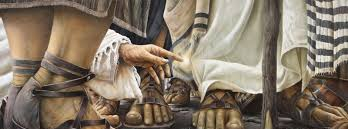
Posted in Uncategorized | Tagged , , , , | Leave a comment