
A MIDDLE SCHOOLER BECOMES KING! 

First, imagine a middle schooler becoming a king! Would you like to be ruled by your middle schooler?  Manasseh, age 12, is given all kinds of power and authority only because of the position.  He is not king because he has proven himself by showing the wisdom of a king; but merely because his father has passed the crown to him as the oldest son, next in line for the throne! 

Manasseh was born the son of the great King Hezekiah who loved the Lord God and love the people he served.  King Hezekiah restored and built new all that was broken in the kingdom of Judah. Guided by God he tore down all the altars of Baal, ceasing the worship of anything or anyone but God. He rebuilt the Temple of God and restored the ministry of the Levitical priests to God’s people.

But now, his middle school age son has come to inherited power and undoes all the good that King Hezekiah did who “did evil in the eyes of the Lord”.  The new king destroyed all that is father had done for the glory of God. He became known as the most evil king Judah has ever seen—the opposite of what his father was known as king. 

But God…

2 Chronicles 33

Manasseh King of Judah

Manasseh was twelve years old when he became king, and he reigned in Jerusalem fifty-five years. He did evil in the eyes of the Lord, following the detestable practices of the nations the Lord had driven out before the Israelites. He rebuilt the high places his father Hezekiah had demolished; he also erected altars to the Baals and made Asherah poles. He bowed down to all the starry hosts and worshiped them. He built altars in the temple of the Lord, of which the Lord had said, “My Name will remain in Jerusalem forever.” In both courts of the temple of the Lord, he built altars to all the starry hosts. He sacrificed his children in the fire in the Valley of Ben Hinnom, practiced divination and witchcraft, sought omens, and consulted mediums and spiritists. He did much evil in the eyes of the Lord, arousing his anger.

He took the image he had made and put it in God’s temple, of which God had said to David and to his son Solomon, “In this temple and in Jerusalem, which I have chosen out of all the tribes of Israel, I will put my Name forever. I will not again make the feet of the Israelites leave the land I assigned to your ancestors, if only they will be careful to do everything I commanded them concerning all the laws, decrees and regulations given through Moses.” But Manasseh led Judah and the people of Jerusalem astray, so that they did more evil than the nations the Lord had destroyed before the Israelites.

10 The Lord spoke to Manasseh and his people, but they paid no attention11 So the Lord brought against them the army commanders of the king of Assyria, who took Manasseh prisoner, put a hook in his nose, bound him with bronze shackles and took him to Babylon. 12 In his distress he sought the favor of the Lord his God and humbled himself greatly before the God of his ancestors. 13 And when he prayed to him, the Lord was moved by his entreaty and listened to his plea; so he brought him back to Jerusalem and to his kingdom. Then Manasseh knew that the Lord is God.

14 Afterward he rebuilt the outer wall of the City of David, west of the Gihon spring in the valley, as far as the entrance of the Fish Gate and encircling the hill of Ophel; he also made it much higher. He stationed military commanders in all the fortified cities in Judah.

15 He got rid of the foreign gods and removed the image from the temple of the Lord, as well as all the altars he had built on the temple hill and in Jerusalem; and he threw them out of the city. 16 Then he restored the altar of the Lord and sacrificed fellowship offerings and thank offerings on it, and told Judah to serve the Lord, the God of Israel. 17 The people, however, continued to sacrifice at the high places, but only to the Lord their God.

18 The other events of Manasseh’s reign, including his prayer to his God and the words the seers spoke to him in the name of the Lord, the God of Israel, are written in the annals of the kings of Israel.[a] 19 His prayer and how God was moved by his entreaty, as well as all his sins and unfaithfulness, and the sites where he built high places and set up Asherah poles and idols before he humbled himself—all these are written in the records of the seers. 20 Manasseh rested with his ancestors and was buried in his palace. And Amon his son succeeded him as king.

Amon King of Judah

21 Amon was twenty-two years old when he became king, and he reigned in Jerusalem two years. 22 He did evil in the eyes of the Lord, as his father Manasseh had done. Amon worshiped and offered sacrifices to all the idols Manasseh had made. 23 But unlike his father Manasseh, he did not humble himself before the Lord; Amon increased his guilt.

24 Amon’s officials conspired against him and assassinated him in his palace. 25 Then the people of the land killed all who had plotted against King Amon, and they made Josiah his son king in his place.

WHAT DO WE LEARN—HOW DO WE RESPOND?

For fifty-five years, this man of evil reigned in Judah!  From age 12 to 67, King Manasseh reigned.  That godly King Hezekiah should have such a wicked son is another one of those puzzles in biblical history. If Manasseh was born in 709 B.C., then he was seven years old when his father was healed and when the miracle of the shadow occurred. He was eight years old when the 185,000 Assyrian soldiers were slain by God’s Hand to protect the kingdom of Judah while his father, King Hezekiah reigned!  But apparently these miracles during his father’s tenure made little impression on young Manasseh!  Until that one day when God…

Many Bible scholars think that Manasseh reigned with his father for perhaps ten years (697–687), from ages twelve to twenty-two, so he lived in close relationship with a godly father. But the remarkable thing is that Manasseh became the most wicked king in Judah’s history, so much so that he is blamed for the fall of the southern kingdom! (See also, 2 Kings 24:3; Jeremiah 15:4)

Why was God’s glory of wisdom lost on him?  We don’t know but what we are privileged to know is that the evil pride that overtook this young king was soon dealt with by God who humbled Manasseh.  God used the enemy Assyrians to bring him to his knees. The enemy of Judah shackled him, put a ring in his nose and led the king off to Babylon!  But God—intervened when the Manasseh sought the Lord in humility. 

Remember the promise of God spoken earlier in our study of the Chronicles?

“If my people, who are called by my name, will humble themselves and pray and seek my face and turn from their wicked ways, then I will hear from heaven, and I will forgive their sin and will heal their land.” 2 Chronicles 7:14

This experience was greatly humiliating for this wicked king, but God used it to chasten him, break his pride, and bring him to his knees. Manasseh prayed for forgiveness, and the Lord kept His promise and forgave him. Even more, God moved the Assyrians to free Manasseh and allow him to return to Jerusalem to rule over the people.  THIS is Amazing Grace! 

Manasseh humbled himself, but the Lord first humbled him. True repentance is a work of God in the heart and a willing response of the heart to the Lord.

With a cleansed heart, renewed mind and refreshed soul by God’s mercy, King Manasseh returned home with the goal to undo all the evil he had done. He fortified Jerusalem and other cities in Judah, removed all the idols from the temple, as well as the altars in Jerusalem he had set up to false gods.  After cleansing the temple, he then repaired the altar of the Lord that had been neglected. He also offered peace and thanksgiving offerings to the Lord who had rescued him. He commanded the people of Judah to serve God, and he set the example.  But they did not listen to him—and neither did his young son, Amon.  The young son, Amon had been too influenced by his father’s sins to appreciate his new life of obedience to God.  Whereas Manasseh humbled himself before the Lord, his son Amon refused to do so; and the longer he sinned, the harder his heart became.  The Enemy of God destroys its own for evil leads to death. Amon is assassinated by his own court of officials.

In our own world, we can sometimes think that evil is winning but then God steps in. Our God who sees and knows all because He never fails.  In the middle of the storms, He is there.  In the worst of times to us; God has not given up His authority or turned to look away.  God is using all that happens around, in and to us to show us His glory is consistently at work.  God is patient, kind, compassionate and merciful.  All these traits of God’s character are wrapped in His infinite, relentless love for us!

Our response to His merciful love is to fall to our knees and seek the Lord with honest humbled words of trust with an obedient heart.  In the seeking we must surrender our pride; for it is our pride that blocks us from His glorious work within us that longs to unshackle us and set us free! 

Pray the prayer of Manasseh—Surrender all the troubles and pain that have you bound up in worry and anxiety right now.  Whatever it is, disease, addictions, kids in trouble, cash flow, debts, or job loss and bow to God who still has the authority and power to transform life.  Prayer: “Lord, have mercy on me and my family.  Teach me to see your way through the storm.” God answers prayers of humbled surrender with healing, forgiveness and restoration in ways we never dreamed possible.  With God all things are possible. With God, troubles are seen from a new perspective.  With God, peace comes to replace anxious thoughts.  With God, love drives our fear and displaces worry.

“If my people, who are called by my name, will humble themselves and pray and seek my face and turn from their wicked ways, then I will hear from heaven, and I will forgive their sin and will heal their land.” 2 Chronicles 7:14

I sought the Lord and He heard and He answered.  May this statement be our testimony and our song of redemption forever and ever, Amen!

Lord,

Thank you for giving us the privilege to come to you with all that is on our minds, knowing you know and are already at work on our behalf.  What amazing love, mercy, and grace you provide daily in miraculous, glorious ways—so others will know you and see your glory at work and come to you, too. Thank you, thank you, thank you!

In Jesus Name, Amen

Posted in Uncategorized | Tagged , , , , | Leave a comment

THE ENEMY INVASION!

Dear friends, do not believe every spirit, but test the spirits to see whether they are from God, because many false prophets have gone out into the world. This is how you can recognize the Spirit of God: Every spirit that acknowledges that Jesus Christ has come in the flesh is from God, but every spirit that does not acknowledge Jesus is not from God. This is the spirit of the antichrist, which you have heard is coming and even now is already in the world.

You, dear children, are from God and have overcome them, because the one who is in you is greater than the one who is in the world. They are from the world and therefore speak from the viewpoint of the world, and the world listens to them. We are from God, and whoever knows God listens to us; but whoever is not from God does not listen to us. This is how we recognize the Spirit of truth and the spirit of falsehood.” 1 John 4:1-6, NIV

Know God.

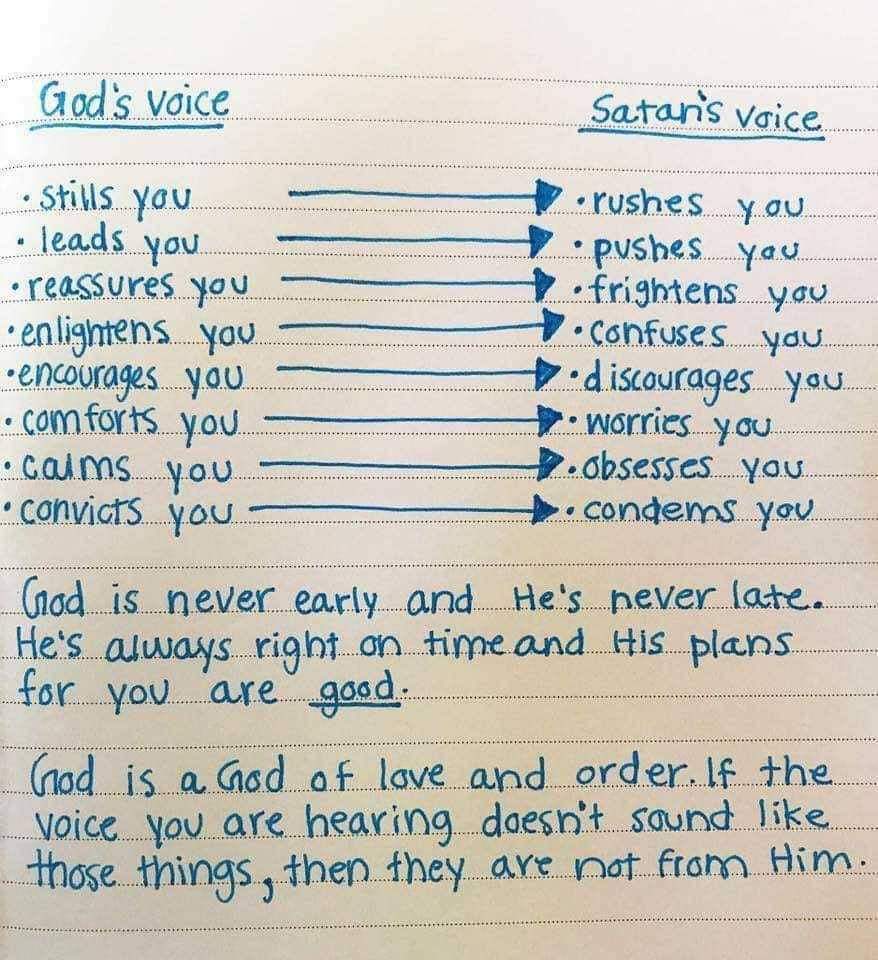
Know the Enemy.

To know is to be prepared for invasions by the Enemy who seeks to distract, deceive, deconstruct our lives with the intent to destroy our faith, hope, love and assurance in God alone.

Know that God wins against the Enemy.  Greater is HE than the Enemy.

Lately God has been moving in powerful, miraculous, in astonishing ways in the church that we have been attending and contributing to these past few years. We can try to explain but most times the extreme growth in numbers and in the found learning and growing in Christ is all God and cannot be explained in human terms.  Yes, our pastor is compassionate, caring, and speaks Jesus!  The staff agrees that their mission from God is to build a community of believers who come from all walks of life.  All nations are welcome. All generations are encouraged.  All economies are included. We are the Body of Christ who seek Jesus as King, the Lord of our lives as well as the Savior of our souls for eternity.  Though we have not arrived at perfection; we know full well we need forgiveness—accepted from God and extended to others.  These are the benefits of God moving in our midst; but it is God who is on the move and we are along for the ride of our lives as we believe, follow, trust, and obey God.  Going from a population of around five hundred people about three years ago to over a thousand 1000 who outgrew a rented facility, moved to a remodeled abandoned grocery store which became immediately crowded with suddenly to 2500 people seeking Jesus to last Sunday with over 100 baptisms with 2900 people seeking Jesus—unexplainable in human terms. Only God!  Over 500 people in the last year represents changed lives from death to new life in Jesus.  But what is completely refreshing is that discipleship of these new believers is of paramount importance and God has given our pastor and many other leaders to ability to engage hundreds in the teaching of what is means to follow Jesus—not the leaders—but Jesus!

People are drawn to Jesus because of obedient leaders. Our pastor is a teacher of Jesus’ words. He reveres and respects the Word of God to all.  He prays before teaching all in attendance, asking the Holy Spirit to convict him and us with Truth as the Spirit corrects all of us with Truth.  He prays for those to be comforted who seek peace. He closes this pray in Jesus Name for all of us, including himself to be compelled to trust and obey God’s Word to us.  Our pastor’s humility before the Lord, knowing it is not about him, but all about God speaking to us and acting within us, knowing the Holy Spirit is doing all the heavy lifting is refreshing in this world of not knowing who to trust—even in some churches who speak mostly what the world wants to hear.  

But in all of God’s goodness to rescue us and set us free from our sins and teach us how to walk humbly with Him; the Enemy lies in wait to invade, looking for the weaknesses in our faith. The Enemy will use marginal believers who know enough of God to be dangerous! The enemy will invade the thoughts of pride filled people and use them to criticize and even slander those whose hearts are committed and in whom God is giving success.  God’s church from pastor to staff to volunteers to attenders is not without attacks from those who do not truly believe in what God is doing.  They might know of God but do not let go of self to really KNOW GOD. 

Remember with grateful hearts of praise: Our war is not with flesh and blood even though we might feel like it when they are in our face with hateful words. No, our war is with the one Jesus calls Liar, Deceiver and later Destroyer.  This battle has already been won by Jesus, Himself, when he rose from the grave! He is our final Victory over the Enemy.

Just ask Hezekiah!  The Enemy of God hates believers on their knees calling on God in Jesus’ Name to help them in the invasion of evil.  Look at the words Hezekiah used to encourage all with, “there is a greater power with us than with him”.

We can be encouraged by our Overcomer, says John, beloved disciple of Jesus, for “greater is HE that is in us than he that is in the world!”  Oh, how I love God’s Word that never contradicts but always speaks Truth!

2 Chronicles 32

Sennacherib Threatens Jerusalem

After all that Hezekiah had so faithfully done, Sennacherib king of Assyria came and invaded Judah. He laid siege to the fortified cities, thinking to conquer them for himself. When Hezekiah saw that Sennacherib had come and that he intended to wage war against Jerusalem, he consulted with his officials and military staff about blocking off the water from the springs outside the city, and they helped him. They gathered a large group of people who blocked all the springs and the stream that flowed through the land. “Why should the kings of Assyria come and find plenty of water?” they said. Then he worked hard repairing all the broken sections of the wall and building towers on it. He built another wall outside that one and reinforced the terraces of the City of David. He also made large numbers of weapons and shields.

He appointed military officers over the people and assembled them before him in the square at the city gate and encouraged them with these words: “Be strong and courageous. Do not be afraid or discouraged because of the king of Assyria and the vast army with him, for there is a greater power with us than with himWith him is only the arm of flesh, but with us is the Lord our God to help us and to fight our battles.” And the people gained confidence from what Hezekiah the king of Judah said.

Later, when Sennacherib king of Assyria and all his forces were laying siege to Lachish, he sent his officers to Jerusalem with this message for Hezekiah king of Judah and for all the people of Judah who were there:

10 “This is what Sennacherib king of Assyria says: On what are you basing your confidence, that you remain in Jerusalem under siege? 11 When Hezekiah says, ‘The Lord our God will save us from the hand of the king of Assyria,’ he is misleading you, to let you die of hunger and thirst. 12 Did not Hezekiah himself remove this god’s high places and altars, saying to Judah and Jerusalem, ‘You must worship before one altar and burn sacrifices on it’?

13 “Do you not know what I and my predecessors have done to all the peoples of the other lands? Were the gods of those nations ever able to deliver their land from my hand? 14 Who of all the gods of these nations that my predecessors destroyed has been able to save his people from me? How then can your god deliver you from my hand? 15 Now do not let Hezekiah deceive you and mislead you like this. Do not believe him, for no god of any nation or kingdom has been able to deliver his people from my hand or the hand of my predecessors. How much less will your god deliver you from my hand!”

16 Sennacherib’s officers spoke further against the Lord God and against his servant Hezekiah. 17 The king also wrote letters ridiculing the Lord, the God of Israel, and saying this against him: “Just as the gods of the peoples of the other lands did not rescue their people from my hand, so the god of Hezekiah will not rescue his people from my hand.” 18 Then they called out in Hebrew to the people of Jerusalem who were on the wall, to terrify them and make them afraid in order to capture the city. 19 They spoke about the God of Jerusalem as they did about the gods of the other peoples of the world—the work of human hands.

20 King Hezekiah and the prophet Isaiah son of Amoz cried out in prayer to heaven about this21 And the Lord sent an angel, who annihilated all the fighting men and the commanders and officers in the camp of the Assyrian king. So he withdrew to his own land in disgrace. And when he went into the temple of his god, some of his sons, his own flesh and blood, cut him down with the sword.

22 So the Lord saved Hezekiah and the people of Jerusalem from the hand of Sennacherib king of Assyria and from the hand of all others. He took care of them on every side. 23 Many brought offerings to Jerusalem for the Lord and valuable gifts for Hezekiah king of Judah. From then on he was highly regarded by all the nations.

Hezekiah’s Pride, Success and Death

24 In those days Hezekiah became ill and was at the point of death. He prayed to the Lord, who answered him and gave him a miraculous sign. 25 But Hezekiah’s heart was proud and he did not respond to the kindness shown him; therefore the Lord’s wrath was on him and on Judah and Jerusalem. 26 Then Hezekiah repented of the pride of his heart, as did the people of Jerusalem; therefore the Lord’s wrath did not come on them during the days of Hezekiah.

27 Hezekiah had very great wealth and honor, and he made treasuries for his silver and gold and for his precious stones, spices, shields and all kinds of valuables. 28 He also made buildings to store the harvest of grain, new wine and olive oil; and he made stalls for various kinds of cattle, and pens for the flocks. 29 He built villages and acquired great numbers of flocks and herds, for God had given him very great riches.

30 It was Hezekiah who blocked the upper outlet of the Gihon spring and channeled the water down to the west side of the City of David. He succeeded in everything he undertook. 31 But when envoys were sent by the rulers of Babylon to ask him about the miraculous sign that had occurred in the land, God left him to test him and to know everything that was in his heart.

32 The other events of Hezekiah’s reign and his acts of devotion are written in the vision of the prophet Isaiah son of Amoz in the book of the kings of Judah and Israel. 33 Hezekiah rested with his ancestors and was buried on the hill where the tombs of David’s descendants are. All Judah and the people of Jerusalem honored him when he died. And Manasseh his son succeeded him as king.

WHAT DO WE LEARN—HOW DO WE RESPOND?

KNOW GOD; God’s Word teaches us to be still, let go, and learn from Him.

KNOW THE ENEMY; Jesus who fought and won tells us how to guard our hearts, minds and souls who love Him with extreme, powerful help of His Holy Spirit.

BE A DISCIPLE (one who learns) of JESUS who is the Overcomer. God never fails.  Cling the One who gives Hope of eternal life.  Surrendering to God daily improves our listening and learning from Him. (Romans12:1-2)

“I have told you these things, so that in me you may have peace. In this world you will have trouble. But take heart! I have overcome the world.”—Jesus, John 16:33

Lord,

Cleanse our hearts, renew our minds, transform our behaviors so we will be more like you every day.  Refresh our souls with your new mercies each day. Continually restore the joy of you in us and us in you—the work of your hands, to help us overcome the enemy.  Help us all to judge less and love more—like you love us.

In Jesus Name, Amen

Posted in Uncategorized | Tagged , , , , | Leave a comment

MADE NEW

How refreshing it is when a leader listens to God with a desire to do what He says.  A leader who seeks God with all their heart, mind, and soul has a great desire to do what God says, not for what God will do for the leader but for all people he leads.  Those whose hearts are wholehearted committed to God demonstrates the love of God to others—and they take notice and listen to the leader!  A revival of thought comes to those who seek God.  A return to God causes all of life to be made new!

The Apostle Paul proclaims this newness of heart, mind, and soul that is found in repentance to God in Jesus’ Name with what happens next;

So from now on we regard no one from a worldly point of view. Though we once regarded Christ in this way, we do so no longer. Therefore, if anyone is in Christ, the new creation has come: The old has gone, the new is here! 18 All this is from God, who reconciled us to himself through Christ and gave us the ministry of reconciliation: that God was reconciling the world to himself in Christ, not counting people’s sins against them. And he has committed to us the message of reconciliation.” 2 Corinthians 5:16-19

We are made new!  We no longer think how and what we used to think.  We no longer do what we used to do because our desires have changed to match more closely with God’s desires for us!  Our sins are gone, erased, no longer held against us. THIS is what makes our whole being new—without the baggage of the past holding us down. 

Made new means made free to live a different life with different thinking and behaviors.  Made new affects every part of our being—physically, mentally, emotionally, and most of all spiritually!  Hope is our new outlook on life!  We look to God daily with expectant daily Hope all because of Jesus’ sacrifice and victory over death in resurrection from death to life!  We are a redeemed people with a new desire to tell of God’s unending grace! This new life proclaims a new message to others—”Be reconciled to God! You won’t regret it! You will be revived from dead living to new eternal life living!”

Hezekiah’s committed heart, mind, and soul to God changed everything for the people living in Judah—God’s kingdom of God’s chosen people.  Hezekiah’s call to repentance with a return to God caused a great revival of thought throughout the land.  Because King Hezekiah trusted and obeyed God and told God’s people to do the same; God blessed Hezekiah with all he needed to continue to lead His people to be reconciled to God.

2 Chronicles 31

When all this had ended, the Israelites who were there went out to the towns of Judah, smashed the sacred stones and cut down the Asherah poles. They destroyed the high places and the altars throughout Judah and Benjamin and in Ephraim and Manasseh. After they had destroyed all of them, the Israelites returned to their own towns and to their own property.

Contributions for Worship

Hezekiah assigned the priests and Levites to divisions—each of them according to their duties as priests or Levites—to offer burnt offerings and fellowship offerings, to minister, to give thanks and to sing praises at the gates of the Lord’s dwelling. The king contributed from his own possessions for the morning and evening burnt offerings and for the burnt offerings on the Sabbaths, at the New Moons and at the appointed festivals as written in the Law of the LordHe ordered the people living in Jerusalem to give the portion due the priests and Levites so they could devote themselves to the Law of the Lord. As soon as the order went out, the Israelites generously gave the firstfruits of their grain, new wine, olive oil and honey and all that the fields produced. They brought a great amount, a tithe of everythingThe people of Israel and Judah who lived in the towns of Judah also brought a tithe of their herds and flocks and a tithe of the holy things dedicated to the Lord their God, and they piled them in heaps. They began doing this in the third month and finished in the seventh month. When Hezekiah and his officials came and saw the heaps, they praised the Lord and blessed his people Israel.

Hezekiah asked the priests and Levites about the heaps; 10 and Azariah the chief priest, from the family of Zadok, answered, “Since the people began to bring their contributions to the temple of the Lord, we have had enough to eat and plenty to spare, because the Lord has blessed his people, and this great amount is left over.”

11 Hezekiah gave orders to prepare storerooms in the temple of the Lord, and this was done. 12 Then they faithfully brought in the contributions, tithes and dedicated gifts. Konaniah, a Levite, was the overseer in charge of these things, and his brother Shimei was next in rank. 13 Jehiel, Azaziah, Nahath, Asahel, Jerimoth, Jozabad, Eliel, Ismakiah, Mahath and Benaiah were assistants of Konaniah and Shimei his brother. All these served by appointment of King Hezekiah and Azariah the official in charge of the temple of God.

14 Kore son of Imnah the Levite, keeper of the East Gate, was in charge of the freewill offerings given to God, distributing the contributions made to the Lord and also the consecrated gifts. 15 Eden, Miniamin, Jeshua, Shemaiah, Amariah and Shekaniah assisted him faithfully in the towns of the priests, distributing to their fellow priests according to their divisions, old and young alike.

16 In addition, they distributed to the males three years old or more whose names were in the genealogical records—all who would enter the temple of the Lord to perform the daily duties of their various tasks, according to their responsibilities and their divisions. 17 And they distributed to the priests enrolled by their families in the genealogical records and likewise to the Levites twenty years old or more, according to their responsibilities and their divisions. 18 They included all the little ones, the wives, and the sons and daughters of the whole community listed in these genealogical records. For they were faithful in consecrating themselves.

19 As for the priests, the descendants of Aaron, who lived on the farmlands around their towns or in any other towns, men were designated by name to distribute portions to every male among them and to all who were recorded in the genealogies of the Levites.

20 This is what Hezekiah did throughout Judah, doing what was good and right and faithful before the Lord his God. 21 In everything that he undertook in the service of God’s temple and in obedience to the law and the commands, he sought his God and worked wholeheartedly. And so he prospered.

WHAT DO WE LEARN—HOW DO WE RESPOND?

Kings of Judah before Hezekiah’s rule worshiped false gods and led God’s people astray with evil deeds that were detestable to God. Hezekiah, however, followed God and desired to please him. He brought back and restored the reading, trusting and obedience of God’s Law given to Moses centuries earlier.  He destroyed the pagan temples and altars that had become common in Judah and reopened the temple in Jerusalem. He brought about a religious revival with a committed heart to God as he sought to restore the nation to God.  Hezekiah sought the heart of God. God heard, answered, and prospered him!  The old was gone the new had come!

God gave King Hezekiah wisdom with a plan to keep the “new” way of thinking and behaving instilled in the hearts of a revived people!  King Hezekiah knew that the blessings of the Passover feast wouldn’t continue unless the people could participate in the regular ministry at the temple. A great feast at Christmas or on some special anniversary can be wonderful, but you can’t live all year on one or two special meals. For that reason, Hezekiah followed David’s instructions (See 1 Chronicles 23–26) and organized the priests and Levites for ministry at the temple. He set a good example by providing from his own flocks and herds the sacrifices needed day by day and month by month. King Hezekiah sought the Lord and did everything for Him from his heart!  Great leaders ask people to do what they themselves do—all for God’s glory.  A worshiping people will always be a generous people, especially when their leaders set the example, and Judah was no exception. 

Revival and return to God is made complete when our subsequent behaviors are made new!  We are made new to be and make a difference!  Notice how hearts were stirred with the blessing of the Lord upon them as they left Jerusalem!  They think differently so they are compelled to be different!  They obeyed the Lord and destroyed the idols in Judah, Benjamin, Ephraim, and Manasseh. Having an exciting time praising God in a two-week special meeting is one thing, but returning home afterward and living like people who have met the Lord is quite something else. This is being made new is a lifelong process in our relationship with God who helps us live a new life! 

Being made new requires daily surrender to God.  Paul advises the church then and now of how to live our new life in Jesus;

“So here’s what I want you to do, God helping you: Take your everyday, ordinary life—your sleeping, eating, going-to-work, and walking-around life—and place it before God as an offering. Embracing what God does for you is the best thing you can do for him. Don’t become so well-adjusted to your culture that you fit into it without even thinking. Instead, fix your attention on God. You’ll be changed from the inside out. Readily recognize what he wants from you, and quickly respond to it. Unlike the culture around you, always dragging you down to its level of immaturity, God brings the best out of you, develops well-formed maturity in you.” Romans 12:1-2, MSG

Return, Repent and be Saved. Surrender daily as an offering; then go tell others how to be reconciled to God!  Rinse and repeat.

Lord,

Thank you for reminding us that surrender to you first has everything to do with being made new daily by you.  It’s truly not exclusively about us.  It’s all about you!  You so loved the world that you gave us a Way to return to you by sending us the Truth who led us to eternal Life with you.  You gave all and that was more than enough to redeem us and set us free from our sins. We could not do that for ourselves. So, thank you, thank you, thank you!  Continue to develop your well-formed maturity in all of us as we live this made new life! I surrender all to you today.  Lead me, Lord.

In Jesus Name, Amen

Posted in Uncategorized | Tagged , , , , | Leave a comment

THE RETURN TO GOD

“I tell you that in the same way there will be more rejoicing in heaven over one sinner who repents than over ninety-nine righteous persons who do not need to repent.”—Jesus, Luke 15:7

“Heaven rejoices over one sinner” is a core message from Jesus that reminds us that all people have been created by God and matter to God.  God’s immense joy and celebration in heaven when even a single lost person repents and returns to Him extends to all the inhabitants of heaven with loud, joyous, worshipful celebration!

Take a minute to imagine it! Do we realize just how important each one of us is to God? The One who created us “in His own image” and so loved us that He sent His Son, Jesus to demonstrate His love for us—with His own life?  Do we believe, really believe that Jesus come down from heaven to show us the Way to God, told humanity the Truth of God, and then sacrificed His life to provide eternal Life with God for all who would believe, repent and turn back to God?

Repentance on earth gets the attention of God and triggers a joyous celebration in heaven!Repentance from one or from many sets off a rapturous, celebratory “party” for every person who turns from sin. 

Jesus emphasizes the immense worth of each person, even those who have gone far astray, contrasting the search for the lost with the security of those who are already “found”.  Wouldn’t we leave the ninety-nine sheep to go and search for the one sheep lost from the fold,” teaches Jesus. All the parables found in Luke (lost sheep, lost coin, lost son) reveal God’s heart for the lost and His desire for their restoration. 

True, Humbled Repentance involves a change of heart and life, turning from past sins and seeking God’s purpose, a humbled act of surrender worthy of divine celebration.

“For God so loved the world that he gave his one and only Son, that whoever believes in him shall not perish but have eternal life. For God did not send his Son into the world to condemn the world, but to save the world through him.” John 3:16-17

Hezekiah, the King who proclaimed repentance with a return to God, sought restoration from God for all who would come to Jerusalem.  In the past, three times each year, the Israelite men were required to go to Jerusalem to celebrate the Feasts of the Passover and Unleavened Bread, Harvest (Pentecost), and Tabernacles (Final Harvest) according to God’s Law given to Moses.  But “not since Solomon” had the celebrations been done with real repentance with a desire to return to God, seeking restoration from God.

Hezekiah’s proclamation to return to Jerusalem for the purpose of returning to the Lord, their God led to revival and exuberant rejoicing with true worship to God.  God was pleased with their seeking of Him.  God heard their prayers from heaven and their rejoicing and celebration from heaven of Him.  After King Hezekiah’s prayer for all; God then healed His people!  Read on…this is so awesome!

2 Chronicles 30

Hezekiah Celebrates the Passover

Hezekiah sent word to all Israel and Judah and also wrote letters to Ephraim and Manasseh, inviting them to come to the temple of the Lord in Jerusalem and celebrate the Passover to the Lord, the God of Israel. The king and his officials and the whole assembly in Jerusalem decided to celebrate the Passover in the second month. They had not been able to celebrate it at the regular time because not enough priests had consecrated themselves and the people had not assembled in Jerusalem. The plan seemed right both to the king and to the whole assembly. They decided to send a proclamation throughout Israel, from Beersheba to Dan, calling the people to come to Jerusalem and celebrate the Passover to the Lord, the God of Israel. It had not been celebrated in large numbers according to what was written.

At the king’s command, couriers went throughout Israel and Judah with letters from the king and from his officials, which read:

“People of Israel, return to the Lord, the God of Abraham, Isaac and Israel, that he may return to you who are left, who have escaped from the hand of the kings of Assyria. Do not be like your parents and your fellow Israelites, who were unfaithful to the Lord, the God of their ancestors, so that he made them an object of horror, as you see. Do not be stiff-necked, as your ancestors were; submit to the Lord. Come to his sanctuary, which he has consecrated forever. Serve the Lord your God, so that his fierce anger will turn away from you. If you return to the Lord, then your fellow Israelites and your children will be shown compassion by their captors and will return to this land, for the Lord your God is gracious and compassionate. He will not turn his face from you if you return to him.”

10 The couriers went from town to town in Ephraim and Manasseh, as far as Zebulun, but people scorned and ridiculed them11 Nevertheless, some from Asher, Manasseh and Zebulun humbled themselves and went to Jerusalem12 Also in Judah the hand of God was on the people to give them unity of mind to carry out what the king and his officials had ordered, following the word of the Lord.

13 A very large crowd of people assembled in Jerusalem to celebrate the Festival of Unleavened Bread in the second month. 14 They removed the altars in Jerusalem and cleared away the incense altars and threw them into the Kidron Valley.

15 They slaughtered the Passover lamb on the fourteenth day of the second month. The priests and the Levites were ashamed and consecrated themselves and brought burnt offerings to the temple of the Lord. 16 Then they took up their regular positions as prescribed in the Law of Moses the man of God. The priests splashed against the altar the blood handed to them by the Levites. 17 Since many in the crowd had not consecrated themselves, the Levites had to kill the Passover lambs for all those who were not ceremonially clean and could not consecrate their lambs to the Lord. 18 Although most of the many people who came from Ephraim, Manasseh, Issachar and Zebulun had not purified themselves, yet they ate the Passover, contrary to what was written. But Hezekiah prayed for them, saying, “May the Lord, who is good, pardon everyone 19 who sets their heart on seeking God—the Lord, the God of their ancestors—even if they are not clean according to the rules of the sanctuary.” 20 And the Lord heard Hezekiah and healed the people.

21 The Israelites who were present in Jerusalem celebrated the Festival of Unleavened Bread for seven days with great rejoicing, while the Levites and priests praised the Lord every day with resounding instruments dedicated to the Lord.

22 Hezekiah spoke encouragingly to all the Levites, who showed good understanding of the service of the Lord. For the seven days they ate their assigned portion and offered fellowship offerings and praised the Lord, the God of their ancestors.

23 The whole assembly then agreed to celebrate the festival seven more days; so for another seven days they celebrated joyfully. 24 Hezekiah king of Judah provided a thousand bulls and seven thousand sheep and goats for the assembly, and the officials provided them with a thousand bulls and ten thousand sheep and goats. A great number of priests consecrated themselves. 25 The entire assembly of Judah rejoiced, along with the priests and Levites and all who had assembled from Israel, including the foreigners who had come from Israel and also those who resided in Judah. 26 There was great joy in Jerusalem, for since the days of Solomon son of David king of Israel there had been nothing like this in Jerusalem27 The priests and the Levites stood to bless the people, and God heard them, for their prayer reached heaven, his holy dwelling place.

WHAT DO WE LEARN—HOW DO WE RESPOND?

“For I know the thoughts that I think toward you, says the Lord, thoughts of peace and not of evil, to give you a future and a hope. Then you will call upon Me and go and pray to Me, and I will listen to you. And you will seek Me and find Me, when you search for Me with all your heart.” Jeremiah 29:11-13

The repeated word “return” reveals the desire of Hezekiah’s heart. If the people all turned in repentance to God, God would return to bless His people with restoration and healing.  The restoration of the Passover celebration was the ideal way to “return” to God with their whole hearts.  Here was an opportunity to make a new beginning and glorify the Lord by seeking His compassion, grace, and mercy.

Many common people in the large congregation were unclean, perhaps because they had left their homes quickly or because they had been defiled during the journey to Jerusalem according to the stipulations in God’s Law for “cleansing”. Hezekiah knew that God was concerned about the hearts of the worshipers, not the details of meeting ceremonial requirements, and he asked God to cleanse and accept them.  God did. 

“To obey is better than sacrifice” Samuel once said to King Saul. (1 Samuel 15:22)  “Man looks at the outer appearance; but God looks at the heart,” Samuel said he anointed the shepherd boy David  as the next King to succeed Saul—in front of his father and brothers!  (1 Samuel 16:7)

God answered Hezekiah’s prayer because God wants the heart’s devotion and not mere religious ritual. Today if God’s people would prepare their hearts for worship with as much care as they prepare their appearance; the Lord would send His blessings on His church, heal, and restore them.

Repent, return to God, and be restored in relationship with God! 

Lord,

May we come with a grateful heart, a humbled mind, with a soul ready to be filled with you. Help us to daily prepare our whole being for worship of You, the Most High and Holy God!  May we hear with understanding your purpose and plan for each one of us who seek you with all our hearts.  I think I can hear the joyful noise of heaven now!

In Jesus Name, Amen

Posted in Uncategorized | Tagged , , , , | Leave a comment

WAIT, LET’S READ THE DIRECTIONS AGAIN…

Have you ever had this experience?  We long for a new and improved product that we think will bring peace and harmony to our lives.  We finally get it but it comes with directions to build and maintain it.  Ugh, the directions are too many and don’t explain why the pieces must fall into place nor does it momentarily make sense to us as we browse through them with only a slight nano minute to really read them. 

So, we set the directions aside. Not to worry, we have dreamed of this and studied it long before we received it so we think we know how it should be put together by seeing pictures of others having it.  We also think we can put this together using our own standard of logic. So, we go to work, with a bit of frustration, when all the pieces don’t come together perfectly.  We also wonder why some pieces are left over after the task is complete by our own understanding of the product.  But we will use it like it is—because on the outside—it looks really good. Well, good enough for us.

Later however, when “all the wheels fall off,” and we are left with a pile of junk; we might say, “Wait, let’s go back and read those directions again.  Maybe we missed something.  Ya think?! 

King Hezekiah’s dad, King Ahaz did not read the directions of God’s Law meant to benefit God’s people with protection and provisions from God. If fact, Ahaz closed the doors of the Temple!  He “closed up shop” so to speak so the sins of the people had no chance of being atoned by the priests, according the stipulations of God’s Law and direction.  Repentance meant nothing to Ahaz.  Evil ran rampant in Judah with the introduction of even more ways to sin with disgusting and detestable behaviors.  These extreme sins included sacrificing their own children to godless idols.

Ahaz and few other kings before him, ignored the directions of God’s Law completely.  The results of ignoring God and His directions soon led His people being overrun by the enemy nations, held in captivity for a time by their own families of Israel for one reason—they rebelled against God.  God was no longer their God by choice. The kings fostered this rebellion and led the people to sin against God, too. God, angered by their rebellion because of what they were giving up, waited for them to come back to Him. In the meantime, they lived with the consequences of life without God.

But his son who succeeded him, King Hezekiah was different…He read the directions!

2 Chronicles 29

Hezekiah Purifies the Temple

Hezekiah was twenty-five years old when he became king, and he reigned in Jerusalem twenty-nine years. His mother’s name was Abijah daughter of Zechariah. He did what was right in the eyes of the Lord, just as his father David had done.

In the first month of the first year of his reign, he opened the doors of the temple of the Lord and repaired them. He brought in the priests and the Levites, assembled them in the square on the east side and said: “Listen to me, Levites! Consecrate yourselves now and consecrate the temple of the Lord, the God of your ancestors. Remove all defilement from the sanctuary. Our parents were unfaithful; they did evil in the eyes of the Lord our God and forsook him. They turned their faces away from the Lord’s dwelling place and turned their backs on him. They also shut the doors of the portico and put out the lamps. They did not burn incense or present any burnt offerings at the sanctuary to the God of Israel. Therefore, the anger of the Lord has fallen on Judah and Jerusalem; he has made them an object of dread and horror and scorn, as you can see with your own eyes. This is why our fathers have fallen by the sword and why our sons and daughters and our wives are in captivity. 10 Now I intend to make a covenant with the Lord, the God of Israel, so that his fierce anger will turn away from us. 11 My sons, do not be negligent now, for the Lord has chosen you to stand before him and serve him, to minister before him and to burn incense.”

12 Then these Levites set to work:

from the Kohathites, Mahath son of Amasai and Joel son of Azariah;

from the Merarites, Kish son of Abdi and Azariah son of Jehallelel;

from the Gershonites, Joah son of Zimmah and Eden son of Joah;

13 from the descendants of Elizaphan, Shimri and Jeiel;

from the descendants of Asaph, Zechariah and Mattaniah;

14 from the descendants of Heman, Jehiel and Shimei;

from the descendants of Jeduthun, Shemaiah and Uzziel.

15 When they had assembled their fellow Levites and consecrated themselves, they went in to purify the temple of the Lord, as the king had ordered, following the word of the Lord. 16 The priests went into the sanctuary of the Lord to purify it. They brought out to the courtyard of the Lord’s temple everything unclean that they found in the temple of the Lord. The Levites took it and carried it out to the Kidron Valley. 17 They began the consecration on the first day of the first month, and by the eighth day of the month they reached the portico of the Lord. For eight more days they consecrated the temple of the Lord itself, finishing on the sixteenth day of the first month.

18 Then they went in to King Hezekiah and reported: “We have purified the entire temple of the Lord, the altar of burnt offering with all its utensils, and the table for setting out the consecrated bread, with all its articles. 19 We have prepared and consecrated all the articles that King Ahaz removed in his unfaithfulness while he was king. They are now in front of the Lord’s altar.”

20 Early the next morning King Hezekiah gathered the city officials together and went up to the temple of the Lord. 21 They brought seven bulls, seven rams, seven male lambs and seven male goats as a sin offering for the kingdom, for the sanctuary and for Judah. The king commanded the priests, the descendants of Aaron, to offer these on the altar of the Lord. 22 So they slaughtered the bulls, and the priests took the blood and splashed it against the altar; next they slaughtered the rams and splashed their blood against the altar; then they slaughtered the lambs and splashed their blood against the altar. 23 The goats for the sin offering were brought before the king and the assembly, and they laid their hands on them24 The priests then slaughtered the goats and presented their blood on the altar for a sin offering to atone for all Israel, because the king had ordered the burnt offering and the sin offering for all Israel.

25 He stationed the Levites in the temple of the Lord with cymbals, harps and lyres in the way prescribed by David and Gad the king’s seer and Nathan the prophet; this was commanded by the Lord through his prophets26 So the Levites stood ready with David’s instruments, and the priests with their trumpets.

27 Hezekiah gave the order to sacrifice the burnt offering on the altar. As the offering began, singing to the Lord began also, accompanied by trumpets and the instruments of David king of Israel. 28 The whole assembly bowed in worship, while the musicians played and the trumpets sounded. All this continued until the sacrifice of the burnt offering was completed.

29 When the offerings were finished, the king and everyone present with him knelt down and worshiped. 30 King Hezekiah and his officials ordered the Levites to praise the Lord with the words of David and of Asaph the seer. So they sang praises with gladness and bowed down and worshiped.

31 Then Hezekiah said, “You have now dedicated yourselves to the Lord. Come and bring sacrifices and thank offerings to the temple of the Lord.” So the assembly brought sacrifices and thank offerings, and all whose hearts were willing brought burnt offerings.

32 The number of burnt offerings the assembly brought was seventy bulls, a hundred rams and two hundred male lambs—all of them for burnt offerings to the Lord. 33 The animals consecrated as sacrifices amounted to six hundred bulls and three thousand sheep and goats. 34 The priests, however, were too few to skin all the burnt offerings; so their relatives the Levites helped them until the task was finished and until other priests had been consecrated, for the Levites had been more conscientious in consecrating themselves than the priests had been. 35 There were burnt offerings in abundance, together with the fat of the fellowship offerings and the drink offerings that accompanied the burnt offerings.

So the service of the temple of the Lord was reestablished36 Hezekiah and all the people rejoiced at what God had brought about for his people, because it was done so quickly.

WHAT DO WE LEARN—HOW DO WE RESPOND?

King Hezekiah, in a few short months, reestablished a relationship between God and His people because of his own holy relationship with God.  Hezekiah followed God and desired to please him by knowing and obeying God’s Law of direction.

This king was different in every way.  Hezekiah immediately went to work to destroy the pagan temples and altars that had become common in Judah. He reopened the doors of the temple in Jerusalem that had been slammed shut in anger and hate by his father. This king brought about a religious revival with a holy purpose—to restore the nation to God.

God does not tolerate compromise with the pagans. Nothing is to be added or left out concerning God’s Directions.  We sometimes set aside God’s Directions because of our arrogant thinking that we know better without reading or obeying His direction; but the longer compromises go unchecked, the harder it becomes to turn back.  Pride and arrogance are sins that create extreme ways to sin against God.

Hezekiah, king of Israel, stirrer of religious revival in the land, calls upon the people to abandon false gods and return to the true God.  No more compromise!  There is only One God.  Worship Him alone.  This was Hezekiah’s message.  Return to God’s Law and obey what He says!

There is much more to come in God’s story of how He worked through the life of King Hezekiah.  Stay tuned. But for now, know this about the man who turned the kingdom back to God; The name Hezekiah means “the Lord strengthens,” and King Hezekiah needed God’s strength to accomplish all that he did during his reign of twenty-nine years.  This king did what was right and humbly walked with God—refreshing news, right?!

The restoration began with the removal of the refuse. If we are to have revival in the Lord’s work, we must begin with cleansing. Over the years, individuals and churches can gradually accumulate a great deal of religious rubbish while ignoring the essentials of spiritual worship. We don’t experience God’s blessing by doing some unique and new thing but by returning to the old things and doing them well. If we confess our sins (7:14), light the lamps, burn the incense (a picture of prayer, Ps. 141:1, 2), and offer ourselves as living sacrifices (Rom. 12:1, 2), the Lord will see and hear and will send His blessing.” –Warren Wiersbe, Wiersbe Study Bible

Lord,

Cleanse our hearts, remove all that does not belong.  Renew our minds and transform our thinking to be more like you. Refresh our souls then with your new, tender mercies fresh each day. Continually restore the joy of your salvation at work within us.  You in us and us in You.  We draw closer to you when we read your directions each day, holding what you say close to our hearts.

In Jesus Name, Amen
Posted in Uncategorized | Tagged , , , , | Leave a comment

WITHOUT PROTECTION

I cannot imagine the troubles and trials that were avoided because of the prayers of my Grandma Kellerby who prayed daily for me.  I admired her wisdom in asking for God’s protection over me. Did she know something my driving capabilities? Probably. As an eighteen-year-old who commuted 45 minutes from home daily to the university of choice to become a teacher, while holding down a part time job, I took risks in driving too fast down backroads to avoid the traffic so I could get there in 30 minutes or less!  I confess this sin to all who think righteousness ends when we get behind the wheel of our vehicles. At that time in my life, leaving all that I knew was right and good for me and others on the road did not stop me for the thrill of making it to school in record time!  These are thoughts of the young and foolhardy.

On my way to school, I saw more than one person fail to negotiate the infamous curve on this country road and end up in the ditch in front of a farmhouse. I guess they didn’t have a prayer warrior speaking to God on their behalf! Something within me told me to slow down for that obstacle!  Mm.  Seriously though, we need the wisdom of those who love us to intervene in prayer for us until we have the wisdom to pray asking for protection, wisdom, and guidance ourselves with a humbled trusting and obedient heart—not as one who will do anything to beat our previous times of arrival at our destination!  Do not test the Lord, Your God!

We begin our study today with the foolhardy activities of King Ahaz.  He not only “did not do what was right in the eyes of the Lord” but pushed the limits of how many ways he could sin against God and his own family!  How low into the disgusting ways of sin does he go?  Friends, the king sacrificed his own children to gods of evil! 

Our sin separates us from God who is perfect and holy and without sin. God, by His nature and character will not occupy the same space as sin. God will not abide in people who knowingly sin against Him. People who sin, therefore, forfeit His protection.  

King Ahaz chose sins of evil over and against God.  Because of this; he no longer has God’s Hand of protection over him and the people who sin with him. God’s love, compassion, provision, and protection is still within reach; but the king refused God.  It was the King and the people who left God and moved out from underneath the shadow of his wings of protection!  The young king’s rebellion against God will come at great cost.  King Ahaz’s forefather, King David, a man after the heart of God, writes;

“Your unfailing love, O Lord, is as vast as the heavens; your faithfulness reaches beyond the clouds. Your righteousness is like the mighty mountains, your justice like the ocean depths. You care for people and animals alike, O Lord. How precious is your unfailing love, O God! All humanity finds shelter in the shadow of your wings.”—King David, Psalm 36:5-7, NLT

King Ahaz refuses God and all His benefits.  Here’s what happened when he did…

2 Chronicles 28

Ahaz King of Judah

Ahaz was twenty years old when he became king, and he reigned in Jerusalem sixteen years. Unlike David his father, he did not do what was right in the eyes of the Lord. He followed the ways of the kings of Israel and also made idols for worshiping the Baals. He burned sacrifices in the Valley of Ben Hinnom and sacrificed his children in the fire, engaging in the detestable practices of the nations the Lord had driven out before the Israelites. He offered sacrifices and burned incense at the high places, on the hilltops and under every spreading tree.

Therefore the Lord his God delivered him into the hands of the king of Aram. The Arameans defeated him and took many of his people as prisoners and brought them to Damascus.

He was also given into the hands of the king of Israel, who inflicted heavy casualties on him. In one day Pekah son of Remaliah killed a hundred and twenty thousand soldiers in Judah—because Judah had forsaken the Lord, the God of their ancestors. Zikri, an Ephraimite warrior, killed Maaseiah the king’s son, Azrikam the officer in charge of the palace, and Elkanah, second to the king. The men of Israel took captive from their fellow Israelites who were from Judah two hundred thousand wives, sons and daughters. They also took a great deal of plunder, which they carried back to Samaria.

But a prophet of the Lord named Oded was there, and he went out to meet the army when it returned to Samaria. He said to them, “Because the Lord, the God of your ancestors, was angry with Judah, he gave them into your hand. But you have slaughtered them in a rage that reaches to heaven. 10 And now you intend to make the men and women of Judah and Jerusalem your slaves. But aren’t you also guilty of sins against the Lord your God? 1Now listen to me! Send back your fellow Israelites you have taken as prisoners, for the Lord’s fierce anger rests on you.”

12 Then some of the leaders in Ephraim—Azariah son of Jehohanan, Berekiah son of Meshillemoth, Jehizkiah son of Shallum, and Amasa son of Hadlai—confronted those who were arriving from the war. 13 “You must not bring those prisoners here,” they said, “or we will be guilty before the Lord. Do you intend to add to our sin and guilt? For our guilt is already great, and his fierce anger rests on Israel.”

14 So the soldiers gave up the prisoners and plunder in the presence of the officials and all the assembly. 15 The men designated by name took the prisoners, and from the plunder they clothed all who were naked. They provided them with clothes and sandals, food and drink, and healing balm. All those who were weak they put on donkeys. So they took them back to their fellow Israelites at Jericho, the City of Palms, and returned to Samaria.

16 At that time King Ahaz sent to the kings of Assyria for help. 17 The Edomites had again come and attacked Judah and carried away prisoners, 18 while the Philistines had raided towns in the foothills and in the Negev of Judah. They captured and occupied Beth Shemesh, Aijalon and Gederoth, as well as Soko, Timnah and Gimzo, with their surrounding villages. 19 The Lord had humbled Judah because of Ahaz king of Israel, for he had promoted wickedness in Judah and had been most unfaithful to the Lord. 20 Tiglath-Pileser king of Assyria came to him, but he gave him trouble instead of help. 21 Ahaz took some of the things from the temple of the Lord and from the royal palace and from the officials and presented them to the king of Assyria, but that did not help him.

22 In his time of trouble King Ahaz became even more unfaithful to the Lord. 23 He offered sacrifices to the gods of Damascus, who had defeated him; for he thought, “Since the gods of the kings of Aram have helped them, I will sacrifice to them so they will help me.” But they were his downfall and the downfall of all Israel.

24 Ahaz gathered together the furnishings from the temple of God and cut them in pieces. He shut the doors of the Lord’s temple and set up altars at every street corner in Jerusalem. 25 In every town in Judah he built high places to burn sacrifices to other gods and aroused the anger of the Lord, the God of his ancestors.

26 The other events of his reign and all his ways, from beginning to end, are written in the book of the kings of Judah and Israel. 27 Ahaz rested with his ancestors and was buried in the city of Jerusalem, but he was not placed in the tombs of the kings of Israel. And Hezekiah his son succeeded him as king.

WHAT DO WE LEARN—HOW DO WE RESPOND?

Sins gives birth to more sin.  Sin compounds sin.  Sin exponentially produces more ways to sin.  I think we get the picture, so I’ll stop. After reading this passage, you might be thinking like me, is there anyone in Judah who is committed to God and still worships Him alone? 

Ahaz was the son of Jotham, a good king, and the father of Hezekiah, a very good king. Ahaz, however, was not a godly man or even a good man. King Ahaz’s sins against God were far reaching!  He took all the sins of all the enemy nations around him and multiplied them!  Instead of discovering and doing the will of God, Ahaz imitated the wicked kings of Israel and even the pagan practices of Assyria. He even adopted the horrible worship practices of the pagans and sacrificed his sons to a pagan gods such as Baal or Molech. Of course, this practice was clearly prohibited in the Law God gave to Moses and His people! See Leviticus 18:21; Deuteronomy 18:10. Sinning was the kings decision.  Imagine the Enemy of God standing by proudly as the King self-destructs in front of him without God’s protection.  But God still loves His people…that has not changed in this story of rebellion.

The Lord raised up a prophet named Obed in Israel who brought to light their own sins against God and reminded them that Judah and Israel were part of the same family!  Making slaves of their own brothers and sisters was indeed against the Law of God.  Remarkably the leaders of Israel listened and accepted God’s message!  They repented and immediately changed their treatment of the prisoners. They clothed and took care of their injuries before returning them back to their homes!  They were the first “Good Samaritans!”

The greatest sin of King Ahaz was to look for help in all the wrong places and put his faith in all the wrong people.  Imitating evil as demonstrated by the aggressive Assyrians led to his downfall. The King, like us today, had two choices in life—he chose to be without protection of God. What is our response?

WITHOUT PROTECTION—To follow evil and be consumed with committing the sins of darkness which eventually leads to death

WITH DIVINE PROTECTION—To believe, follow, trust, and obey the One and Only God who knows all and is always “ready to help in times of trouble” with His Mighty Hand of protection in all circumstances.     God is our Source of Life!

King David writes and sings of God’s protection!  If only King Ahaz would have listened to his forefather’s songs of truth! 

“God is our refuge and strength, always ready to help in times of trouble. So we will not fear when earthquakes come and the mountains crumble into the sea.” Psalm 46:1-2 NLT

David is making it clear that the Lord will be with us in ALL types and times of troubleGo to God first in times of trouble and doubt with a repentant heart who seeks His will.  God answers those whose hearts are committed to Him with his guidance and protection. God’s love for all He has created in his own image never changes and never fails in all of life’s circumstances.  I’ve seen it with my own eyes!

Lord,

This passage is full of sin and the darkness that sinful behaviors cause to those who no longer seek you for help, wisdom and protection. It grieves our hearts but also reminds us that we too fall for the worry that sin breeds within us.  Holy Spirit, thank you for bringing to our mind the Hope of heaven we have in Jesus.  Father God, Your Love is unlike any other on earth.  Your love drives out our fears of the unknown and secures our longing for protection when we seek you with all that is within us.  Thank you, thank you, thank you!  I will meditate on these words all day long.

In Jesus Name, Amen
Posted in Uncategorized | Tagged , , , , | Leave a comment

AN UNDER INFLUENCED PEOPLE

“Have you never heard? Have you never understood?
The Lord is the everlasting God, the Creator of all the earth.

He never grows weak or weary. No one can measure the depths of his understanding.
He gives power to the weak and strength to the powerless.
Even youths will become weak and tired, and young men will fall in exhaustion.
But those who trust in the Lord will find new strength. They will soar high on wings like eagles. They will run and not grow weary. They will walk and not faint.” Isaiah 40:28-31

Isaiah, prophet of God, seems to shout this message to encourage God’s people who live in peril consistently when Judah’s kings “did not do what was right in the eyes of God” but instead influenced the people of their kingdoms to detestable sins that blocked their relationship with God.  There were a few kings, like Jotham who we will read about today, who did what was right but failed to influence the people they served to worship God. Jothan himself never went the Temple. The attitude seems to be a “live and let live” way of life that we often see in our world today.

But God who is faithful even when we are not, still fulfilled His promise.  The Promise of God was still on God’s agenda from David, through Jotham’s reign and in the succeeding kings to come. That promise was Messiah come; Jesus, God’s own Son.  Though under served and highly under influenced by kings born from in the line of David, the Promise of Messiah will be fulfilled from this line of descendants from David—as promised.  “Have you never heard?” Trust God, He knows!

Fun Fact: Isaiah tells what God has told him to Jotham’s son, King Ahaz in a divine moment of The Promise to be born from the line of David!

Now it came to pass in the days of Ahaz the son of Jotham, the son of Uzziah, king of Judah, that Rezin king of Syria and Pekah the son of Remaliah, king of Israel, went up to Jerusalem to make war against it, but could not prevail against it. And it was told to the house of David, saying, “Syria’s forces are deployed in Ephraim.” So his heart and the heart of his people were moved as the trees of the woods are moved with the wind.

Then the Lord said to Isaiah, “Go out now to meet Ahaz…” –Isaiah 7:1-3

Isaiah obeys God and meets with King Ahaz who seeks answers for his war problems but receives instead news of the Promise of God who is the victor over all wars with evil!  Go ahead, says Isaiah to King Ahaz, “Ask a sign for yourself from the Lord your God; ask it either in the depth or in the height above.”

But Ahaz said, “I will not ask, nor will I test the Lord!”

Then he said, “Hear now, O house of David! Is it a small thing for you to weary men, but will you weary my God also? Therefore the Lord Himself will give you a sign: Behold, the virgin shall conceive and bear a Son, and shall call His name Immanuel. Curds and honey He shall eat, that He may know to refuse the evil and choose the good. For before the Child shall know to refuse the evil and choose the good, the land that you dread will be forsaken by both her kings.” Isaiah 7:11-16

At just the right time, God sent Isaiah with a message of hope, a promise, to King Ahaz. These were perilous days for the nation of Judah as Assyria, the enemy, had plans to overtake the nation of Judah. If Ahaz had believed God’s promise, he would have broken his alliance with the enemy, Assyria, and called the nation to prayer and praise, but the king refused to listen and  continued in his unbelief. Realizing the weakness of the king’s faith, Isaiah offered to give a sign to encourage him, but Ahaz put on a pious front and still refused his offer.  The people of God remained under influenced for faith in God. But the Promise is still to come. God is faithful and never fails to keep His promises—even when we are unfaithful to Him.

Warren Wiersbe, Bible Scholar, comments;

The ultimate fulfillment of this prophecy is in our Lord Jesus Christ, who is “God with us” (see Matthew 1:18–25; Luke 1:31–35). The virgin birth of Christ is a key doctrine; for if Jesus Christ is not God come in sinless human flesh, then we have no Savior. Jesus had to be born of a virgin, apart from human generation, because He existed before His mother. He was not just born in this world; He came down from heaven into the world (John 3:13; 6:33, 38, 41, 42, 50, 51, 58). Jesus was sent by the Father and therefore came into the world having a human mother but not a human father (John 4:34; 5:23, 24, 30; 9:4).”—Wiersbe Study Bible

A time of great humiliation and suffering could have been avoided had the leaders trusted in the Lord and influenced the people to trust and obey God.  Although King Jotham obeyed God, his subjects did not. It seems he never encouraged them to walk in God’s way.

God places people around us who can benefit from our influence. Hold that thought.

2 Chronicles 27

Jotham King of Judah

Jotham was twenty-five years old when he became king, and he reigned in Jerusalem sixteen years. His mother’s name was Jerusha daughter of Zadok. He did what was right in the eyes of the Lord, just as his father Uzziah had done, but unlike him he did not enter the temple of the Lord. The people, however, continued their corrupt practices. Jotham rebuilt the Upper Gate of the temple of the Lord and did extensive work on the wall at the hill of Ophel. He built towns in the hill country of Judah and forts and towers in the wooded areas.

Jotham waged war against the king of the Ammonites and conquered them. That year the Ammonites paid him a hundred talents of silver, ten thousand cors of wheat and ten thousand cors of barley. The Ammonites brought him the same amount also in the second and third years.

Jotham grew powerful because he walked steadfastly before the Lord his God.

The other events in Jotham’s reign, including all his wars and the other things he did, are written in the book of the kings of Israel and Judah. He was twenty-five years old when he became king, and he reigned in Jerusalem sixteen yearsJotham rested with his ancestors and was buried in the City of David. And Ahaz his son succeeded him as king.

WHAT DO WE LEARN—HOW DO WE RESPOND?

Jesus was, is and always will be God’s Son sent to be the Savior of all who would believe in Him. “God with us” came down from heaven, to be born of a virgin and her espoused husband, experienced childhood, grew to be called the Son of Man, he who was without sin, and moved into the neighborhood of humanity.  He came to seek and to save the lost but Jesus also demonstrated God’s love and compassion for all people “created in the image of God” to teach them who God really is while showing a weary world the love of God for all who received Him.  Jesus, The Greatest Influencer of all times came down from heaven to a world in desperate need of a Savior and Lord!

“Have you never heard?  Have you never understood…” are still the words of the prophets of God, also known as pastors and committed to God leaders of God’s church, called the bride of Christ by God!  For God so loved the world that he gave his one and only Son, that whoever believes in him shall not perish but have eternal life. For God did not send his Son into the world to condemn the world, but to save the world through him.” John 3:16-17

“…God demonstrates his own love for us in this: While we were still sinners, Christ died for us.”  Romans 5:8

But how will they know unless we who know Christ tell them?

“Since we believe that Christ died for all, we also believe that we have all died to our old life. He died for everyone so that those who receive his new life will no longer live for themselves. Instead, they will live for Christ, who died and was raised for them.

So we have stopped evaluating others from a human point of view. At one time we thought of Christ merely from a human point of view. How differently we know him now! This means that anyone who belongs to Christ has become a new person. The old life is gone; a new life has begun!

And all of this is a gift from God, who brought us back to himself through Christ. And God has given us this task of reconciling people to him. For God was in Christ, reconciling the world to himself, no longer counting people’s sins against them. And he gave us this wonderful message of reconciliation. So we are Christ’s ambassadors; God is making his appeal through us. We speak for Christ when we plead, “Come back to God!” For God made Christ, who never sinned, to be the offering for our sin, so that we could be made right with God through Christ.” Paul to the church, 2 Corinthians 5:14-21

“Let the redeemed of the Lord say so, Whom He has redeemed from the hand of the enemy…” Psalm 107:2 Speak Jesus and His message of reconciliation so others will know God, believe in His Son’s sacrifice and resurrection and be saved for eternal life, too!

Max Lucado writes;

“And so reads the list of Jesus’ not-so-great grandparents. Seems like the only common bond between this lot was a promise. A promise from heaven that God would use them to send his Son.

Why did God use these people? Didn’t have to. Could have just laid the Savior on a doorstep. Would have been simpler that way. And why does God tell us their stories? Why does God give us an entire testament of blunders and stumbles of his people?

Simple. He knew what you and I watched on the news last night. He knew you would fret. He knew I would worry. And he wants us to know that when the world goes wild, he stays calm.

Want proof? Read the last name on the genealogical list in Matthew 1. In spite of all the crooked halos and tasteless gambols of his people, the last name on the list is the first one promised—Jesus.

Period. No more names are listed. No more are needed. As if God is announcing to a doubting world, “See, I did it. Just like I said I would. The plan succeeded.”

The famine couldn’t starve it.

Four hundred years of Egyptian slavery couldn’t oppress it.

Wilderness wanderings couldn’t lose it.

Babylonian captivity couldn’t stop it.

Clay-footed pilgrims couldn’t spoil it.

The promise of the Messiah threads its way through 42 generations of rough-cut stones, forming a necklace fit for the King who came. Just as promised.

And the promise remains.

Those people who keep their faith until the end will be saved (see Mt 24:13), Joseph’s Child assures.

“In this world you will have trouble, but be brave! I have defeated the world” (Jn 16:33 NCV).

The engineer has not abandoned the train. Nuclear war is no threat to God. Yo-yo economies don’t intimidate the heavens. Immoral leaders have never derailed the plan.

God keeps his promise.

See for yourself. In the manger. He’s there.

See for yourself. In the tomb. He’s gone.

You can encourage other believers today! You can help unbelievers find Christ! How? Look for the hurting. Look for the lost. Watch for needs. Opportunities are plentiful. Accept the challenge of an opportunity and pray that God will help you be successful.” —Lucado, Encouraging Word Bible

Lord,

May these words linger on our hearts all day until we see the opportunities lying before us by you at your appointed time to help other as we tell your story so others will know and believe.

In Jesus Name, Amen

Posted in Uncategorized | Tagged , , , , | Leave a comment

PRIDE TARNISHES GOOD

“Pride comes before the fall”—Proverb 16:18 Another translation adds the attitude before falling; “Pride goes before destruction, And a haughty spirit before a fall. (NKJV)

Pride tarnishes all the good done through us by God when we think we did all by ourselves.  Watch a toddler learning to walk.  At first, toddlers cling tightly to the hand of the one keeping them upright and steady in their attempts to walk. They learn soon to reach out to things in the room they think are stable and strong enough to help them rise up and walk on their own.  Later the learn to walk on their own—unassisted.  They walk confidently. When a parent tries to lead them from danger or a fall; they arrogantly tell them, “No, I do it myself.” The toddler wants to not only walk but run without holding anyone’s hand.  We all know what happens next—they fall.

Sometimes in our growing and maturing faith, we act like a bunch of spiritual toddlers!  We become so confident in our walk with God that we think we are ready to do life without Him.  The “God, I’ve got this” pride enters in like an unwanted disease. The symptoms of arrogance and self-righteousness are readily seen by God before we notice the infection spreading in our hearts, minds, and souls. Others will notice but  God sees it first as He sees us from the inside out.  “Haughty,” arrogant overconfident spirits soon take over our being and focus on God blurs in the distance. God stands nearby.  God didn’t move but we have walked away from his assistance in our walk.  Then we fall.

Our passage today speaks of Uzziah, the king of Judah, who did what was right in the eyes of God—until pride took over his being.  With God’s leading he did great works for God’s people and stabilized the kingdom. But all that good was tarnished by the disease of pride from the inside out. Then the disease of leprosy was allowed to affict him from the outside in. Read to the end for the results of pride.

2 Chronicles 26

Uzziah King of Judah

Then all the people of Judah took Uzziah, who was sixteen years old, and made him king in place of his father AmaziahHe was the one who rebuilt Elath and restored it to Judah after Amaziah rested with his ancestors.

Uzziah was sixteen years old when he became king, and he reigned in Jerusalem fifty-two years. His mother’s name was Jekoliah; she was from Jerusalem. He did what was right in the eyes of the Lord, just as his father Amaziah had done. He sought God during the days of Zechariah, who instructed him in the fear of God. As long as he sought the Lord, God gave him success.

He went to war against the Philistines and broke down the walls of Gath, Jabneh and Ashdod. He then rebuilt towns near Ashdod and elsewhere among the Philistines. God helped him against the Philistines and against the Arabs who lived in Gur Baal and against the Meunites. The Ammonites brought tribute to Uzziah, and his fame spread as far as the border of Egypt, because he had become very powerful.

Uzziah built towers in Jerusalem at the Corner Gate, at the Valley Gate and at the angle of the wall, and he fortified them. 10 He also built towers in the wilderness and dug many cisterns, because he had much livestock in the foothills and in the plain. He had people working his fields and vineyards in the hills and in the fertile lands, for he loved the soil.

11 Uzziah had a well-trained army, ready to go out by divisions according to their numbers as mustered by Jeiel the secretary and Maaseiah the officer under the direction of Hananiah, one of the royal officials. 12 The total number of family leaders over the fighting men was 2,600. 13 Under their command was an army of 307,500 men trained for war, a powerful force to support the king against his enemies. 14 Uzziah provided shields, spears, helmets, coats of armor, bows and slingstones for the entire army. 15 In Jerusalem he made devices invented for use on the towers and on the corner defenses so that soldiers could shoot arrows and hurl large stones from the walls. His fame spread far and wide, for he was greatly helped until he became powerful.

16 But after Uzziah became powerful, his pride led to his downfallHe was unfaithful to the Lord his God, and entered the temple of the Lord to burn incense on the altar of incense. 17 Azariah the priest with eighty other courageous priests of the Lord followed him in. 18 They confronted King Uzziah and said, “It is not right for you, Uzziah, to burn incense to the Lord. That is for the priests, the descendants of Aaron, who have been consecrated to burn incense. Leave the sanctuary, for you have been unfaithful; and you will not be honored by the Lord God.”

19 Uzziah, who had a censer in his hand ready to burn incense, became angry. While he was raging at the priests in their presence before the incense altar in the Lord’s temple, leprosy broke out on his forehead20 When Azariah the chief priest and all the other priests looked at him, they saw that he had leprosy on his forehead, so they hurried him out. Indeed, he himself was eager to leave, because the Lord had afflicted him.

21 King Uzziah had leprosy until the day he died. He lived in a separate house—leprous, and banned from the temple of the Lord. Jotham his son had charge of the palace and governed the people of the land.

22 The other events of Uzziah’s reign, from beginning to end, are recorded by the prophet Isaiah son of Amoz. 23 Uzziah rested with his ancestors and was buried near them in a cemetery that belonged to the kings, for people said, “He had leprosy.” And Jotham his son succeeded him as king.

WHAT DO WE LEARN—HOW DO WE RESPOND?

In the end, the King who did great things by God’s Mighty Hand, was only remember as the king who had leprosy.  How sad…pride brings sadness.

I’m now recalling how Jesus answered and dealt with another proud, rich young ruler, a ruler similar to Uzziah.  He came to Jesus honestly, but with hints of pride, and asked;

“Teacher, what good thing must I do to get eternal life?”

“Why do you ask me about what is good?” Jesus replied. “There is only One who is good. If you want to enter life, keep the commandments.”

“Which ones?” he inquired.

Jesus replied, “’You shall not murder, you shall not commit adultery, you shall not steal, you shall not give false testimony, honor your father and mother,’ and ‘love your neighbor as yourself.’”

“All these I have kept,” the young man said. “What do I still lack?”

Jesus answered, “If you want to be perfect, go, sell your possessions and give to the poor, and you will have treasure in heaven. Then come, follow me.”

When the young man heard this, he went away sad, because he had great wealth.” Matthew 19:16:22

Was the rich young ruler hoping to buy his way into heaven by writing a sizable check as a donation to Jesus and his group of followers?  Would that be good enough? Wait, Jesus, you want all from me?  Mm, that’s a bit too pricey for me—beyond any tax break you could give me.  But sadness comes refusing God.  “I’ve got this God,” is the plight of many believers and the not yet believers of Jesus.

Later, Jesus will explain this conversation to his disciples—

“Truly I tell you, it is hard for someone who is rich to enter the kingdom of heaven. Again I tell you, it is easier for a camel to go through the eye of a needle than for someone who is rich to enter the kingdom of God.”

When the disciples heard this, they were greatly astonished and asked, “Who then can be saved?”

Jesus looked at them and said, “With man this is impossible, but with God all things are possible.”

Peter answered him, “We have left everything to follow you! What then will there be for us?”

Jesus said to them, “Truly I tell you, at the renewal of all things, when the Son of Man sits on his glorious throne, you who have followed me will also sit on twelve thrones, judging the twelve tribes of Israel. And everyone who has left houses or brothers or sisters or father or mother or wife or children or fields for my sake will receive a hundred times as much and will inherit eternal life. But many who are first will be last, and many who are last will be first.” Matthew 19:23-30

Pride has no place in our humbled walk with God in His Kingdom.

Pride that states confidently, “I do it myself,” leads quickly to fall.  Some of us who fall, humbly call out to God, “Lord, help me.”  But others of us act like toddlers in defiance of the fall.  We just sit and stew in our tears, wondering what went wrong when we were doing so good.  Pride blames everyone but us.  Pride tarnishes all the good achieved before the fall because we think the good came all from our own strengths. Pride, in fact, is our greatest weakness!

This is why the “pride proverb” is so famous!  “All have sinned and fall short,” writes Paul to the church and then and speaks to us today! (Romans 3:23) It is a sin not to give God all the glory for all that is good!  Pride is a sin that must be removed! Pride is removed only by repentance to God in the Name of Jesus! 

This proverbial wise advice is for all people and is said by believers and unbelievers alike.  But it specifically warns us all who have had the holy privilege to be a part of doing great works for the good of all by God leading, help, protection, and provision to stay humble, recognizing that it was God who did it through us as we held His Hand of wisdom and guidance.  Our only power to do good comes from God who is good through is Holy Spirit living and working in us. Listen to Him! 

Lord,

I repent of pride to you right now.  All I am, all I have I give back to you who gave life to me.  I’m yours.  I offer my life as an offering to you today. Guide me in all I think, say, and do so that others will know you, too.  Cleanse our hearts, remove all pride and all affects of this disease. Renew our minds, refresh our souls with your new mercies. Continually restore the joy of your salvation at work within us. And renew a right spirit within me.

In Jesus Name, Amen 

Posted in Uncategorized | Tagged , , , , | Leave a comment

WHOLEHEARTED OR HALFHEARTED

Just yesterday we reverently sang; “You can have it all” in worship to our Lord. But I confess that when I sing the chorus; I wonder if the words are still too inadequate for the One who already owns it all.  Are the words merely mankind’s attempt to give God permission to bless us in our feeble surrender in song?  It feels good but is it good?  The intended message is surrender.  But even in surrender, God seeks wholehearted surrender, the kind of surrender where there is not even a hint of our arrogant thinking of “oh how noble and good we are to sing these very words to Him” or to think “how pleasing we must be to God, blessing Him like this with our song of surrender.”  Especially when after the service is over; we return to our “regularly schedule programs” of self.

Believers who go deeper and wholeheartedly into a posture of humbled surrender — weep.  This outpouring of emotion is because wholehearted believers realize the true cost to not only believe Jesus but in the following of Jesus which involves ALL our hearts, minds, and souls—all that is within our “created in His own image” being! Wholehearted surrender comes because of realizing the fullness and significance of what God has surrendered for us—Jesus, His Son, a part of Himself which is more than enough! “We love Him because He first loved us,” John teaches us. (1 John 4:19) We also know that God created Love. God demonstrated His Love in surrender of His Son to save us.

Yes, “In the beginning, God…” is the beginning of God’s Story and Plan that includes surrender by Him for us. When we realize this truth, only then can we begin to grasp the depth of Real Love, created by God, Who is Love. Because of Love; God surrendered His One and Only Son to die for us because of this wholehearted Love for us! 

God created ALL.  God owns all.  He created all that is within us, surrounding us and is over and under us.  We are standing on the ground God created to hold us physically upright.  We are spiritually standing wholeheartedly on the Truth Who has all Authority. We are redeemed and blessed with life eternal because God created the Way back to Him through believing in His Son, Jesus!  God is Sovereign because God alone reigns over all He created and owns. Yes, the first four words of His Word speaks volumes about God; “In the beginning God…”

Everything in and on earth belongs to the Maker who gives life to new born infants who God knew in the wombs of their moms and who gave each one purpose to walk with Him!  King David, the descendant of the new king of Judah, sang wholeheartedly;

“The earth is the Lord’s, and everything in it, the world, and all who live in it; for he founded it on the seas and established it on the waters.

Who may ascend the mountain of the Lord? Who may stand in his holy place?
The one who has clean hands and a pure heart, who does not trust in an idol or swear by a false god.

They will receive blessing from the Lord and vindication from God their Savior.
Such is the generation of those who seek him, who seek your face, God of Jacob.

Lift up your heads, you gates; be lifted up, you ancient doors, that the King of glory may come in.
Who is this King of glory? The Lord strong and mighty, the Lord mighty in battle.
Lift up your heads, you gates; lift them up, you ancient doors, that the King of glory may come in.
Who is he, this King of glory? The Lord Almighty—he is the King of glory.  –David, Psalm 24

How it must grieve the heart of God for us to come to him with half-hearted surrender to His wholehearted redemption of us.

Amaziah, descendent of David, new King of Judah is described as, “He did what was right in the eyes of the Lord, but not wholeheartedly.”  Read on to see the results of half-hearted thinking followed by arrogant behaviors.  Spoiler alert—It’s not good.

2 Chronicles 25

Amaziah King of Judah

Amaziah was twenty-five years old when he became king, and he reigned in Jerusalem twenty-nine years. His mother’s name was Jehoaddan; she was from Jerusalem. He did what was right in the eyes of the Lord, but not wholeheartedly. After the kingdom was firmly in his control, he executed the officials who had murdered his father the kingYet he did not put their children to death, but acted in accordance with what is written in the Law, in the Book of Moses, where the Lord commanded: “Parents shall not be put to death for their children, nor children be put to death for their parents; each will die for their own sin.”[a]

Amaziah called the people of Judah together and assigned them according to their families to commanders of thousands and commanders of hundreds for all Judah and Benjamin. He then mustered those twenty years old or more and found that there were three hundred thousand men fit for military service, able to handle the spear and shield. He also hired a hundred thousand fighting men from Israel for a hundred talents of silver.

But a man of God came to him and said, “Your Majesty, these troops from Israel must not march with you, for the Lord is not with Israel—not with any of the people of Ephraim. Even if you go and fight courageously in battle, God will overthrow you before the enemy, for God has the power to help or to overthrow.”

Amaziah asked the man of God, “But what about the hundred talents I paid for these Israelite troops?”

The man of God replied, “The Lord can give you much more than that.”

10 So Amaziah dismissed the troops who had come to him from Ephraim and sent them home. They were furious with Judah and left for home in a great rage.

11 Amaziah then marshaled his strength and led his army to the Valley of Salt, where he killed ten thousand men of Seir. 12 The army of Judah also captured ten thousand men alive, took them to the top of a cliff and threw them down so that all were dashed to pieces.

13 Meanwhile the troops that Amaziah had sent back and had not allowed to take part in the war raided towns belonging to Judah from Samaria to Beth Horon. They killed three thousand people and carried off great quantities of plunder.

14 When Amaziah returned from slaughtering the Edomites, he brought back the gods of the people of Seir. He set them up as his own gods, bowed down to them and burned sacrifices to them. 15 The anger of the Lord burned against Amaziah, and he sent a prophet to him, who said, “Why do you consult this people’s gods, which could not save their own people from your hand?”

16 While he was still speaking, the king saidto him, “Have we appointed you an adviser to the king? Stop! Why be struck down?”

So the prophet stopped but said, “I know that God has determined to destroy you, because you have done this and have not listened to my counsel.”

17 After Amaziah king of Judah consulted his advisers, he sent this challenge to Jehoash son of Jehoahaz, the son of Jehu, king of Israel: “Come, let us face each other in battle.”

18 But Jehoash king of Israel replied to Amaziah king of Judah: “A thistle in Lebanon sent a message to a cedar in Lebanon, ‘Give your daughter to my son in marriage.’ Then a wild beast in Lebanon came along and trampled the thistle underfoot. 19 You say to yourself that you have defeated Edom, and now you are arrogant and proud. But stay at home! Why ask for trouble and cause your own downfall and that of Judah also?”

20 Amaziah, however, would not listen, for God so worked that he might deliver them into the hands of Jehoash, because they sought the gods of Edom. 21 So Jehoash king of Israel attacked. He and Amaziah king of Judah faced each other at Beth Shemesh in Judah. 22 Judah was routed by Israel, and every man fled to his home. 23 Jehoash king of Israel captured Amaziah king of Judah, the son of Joash, the son of Ahaziah, at Beth Shemesh. Then Jehoash brought him to Jerusalem and broke down the wall of Jerusalem from the Ephraim Gate to the Corner Gate—a section about four hundred cubits long. 24 He took all the gold and silver and all the articles found in the temple of God that had been in the care of Obed-Edom, together with the palace treasures and the hostages, and returned to Samaria.

25 Amaziah son of Joash king of Judah lived for fifteen years after the death of Jehoash son of Jehoahaz king of Israel. 26 As for the other events of Amaziah’s reign, from beginning to end, are they not written in the book of the kings of Judah and Israel? 27 From the time that Amaziah turned away from following the Lord, they conspired against him in Jerusalem and he fled to Lachish, but they sent men after him to Lachish and killed him there. 28 He was brought back by horse and was buried with his ancestors in the City of Judah.

WHAT DO WE LEARN—HOW DO WE RESPOND?

Both Amaziah and the next king, Uzziah who we will read about tomorrow, were God-fearing kings. As long as they surrender to God and acknowledged God’s part in their achievements, they prospered. When ambition and pride caused them to forget God,  and lean on their own understanding of how to lead the people of Judah; they paid the price for their sin.

Pride that lies within our sin nature is an old tool of our Enemy that he uses tirelessly. I believe Satan trains battalions of demons to whisper one question in our ears daily: “What are people thinking of you?” Pride causes us to set ourselves up as gods, thinking we own all that we have accumulated and therefore decide how to use it for our glory and position in life. Because of pride, we sin without regard to God’s standards of holiness. When our pride overtakes our being there is no longer any room for God.  Surrender no longer becomes a part of our vocabulary or our response to God who gave His all for us.

Those who deliver the Good News message of Jesus each week from the platforms are tempted most with pride—especially when beginning to make a difference for Christ!  The devil hates success in God’s church!  So, evil tempts God’s servants with pride that seeks ambition. It creeps in slowly but soon sweeps away our wholehearted devotion to God. Success often tries to squeeze God out of our minds. So, we must guard our hearts like precious treasures. We must daily ask God to renew our minds, transform our thinking and our attitudes while refreshing our souls with a reset of His mercies as our default.

Resist pride like the plague. Wholeheartedly focus on Christ in surrender to Him. “Here’s how” says Paul to the church;

“So here’s what I want you to do, God helping you: Take your everyday, ordinary life—your sleeping, eating, going-to-work, and walking-around life—and place it before God as an offering. Embracing what God does for you is the best thing you can do for him. Don’t become so well-adjusted to your culture that you fit into it without even thinking. Instead, fix your attention on God. You’ll be changed from the inside out. Readily recognize what he wants from you, and quickly respond to it. Unlike the culture around you, always dragging you down to its level of immaturity, God brings the best out of you, develops well-formed maturity in you.” Romans 12:1-2, MSG

Paul explains true surrender of self to God, the One who truly has it all;

“Living then, as every one of you does, in pure grace, it’s important that you not misinterpret yourselves as people who are bringing this goodness to God. No, God brings it all to you. The only accurate way to understand ourselves is by what God is and by what he does for us, not by what we are and what we do for him.” Romans 12:3, MSG

Amaziah was not wholehearted in his relationship to the Lord, and this revealed itself in the way he argued with the prophet about the will of God. The king was unwilling to send the mercenaries home because it would have meant forfeiting the 7,500 pounds of silver he had paid to the king of Israel. Amaziah was counting the cost and adjusting his priorities, hoping he could change God’s mind. The prophet wisely replied that God could give him much more if he would only trust Him and obey His will.

“But seek first his kingdom and his righteousness, and all these things will be given to you as well.”—Jesus, Matthew 6:33

“You are my strength when I am weak, You are the treasure that I seek
You are my all in all
I’m seeking You like a precious jewel, Lord, to give up I’d be a fool
You are my all in all…

Taking my cross my sin my shame, Raising again I praise Your name
You are my all in all
When I fall down You pick me up, When I run dry You fill my cup
You are my all in all…”

(Composer, Dennis Jernigan, 1991 Shepherd&#39’s, Heart Music, Inc. (Admin. by PraiseCharts Publishing, Inc.)

“I surrender all, I surrender all; All to Thee, my blessed Savior, I surrender all…” (Judson W. Van DeVenter, composer, 1896)

Lord,

I surrender all that is within me for all you want to do and through me as your servant. I’m yours.  And I’m listening wholeheartedly. I’m singing the Song of the Redeemer!

In Jesus Name, Amen

Posted in Uncategorized | Tagged , , , , | Leave a comment

THE VOICE OF CHOICE

From the womb to the tomb we will hear a multitude of voices flow in and out of our ears. The voice we depend on at birth was heard from the womb with joyful anticipation of our birth. We loved that voice first who held and protected us in her womb—the voice of mom.  We also heard and recognized a deeper voice, too. The voice our dad was distinctive, deeper and would get our attention quickly when we were called to attention by all the names given to us at birth!  Other voices were heard as other family members leaned over the crib to see us for the first time. Later, voices of certain relatives will feel it is there job to speak their voice over us to guide us to their ways while others voices will encourage us in the ways of the Lord they trust. 

A time will come five years or so later when we enter a new world of voices—School. We are brought by the hand of our mom or dad into a rectangle room with colorful posters.  We hear lots of other voices of children like us with a grown up’s voice guiding the chaos into learning things we didn’t know before coming. It is the teacher’s voice we learn to trust and rely on most.

From the elementary classroom we move on to enter a larger place with even more voices—Middle and High School. There are many more classrooms where we rotate with all the other voices of adolescents to hear and learn from the voices of many teachers and administration who teach a plethora of information every day, all day long, until we graduate.  These voices add to those of our parents, grandparents, aunts, uncles, cousins and all other family members who feel they can contribute to our lives with their voice.  From graduation, we learn that there are many voices who speak many opinions on life either in a college setting and/or in the workplace.  Voices everywhere have something to say.  Who do we listen to now?

Jehoiada, the priest, was the voice of God to Joash.  From infancy, Jehoiada was also the voice he heard as a male father figure. The only other voice he heard came from his nurse who cared for all his physical needs. His own father, and former king of Judah was killed along with the rest of his family by the enemy.  God led Jehoiada to quickly hide and protect the infant because God had promised that a person born in the hereditary line of David would always be placed on the throne as king.  God kept His promise. Jehoiada and the nurse trusted God’s voice and became part of the Promise!

 2 Chronicles 24

Joash Repairs the Temple

Joash was seven years old when he became king, and he reigned in Jerusalem forty years. His mother’s name was Zibiah; she was from Beersheba. Joash did what was right in the eyes of the Lord all the years of Jehoiada the priest. Jehoiada chose two wives for him, and he had sons and daughters.

Some time later Joash decided to restore the temple of the LordHe called together the priests and Levites and said to them, “Go to the towns of Judah and collect the money due annually from all Israel, to repair the temple of your God. Do it now.” But the Levites did not act at once.

Therefore the king summoned Jehoiada the chief priest and said to him, “Why haven’t you required the Levites to bring in from Judah and Jerusalem the tax imposed by Moses the servant of the Lord and by the assembly of Israel for the tent of the covenant law?”

Now the sons of that wicked woman Athaliah had broken into the temple of God and had used even its sacred objects for the Baals.

At the king’s command, a chest was made and placed outside, at the gate of the temple of the Lord. A proclamation was then issued in Judah and Jerusalem that they should bring to the Lord the tax that Moses the servant of God had required of Israel in the wilderness. 10 All the officials and all the people brought their contributions gladly, dropping them into the chest until it was full. 11 Whenever the chest was brought in by the Levites to the king’s officials and they saw that there was a large amount of money, the royal secretary and the officer of the chief priest would come and empty the chest and carry it back to its place. They did this regularly and collected a great amount of money. 12 The king and Jehoiada gave it to those who carried out the work required for the temple of the Lord. They hired masons and carpenters to restore the Lord’s temple, and also workers in iron and bronze to repair the temple.

13 The men in charge of the work were diligent, and the repairs progressed under them. They rebuilt the temple of God according to its original design and reinforced it. 14 When they had finished, they brought the rest of the money to the king and Jehoiada, and with it were made articles for the Lord’s temple: articles for the service and for the burnt offerings, and also dishes and other objects of gold and silver. As long as Jehoiada lived, burnt offerings were presented continually in the temple of the Lord.

15 Now Jehoiada was old and full of years, and he died at the age of a hundred and thirty16 He was buried with the kings in the City of David, because of the good he had done in Israel for God and his temple.

The Wickedness of Joash

17 After the death of Jehoiada, the officials of Judah came and paid homage to the king, and he listened to them. 18 They abandoned the temple of the Lord, the God of their ancestors, and worshiped Asherah poles and idols. Because of their guilt, God’s anger came on Judah and Jerusalem. 19 Although the Lord sent prophets to the people to bring them back to him, and though they testified against them, they would not listen.

20 Then the Spirit of God came on Zechariah son of Jehoiada the priest. He stood before the people and said, “This is what God says: ‘Why do you disobey the Lord’s commands? You will not prosper. Because you have forsaken the Lord, he has forsaken you.’”

21 But they plotted against him, and by order of the king they stoned him to death in the courtyard of the Lord’s temple. 22 King Joash did not remember the kindness Zechariah’s father Jehoiada had shown him but killed his son, who said as he lay dying, “May the Lord see this and call you to account.”

23 At the turn of the year, the army of Aram marched against Joash; it invaded Judah and Jerusalem and killed all the leaders of the people. They sent all the plunder to their king in Damascus. 24 Although the Aramean army had come with only a few men, the Lord delivered into their hands a much larger army. Because Judah had forsaken the Lord, the God of their ancestors, judgment was executed on Joash. 25 When the Arameans withdrew, they left Joash severely wounded. His officials conspired against him for murdering the son of Jehoiada the priest, and they killed him in his bed. So he died and was buried in the City of David, but not in the tombs of the kings.

26 Those who conspired against him were Zabad, son of Shimeath an Ammonite woman, and Jehozabad, son of Shimrith a Moabite woman. 27 The account of his sons, the many prophecies about him, and the record of the restoration of the temple of God are written in the annotations on the book of the kings. And Amaziah his son succeeded him as king.

WHAT DO WE LEARN—HOW DO WE RESPOND?

As long as Joash listening to the voice of Jehoiada the priest, great things of God happened under the young king’s leadership.  Worship of God alone was restored worship in the temple and the altars of Baal were destroyed. But when Jehoiada voice ceased; Joash turned his back on God to endure God’s discipline and punishment.

Surrounded by voices who honored God, chosen by the priest, Jehoiada who heard the voice of God; Joash made God-honoring decisions. When his counselor’s voice ceased; Josiah listened to everyone around him who wanted to return to evil ways.  Joash didn’t replace the Voice who kept him safe and secure. He chose the voice of evil who led him to selfish evil deeds of darkness. God gave Joash many chances to repent. But Joash would not listen to the Voice he needed to hear most of all. 

Max Lucado writes of choosing the right voice;

Ever wonder why there were two crosses next to Christ? Why not six or ten? Ever wonder why Jesus was in the center? Why not on the far right or far left? Could it be that the two crosses on the hill symbolize one of God’s greatest gifts? The gift of choice.

The two criminals have so much in common. Convicted by the same system. Condemned to the same death. Surrounded by the same crowd. Equally close to the same Jesus. In fact, they begin with the same sarcasm: “In the same way the rebels who were crucified with him also heaped insults on him” (Matthew 27:44).

But one changed. “Then he said, ‘Jesus, remember me when you come into your kingdom.’ Jesus answered him, ‘Truly I tell you, today you will be with me in paradise’ ” (Luke 23:42–43).

Think about the thief who repented. Though we know little about him, we know this: He made some bad mistakes in life. He chose the wrong crowd, the wrong morals, the wrong behavior. But would you consider his life a waste? Is he spending eternity reaping the fruit of all the bad choices he made? No, just the opposite. He is enjoying the fruit of the one good choice he made. In the end all his bad choices were redeemed by a solitary good one.” Lucado, The Encouraging Word Bible

All of us have listened to the wrong voices and followed those voices into a bondage of bad circumstances that overwhelm us as a result.  But that does not have to be the end of our story!  

We have a choice still to listen to the Voice who gives us a new start with a new life that lasts for eternity. Listen to Him!  Love Him back, trust His voice, ready to follow the Voice who knows our name and calls to us to follow with humbled obedience!  This Voice of choice is filled with compassion, love, mercy, and grace. This Voice listens to our voice of repentance with pure joy and immediately cleanse our hearts of all that does not belong there. 

This Voice goes to work to renew our minds, training us to think more like He thinks.  His Voice calms and soothes us with peace unlike all other voices of this world in good times and in times of challenge.  God’s Voice called His Holy Spirit then becomes a forever Counselor for life who leads us to Truth and all that is holy!  Listen to God—the Voice of Choice for abundant living that leads to eternal life. It begins with our voice of sincere surrender to Him.

May God be our Voice of Choice forever and ever, Amen!  God never fails!

THE REST OF THE STORY—

Jehoiada died at the advanced age of one hundred and thirty. He was so beloved by the people that he was buried with the kings. But when Jehoiada passed and his voice no longer heard; King Joash listened to the voices of evil. He had two choices:  The voice of God or the voice of evil.  He chose evil.  His behaviors soon reflected his true faith.  This abandoning of faith the fault of Jehoiada, for the high priest had faithfully taught Joash the Scriptures. The problem was Joash’s shallow faith and his desire to please the voices of all the other leaders of the land, “the leaders of Judah” who visited Joash and asked him to be more lenient in matters of religion (vv. 17-18). By listening to his voices of choice over God’s Voice; idolatry, once again, moved mightily into Judah and Jerusalem.

A good beginning is no guarantee of a good ending. King Joash had every encouragement to become a godly man, but he didn’t take advantage of his opportunities by taking God’s truth into his heart. God spoke through his prophets to warn Joash—but he would not listen. King Joash even plotted with his other voices of choice to have Zechariah, the son of Jehoiada, stoned to death because he rebuked the king for his sins. Imagine murdering the son of the very people who saved your life!

Following the wrong voice leads only to despair, deception, destruction, which ends in death forever.  Choose your influencing voices wisely!  Above all however, may our Voice of Choice always be the One who protects, provides, and redeems.

“My sheep listen to my voice; I know them, and they follow me. I give them eternal life, and they shall never perish; no one will snatch them out of my hand.”—Jesus, John 10:27-28

Lord,

May we be the ones who hear your Voice with understanding so that we may tell others what you have said to us so they will know and listen to your voice, too.

In Jesus Name, Amen
Posted in Uncategorized | Tagged , , , , | 3 Comments