Paul compared the glory of Moses’ old covenant to the glory of Christ’s new covenant, which is far better. He explained that when someone turns to the Lord, they find freedom and reflect God’s glory. He noted that God’s light shining in our hearts is a treasure for the world to see.
As we gaze upon the Lord’s glory, his Spirit frees us and transforms us more and more into his likeness. We cannot do this for ourselves, God does this miraculous transforming work through His Holy Spirit who comes to reside in us. Christ is our confidence, therefore, who tore the veil to reveal His glory forever.
2 Corinthians 3, The Message
1-3 Does it sound like we’re patting ourselves on the back, insisting on our credentials, asserting our authority? Well, we’re not. Neither do we need letters of endorsement, either to you or from you. You yourselves are all the endorsement we need. Your very lives are a letter that anyone can read by just looking at you. Christ himself wrote it—not with ink, but with God’s living Spirit; not chiseled into stone, but carved into human lives—and we publish it.
4-6 We couldn’t be more sure of ourselves in this—that you, written by Christ himself for God, are our letter of recommendation. We wouldn’t think of writing this kind of letter about ourselves. Only God can write such a letter. His letter authorizes us to help carry out this new plan of action. The plan wasn’t written out with ink on paper, with pages and pages of legal footnotes, killing your spirit. It’s written with Spirit on spirit, his life on our lives!
Lifting the Veil
7-8 The Government of Death, its constitution chiseled on stone tablets, had a dazzling inaugural. Moses’ face as he delivered the tablets was so bright that day (even though it would fade soon enough) that the people of Israel could no more look right at him than stare into the sun. How much more dazzling, then, the Government of Living Spirit?
9-11 If the Government of Condemnation was impressive, how about this Government of Affirmation? Bright as that old government was, it would look downright dull alongside this new one. If that makeshift arrangement impressed us, how much more this brightly shining government installed for eternity?
12-15 With that kind of hope to excite us, nothing holds us back. Unlike Moses, we have nothing to hide. Everything is out in the open with us. He wore a veil so the children of Israel wouldn’t notice that the glory was fading away—and they didn’t notice. They didn’t notice it then and they don’t notice it now, don’t notice that there’s nothing left behind that veil. Even today when the proclamations of that old, bankrupt government are read out, they can’t see through it. Only Christ can get rid of the veil so they can see for themselves that there’s nothing there.
16-18 Whenever, though, they turn to face God as Moses did, God removes the veil and there they are—face-to-face! They suddenly recognize that God is a living, personal presence, not a piece of chiseled stone. And when God is personally present, a living Spirit, that old, constricting legislation is recognized as obsolete. We’re free of it! All of us! Nothing between us and God, our faces shining with the brightness of his face. And so we are transfigured much like the Messiah, our lives gradually becoming brighter and more beautiful as God enters our lives and we become like him.
WHAT DO WE LEARN—HOW DO WE RESOND?
We respond with grateful hearts with humbled positions of surrender and praise to the God of glory who came to set us free from our sins and give us life eternal—all because of Jesus!
What does this transformation look like?
Prayerfully consider the devoted, committed follower of Jesus we want to be. What qualities do we want to have? More compassion? More conviction? More courage? What attitudes do we want to discontinue? Greed? Guilt? Endless negativity? A critical spirit? We need help!
Here is the good news. We can transform but only with God’s help. God will help us transform daily, even hourly, from the person we are to the person we want to be—indeed, the person God made you to be.
As Paul has learned and now teaches others; we can live “with ever-increasing glory” (v.18) from the God of glory who intimately loves us and delights in all the details of our transforming lives! It all began with God giving us Jesus to save us along with His Holy Spirit to help us transform as we trust and obey—one day at a time until we see Him face to face.
Lord,
Thank you for cleansing our hearts, renewing our minds, transforming our behaviors, refreshing our souls daily with your new mercies, and restoring the joy and peace of you in us and us in you. Thank you, Jesus, for your obedience to seek and to save us without condemnation but by your love for us. Lead us, Holy Spirit. I’m yours, dear Lord. I’m listening.
When God calls us to do a new thing in a new place, He equips us daily until it is completed. As pastors come to Him at the beginning of each new day, in Jesus Name, God encourages us with His wisdom and strength as we face trials, disputes between people, along with financial, physical, emotional, mental, and spiritual challenges that try to trip us up as we serve this world who needs Jesus.
The vocation of pastor to a group of people coming from all walks of life is not for the faint of heart who are impressed by the position but for those men and women who are sold out to God, fully committed to Him. Above all, is the love of God completing His work in us who compels us to obey the will of God. “We love Him because He first loved us,” writes John. (1 John 4:19) It is this deep love that leads us to trust and obey the call of God. It is this love that leads us to boldly proclaim Truth—
Jesus, Son of God, our Messiah, was sent to earth by God to seek and to save the world by dying for our sins. He rose again on the third day to prove who God is and how much He loves us. Jesus is our hope of eternal life.
“For God so loved the world that he gave his one and only Son, that whoever believes in him shall not perish but have eternal life. For God did not send his Son into the world to condemn the world, but to save the world through him.” John 3:16-17
Being a pastor is not like any other vocation on earth. To be called of God for a very specific task of pastoring a church or churches in which God has sent us to serve is like sending a loyal soldier to the front lines of battle with the enemy to protect his family. The enemy of God works hard to distract the people who believe in Jesus and have committed themselves to love God alone. Our enemy still uses his age-old tricks over and over again to destroy what Jesus died to save—our very souls. Jesus was, is and always will be the Victor over this enemy. The enemy hates Jesus for this victory over death—his best tool of destruction. He fights all the harder these days to take down what God has redeemed. He comes to stir the Body of Christ with distractions, illusions of good, with sly ways of dividing us. He deceives us on every level which leads to distrust in each other as well as with God. Pastors must be on their toes, expecting evil to pounce, armed with God’s Truth to muzzle the Liar.
Paul is that pastor. He has a pastor’s heart filled with God’s love as he helps the Corinthian church deal with a person who evil is using to cause division in God’s church. Paul’s love for the Corinthians oozes from his heart as he writes to them…
2 Corinthians 2, The Message
1-2 That’s why I decided not to make another visit that could only be painful to both of us. If by merely showing up I would put you in an embarrassingly painful position, how would you then be free to cheer and refresh me?
3-4 That was my reason for writing a letter instead of coming—so I wouldn’t have to spend a miserable time disappointing the very friends I had looked forward to cheering me up. I was convinced at the time I wrote it that what was best for me was also best for you. As it turned out, there was pain enough just in writing that letter, more tears than ink on the parchment. But I didn’t write it to cause pain; I wrote it so you would know how much I care—oh, more than care—love you!
5-8 Now, regarding the one who started all this—the person in question who caused all this pain—I want you to know that I am not the one injured in this as much as, with a few exceptions, all of you. So I don’t want to come down too hard. What the majority of you agreed to as punishment is punishment enough. Now is the time to forgive this man and help him back on his feet. If all you do is pour on the guilt, you could very well drown him in it. My counsel now is to pour on the love.
9-11 The focus of my letter wasn’t on punishing the offender but on getting you to take responsibility for the health of the church. So if you forgive him, I forgive him. Don’t think I’m carrying around a list of personal grudges. The fact is that I’m joining in with your forgiveness, as Christ is with us, guiding us. After all, we don’t want to unwittingly give Satan an opening for yet more mischief—we’re not oblivious to his sly ways!
An Open Door
12-14 When I arrived in Troas to proclaim the Message of the Messiah, I found the place wide open: God had opened the door; all I had to do was walk through it. But when I didn’t find Titus waiting for me with news of your condition, I couldn’t relax. Worried about you, I left and came on to Macedonia province looking for Titus and a reassuring word on you. And I got it, thank God!
14-16 In the Messiah, in Christ, God leads us from place to place in one perpetual victory parade. Through us, he brings knowledge of Christ. Everywhere we go, people breathe in the exquisite fragrance. Because of Christ, we give off a sweet scent rising to God, which is recognized by those on the way of salvation—an aroma redolent with life. But those on the way to destruction treat us more like the stench from a rotting corpse.
16-17 This is a terrific responsibility. Is anyone competent to take it on? No—but at least we don’t take God’s Word, water it down, and then take it to the streets to sell it cheap. We stand in Christ’s presence when we speak; God looks us in the face. We get what we say straight from God and say it as honestly as we can.
WHAT DO WE LEARN—HOW DO WE RESPOND?
The steps Paul counseled the leaders to take:
Counsel the one causing division.
Show them Truth and the consequences of not following Truth.
Forgive the one.
Pour on God’s love.
Wow, seems easy and simple, right? But this is a tedious process that requires generous love and obedience to God’s wisdom with everyone involved seeking after God’s maturing character traits: love, joy, peace, forbearance, kindness, goodness, faithfulness, gentleness and self-control—the fruits of His Holy Spirit working within us. (Galatians 5:22-23)
God also opens doors of opportunity for us to tell His story of redemption for those He is preparing to hear the good news! May His love lead us! Like Paul, “We stand in Christ’s presence when we speak; God looks us in the face. We get what we say straight from God and say it as honestly as we can.” It is His love for us and growing in us that keeps us focused on His will. What a responsibility—but oh, what a privilege!
Lord,
You are God and we are not. Your love us far more than we deserve, yet you love us still. You demonstrated this love, by saving us from our sins and removing them completely. Thank you for they way you love, counsel, challenge, comfort, encourage, lead, and guide us each day. May our first thought of the day be your love. May your love in us be a sweet fragrance to others seeking real love that never gives us on us.
In Jesus Name, Amen
“Instead, be kind to each other, tenderhearted, forgiving one another, just as God through Christ has forgiven you.” Ephesians 4:32
When we pray asking for God’s will to be done, we must realize what that means. When God answers, are we ready with obedient, grateful hearts? Do we pray asking God to bless our plans? Are we okay with God changing or altering our plans? We are created to be creative with ideas to steward well what God has so graciously given to us. We were created with higher thinking than animals. We were given brains with skills to solve problems, build and repair, and to plan while counting the costs.
We were “made in the image of God” but we are not God. They are many ways to declare God glory, many details of life that give God praise, many plans that seem like the best to pursue, but God decides and confirms the final blueprint to follow to achieve His purpose and plan for His glory and for our best. All that is good comes from God.
Paul was sent on a special mission by Jesus to tell His story of redemption. How that mission is achieved is planned by Paul and his fellow believers who work hard to complete the work God has given them to do in Jesus Name. However, Paul also knows that the “best-made plans” of men alone cannot compare to the will, purpose, and plan of God. Paul has learned to yield to God’s final yes, no, or wait as he lives his life to please God first and only. Not everyone he meets agrees…
2 Corinthians 1, The Message
1-2 I, Paul, have been sent on a special mission by the Messiah, Jesus, planned by God himself. I write this to God’s congregation in Corinth, and to believers all over Achaia province. May all the gifts and benefits that come from God our Father and the Master, Jesus Christ, be yours! Timothy, someone you know and trust, joins me in this greeting.
The Rescue
3-5 All praise to the God and Father of our Master, Jesus the Messiah! Father of all mercy! God of all healing counsel! He comes alongside us when we go through hard times, and before you know it, he brings us alongside someone else who is going through hard times so that we can be there for that person just as God was there for us. We have plenty of hard times that come from following the Messiah, but no more so than the good times of his healing comfort—we get a full measure of that, too.
6-7 When we suffer for Jesus, it works out for your healing and salvation. If we are treated well, given a helping hand and encouraging word, that also works to your benefit, spurring you on, face forward, unflinching. Your hard times are also our hard times. When we see that you’re just as willing to endure the hard times as to enjoy the good times, we know you’re going to make it, no doubt about it.
8-11 We don’t want you in the dark, friends, about how hard it was when all this came down on us in Asia province. It was so bad we didn’t think we were going to make it. We felt like we’d been sent to death row, that it was all over for us. As it turned out, it was the best thing that could have happened. Instead of trusting in our own strength or wits to get out of it, we were forced to trust God totally—not a bad idea since he’s the God who raises the dead! And he did it, rescued us from certain doom. And he’ll do it again, rescuing us as many times as we need rescuing.You and your prayers are part of the rescue operation—I don’t want you in the dark about that either. I can see your faces even now, lifted in praise for God’s deliverance of us, a rescue in which your prayers played such a crucial part.
12-14 Now that the worst is over, we’re pleased we can report that we’ve come out of this with conscience and faith intact, and can face the world—and even more importantly, face you with our heads held high. But it wasn’t by any fancy footwork on our part. It was God who kept us focused on him, uncompromised. Don’t try to read between the lines or look for hidden meanings in this letter. We’re writing plain, unembellished truth, hoping that you’ll now see the whole picture as well as you’ve seen some of the details. We want you to be as proud of us as we are of you when we stand together before our Master Jesus.
15-16 Confident of your welcome, I had originally planned two great visits with you—coming by on my way to Macedonia province, and then again on my return trip. Then we could have had a bon-voyage party as you sent me off to Judea. That was the plan.
17-19 Are you now going to accuse me of flip-flopping with my promises because it didn’t work out? Do you think I talk out of both sides of my mouth—a glib yes one moment, a glib no the next? Well, you’re wrong. I try to be as true to my word as God is to his. Our word to you wasn’t a careless yes canceled by an indifferent no. How could it be? When Silas and Timothy and I proclaimed the Son of God among you, did you pick up on any yes-and-no, on-again, off-again waffling? Wasn’t it a clean, strong Yes?
20-22 Whatever God has promised gets stamped with the Yes of Jesus. In him, this is what we preach and pray, the great Amen, God’s Yes and our Yes together, gloriously evident. God affirms us, making us a sure thing in Christ, putting his Yes within us. By his Spirit he has stamped us with his eternal pledge—a sure beginning of what he is destined to complete.
23 Now, are you ready for the real reason I didn’t visit you in Corinth? As God is my witness, the only reason I didn’t come was to spare you pain. I was being considerate of you, not indifferent, not manipulative.
24 We’re not in charge of how you live out the faith, looking over your shoulders, suspiciously critical. We’re partners, working alongside you, joyfully expectant. I know that you stand by your own faith, not by ours.
WHAT DO WE LEARN—HOW DO WE RESPOND?
Paul began his letter with a doxology of praise for God and His Son who saved us! He certainly could not sing about his circumstances, but he could sing about the God who is in control of all circumstances. Paul had learned that praise is an important factor in achieving victory over discouragement and depression. Paul reiterates to the weak Corinthians that whatever the Father did for Jesus when He was ministering on earth, He is able to do for them (and us) today. Paul made plans but God had the final say.
In hardship, the Corinthians forgot what Paul told them about how Jesus saved them from their sins and set them free to live as new creations in Christ. They left the “joy of their salvation” behind and fell back to their old ways, culture, and traditions. As “babes” in the faith, they were disappointed that Paul was not able to visit and tell them what to do and be; therefore, their weak faith in Christ faltered.
Our lesson: Yes, we’re in this together, however, we learn that our faith and connection to God was made possible by Jesus Christ alone. People do not save us. Only Jesus saves us. We cannot stand firm by relying on mere men and women whom God is perfecting on their journey. We cannot rely on God’s church of imperfect people to save us. As imperfect people who are learning and growing, we can only point people to Jesus—the only one who is perfect. We worship, praise, honor God, not men and women. We help each other in good times and bad—always looking to God!
Our faith is built in God alone! No matter what happens around us, it is ultimately God who rescues us. Our Hope is Jesus who reconnected us to God by His death for our sins. God’s Plan. God then raised Jesus to new life, giving us life eternal. “For God so loved…”
Second Corinthians was written less than a year after 1 Corinthians. Paul wrote because he was delayed in his visit to Corinth. People were upset. Leaders criticized. Paul began explaining his actions among the Corinthians by reviewing his relationship with them. God’s comfort and deliverance are certainties, even in the middle of difficult trials. We can confidently rely upon God as we make our plans. God never fails. God loves even the details of our lives. Trust God.
There is no yes-and-no about Jesus Christ. He is God’s “eternal yes” to those who trust Him. Jesus Christ reveals the promises, fulfills the promises, and enables us to claim God’s promises! Where God guides us, He provides for all who surrender to His plan.
God enables us to enjoy the blessings of heaven in our hearts today! Because of God’s Holy Spirit living within and guiding him; Paul was able to have a clear conscience and face misunderstandings with love and patience. If you live to please people, misunderstandings will depress you; but if you live to please God, you can face misunderstandings with faith and courage in the One who gives life!
We plan—God decides.
Lord,
We are your sheep who need to listen for your voice and follow without hesitation. You are the sin remover, problem solver, healer, comforter, and great Counselor. You lead and shepherd us to what is best for us. You live within us, never leaving us. Why trust anyone or anything else but you? All I am is yours. Take me, cleanse me, renew my mind, transform my behaviors, and restore the joy of you in me and me in you. I lean on your wisdom to take me where I need to go and tell me what you want for my life. Make your desires for me be the desires of my heart. Thank you, Lord.
You might think we who grew up in the south to west regions of our country have long goodbyes—and you would be right! It’s definitely a process. Our goodbyes would begin in the house, saying, “We really need to get on the road now.” Then our visiting family and friends will finally rise from the couches or dinner table, signaling the beginning of the goodbye process. As kids, we knew the adults would spend at least another hour in conversation, so play continued.
Growing up in this culture of long good byes, I remember when my uncle and his family who lived out of state would come to visit for a few days. After meals together, games played, world problems solved, the last day of their visit would involve the final goodbyes. People today would look upon this scenario and think, are you not going to see them ever again?! (Smiling) Everyone, adults and kids, would follow visiting family members out the door with, “Do you have everything you need for the trip home?” It was considered disrespectful not to follow them out the door and to offer help for the trip home. So, we would often send food for their journey. It’s just what you did.
Just as they were calling their kids to get in the car, someone would say, “Hey, did you hear about Joe and his family and trouble they had last month?” This was just an opener for more conversation that would lengthen the good bye. We kids knew the cues. We would automatically begin another game to play while the grownups talked more, knowing it would be at least another hour before they were called the final time in a louder, more meaningful voice, to finally get in the car. When families who are believers know the love of God and have the love of God in them, the expression of that love is similar to these types goodbyes, all in the Name of Jesus. My visiting uncle was a pastor, so the goodbyes also included a prayer for safe travel home.
The way Paul finishes this letter of goodbyes to the Corinthians, with hopes of seeing his dear friends again, reminds me of the love expressed and felt in my family. Jesus’ followers become closer still because all is said and done in the precious Name of Jesus who died and rose again to bring all who believe into the family of God. Jesus’ work on the cross and rising from death in victory over death reconciled (reconnected) us back to God and to each other.
Love God, Love Others—in Jesus Name. Who we are and all we do begins with His love in us. Know God, know love. If we don’t know God, we don’t know love, says John. (1 John 4:7-8)
The longer our goodbyes—the deeper our love is for each other and for Jesus, our Master. Can I get an amen?!
1 Corinthians 16, The Message
Coming to See You
1-4 Regarding the relief offering for poor Christians that is being collected, you get the same instructions I gave the churches in Galatia. Every Sunday each of you make an offering and put it in safekeeping. Be as generous as you can. When I get there you’ll have it ready, and I won’t have to make a special appeal. Then after I arrive, I’ll write letters authorizing whomever you delegate, and send them off to Jerusalem to deliver your gift. If you think it best that I go along, I’ll be glad to travel with them.
5-9 I plan to visit you after passing through northern Greece. I won’t be staying long there, but maybe I can stay awhile with you—maybe even spend the winter? Then you could give me a good send-off, wherever I may be headed next. I don’t want to just drop by in between other “primary” destinations. I want a good, long, leisurely visit. If the Master agrees, we’ll have it! For the present, I’m staying right here in Ephesus. A huge door of opportunity for good work has opened up here. (There is also mushrooming opposition.)
10-11 If Timothy shows up, take good care of him. Make him feel completely at home among you. He works so hard for the Master, just as I do. Don’t let anyone disparage him. After a while, send him on to me with your blessing. Tell him I’m expecting him, and any friends he has with him.
12 About our friend Apollos, I’ve done my best to get him to pay you a visit, but haven’t talked him into it yet. He doesn’t think this is the right time. But there will be a “right time.”
13-14 Keep your eyes open, hold tight to your convictions, give it all you’ve got, be resolute, and love without stopping.
15-16 Would you do me a favor, friends, and give special recognition to the family of Stephanas? You know, they were among the first converts in Greece, and they’ve put themselves out, serving Christians ever since then. I want you to honor and look up to people like that: companions and workers who show us how to do it, giving us something to aspire to.
17-18 I want you to know how delighted I am to have Stephanas, Fortunatus, and Achaicus here with me. They partially make up for your absence! They’ve refreshed me by keeping me in touch with you. Be proud that you have people like this among you.
19 The churches here in western Asia send greetings.
Aquila, Priscilla, and the church that meets in their house say hello.
20 All the friends here say hello.
Pass the greetings around with holy hugs!
21 And I, Paul—in my own handwriting!—send you my regards.
22 If anyone won’t love the Master, throw him out. Make room for the Master!
23 Our Master Jesus has his arms wide open for you.
24 And I love all of you in the Messiah, in Jesus.
Lord,
Thank you for your love that you instill in our hearts as we love you with all that is in us. It is your perfect love that grows our love for each other, forgiving each other, and holding nothing back. Your love builds our trust in you. Your love strengthens our faith. Your love causes us to be more generous in our giving and loving of each other. Thank you for teaching us how to love like you love us—full of grace and mercy—lavishly and generously! And the best of all? “Goodbyes” here are “hellos” there with you forever!
One day when Heaven was filled with His praises One day when sin was as black as could be Jesus came forth to be born of a virgin Dwelt among men, my example is He Word became flesh and the light shined among us His glory revealed
Living, He loved me Dying, He saved me Buried, He carried my sins far away Rising, He justified freely forever One day He’s coming Oh glorious day, oh glorious day!
Because of their culture, the Corinthians did not believe in the resurrection. Instead, they thought only the soul would rise from the dead, leaving behind the body. Because Jesus rose from the dead, we have hope, salvation, victory, and purpose. We can be confident in faith and diligent in work for him. Paul passionately explains with probing questions to retrain their thinking: “…how can you let people say that there is no such thing as a resurrection? If there’s no resurrection, there’s no living Christ.
Listen and learn…never forget that one day, we, too will rise from death to life in Christ because of His glorious resurrection in victory over death forever! We live forever because He lives!
1 Corinthians 15, The Message
Resurrection
1-2 Friends, let me go over the Message with you one final time—this Message that I proclaimed and that you made your own; this Message on which you took your stand and by which your life has been saved. (I’m assuming, now, that your belief was the real thing and not a passing fancy, that you’re in this for good and holding fast.)
3-9 The first thing I did was place before you what was placed so emphatically before me: that the Messiah died for our sins, exactly as Scripture tells it; that he was buried; that he was raised from death on the third day, again exactly as Scripture says; that he presented himself alive to Peter, then to his closest followers, and later to more than five hundred of his followers all at the same time, most of them still around (although a few have since died); that he then spent time with James and the rest of those he commissioned to represent him; and that he finally presented himself alive to me. It was fitting that I bring up the rear. I don’t deserve to be included in that inner circle, as you well know, having spent all those early years trying my best to stamp God’s church right out of existence.
10-11 But because God was so gracious, so very generous, here I am. And I’m not about to let his grace go to waste. Haven’t I worked hard trying to do more than any of the others? Even then, my work didn’t amount to all that much. It was God giving me the work to do, God giving me the energy to do it. So whether you heard it from me or from those others, it’s all the same: We spoke God’s truth and you entrusted your lives.
12-15 Now, let me ask you something profound yet troubling. If you became believers because you trusted the proclamation that Christ is alive, risen from the dead, how can you let people say that there is no such thing as a resurrection? If there’s no resurrection, there’s no living Christ. And face it—if there’s no resurrection for Christ, everything we’ve told you is smoke and mirrors, and everything you’ve staked your life on is smoke and mirrors. Not only that, but we would be guilty of telling a string of barefaced lies about God, all these affidavits we passed on to you verifying that God raised up Christ—sheer fabrications, if there’s no resurrection.
16-20 If corpses can’t be raised, then Christ wasn’t, because he was indeed dead. And if Christ weren’t raised, then all you’re doing is wandering about in the dark, as lost as ever. It’s even worse for those who died hoping in Christ and resurrection, because they’re already in their graves. If all we get out of Christ is a little inspiration for a few short years, we’re a pretty sorry lot. But the truth is that Christ has been raised up, the first in a long legacy of those who are going to leave the cemeteries.
21-28 There is a nice symmetry in this: Death initially came by a man, and resurrection from death came by a man. Everybody dies in Adam; everybody comes alive in Christ. But we have to wait our turn: Christ is first, then those with him at his Coming, the grand consummation when, after crushing the opposition, he hands over his kingdom to God the Father. He won’t let up until the last enemy is down—and the very last enemy is death! As the psalmist said, “He laid them low, one and all; he walked all over them.” When Scripture says that “he walked all over them,” it’s obvious that he couldn’t at the same time be walked on. When everything and everyone is finally under God’s rule, the Son will step down, taking his place with everyone else, showing that God’s rule is absolutely comprehensive—a perfect ending!
29 Why do you think people offer themselves to be baptized for those already in the grave? If there’s no chance of resurrection for a corpse, if God’s power stops at the cemetery gates, why do we keep doing things that suggest he’s going to clean the place out someday, pulling everyone up on their feet alive?
30-33 And why do you think I keep risking my neck in this dangerous work? I look death in the face practically every day I live. Do you think I’d do this if I wasn’t convinced of your resurrection and mine as guaranteed by the resurrected Messiah Jesus? Do you think I was just trying to act heroic when I fought the wild beasts at Ephesus, hoping it wouldn’t be the end of me? Not on your life! It’s resurrection, resurrection, always resurrection, that undergirds what I do and say, the way I live. If there’s no resurrection, “We eat, we drink, the next day we die,” and that’s all there is to it. But don’t fool yourselves. Don’t let yourselves be poisoned by this anti-resurrection loose talk. “Bad company ruins good manners.”
34 Think straight. Awaken to the holiness of life. No more playing fast and loose with resurrection facts. Ignorance of God is a luxury you can’t afford in times like these. Aren’t you embarrassed that you’ve let this kind of thing go on as long as you have?
35-38 Some skeptic is sure to ask, “Show me how resurrection works. Give me a diagram; draw me a picture. What does this ‘resurrection body’ look like?” If you look at this question closely, you realize how absurd it is. There are no diagrams for this kind of thing. We do have a parallel experience in gardening. You plant a “dead” seed; soon there is a flourishing plant. There is no visual likeness between seed and plant. You could never guess what a tomato would look like by looking at a tomato seed. What we plant in the soil and what grows out of it don’t look anything alike. The dead body that we bury in the ground and the resurrection body that comes from it will be dramatically different.
39-41 You will notice that the variety of bodies is stunning. Just as there are different kinds of seeds, there are different kinds of bodies—humans, animals, birds, fish—each unprecedented in its form. You get a hint at the diversity of resurrection glory by looking at the diversity of bodies not only on earth but in the skies—sun, moon, stars—all these varieties of beauty and brightness. And we’re only looking at pre-resurrection “seeds”—who can imagine what the resurrection “plants” will be like!
42-44 This image of planting a dead seed and raising a live plant is a mere sketch at best, but perhaps it will help in approaching the mystery of the resurrection body—but only if you keep in mind that when we’re raised, we’re raised for good, alive forever! The corpse that’s planted is no beauty, but when it’s raised, it’s glorious. Put in the ground weak, it comes up powerful. The seed sown is natural; the seed grown is supernatural—same seed, same body, but what a difference from when it goes down in physical mortality to when it is raised up in spiritual immortality!
45-49 We follow this sequence in Scripture: The First Adam received life, the Last Adam is a life-giving Spirit. Physical life comes first, then spiritual—a firm base shaped from the earth, a final completion coming out of heaven. The First Man was made out of earth, and people since then are earthy; the Second Man was made out of heaven, and people now can be heavenly. In the same way that we’ve worked from our earthy origins, let’s embrace our heavenly ends.
50 I need to emphasize, friends, that our natural, earthy lives don’t in themselves lead us by their very nature into the kingdom of God. Their very “nature” is to die, so how could they “naturally” end up in the Life kingdom?
51-57 But let me tell you something wonderful, a mystery I’ll probably never fully understand. We’re not all going to die—but we are all going to be changed. You hear a blast to end all blasts from a trumpet, and in the time that you look up and blink your eyes—it’s over. On signal from that trumpet from heaven, the dead will be up and out of their graves, beyond the reach of death, never to die again. At the same moment and in the same way, we’ll all be changed. In the resurrection scheme of things, this has to happen: everything perishable taken off the shelves and replaced by the imperishable, this mortal replaced by the immortal. Then the saying will come true:
Death swallowed by triumphant Life! Who got the last word, oh, Death? Oh, Death, who’s afraid of you now?
It was sin that made death so frightening and law-code guilt that gave sin its leverage, its destructive power. But now in a single victorious stroke of Life, all three—sin, guilt, death—are gone, the gift of our Master, Jesus Christ. Thank God!
58 With all this going for us, my dear, dear friends, stand your ground. And don’t hold back. Throw yourselves into the work of the Master, confident that nothing you do for him is a waste of time or effort.
WHAT DO WE LEARN—HOW DO WE RESPOND?
Peter, an eyewitness to the empty grave and devoted follower of Jesus, writes;
“Praise be to the God and Father of our Lord Jesus Christ! In his great mercy he has given us new birth into a living hope through the resurrection of Jesus Christ from the dead.” —1 Peter 1:3
Max Lucado, Encouraging Word Bible, writes;
“Others offer life, but no one offers to do what Jesus does—to reconnect us to his power. But how can we know? How do we know that Jesus knows what he’s talking about? The ultimate answer, according to his flagship followers, is the vacated tomb. Did you note the words you just read? “A living hope through the resurrection of Jesus Christ from the dead, and into an inheritance that can never perish, spoil or fade.” In the final sum, it was the disrupted grave that convinced the maiden Christians to cast their lots with Christ. “He appeared to Cephas [Peter], and then to the Twelve. After that, he appeared to more than five hundred of the brothers and sisters at the same time” (1Corinthians 15:5–6).
“Can Jesus actually replace death with life? He did a convincing job with his own. We can trust him because he has been there—done that!”
PAUSE TO PONDER—
How does the promise of the resurrection and life eternal with Jesus make a difference in how you feel about your life today?
Be confident and less fearful today in your faith because of what Jesus has done. He broke the power of death so that you might have eternal life with him. “All fear is gone…because He lives!
Lord,
You are indeed my living hope! I pray that we never forget that you were raised to life to prove your love, power, and Lordship over all the earth. May we never forget your love that will carrying us through this life and into the next where there will be no more pain, tears, or divisions—only peace and joy expressed in worship by all of your creation who believe and follow you. I am one of them. I believe. I love you with all my heart, mind, and soul. Thank you, thank you, thank you!
In Jesus Name, Amen
One day the trumpet will sound for His coming One day the skies with His glories will shine Wonderful day, my Beloved One bringing My Savior Jesus is mine
Living, He loved me Dying, He saved me Buried, He carried my sins far away Rising, He justified freely forever One day He’s coming Oh glorious day, oh glorious day Glorious day Oh glorious day
(Glorious Day, written by Mark Hall / Michael Bleecker; Sung by Casting Crowns)
“In the same way, the Spirit helps us in our weakness. We do not know what we ought to pray for, but the Spirit himself intercedes for us through wordless groans.” Romans 8:26, NIV
We’ve all had those days when what we are facing is so beyond our thinking that it has paralyzed our being, putting all our emotions on hold, as we fall to your knees in weakness over the news or circumstance. The shock literally overwhelms us. As a believer, we instinctively know who to call out to, but we cannot come up with the words. Words fail us. Only the groans from our inner being can be felt and heard.
Paul has had days like this which included whippings and beatings, being jailed, and watching others he loved be maimed for believing in Jesus. But in times like these, Paul draws his strength from his intimacy with His Master, Jesus. God’s Holy Spirit intercedes in times that overwhelm Paul with a language of spiritual words through Paul, in the Name of Jesus. It is in these times, between God and His beloved, that this intimate, loving relationship with God grows into a deep, holy awareness of the Holy Presence of God within us.
Paul warns believers that this holy intimacy is not for show. It is for intimate communion with God alone as we grow in His love that is embedded so deep within us that nothing can come between God and us. “For I am convinced that neither death nor life, neither angels nor demons, neither the present nor the future, nor any powers, neither height nor depth, nor anything else in all creation, will be able to separate us from the love of God that is in Christ Jesus our Lord.” Romans 8:38-39, NIV
Hard times come and go but God’s love stays, never fails, never gives up and is unmovable!
1 Corinthians 14, The Message
1-3 Go after a life of love as if your life depended on it—because it does. Give yourselves to the gifts God gives you. Most of all, try to proclaim his truth. If you praise him in the private language of tongues, God understands you but no one else does, for you are sharing intimacies just between you and him. But when you proclaim his truth in everyday speech, you’re letting others in on the truth so that they can grow and be strong and experience his presence with you.
4-5 The one who prays using a private “prayer language” certainly gets a lot out of it, but proclaiming God’s truth to the church in its common language brings the whole church into growth and strength. I want all of you to develop intimacies with God in prayer, but please don’t stop with that. Go on and proclaim his clear truth to others. It’s more important that everyone have access to the knowledge and love of God in language everyone understands than that you go off and cultivate God’s presence in a mysterious prayer language—unless, of course, there is someone who can interpret what you are saying for the benefit of all.
6-8 Think, friends: If I come to you and all I do is pray privately to God in a way only he can understand, what are you going to get out of that? If I don’t address you plainly with some insight or truth or proclamation or teaching, what help am I to you? If musical instruments—flutes, say, or harps—aren’t played so that each note is distinct and in tune, how will anyone be able to catch the melody and enjoy the music? If the trumpet call can’t be distinguished, will anyone show up for the battle?
9-12 So if you speak in a way no one can understand, what’s the point of opening your mouth? There are many languages in the world and they all mean something to someone. But if I don’t understand the language, it’s not going to do me much good. It’s no different with you. Since you’re so eager to participate in what God is doing, why don’t you concentrate on doing what helps everyone in the church?
13-17 So, when you pray in your private prayer language, don’t hoard the experience for yourself. Pray for the insight and ability to bring others into that intimacy. If I pray in tongues, my spirit prays but my mind lies fallow, and all that intelligence is wasted. So what’s the solution? The answer is simple enough. Do both. I should be spiritually free and expressive as I pray, but I should also be thoughtful and mindful as I pray. I should sing with my spirit, and sing with my mind. If you give a blessing using your private prayer language, which no one else understands, how can some outsider who has just shown up and has no idea what’s going on know when to say “Amen”? Your blessing might be beautiful, but you have very effectively cut that person out of it.
18-19 I’m grateful to God for the gift of praying in tongues that he gives us for praising him, which leads to wonderful intimacies we enjoy with him. I enter into this as much or more than any of you. But when I’m in a church assembled for worship, I’d rather say five words that everyone can understand and learn from than say ten thousand that sound to others like gibberish.
20-25 To be perfectly frank, I’m getting exasperated with your childish thinking. How long before you grow up and use your head—your adult head? It’s all right to have a childlike unfamiliarity with evil; a simple no is all that’s needed there. But there’s far more to saying yes to something. Only mature and well-exercised intelligence can save you from falling into gullibility. It’s written in Scripture that God said,
In strange tongues and from the mouths of strangers I will preach to this people, but they’ll neither listen nor believe.
So where does it get you, all this speaking in tongues no one understands? It doesn’t help believers, and it only gives unbelievers something to gawk at. Plain truth-speaking, on the other hand, goes straight to the heart of believers and doesn’t get in the way of unbelievers. If you come together as a congregation and some unbelieving outsiders walk in on you as you’re all praying in tongues, unintelligible to each other and to them, won’t they assume you’ve taken leave of your senses and get out of there as fast as they can? But if some unbelieving outsiders walk in on a service where people are speaking out God’s truth, the plain words will bring them up against the truth and probe their hearts. Before you know it, they’re going to be on their faces before God, recognizing that God is among you.
26-33 So here’s what I want you to do. When you gather for worship, each one of you be prepared with something that will be useful for all: Sing a hymn, teach a lesson, tell a story, lead a prayer, provide an insight. If prayers are offered in tongues, two or three’s the limit, and then only if someone is present who can interpret what you’re saying. Otherwise, keep it between God and yourself. And no more than two or three speakers at a meeting, with the rest of you listening and taking it to heart. Take your turn, no one person taking over. Then each speaker gets a chance to say something special from God, and you all learn from each other. If you choose to speak, you’re also responsible for how and when you speak. When we worship the right way, God doesn’t stir us up into confusion; he brings us into harmony. This goes for all the churches—no exceptions.
34-36 Wives must not disrupt worship, talking when they should be listening, asking questions that could more appropriately be asked of their husbands at home. God’s Book of the law guides our manners and customs here. Wives have no license to use the time of worship for unwarranted speaking. Do you—both women and men—imagine that you’re a sacred oracle determining what’s right and wrong? Do you think everything revolves around you?
37-38 If any one of you thinks God has something for you to say or has inspired you to do something, pay close attention to what I have written. This is the way the Master wants it. If you won’t play by these rules, God can’t use you. Sorry.
39-40 Three things, then, to sum this up: When you speak forth God’s truth, speak your heart out. Don’t tell people how they should or shouldn’t pray when they’re praying in tongues that you don’t understand. Be courteous and considerate in everything.
WHAT DO WE LEARN—HOW DO WE RESPOND?
The Corinthian believers were so impressed by the glitz and wonder of spiritual gifts that they lost their perspective and forgot the purpose of these gifts. Spiritual gifts glorify God and build up the body of Christ. Gifts should never be misused, envied, or cause division. Paul is teaching us that this gift of speaking in prayer language is equal to all of God’s gifts to us. Not one gift is more important than another.
IT’S PERSONAL
I have not had the experience where my intimacy with God included speaking in a language of words I did not know. But I have had times of shocking circumstances that brought me to my knees. I didn’t know what or how to pray so I merely sat in silence before God. Only the groans from the depths of my being could be heard. God had my full attention. Then God spoke into me, reminding me of His love for me. He spoke words of peace in ways that are hard to describe. The circumstance did not change in that moment but the way I was to react toward it was transformed. Each encounter, calling out in Jesus Name, was different as all of me waited on all that God had to say. I would rise with more strength, more love and awe, as the Presence of God was seen and felt in and all around me.
I asked my friend, a fellow respected believer, who did speak in this prayer language about her encounter with God in this way. Her reply helped me to understand the most important part—intimacy with God alone. She said;
“When I cannot come up with the words to say, it is usually in times of deep despair over circumstances beyond my normal understanding and give me great sadness. So, I go to my “prayer closet” for a private time to speak to God. I know with a doubt He will meet me there by His promise to always be with us. At first, there is silence. Then the Holy Spirit intercedes with words that flow from my lips to God’s heart. This is a very intimate time with God where I know He knows and understands. I trust Him to bring healing, wisdom, care, and restoration for my broken heart. The words cease and then I am at peace, the kind of peace that only Jesus delivers.”
She went on to say, “If I did this during a gathering of believers, it would not be very useful for others, and even more importantly, she felt it would minimize the awe of her personal intimacy with God.”
We must prayer for discernment consistently. God will answer.
MOST IMPORTANTLY…
God Gives.We thank Him in grateful praise, honoring God alone, privately and corporately, in an attitude of awe for the Giver!
“For God so loved the world that he gave his one and only Son, that whoever believes in him shall not perish but have eternal life.” John 3:16, NIV
All because He loved us first! (1 John 4:19)
The fundamental Truth is Jesus died and rose again so that we could have eternal life with Him. Believe, repent in surrender, and be saved forever!
Lord,
There are so many things that hinder, disrupt, distract, us from the work of salvation you are doing in and through us as your church. Lead us not into temptations but deliver us from evil and evil’s schemes to destroy or faith in You. We pray for discernment, your leading and guiding, for we need you every hour of every day.
I love red cars! I love this fried chicken; no wonder it’s called, “marry me chicken”! I love how you make your kitchen shine! I love this place on the beach! I love those clothes you’re wearing today! I love you—could you help me with this?!
How many times a day do we use this word called “love” without realizing the shallowness of our way of using it?No wonder our relationships become shallow based on the way the world perceives love.
The church at Corinth were fighting and arguing over the trivial things of life. They were competing for importance by putting down others doing their part given by God as His gift to each one. Instead of being who God wanted them to be, they sought to be who others were. Envy, jealousy, followed by bitterness and arguments became the norm. This “unwholesome talk” and subsequent behaviors were destroying loving relationships. Led by God’s Holy Spirit, Paul writes to the people with God’s love in his heart. It grieves Paul’s heart, like it does God’s heart, for people to be unloving and rude to each other. If we will remember, Paul’s words at the end of chapter 12 were, “But now I want to lay out a far better way for you.” This far better way is a lesson on love—God’s love.
Dubbed the “love chapter” and used as a reading over the years in weddings. But 1 Corinthians 13 is for all who believe Jesus, repent in His name with a surrendered heart and who want to love like Jesus loves us. This is how to love in the most excellent way…
1 Corinthians 13,The Message
The Way of Love
If I speak with human eloquence and angelic ecstasy but don’t love, I’m nothing but the creaking of a rusty gate.
2 If I speak God’s Word with power, revealing all his mysteries and making everything plain as day, and if I have faith that says to a mountain, “Jump,” and it jumps, but I don’t love, I’m nothing.
3-7 If I give everything I own to the poor and even go to the stake to be burned as a martyr, but I don’t love, I’ve gotten nowhere. So, no matter what I say, what I believe, and what I do, I’m bankrupt without love.
Love never gives up. Love cares more for others than for self. Love doesn’t want what it doesn’t have. Love doesn’t strut, Doesn’t have a swelled head, Doesn’t force itself on others, Isn’t always “me first,” Doesn’t fly off the handle, Doesn’t keep score of the sins of others, Doesn’t revel when others grovel, Takes pleasure in the flowering of truth, Puts up with anything, Trusts God always, Always looks for the best, Never looks back, But keeps going to the end.
8-10 Love never dies. Inspired speech will be over some day; praying in tongues will end; understanding will reach its limit. We know only a portion of the truth, and what we say about God is always incomplete. But when the Complete arrives, our incompletes will be canceled.
11 When I was an infant at my mother’s breast, I gurgled and cooed like any infant. When I grew up, I left those infant ways for good.
12 We don’t yet see things clearly. We’re squinting in a fog, peering through a mist. But it won’t be long before the weather clears and the sun shines bright! We’ll see it all then, see it all as clearly as God sees us, knowing him directly just as he knows us!
13 But for right now, until that completeness, we have three things to do to lead us toward that consummation: Trust steadily in God, hope unswervingly, love extravagantly. And the best of the three is love.
WHAT DO WE LEARN—HOW DO WE RESPOND?
These words surely convict our hearts for we can always do better in loving God by loving each other daily in all circumstances of life.
To love extravagantly means to hold nothing back with no limits. Do we love like that? Can we trust in the love of God in us to love in ways they challenge and stretch our faith?
Pause to prayerfully consider the word of this chapter. Read it again. Read it daily, meditating on the words. This “far better way” to live is how we develop our loving, intimate relationship with God and each other and is the pathway to growing the characteristics of God in us! It’s not just for weddings! These words of love for Life!
Love . . . is not self-seeking, it is not easily angered, it keeps no record of wrongs. —1 Corinthians 13:4–5
We are all guilty and in need of forgiveness for making lists—all the things people have done to us or said about us—it’s all there on the list! God says to stop making lists, in fact, get rid of all the lists mentally, emotionally, and physically with God helping us, because it is affecting and infecting our spiritual health.
Max Lucado, “Encouraging Word Bible” writes—
“Couldn’t we all make such a list? You’ve already learned, haven’t you, that friends aren’t always friendly? Neighbors aren’t always neighborly? Some workers never work, and some bosses are always bossy?
You’ve already learned, haven’t you, that a promise made is not always a promise kept? Just because someone is called your dad, that doesn’t mean he will act like your dad. Even though they said “yes” on the altar, they may say “no” in the marriage.
You’ve already learned, haven’t you, that we tend to fight back? To bite back? To keep lists and snarl lips and growl at people we don’t like?
God wants your list. He inspired one servant to write, “Love does not count up wrongs that have been done” (1Co 13:5 NCV). He wants us to leave the list at the cross.
Not easy.
“Just look what they did to me!” we defy and point to our hurts.
“Just look what I did for you,” he reminds and points to the cross.
Paul said it this way: “If someone does wrong to you, forgive that person because the Lord forgave you” (Col 3:13 NCV).
You and I are commanded—not urged, commanded—to keep no list of wrongs.
Besides, do you really want to keep one? Do you really want to catalog all your mistreatments? Do you really want to growl and snap your way through life? God doesn’t want you to either. Give up your sins before they infect you and your bitterness before it incites you, and give God your anxiety before it inhibits you. Give God your anxious moments.”
Lord,
Cleanse our hearts, renew our minds, refresh our souls with your new mercies for today, remove our mental lists that infect our love. Restore the joy and peace of your salvation at work within us to produce your love flowing through us.
We all do it. We are enjoying our road trip, listening to the radio, and joyfully singing along. But then suddenly we are forced to take a detour. We must now watch closely, seeking the right way to go. We lean forward into the steering wheel as we turn down the radio so we can see better! Wait, what?! Why do we instinctively turn down the radio? We hear with our ears and see with our eyes!
It’s all about focus and attention! When we are challenged with the unfamiliar and unknown on our journey we need ALL our senses functioning properly and working together in our body so that we can maneuver the obstacles of life. When all the parts of our body are working in sync; life is doable and better. Our mere intelligence is not enough, hearing is not enough, seeking is not enough, walking and talking still not enough. But when all the parts work together for one purpose, we thrive.
Paul teaches us that it is the same with God’s church lead by God’s Holy Spirit. We are all parts of one Body—the Body of Christ—working together for His glory and our growth in His character.
1 Corinthians 12, The Message
Spiritual Gifts
1-3 What I want to talk about now is the various ways God’s Spirit gets worked into our lives. This is complex and often misunderstood, but I want you to be informed and knowledgeable. Remember how you were when you didn’t know God, led from one phony god to another, never knowing what you were doing, just doing it because everybody else did it? It’s different in this life. God wants us to use our intelligence, to seek to understand as well as we can. For instance, by using your heads, you know perfectly well that the Spirit of God would never prompt anyone to say “Jesus be damned!” Nor would anyone be inclined to say “Jesus is Master!” without the insight of the Holy Spirit.
4-11 God’s various gifts are handed out everywhere; but they all originate in God’s Spirit. God’s various ministries are carried out everywhere; but they all originate in God’s Spirit. God’s various expressions of power are in action everywhere; but God himself is behind it all.Each person is given something to do that shows who God is: Everyone gets in on it, everyone benefits. All kinds of things are handed out by the Spirit, and to all kinds of people! The variety is wonderful:
wise counsel, clear understanding, simple trust, healing the sick, miraculous acts, proclamation, distinguishing between spirits, tongues, interpretation of tongues.
All these gifts have a common origin, but are handed out one by one by the one Spirit of God. He decides who gets what, and when.
12-13 You can easily enough see how this kind of thing works by looking no further than your own body. Your body has many parts—limbs, organs, cells—but no matter how many parts you can name, you’re still one body. It’s exactly the same with Christ. By means of his one Spirit, we all said good-bye to our partial and piecemeal lives. We each used to independently call our own shots, but then we entered into a large and integrated life in which he has the final say in everything. (This is what we proclaimed in word and action when we were baptized.) Each of us is now a part of his resurrection body, refreshed and sustained at one fountain—his Spirit—where we all come to drink. The old labels we once used to identify ourselves—labels like Jew or Greek, slave or free—are no longer useful. We need something larger, more comprehensive.
14-18 I want you to think about how all this makes you more significant, not less. A body isn’t just a single part blown up into something huge. It’s all the different-but-similar parts arranged and functioning together. If Foot said, “I’m not elegant like Hand, embellished with rings; I guess I don’t belong to this body,” would that make it so? If Ear said, “I’m not beautiful like Eye, transparent and expressive; I don’t deserve a place on the head,” would you want to remove it from the body? If the body was all eye, how could it hear? If all ear, how could it smell? As it is, we see that God has carefully placed each part of the body right where he wanted it.
19-24 But I also want you to think about how this keeps your significance from getting blown up into self-importance. For no matter how significant you are, it is only because of what you are a part of. An enormous eye or a gigantic hand wouldn’t be a body, but a monster. What we have is one body with many parts, each its proper size and in its proper place. No part is important on its own. Can you imagine Eye telling Hand, “Get lost; I don’t need you”? Or, Head telling Foot, “You’re fired; your job has been phased out”? As a matter of fact, in practice it works the other way—the “lower” the part, the more basic, and therefore necessary. You can live without an eye, for instance, but not without a stomach. When it’s a part of your own body you are concerned with, it makes no difference whether the part is visible or clothed, higher or lower. You give it dignity and honor just as it is, without comparisons. If anything, you have more concern for the lower parts than the higher. If you had to choose, wouldn’t you prefer good digestion to full-bodied hair?
25-26 The way God designed our bodies is a model for understanding our lives together as a church: every part dependent on every other part, the parts we mention and the parts we don’t, the parts we see and the parts we don’t. If one part hurts, every other part is involved in the hurt, and in the healing. If one part flourishes, every other part enters into the exuberance.
27-31 You are Christ’s body—that’s who you are! You must never forget this. Only as you accept your part of that body does your “part” mean anything. You’re familiar with some of the parts that God has formed in his church, which is his “body”:
Apostles, prophets, teachers, miracle workers, healers, helpers, organizers, those who pray in tongues.
But it’s obvious by now, isn’t it, that Christ’s church is a complete Body and not a gigantic, unidimensional Part? It’s not all Apostle, not all Prophet, not all Miracle Worker, not all Healer, not all Prayer in Tongues, not all Interpreter of Tongues. And yet some of you keep competing for so-called “important” parts.
But now I want to lay out a far better way for you.
WHAT DO WE LEARN—HOW DO WE RESPOND?
This “part” of Paul’s letter to the church at Corinth is a precursor to the next passage that will follow about God’s love in us being the “far better way” for us to live and thrive together. But this passage is no less important that the “love chapter” that will follow.
We learn that all the gifted parts of His Holy Spirit come directly from God. God assigns what we do as part of the Body of Christ. We trust and obey as the parts.
No part is more important than another part. No competitions for the parts! No comparisons between the parts. No rank and file. Each part is significant with a specific purpose from God.
“You are Christ’s body—that’s who you are! You must never forget this.”
Nothing significant happens until God’s Holy Spirit leads us.
Sometimes we need to turn down the noise of the world so we can see Jesus more clearly! Each part needs to focus on the significance of our contribution to the Body. We must work in tandem with the others parts of Christ’s Body to remain focused and attentive the will of God!
The Body of Christ must always seek God’s will. All comes from God. All is about God. The Body, knowing this, pulls all the parts together so that our prayer of Your Kingdom come, Your will be done is accomplished! The Body comes together with unity of purpose to achieve His plan. When this happens, we grow in all ways in the Body. A healthy, growing Body gives all glory and honor to God through Jesus, His Son.
“For from him and through him and for him are all things. To him be the glory forever!” (Romans11:36). The breath you just took? God gave that. The blood that just pulsed through your heart? Credit God. The light by which you read and the brain with which you process? He gave both. The instinct to turn down the radio so you can concentrate on what lies ahead—all from God! (Smiling gratefully)
Everything comes from God and exists for Him. We exist to show who God is as He displays His glory working in and through us as parts of His Body! We serve as canvases for his brush stroke, papers for his pen, soil for his seeds, glimpses of his image as He creates masterpieces of all His creation.
Each one of us is unique. God created us to show His glory. May we never forget what Jesus did so that this relationship with God is possible.
Lord,
Thank you for the opportunities you give to serve you and others with the parts of the Body of Christ! It is you who guides us with your specific plan for the Body who is made up of many parts. Help each one of us to do our part well, in the most excellent way—by Your Spirit with Your love in our hearts.
“Therefore, go and make disciples of all nations, baptizing them in the name of the Father and of the Son and of the Holy Spirit, and teaching them to obey everything I have commanded you. And surely I am with you always, to the very end of the age.”—Jesus, Matthew 28:19-20, NIV
Are we? Do we realize that Jesus’ Holy Presence is with us—always? Are we doing what Jesus commanded us to be and do when He says to do it? Unfortunately, we believers in Jesus are not perfect in all our ways. “All have sinned and fall short of the glory of God,” Paul reminds us. (Romans 3:23)
Examine our motives—great advice from Paul! When we honestly examine ourselves, we might notice that when we are physically weak and unusually tired, hard-pressed by problems, stressed by life, or merely confused over the actions of others and assume the worst; we become spiritually weak and easy prey for the enemy’s attack. If we do not do what Jesus did; go the Father and ask for His wisdom and will, direction and strength we fall for the enemy’s schemes. The enemy of Jesus, (and our enemy, too), jumps into our thinking and with his limited power. He does his best to distract, deceive, disillusion, divide us and deconstruct what we believe with efforts to destroy our faith. He works overtime to hinder the work Jesus commanded us to be and do—Go and make disciples, baptize, and teach—all in the Holy Name of Jesus.
Paul has gotten word that the Corinthian church is making a mockery of the Lord’s Supper which dishonors Christ and is destroying relationships with each other. In this passionate part of his letter, he addresses the issue and reminds them of the authority of Jesus who is the Head of the Body of Believers.
1 Corinthians 11, The Message
To Honor God
11 1-2 It pleases me that you continue to remember and honor me by keeping up the traditions of the faith I taught you. All actual authority stems from Christ.
3-9 In a marriage relationship, there is authority from Christ to husband, and from husband to wife. The authority of Christ is the authority of God. Any man who speaks with God or about God in a way that shows a lack of respect for the authority of Christ, dishonors Christ. In the same way, a wife who speaks with God in a way that shows a lack of respect for the authority of her husband, dishonors her husband. Worse, she dishonors herself—an ugly sight, like a woman with her head shaved. This is basically the origin of these customs we have of women wearing head coverings in worship, while men take their hats off. By these symbolic acts, men and women, who far too often butt heads with each other, submit their “heads” to the Head: God.
10-12 Don’t, by the way, read too much into the differences here between men and women. Neither man nor woman can go it alone or claim priority. Man was created first, as a beautiful shining reflection of God—that is true. But the head on a woman’s body clearly outshines in beauty the head of her “head,” her husband. The first woman came from man, true—but ever since then, every man comes from a woman! And since virtually everything comes from God anyway, let’s quit going through these “who’s first” routines.
13-16 Don’t you agree there is something naturally powerful in the symbolism—a woman, her beautiful hair reminiscent of angels, praying in adoration; a man, his head bared in reverence, praying in submission? I hope you’re not going to be argumentative about this. All God’s churches see it this way; I don’t want you standing out as an exception.
17-19 Regarding this next item, I’m not at all pleased. I am getting the picture that when you meet together it brings out your worst side instead of your best! First, I get this report on your divisiveness, competing with and criticizing each other. I’m reluctant to believe it, but there it is. The best that can be said for it is that the testing process will bring truth into the open and confirm it.
20-22 And then I find that you bring your divisions to worship—you come together, and instead of eating the Lord’s Supper, you bring in a lot of food from the outside and make pigs of yourselves. Some are left out, and go home hungry. Others have to be carried out, too drunk to walk. I can’t believe it! Don’t you have your own homes to eat and drink in? Why would you stoop to desecrating God’s church? Why would you actually shame God’s poor? I never would have believed you would stoop to this. And I’m not going to stand by and say nothing.
23-26 Let me go over with you again exactly what goes on in the Lord’s Supper and why it is so centrally important. I received my instructions from the Master himself and passed them on to you. The Master, Jesus, on the night of his betrayal, took bread. Having given thanks, he broke it and said,
This is my body, broken for you. Do this to remember me.
After supper, he did the same thing with the cup:
This cup is my blood, my new covenant with you. Each time you drink this cup, remember me.
What you must solemnly realize is that every time you eat this bread and every time you drink this cup, you reenact in your words and actions the death of the Master. You will be drawn back to this meal again and again until the Master returns. You must never let familiarity breed contempt.
27-28 Anyone who eats the bread or drinks the cup of the Master irreverently is like part of the crowd that jeered and spit on him at his death. Is that the kind of “remembrance” you want to be part of? Examine your motives, test your heart, come to this meal in holy awe.
29-32 If you give no thought (or worse, don’t care) about the broken body of the Master when you eat and drink, you’re running the risk of serious consequences. That’s why so many of you even now are listless and sick, and others have gone to an early grave. If we get this straight now, we won’t have to be straightened out later on. Better to be confronted by the Master now than to face a fiery confrontation later.
33-34 So, my friends, when you come together to the Lord’s Table, be reverentand courteous with one another. If you’re so hungry that you can’t wait to be served, go home and get a sandwich. But by no means risk turning this Meal into an eating and drinking binge or a family squabble. It is a spiritual meal—a love feast.
The other things you asked about, I’ll respond to in person when I make my next visit.
WHAT DO WE LEARN—HOW DO WE RESPOND?
Gossip, lying, mocking, thinking the worst not the best of each other that causes divisiveness and often brokenness within the church body must be addressed and the Body cleansed. These sinful responses to each other while making a mockery of the sacredness of partaking in the Lord’s Supper that reminds of what Jesus did to save us “is like part of the crowd that jeered and spit on him at his death.” Yes, friends, our behaviors matter to God! Instead, may we encourage each other as we honor God together.
Paul has already told us that when we hurt a friend, it is the same as hurting Jesus! (1 Corinthians 8:12)! Extract the gossip gene! What we think is fun to say, while making us feel superior for a moment as others laugh at the expense of others is unholy and dishonoring to God/Jesus/Holy Spirit who lives with us. Yes, this is serious. Words kill and maim what Jesus died to save us from—our sin nature.
Lay down the mockery even when nervous in new situations. Remember what Jesus has done to save us as we drink the “cup” and eat “bread,” His blood shed and Body broken. Take up the cause of Christ by consistently and humbly giving Him all the glory and honor that is due to our Savior and the Lord of our lives as if our lives depended on it—because it does!
His Presence is always with us—turn to Him! He will help us in our responses back to Him and to each other. That’s who He is and what He does—and that’s why I love Him!
O soul are you weary and troubled No light in the darkness you see There’s light for a look at the Savior And life more abundant and free
Turn your eyes upon Jesus Look full in his wonderful face And the things of earth will grow strangely dim In the light of his glory and grace
His word shall not fail you he promised Believe him and all will be well Then go to a world that is dying His perfect salvation to tell…
(Songwriter: Helen Lemmel)
Lord,
May we truly turn our eyes upon you and realize the depth of love you have for us. Help us to love each other like you love us. May we honor you in all we think, say, and do. Help us to be grow in your character as we respond to each other with your love, kindness, gentleness, mercy, and grace. Thank you for teaching us that they way we respond to each other is the same as responding to you. I love you, Lord, with all that is in me.
In Jesus Name, Amen
I’m forgiven because you were forsaken I’m accepted, you were condemned I’m alive and well Your spirit is within me Because you died and rose again
Amazing love, how can it be? That you, my king. would die for me Amazing love, I know it’s true Its my joy to honor you Amazing love how can it be? That my king would die for me Amazing love I know it’s true Its my joy to honor you In all I do I honor you
Should I go to the party my friends at school are having at their house? I’m a church kid who is a believer who tries to stay out of trouble. So, what do I do? Since I was a kid, I asked God for help in relationships. I was taught by parents and grandparents to ask God about all of life. I read that God actually delights in the details of our lives and is always ready to help us. I am so glad for this training and wonderful demonstrations of thinking and living this way. I am immensely grateful for God’s Holy Spirit who gave me discernment in decision making. Throughout middle and high school, invitations were dealt with by asking God what He thought.
We pass on seeking God’s gift of discernment when we train our children to ask God before jumping to conclusions, leaping into temptations, or leaning on their own understanding about life. In all things of life, we must ask; Will what I am about to think, say or do be pleasing to God and give Him glory?
We cannot rely on our fleeting feelings that change hourly. We cannot rely on our own wisdom for we only see what is in front of us. Only God can see what lies ahead and knows the hearts of everyone around us. It’s “common sense” then, as Paul says, to rely on God’s help, who loves to give us exactly what we need when we need it.
“Forget about self-confidence; it’s useless. Cultivate God-confidence.”
1 Corinthians 10, The Message
1-5 Remember our history, friends, and be warned. All our ancestors were led by the providential Cloud and taken miraculously through the Sea. They went through the waters, in a baptism like ours, as Moses led them from enslaving death to salvation life. They all ate and drank identical food and drink, meals provided daily by God. They drank from the Rock, God’s fountain for them that stayed with them wherever they were. And the Rock was Christ. But just experiencing God’s wonder and grace didn’t seem to mean much—most of them were defeated by temptation during the hard times in the desert, and God was not pleased.
6-10 The same thing could happen to us. We must be on guard so that we never get caught up in wanting our own way as they did. And we must not turn our religion into a circus as they did—“First the people partied, then they threw a dance.” We must not be sexually promiscuous—they paid for that, remember, with 23,000 deaths in one day! We must never try to get Christ to serve us instead of us serving him; they tried it, and God launched an epidemic of poisonous snakes. We must be careful not to stir up discontent; discontent destroyed them.
11-12 These are all warning markers—danger!—in our history books, written down so that we don’t repeat their mistakes. Our positions in the story are parallel—they at the beginning, we at the end—and we are just as capable of messing it up as they were. Don’t be so naive and self-confident. You’re not exempt. You could fall flat on your face as easily as anyone else. Forget about self-confidence; it’s useless. Cultivate God-confidence.
13 No test or temptation that comes your way is beyond the course of what others have had to face. All you need to remember is that God will never let you down; he’ll never let you be pushed past your limit; he’ll always be there to help you come through it.
14 So, my very dear friends, when you see people reducing God to something they can use or control, get out of their company as fast as you can.
15-18 I assume I’m addressing believers now who are mature. Draw your own conclusions: When we drink the cup of blessing, aren’t we taking into ourselves the blood, the very life, of Christ? And isn’t it the same with the loaf of bread we break and eat? Don’t we take into ourselves the body, the very life, of Christ? Because there is one loaf, our many-ness becomes one-ness—Christ doesn’t become fragmented in us. Rather, we become unified in him. We don’t reduce Christ to what we are; he raises us to what he is. That’s basically what happened even in old Israel—those who ate the sacrifices offered on God’s altar entered into God’s action at the altar.
19-22 Do you see the difference? Sacrifices offered to idols are offered to nothing, for what’s the idol but a nothing? Or worse than nothing, a minus, a demon! I don’t want you to become part of something that reduces you to less than yourself. And you can’t have it both ways, banqueting with the Master one day and slumming with demons the next. Besides, the Master won’t put up with it. He wants us—all or nothing. Do you think you can get off with anything less?
23-24 Looking at it one way, you could say, “Anything goes. Because of God’s immense generosity and grace, we don’t have to dissect and scrutinize every action to see if it will pass muster.” But the point is not to just get by. We want to live well, but our foremost efforts should be to help others live well.
25-28 With that as a base to work from, common sense can take you the rest of the way. Eat anything sold at the butcher shop, for instance; you don’t have to run an “idolatry test” on every item. “The earth,” after all, “is God’s, and everything in it.” That “everything” certainly includes the leg of lamb in the butcher shop. If a nonbeliever invites you to dinner and you feel like going, go ahead and enjoy yourself; eat everything placed before you. It would be both bad manners and bad spirituality to cross-examine your host on the ethical purity of each course as it is served. On the other hand, if he goes out of his way to tell you that this or that was sacrificed to god or goddess so-and-so, you should pass. Even though you may be indifferent as to where it came from, he isn’t, and you don’t want to send mixed messages to him about who you are worshiping.
29-30 But, except for these special cases, I’m not going to walk around on eggshells worrying about what small-minded people might say; I’m going to stride free and easy, knowing what our large-minded Master has already said. If I eat what is served to me, grateful to God for what is on the table, how can I worry about what someone will say? I thanked God for it and he blessed it!
31-33 So eat your meals heartily, not worrying about what others say about you—you’re eating to God’s glory, after all, not to please them. As a matter of fact, do everything that way, heartily and freely to God’s glory. At the same time, don’t be callous in your exercise of freedom, thoughtlessly stepping on the toes of those who aren’t as free as you are. I try my best to be considerate of everyone’s feelings in all these matters; I hope you will be, too.
WHAT DO WE LEARN—HOW DO WE RESPOND?
Ask God, He will deliver an answer that produces His character in us to grow. Cultivate through tilling the good soil of our souls to grow “God-confidence” for daily living.
Paul taught the Corinthians about the dangers of idol worship and petty arguments using lessons from history and faith. In everything that we do, whether we relate to each other or worship, we ought to give glory to God. Though mindful not to offend other Believers in Jesus, we should be focused on bringing praise to God. Jesus must be at the center of all we think, say, and do. To do this we must BE with God and give Him all of who we are for all of who He is in us.
Be still and know the He is God.
Be still and know God.
Be still and know.
Be still.
Be.
Lord,
Thank you for the common sense of spiritual wisdom that you stand ready to give us. We need you every hour of every day! Thank you for helping us make decisions with the help of your holy discernment when we are wondering what is best and will give you glory in our lives. Thank you for forgiving our sins and missteps in judgement. Thank you for answering our seeking hearts, minds, and souls with your never-ending love, mercy, and grace.
You are God. We are not. We are your beloved and you delight in every detail of our lives. I am grateful for all you do for us, in and through us, and for those around us. I am yours and I’m listening. Lead and guide me throughout this day’s agenda for your glory and my good.




















































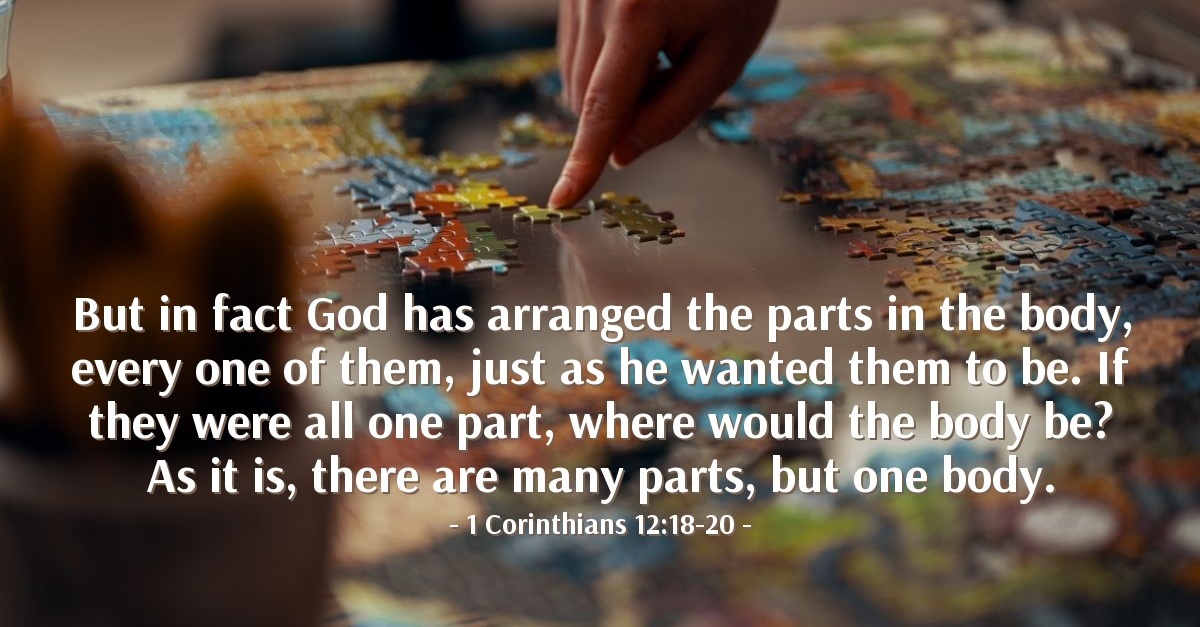





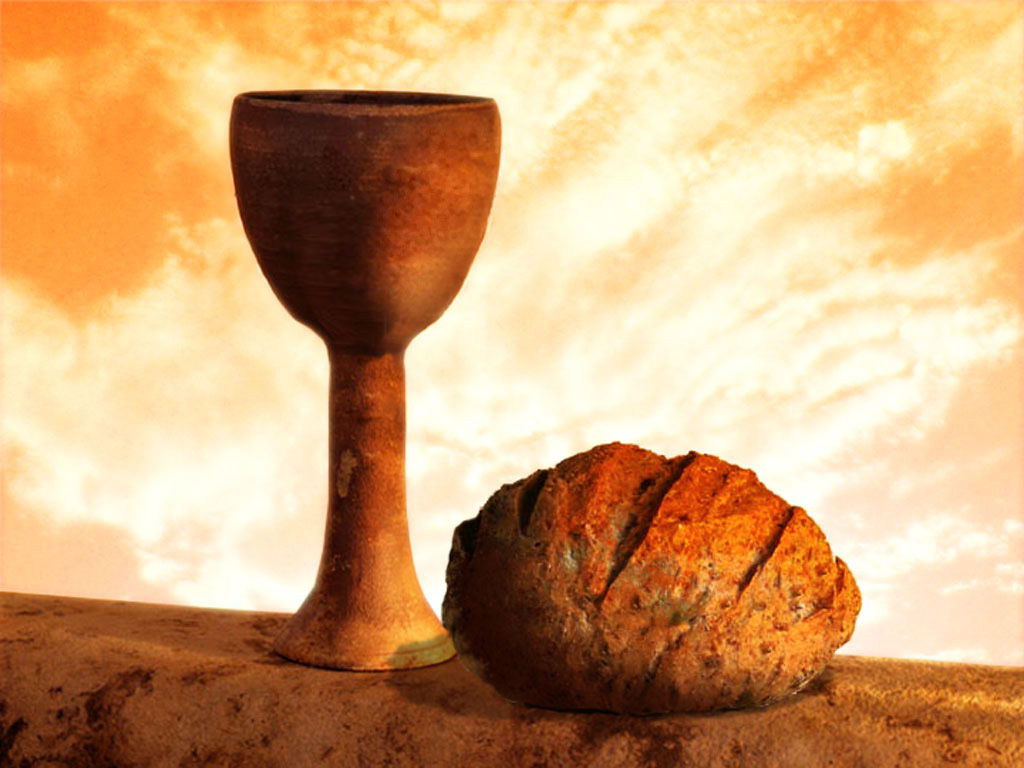
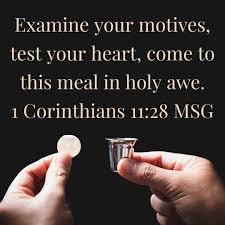










 Daily Manna (Coffee with Jesus)