
Luke – Doors Wide Open!
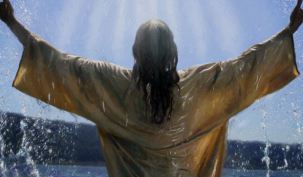
One day, after all the others had been baptized, Jesus presented Himself for baptism at the Jordan, and John at first refused to comply (Matt. 3:13–15). He knew that Jesus of Nazareth was the perfect Son of God who had no need to repent of sin. Why then was the sinless Son of God baptized?
To begin with, in His baptism He identified with the sinners that Hecame to save. Also, His baptism was the official start of His ministry. He was “about thirty years of age”, and the Jewish Levites began their work at age thirty. But our Lord’s words tell us the main reason for His baptism: “for in this way it is fitting for us to fulfill all righteousness”. In what way? In the way pictured by His baptism in the Jordan. Many Bible scholars agree that New Testament baptism was by immersion, which is a picture of death, burial, and resurrection. Our Lord’s baptism in water was a picture of His work of redemption (Matt. 20:22; Luke 12:50). It was through His baptism of suffering on the cross that God “fulfilled all righteousness.” (The “us” in Matthew 3:15 does not mean John and Jesus. It means the Father, the Son, and the Spirit.)
WHY THE GENEALOGY?
Luke interrupted his narrative at this point to give us a genealogy of Jesus. Matthew’s genealogy (Matt. 1:1–17) begins with Abraham and moves forward to Jesus, while Luke’s begins with Jesus and moves backward to Adam. Matthew gives us the genealogy of Joseph, the legal foster-father of Jesus, while Luke gives us the genealogy of His mother, Mary. Luke 3:23 can be translated: “When He began His ministry, Jesus was about thirty years old (being supposedly the son of Joseph), the son of Heli [an ancestor of Mary].” Mary herself would not be mentioned because it was unusual for women to be named in the official genealogies, though Matthew names four of them (Matt. 1:3, 5, 16).
By putting the genealogy here, Luke reminded his readers that the Son of God was also the Son of Man, born into this world, identified with the needs and problems of mankind. And, since Joseph and Mary were both in David’s line, these genealogies prove that Jesus of Nazareth has the legal right to David’s throne (Luke 1:32–33).
Tomorrow we will learn that even the enemy knows that Jesus is indeed the Son of God as well as the Son of Man.
Luke 3, NLT
The Baptism of Jesus
21 One day when the crowds were being baptized, Jesus himself was baptized. As he was praying, the heavens opened, 22 and the Holy Spirit, in bodily form, descended on him like a dove. And a voice from heaven said, “You are my dearly loved Son, and you bring me great joy.”
The Ancestors of Jesus
23 Jesus was about thirty years old when he began his public ministry.
 Jesus was known as the son of Joseph.
Joseph was the son of Heli.
24 Heli was the son of Matthat.
Matthat was the son of Levi.
Levi was the son of Melki.
Melki was the son of Jannai.
Jannai was the son of Joseph.
25 Joseph was the son of Mattathias.
Mattathias was the son of Amos.
Amos was the son of Nahum.
Nahum was the son of Esli.
Esli was the son of Naggai.
26 Naggai was the son of Maath.
Maath was the son of Mattathias.
Mattathias was the son of Semein.
Semein was the son of Josech.
Josech was the son of Joda.
27 Joda was the son of Joanan.
Joanan was the son of Rhesa.
Rhesa was the son of Zerubbabel.
Zerubbabel was the son of Shealtiel.
Shealtiel was the son of Neri.
 28 Neri was the son of Melki.
Melki was the son of Addi.
Addi was the son of Cosam.
Cosam was the son of Elmadam.
Elmadam was the son of Er.
29 Er was the son of Joshua.
Joshua was the son of Eliezer.
Eliezer was the son of Jorim.
Jorim was the son of Matthat.
Matthat was the son of Levi.
30 Levi was the son of Simeon.
Simeon was the son of Judah.
Judah was the son of Joseph.
Joseph was the son of Jonam.
Jonam was the son of Eliakim.
31 Eliakim was the son of Melea.
Melea was the son of Menna.
Menna was the son of Mattatha.
Mattatha was the son of Nathan.
Nathan was the son of David.
32 David was the son of Jesse.
Jesse was the son of Obed.
Obed was the son of Boaz.
Boaz was the son of Salmon.[h]
Salmon was the son of Nahshon.
33 Nahshon was the son of Amminadab.
Amminadab was the son of Admin.
Admin was the son of Arni.[i]
Arni was the son of Hezron.
Hezron was the son of Perez.
Perez was the son of Judah.
34 Judah was the son of Jacob.
Jacob was the son of Isaac.
Isaac was the son of Abraham.
Abraham was the son of Terah.
Terah was the son of Nahor.
35 Nahor was the son of Serug.
Serug was the son of Reu.
Reu was the son of Peleg.
Peleg was the son of Eber.
Eber was the son of Shelah.
36 Shelah was the son of Cainan.
Cainan was the son of Arphaxad.
Arphaxad was the son of Shem.
Shem was the son of Noah.
Noah was the son of Lamech.
 37 Lamech was the son of Methuselah.
Methuselah was the son of Enoch.
Enoch was the son of Jared.
Jared was the son of Mahalalel.
Mahalalel was the son of Kenan.
38 Kenan was the son of Enosh.[j]
Enosh was the son of Seth.
Seth was the son of Adam.
Adam was the son of God.
BEAUTIFUL THOUGHT…
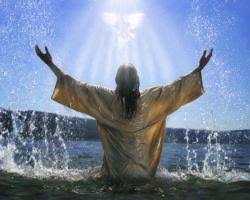 When our Lord came up from the water, the Father spoke from heaven and identified Him as the beloved Son of God, and the Spirit visibly came upon Jesus in the form of a dove. Those who deny the Trinity have a difficult time explaining this event.
This is the first of three recorded occasions when the Father spoke from heaven. The second was when Jesus was transfigured (Luke 9:28–36), and the third was during His last week before the cross (John 12:28).
Only Luke mentions that Jesus was praying, and this was only one of many occasions (Luke 5:16; 6:12; 9:18, 28–29; 11:1; 23:34, 46). As the perfect Son of Man, Jesus depended on His Father to meet His needs, and that was why He prayed.
So, we pray as sons and daughters of God, as repentant believers of Jesus Christ, our Savior and Lord…
Dear Heavenly Father,
Hallowed is Your Name. May Your Kingdom come, your will be done on earth, in every detail of our lives, as it is in heaven. Give us this day our marching orders. All our trust is in You alone. And forgive us our sins as we forgive those who offend or hurt us and sin against us. Lead us not into temptations to hold grudges or get even, but deliver us from the evil one and his schemes to bring us down. For you have all power, to you be all glory, honor and praise for evermore.
In Jesus Name, Amen

 The people who are listening ask repeatedly, “What should we do?” John quickly answers with simple Truth led by the Holy Spirit. There are no 3-point sermons here. His message is plain to hear and understand. “You are sinners”. John names the sin, calls it out and tells why it is wrong and how to come back to God. You must repent your sin to God. You must change your lifestyle to “prove by the way you live that you have repented of your sins and turned to God. Be baptized to publicly declare your changed, repentant heart. Then he tells of the Messiah, to clear up any misunderstanding the people may have, declaring that he is NOT the Messiah. He is only the one sent to tell of the Messiah who is coming soon. Very soon.
 What should WE do?
 It was now the fifteenth year of the reign of Tiberius, the Roman emperor. Pontius Pilate was governor over Judea; Herod Antipas was ruler over Galilee; his brother Philip was ruler over Iturea and Traconitis; Lysanias was ruler over Abilene. 2 Annas and Caiaphas were the high priests. At this time a message from God came to John son of Zechariah, who was living in the wilderness. 3 Then John went from place to place on both sides of the Jordan River, preaching that people should be baptized to show that they had repented of their sins and turned to God to be forgiven. 4 Isaiah had spoken of John when he said,
 “He is a voice shouting in the wilderness,
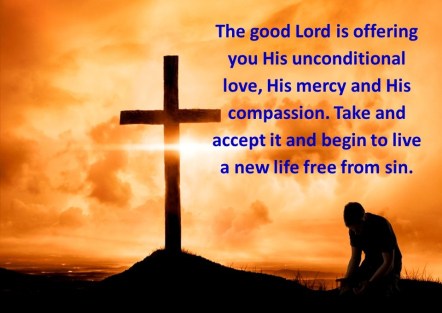 Would you go to prison for telling the Truth?

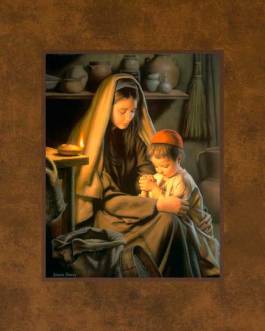 I know our kids are perplexing and challenging, but don’t give up showing them Christ in You. Don’t give up loving them unconditionally. Always forgive as Christ forgave you…a million times a day if necessary. Guide, lead by example, nurture them with God’s Word of directions–the manual for living life skillfully. Pray with them, not just for them, so they will know how to pray. Say I’m sorry when you are wrong so they will know how and when to be sorry when they mess up. Let them know, without a doubt, when disagreements come in the latter years, that You are ALWAYS on their side, in their corner, loving them always…like Christ loves us.
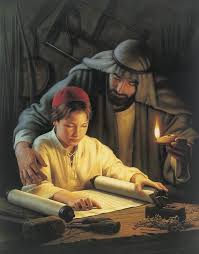
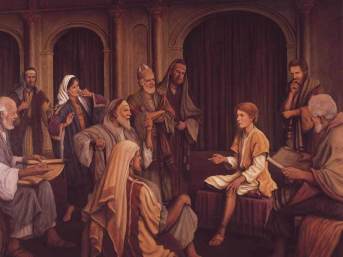 Jesus Speaks with the Teachers
 49 “But why did you need to search?” he asked. “Didn’t you know that I must be in my Father’s house?” 50 But they didn’t understand what he meant.
 The word must was often on our Lord’s lips: “I must preach” (Luke 4:43); “The Son of man must suffer” (Luke 9:22); the Son of Man “must be lifted up” (John 3:14). Even at the age of twelve, Jesus was moved by a divine compulsion to do the Father’s will.
 Jesus is a wonderful example for all young people to follow. He grew in a balanced way (Luke 2:52) without neglecting any part of life, and His priority was to do the will of His Father (see Matt. 6:33). He knew how to listen (Luke 2:46) and how to ask the right questions. He learned how to work, and He was obedient to His parents.
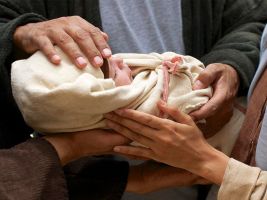 All of us know how it feels to wait for months, maybe even years for something to happen. You feel so passionate about it that you are determined to work for it as you willing wait for it to happen. What if what you are waiting for goes beyond waiting for that job promotion, your man to propose or your girl to say yes to marriage, graduation from college, or those painfully long nine months before your first baby is born? Maybe it’s waiting for a loved one to finally come to Jesus with a heart to follow Him completely in a new relationship. Waiting is not our strongest attribute as humans, is it?
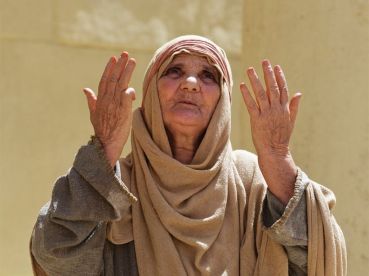
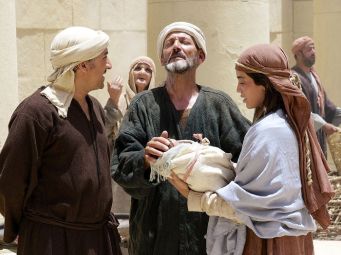 Yes, the expectation of Simeon and Anna, who have waited all their lives for the coming of the Messiah, is realized in this baby in arms. They knew immediately Who this baby was and what He would do. The Gift of Salvation has been born! The Redeemer has come to save all people from sin and restore a right relationship with God whom they have served all their lives! The wait is over! They have seen Him with their own eyes! They know they are in the Presence of God in human form.
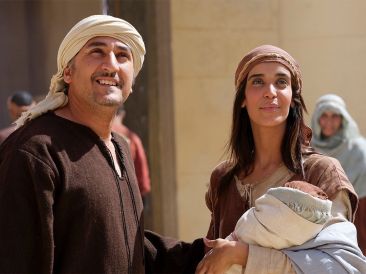 21 Eight days later, when the baby was circumcised, he was named Jesus, the name given him by the angel even before he was conceived.
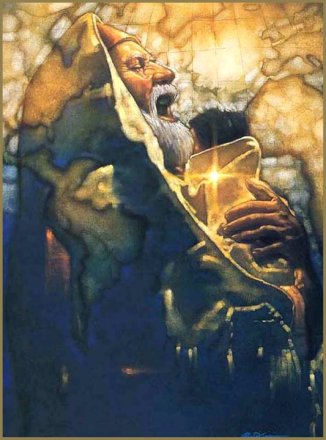 The Prophecy of Simeon
 The Prophecy of Anna
 One of the traditional Jewish prayers is, “May I see the consolation of Israel!” That prayer was answered for Simeon when he saw Jesus Christ in the temple. He was a man who was led by the Spirit of God, taught by the Word of God, and obedient to the will of God, and therefore he was privileged to see the salvation of God. How important it is for people to see God’s salvation, Jesus Christ, before they see death.
 What was the message of the prophets now?
 What is our message to those who do not know?


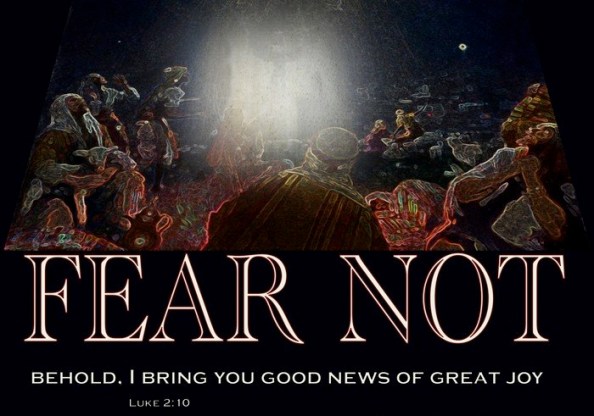 The shepherds fell to their knees in fear of the great light produced by the armies of angels who announced the arrival of the long awaited Messiah. The message got them back up on their feet, “Let’s go to Bethlehem! Let’s see this thing that has happened, which the Lord has told us about.” Awe and respect caused them drop everything and go see. Did God announce the great arrival of His Son to mere shepherds, the poorest of the poor, because of their awe and respect for Him?
 8 That night there were shepherds staying in the fields nearby, guarding their flocks of sheep. 9 Suddenly, an angel of the Lord appeared among them, and the radiance of the Lord’s glory surrounded them. They were terrified, 10 but the angel reassured them. “Don’t be afraid!” he said. “I bring you good news that will bring great joy to all people. 11 The Savior—yes, the Messiah, the Lord—has been born today in Bethlehem, the city of David! 12 And you will recognize him by this sign: You will find a baby wrapped snugly in strips of cloth, lying in a manger.”
 15 When the angels had returned to heaven, the shepherds said to each other, “Let’s go to Bethlehem! Let’s see this thing that has happened, which the Lord has told us about.”
 GOING DEEPER…
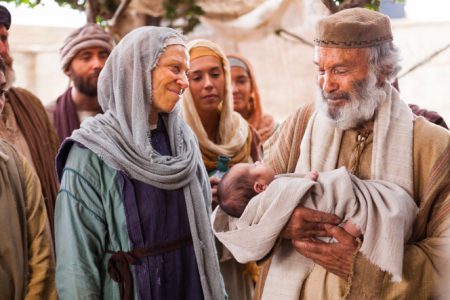
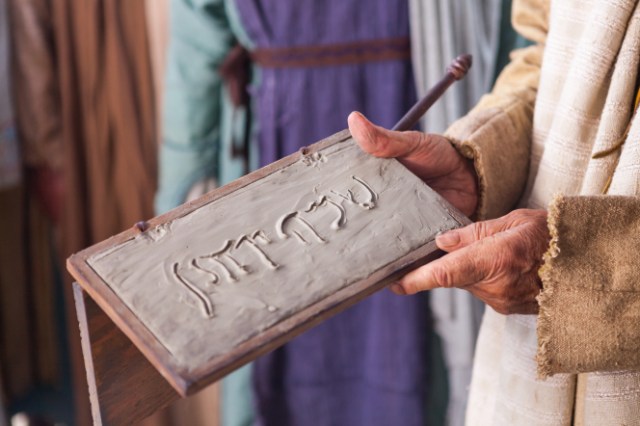 61 “What?” they exclaimed. “There is no one in all your family by that name.” 62 So they used gestures to ask the baby’s father what he wanted to name him. 63 He motioned for a writing tablet, and to everyone’s surprise he wrote, “His name is John.” 64 Instantly Zechariah could speak again, and he began praising God.

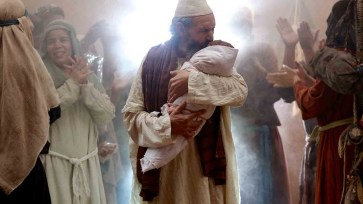
 His name is John.
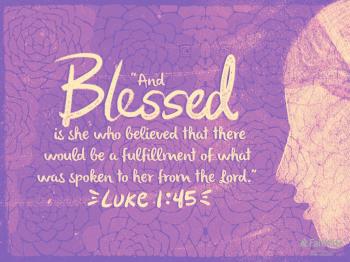
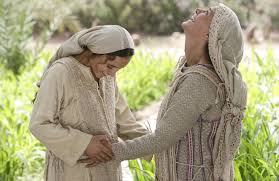 Another word translated “blessing” is the Hebrew word esher, which indicates a state of happiness. This word occurs frequently in the Psalms and Proverbs. When the Psalmist says, “Blessed is the man who walks not in the counsel of the wicked, nor stands in the way of sinners, nor sits in the seat of scoffers” (Psalm 1:1), he is saying “you will be happy if you do not walk in the counsel of the wicked, etc.” Obedience to God is not a pre-requisite for salvation—while we were still sinners, Christ died for us (Romans 5:8)—but obedience to God and living according to His Word is a recipe for blessing, for happiness in life (Proverbs 3:1-4).
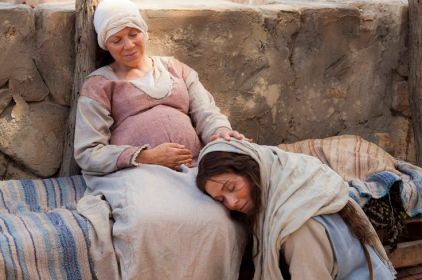
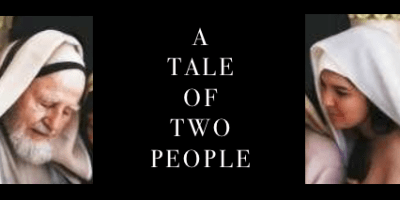
 Two women, chosen, and called by God, to deliver two sons who would forever change the world. One would be a man filled with the Holy Spirit, set apart, ordained to prepare the way for the other, the Son of God, who was the Holy Spirit, the three-in-One. Father, Son, Holy Spirit. John would get the attention of the people to repent and turn back to God. Jesus would be the perfect sacrifice to complete our total redemption so that we can enter the open doors to God! Wow!
 39 A few days later Mary hurried to the hill country of Judea, to the town 40 where Zechariah lived. She entered the house and greeted Elizabeth. 41 At the sound of Mary’s greeting, Elizabeth’s child leaped within her, and Elizabeth was filled with the Holy Spirit.
 Do you feel favored, blessed by God, in your walk with Him?

 Luke is a most vigorous champion of the outsider. An outsider himself, the only Gentile in an all-Jewish cast of New Testament writers, he shows how Jesus includes those who typically were treated as outsiders by the religious establishment of the day; women, common laborers (sheepherders), the racially different (Samaritans), the poor. He will not countenance religion as a club. As Luke tells the story, all of us who have found ourselves on the outside looking in on life with no hope of gaining entrance (and who of us hasn’t felt it?) now find the doors wide open, found and welcomed by God in Jesus.
 19 Then the angel said, “I am Gabriel! I stand in the very presence of God. It was he who sent me to bring you this good news! 20 But now, since you didn’t believe what I said, you will be silent and unable to speak until the child is born. For my words will certainly be fulfilled at the proper time.”
 Yes, if ever a man wrote a book filled with good news for everybody, Dr. Luke is that man. His key message is, “For the Son of man is come to seek and to save that which was lost” (Luke 19:10). He presents Jesus Christ as the compassionate Son of Man, who came to live among sinners, love them, help them, and die for them.
 The life and message of Christ were so important that many books had already been written about Him, but not everything in them could be trusted. Luke wrote his gospel so that his readers might have an accurate and orderly narrative of the life, ministry, and message of Jesus Christ. Luke had carefully researched his material, interviewed eyewitnesses, and listened to those who had ministered the Word. Most important, he had the guidance of the Holy Spirit. The phrase from the very first (Gk. anothen) can be translated “from above,” as it is in John 3:31 and 19:11. It speaks of the inspiration of the Spirit of God on the message that Luke wrote.
 Zacharias (“Jehovah has remembered”) and Elizabeth (“God is my oath”) were a godly couple who both belonged to the priestly line. The priests were divided into twenty-four courses (1 Chron. 24), and each priest served in the temple two weeks out of the year. In spite of the godlessness around them, Zacharias and Elizabeth were faithful to obey the Word of God and live blamelessly. Their only sorrow was that they had no family, and they made this a matter of constant prayer. Little did they know that God would answer their prayers and give them, not a priest, but a prophet! And no ordinary prophet, for their son would be the herald of the coming King!
 HOLY PAUSE
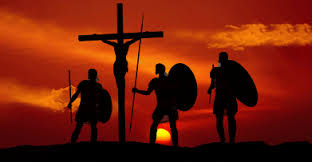 Mere man would not and could not die a physical death to save mankind. The torture of being nailed to the cross for our sin was only part of the salvation plan of God. Death in hell had to be defeated. Only Jesus went to hell and back again for us. Only Jesus rose to life again, scars and all, by the same power that held him to a cross of shame and humility for each one of us. Only Jesus died for our sins AND rose again to give we who believe life eternal with him in heaven. Only Jesus, Son of God.
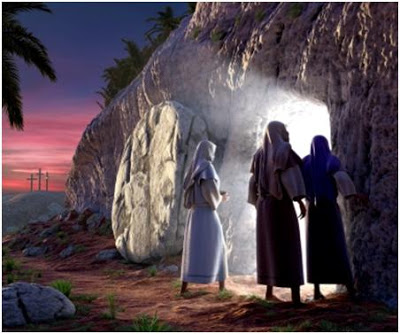 5 When they entered the tomb, they saw a young man clothed in a white robe sitting on the right side. The women were shocked, 6 but the angel said, “Don’t be alarmed. You are looking for Jesus of Nazareth, who was crucified. He isn’t here! He is risen from the dead! Look, this is where they laid his body. 7 Now go and tell his disciples, including Peter, that Jesus is going ahead of you to Galilee. You will see him there, just as he told you before he died.”
 15 And then he told them, “Go into all the world and preach the Good News to everyone. 16 Anyone who believes and is baptized will be saved. But anyone who refuses to believe will be condemned. 17 These miraculous signs will accompany those who believe: They will cast out demons in my name, and they will speak in new languages. 18 They will be able to handle snakes with safety, and if they drink anything poisonous, it won’t hurt them. They will be able to place their hands on the sick, and they will be healed.”
 THE WOMEN STAYED
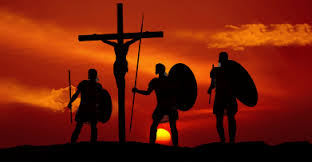 37 Then Jesus uttered another loud cry and breathed his last. 38 And the curtain in the sanctuary of the Temple was torn in two, from top to bottom.
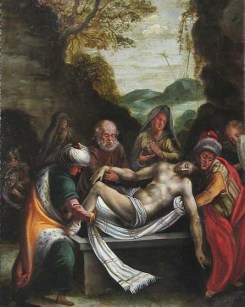
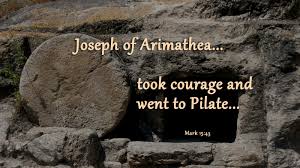 42 This all happened on Friday, the day of preparation, the day before the Sabbath. As evening approached, 43 Joseph of Arimathea took a risk and went to Pilate and asked for Jesus’ body. (Joseph was an honored member of the high council, and he was waiting for the Kingdom of God to come.) 44 Pilate couldn’t believe that Jesus was already dead, so he called for the Roman officer and asked if he had died yet. 45 The officer confirmed that Jesus was dead, so Pilate told Joseph he could have the body. 46 Joseph bought a long sheet of linen cloth. Then he took Jesus’ body down from the cross, wrapped it in the cloth, and laid it in a tomb that had been carved out of the rock. Then he rolled a stone in front of the entrance. 47 Mary Magdalene and Mary the mother of Joseph saw where Jesus’ body was laid.
 It is touching to see how the women stood near the cross until the very end. John had also been there, but he had taken Mary, our Lord’s mother, to his own home where he could care for her (John 19:25–27). Faithful women were the last at the cross on Friday and the first at the tomb on Sunday. What a contrast to the disciples, who had boasted that they would die for Him! The church of Jesus Christ owes much to the sacrifice and devotion of believing women.
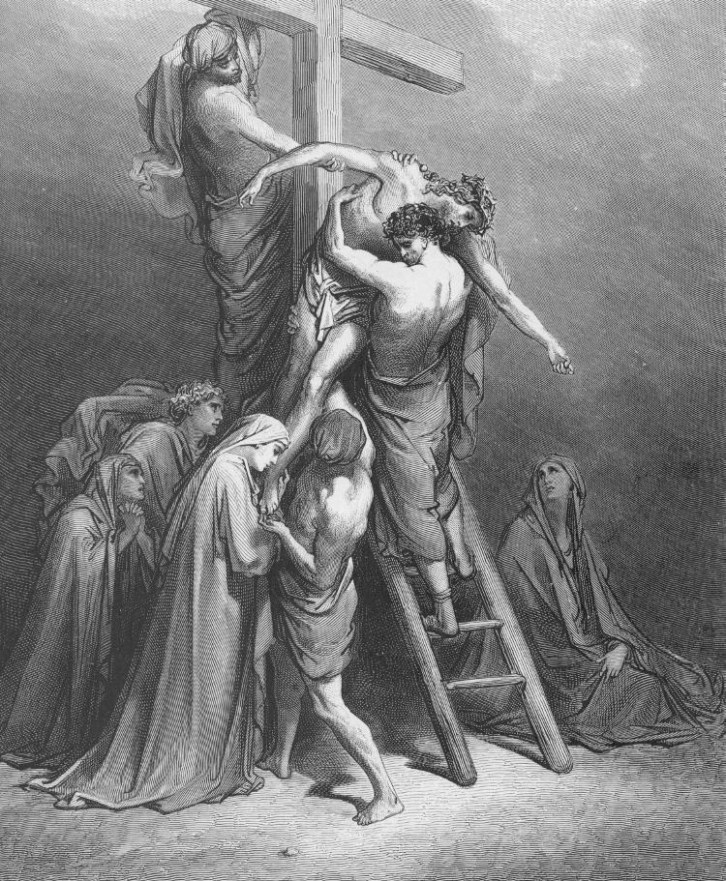 It seems evident that God prepared these two men and directed them in their activities. Nicodemus had come to Jesus privately (John 3) and had even defended Him before the council (John 7:45–53). I believe that Joseph and Nicodemus searched the Scriptures together and discovered, led by the Spirit, that the Lamb would die at Passover. It is possible that they were hiding in the new tomb when Jesus died. It was a simple matter for Joseph to go to Pilate for permission to take the body, and for Nicodemus to guard the body until the official release was given. Had these men not acted boldly, the body of Jesus might have been disposed of like rubbish.
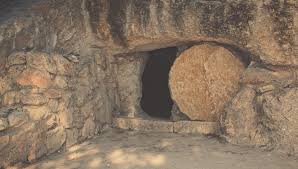 Jesus Christ was “delivered for our offenses, and was raised again for our justification” (Rom. 4:25). A dead Savior cannot save anybody. The resurrection of Jesus Christ from the dead is as much a part of the gospel message as His sacrificial death on the cross (1 Cor. 15:1–8). In fact, in the book of Acts, the church gave witness primarily to the resurrection (Acts 1:22; 4:2, 33).

